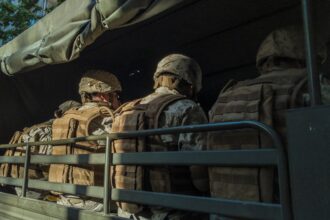
The mental health of service members is a critical issue that has garnered increasing attention in recent years. Many individuals who serve in the military face unique challenges that can lead to significant psychological distress. Combat exposure, the stress of deployment, and the transition back to civilian life can all contribute to conditions such as post-traumatic stress disorder (PTSD), anxiety, and depression.
The stigma surrounding mental health issues within military culture often prevents service members from seeking help, exacerbating their struggles. As a result, many suffer in silence, leading to a cycle of untreated mental health issues that can affect their personal and professional lives. Moreover, the impact of mental health challenges extends beyond the individual service member.
Families and communities are often left to cope with the consequences of these unseen wounds. The inability to process traumatic experiences can lead to strained relationships, difficulties in reintegration, and even an increased risk of substance abuse. The military’s focus on resilience and toughness can sometimes overshadow the need for compassion and understanding, making it essential for both military leadership and society at large to prioritize mental health support for those who serve.
Key Takeaways
- Military service significantly affects the mental health of service members and strains their families.
- Reliance on the military imposes substantial economic costs and long-term health consequences.
- Military operations impact nearby civilian communities and the environment negatively.
- Ethical dilemmas and challenges arise from dependence on military forces, affecting global diplomacy.
- Military healthcare systems face heavy burdens, compounded by hidden costs in recruitment and retention.
The strain on military families
Military families bear a heavy burden as they navigate the complexities of service life. Frequent relocations, extended deployments, and the constant uncertainty that comes with military life can create significant stress for spouses and children. Families often find themselves uprooted from their communities, leaving behind established support networks and facing the challenge of building new ones in unfamiliar environments.
This instability can lead to feelings of isolation and anxiety, particularly for children who may struggle to adapt to new schools and social circles. Additionally, the emotional toll of deployment can weigh heavily on family members left behind. Spouses may experience feelings of loneliness and worry, while children may grapple with the absence of a parent.
The strain can manifest in various ways, including behavioral issues in children and increased rates of depression among spouses. As families strive to maintain a sense of normalcy amidst the chaos, it becomes crucial for military organizations to provide resources and support systems that address the unique challenges faced by military families.
The economic burden of military reliance

The economic implications of military reliance extend far beyond the defense budget. Communities that depend heavily on military installations often experience fluctuations in economic stability based on military spending and troop levels. When bases close or troop numbers decrease, local economies can suffer significantly, leading to job losses and reduced business activity.
This reliance on military presence can create a precarious economic situation for towns that have built their livelihoods around supporting service members and their families. Furthermore, the costs associated with military operations are not limited to direct expenditures. The long-term financial obligations related to veterans’ benefits, healthcare, and pensions place an additional strain on government resources.
As more service members transition into civilian life, the demand for comprehensive support services increases, further complicating the economic landscape. Policymakers must consider these factors when evaluating military budgets and their broader implications for both local economies and national fiscal health.
The long-term health effects of military service
| Health Effect | Description | Prevalence Among Veterans | Notes |
|---|---|---|---|
| Post-Traumatic Stress Disorder (PTSD) | Psychological condition triggered by traumatic events experienced during service | Approximately 11-20% of veterans from recent conflicts | Symptoms may include flashbacks, anxiety, and depression |
| Traumatic Brain Injury (TBI) | Brain dysfunction caused by an external force, such as blast exposure | 15-23% of veterans from Iraq and Afghanistan | Can lead to cognitive impairment and emotional difficulties |
| Chronic Pain | Persistent pain often related to injuries sustained during service | Up to 50% of veterans report chronic pain | Commonly affects joints, back, and muscles |
| Cardiovascular Disease | Increased risk of heart disease and stroke | Higher incidence compared to non-veterans, especially with combat exposure | Linked to stress, lifestyle, and service-related factors |
| Respiratory Issues | Conditions such as asthma, chronic bronchitis, and COPD | Elevated rates in veterans exposed to burn pits and environmental hazards | May develop years after service |
| Substance Use Disorders | Dependence on alcohol or drugs as coping mechanisms | Approximately 10-15% of veterans | Often co-occurs with mental health conditions |
| Suicide Risk | Increased risk of suicide compared to civilian population | Veteran suicide rate is about 1.5 times higher than non-veterans | Linked to mental health issues and social factors |
The long-term health effects of military service are a growing concern as more veterans return home from active duty. Many service members face chronic health issues stemming from their time in the military, including physical injuries, exposure to hazardous materials, and mental health disorders. Conditions such as traumatic brain injury (TBI) and chronic pain are prevalent among veterans, often requiring ongoing medical treatment and rehabilitation.
These long-term health challenges can significantly impact a veteran’s quality of life and ability to reintegrate into civilian society. Moreover, the healthcare system tasked with supporting veterans is often overwhelmed, leading to delays in treatment and inadequate access to necessary services. The complexity of navigating the Veterans Affairs (VA) system can deter many veterans from seeking care altogether.
As a result, untreated health issues can worsen over time, leading to increased healthcare costs and diminished well-being for those who have served. Addressing these long-term health effects requires a concerted effort from both government agencies and healthcare providers to ensure that veterans receive timely and effective care.
The impact on civilian communities near military bases
Civilian communities located near military bases experience both benefits and challenges due to their proximity to military installations. On one hand, these communities often enjoy economic boosts from the influx of service members and their families, which can lead to increased demand for goods and services. Local businesses may thrive as they cater to the needs of military personnel, creating jobs and stimulating economic growth in the area.
However, this relationship is not without its complications. The presence of a military base can also lead to tensions between civilian residents and service members, particularly when it comes to issues such as noise pollution from training exercises or traffic congestion caused by military operations. Additionally, civilian communities may struggle to accommodate the unique needs of military families, such as access to quality schools and healthcare services.
Balancing the interests of both military personnel and civilian residents is essential for fostering harmonious relationships within these communities.
The environmental impact of military operations

Military operations have significant environmental consequences that often go overlooked in discussions about defense spending and national security. Training exercises, weapon testing, and other activities can lead to soil degradation, water contamination, and habitat destruction. The use of hazardous materials during training exercises poses risks not only to the environment but also to the health of nearby residents and wildlife.
Furthermore, the long-term effects of military-related environmental damage can be profound. Contaminated sites may require extensive cleanup efforts that place additional burdens on government resources.
Additionally, communities surrounding military bases may face increased health risks due to exposure to pollutants or toxic substances used during training exercises. Addressing these environmental concerns necessitates collaboration between military leaders, environmental agencies, and local communities to develop sustainable practices that protect both people and ecosystems.
The toll on military equipment and infrastructure
The wear and tear on military equipment and infrastructure is an ongoing concern for defense organizations worldwide. Continuous deployments and rigorous training exercises place immense strain on vehicles, aircraft, and other essential assets. As equipment ages or sustains damage during operations, the costs associated with maintenance and replacement can escalate rapidly.
This financial burden not only affects defense budgets but also impacts operational readiness as forces must ensure that their equipment is reliable and effective. Moreover, aging infrastructure at military bases can hinder operational efficiency and pose safety risks for service members. Many installations struggle with outdated facilities that require significant investment to modernize or repair.
As funding priorities shift or budgets tighten, addressing these infrastructure needs can become increasingly challenging. Ensuring that military equipment and facilities remain in optimal condition is vital for maintaining national security and supporting service members in their missions.
The ethical and moral challenges of military reliance
The ethical implications of military reliance raise complex questions about national priorities and societal values. As countries allocate substantial resources toward defense spending, debates often arise regarding the balance between military investment and social welfare programs. Critics argue that excessive reliance on military solutions can detract from addressing pressing issues such as poverty, education, and healthcare access.
This tension highlights the need for a comprehensive approach that considers both security needs and the well-being of citizens. Additionally, the moral dilemmas faced by service members during combat operations can weigh heavily on their conscience. Decisions made in high-pressure situations may lead to unintended consequences that challenge personal beliefs about right and wrong.
The psychological toll of grappling with these ethical dilemmas can contribute to mental health struggles among veterans as they seek to reconcile their experiences with their values. Addressing these moral challenges requires open dialogue within military organizations and society at large about the implications of warfare and the responsibilities that come with it.
The impact on global relationships and diplomacy
Military reliance has far-reaching implications for global relationships and diplomacy. Nations that prioritize military strength often find themselves engaged in complex geopolitical dynamics that shape international relations. The presence of U.S. troops in various regions serves as both a deterrent against aggression and a source of tension with other nations that may view such deployments as provocative. Balancing military commitments with diplomatic efforts is essential for fostering stability in an increasingly interconnected world. Moreover, reliance on military solutions can overshadow opportunities for peaceful conflict resolution through diplomacy or negotiation. When countries prioritize defense spending over diplomatic engagement, they risk alienating potential allies and exacerbating tensions with adversaries. Building strong international relationships requires a multifaceted approach that includes not only military readiness but also investment in diplomatic initiatives aimed at fostering understanding and cooperation among nations.
The strain on military healthcare and support systems
The healthcare system designed to support service members and veterans faces significant strain as demand for services continues to grow. With an increasing number of veterans seeking care for physical injuries and mental health issues related to their service, healthcare providers within the Department of Veterans Affairs (VA) are often overwhelmed by patient volumes. Long wait times for appointments and limited access to specialized care can leave veterans feeling frustrated and underserved.
Additionally, the complexity of navigating the VA system can deter many veterans from seeking necessary care altogether. Bureaucratic hurdles may prevent timely access to benefits or services that could improve their quality of life. Addressing these challenges requires a concerted effort from policymakers to streamline processes within the VA while also ensuring adequate funding for healthcare services tailored specifically for veterans’ unique needs.
The hidden costs of military recruitment and retention
The recruitment and retention of service members come with hidden costs that extend beyond salaries and benefits packages. While attracting individuals to join the military is essential for maintaining force levels, it often requires significant investment in marketing campaigns, recruitment incentives, and training programs designed to prepare new recruits for service life. These costs can add up quickly, placing additional pressure on defense budgets already stretched thin by operational demands.
Moreover, retaining experienced personnel is equally critical yet challenging in an era where many service members face competing opportunities in civilian sectors offering attractive salaries and benefits packages. The costs associated with turnover—such as training new recruits or losing institutional knowledge—can be substantial over time. To mitigate these hidden costs, military organizations must prioritize initiatives aimed at improving job satisfaction among service members while also fostering a culture that values their contributions both during active duty and beyond.
In conclusion, the multifaceted challenges associated with military reliance encompass a wide range of issues affecting service members, families, communities, healthcare systems, global relationships, ethical considerations, environmental impacts, equipment maintenance, recruitment efforts, and long-term health outcomes. Addressing these challenges requires a holistic approach that prioritizes not only national security but also the well-being of those who serve and their families while fostering positive relationships within civilian communities.
In exploring the implications of military dependency, it is essential to consider the broader context of its impact on society and governance.