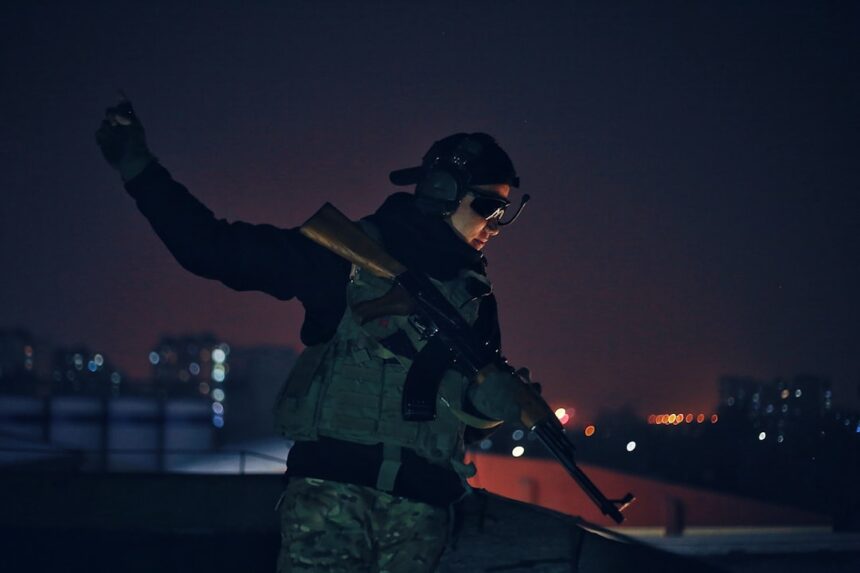
The concept of special operations forces (SOF) has its roots in the early 20th century, where unconventional warfare began to take shape. The need for specialized military units arose from the recognition that traditional military strategies were often inadequate in addressing the complexities of modern warfare. As nations faced asymmetric threats, the idea of deploying small, highly trained units capable of executing precise missions gained traction.
These early developments laid the groundwork for what would eventually evolve into the sophisticated special operations forces known today. In the interwar period, various military leaders and theorists began to advocate for the establishment of elite units that could conduct unconventional warfare. The British, for instance, formed the Special Air Service (SAS) during World War II, which would later serve as a model for other nations.
The United States, too, began to explore the potential of specialized units, leading to the formation of groups like the Office of Strategic Services (OSS) during World War
Key Takeaways
- Special Operations Forces evolved from early military units and were formalized during World War II with the OSS.
- The Korean and Vietnam Wars significantly shaped and expanded U.S. Special Forces capabilities.
- The failed 1980 Iran hostage rescue highlighted the need for unified special operations command, leading to USSOCOM’s creation.
- USSOCOM played a critical role in the Gulf War and has been central to counterterrorism efforts post-9/11.
- USSOCOM continues to adapt its mission and capabilities to address future global challenges and maintain a worldwide presence.
World War II and the Office of Strategic Services
World War II marked a significant turning point in the development of special operations forces, particularly with the establishment of the Office of Strategic Services (OSS) in 1942. Created under the leadership of William J. Donovan, the OSS was tasked with gathering intelligence and conducting covert operations behind enemy lines.
This organization represented a departure from conventional military strategies, emphasizing the importance of intelligence and unconventional warfare in achieving strategic objectives. The OSS played a crucial role in various theaters of war, conducting sabotage missions, gathering intelligence, and supporting resistance movements across Europe and Asia. Its operatives were trained in a variety of skills, including guerrilla warfare, sabotage techniques, and psychological operations.
The success of the OSS demonstrated the effectiveness of specialized units in conducting operations that traditional military forces could not accomplish. The lessons learned during this period would inform the future development of special operations forces in the United States and around the world.
The Korean War and the Birth of Special Forces
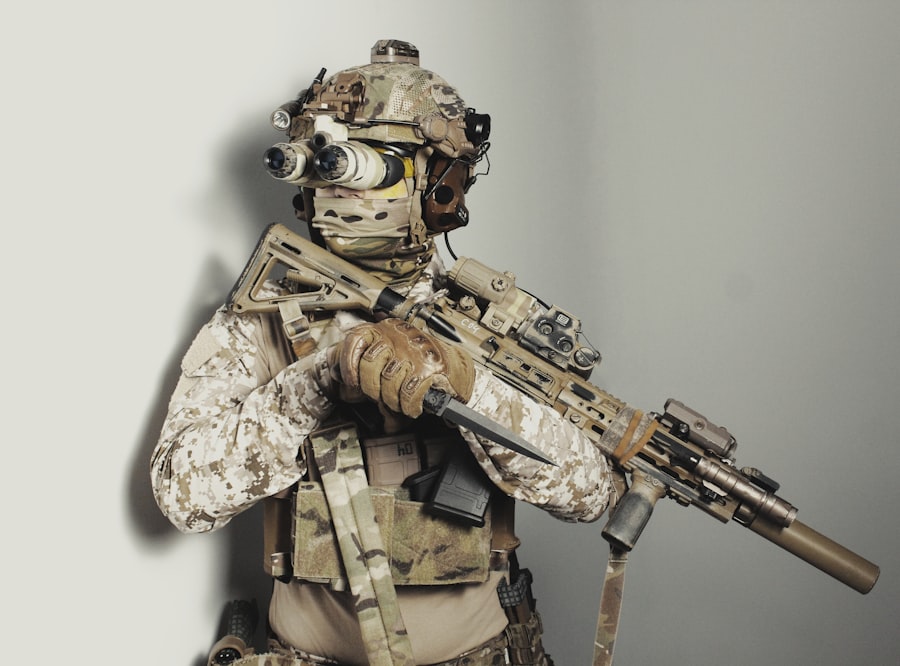
The Korean War (1950-1953) was instrumental in shaping the future of special operations forces in the United States. As conventional warfare unfolded on the Korean Peninsula, it became evident that there was a need for specialized units capable of conducting unconventional warfare and counterinsurgency operations. In response to this need, the U.S.
Army established its first official special forces unit, known as the 10th Special Forces Group, in 1952. The 10th Special Forces Group was designed to conduct unconventional warfare, counterinsurgency, and foreign internal defense missions. Its formation marked a significant shift in military strategy, as it recognized that conflicts could not be won solely through conventional means.
The unit’s early deployments included training and advising South Korean forces, as well as conducting covert operations against North Korean and Chinese troops. This experience solidified the importance of special operations forces in modern warfare and set a precedent for their future roles in subsequent conflicts.
The Vietnam War and the Expansion of Special Operations
| Year | Special Operations Units Involved | Number of Special Operations Missions | Primary Objectives | Notable Operations | Casualties (Approx.) |
|---|---|---|---|---|---|
| 1961 | MACV-SOG, Green Berets | 50 | Reconnaissance, Counterinsurgency | Operation Pincushion | 10 |
| 1965 | MACV-SOG, Green Berets, Navy SEALs | 200 | Direct Action, Intelligence Gathering | Operation Shining Brass | 45 |
| 1968 | MACV-SOG, Green Berets, Navy SEALs, Air Force Special Operations | 450 | Cross-border Raids, Sabotage | Operation Menu | 120 |
| 1970 | MACV-SOG, Green Berets, Navy SEALs | 300 | Search and Destroy, Intelligence | Operation Tailwind | 75 |
| 1972 | Green Berets, Navy SEALs | 150 | Reconnaissance, Training South Vietnamese Forces | Operation Lam Son 719 Support | 30 |
The Vietnam War (1955-1975) represented a critical period for special operations forces, as their roles expanded significantly in response to the unique challenges posed by guerrilla warfare and insurgency. The U.S. military recognized that traditional combat strategies were ill-suited for the complex environment of Vietnam, leading to an increased reliance on special operations units.
S. Army Special Forces, became emblematic of this shift. During the Vietnam War, special operations forces engaged in a variety of missions, including reconnaissance, direct action, and counterinsurgency efforts.
They worked closely with local forces to train and advise them in their fight against the Viet Cong and North Vietnamese Army. The success of these missions highlighted the effectiveness of small, agile units operating in hostile environments. However, it also exposed challenges related to coordination and support within the broader military structure, prompting discussions about how to better integrate special operations into conventional military planning.
The Failed Iran Hostage Rescue Mission and the Need for Special Operations Coordination
The failed Iran hostage rescue mission in 1980 served as a stark reminder of the complexities involved in conducting special operations. Known as Operation Eagle Claw, this mission aimed to rescue American hostages held at the U.S. Embassy in Tehran but ended in disaster due to a series of logistical failures and operational miscalculations.
The incident underscored the necessity for improved coordination among various military branches and highlighted gaps in training and planning for special operations. In response to this failure, military leaders recognized that a more unified approach was needed to enhance the effectiveness of special operations forces. This realization led to calls for better integration between conventional forces and SOF, as well as improved training protocols that emphasized joint operations.
The lessons learned from Operation Eagle Claw would ultimately contribute to significant reforms within the U.S. military structure regarding how special operations were planned and executed.
The Goldwater-Nichols Act and the Creation of USSOCOM
The passage of the Goldwater-Nichols Department of Defense Reorganization Act in 1986 marked a watershed moment for special operations forces in the United States. This legislation aimed to improve military efficiency by enhancing joint operations among different branches of the armed services. One of its key provisions was the establishment of the United States Special Operations Command (USSOCOM), which centralized command and control over all special operations forces across the Army, Navy, Air Force, and Marine Corps.
USSOCOM’s creation represented a significant shift in how special operations were organized and executed within the U.S. military framework. By providing a unified command structure, USSOCOM was able to streamline decision-making processes and enhance coordination among various SOF units.
This new command structure allowed for more effective planning and execution of special operations missions while ensuring that SOF could operate seamlessly alongside conventional forces when necessary.
USSOCOM’s Role in the Gulf War
During the Gulf War (1990-1991), USSOCOM played a pivotal role in demonstrating the capabilities and effectiveness of special operations forces on a global stage. As coalition forces prepared to liberate Kuwait from Iraqi occupation, SOF units were deployed to conduct critical missions that would shape the outcome of the conflict. These missions included reconnaissance, direct action against high-value targets, and psychological operations aimed at undermining Iraqi morale.
The success of USSOCOM during the Gulf War showcased its ability to operate effectively within a joint force environment while executing complex missions with precision. Special operations forces conducted successful raids against Iraqi command and control centers and provided vital intelligence that informed broader military strategies. The lessons learned during this conflict further solidified SOF’s reputation as an essential component of modern warfare.
Post-9/11 and the Global War on Terrorism
The events of September 11, 2001, marked a profound shift in U.S. military strategy and highlighted the critical role of special operations forces in counterterrorism efforts. In response to the attacks, USSOCOM was tasked with leading operations against al-Qaeda and other terrorist organizations around the world.
This new focus on counterterrorism necessitated an expansion of SOF capabilities and resources to address emerging threats effectively. In Afghanistan, special operations forces played a central role in Operation Enduring Freedom, working alongside conventional troops to dismantle al-Qaeda networks and remove the Taliban from power. Their ability to conduct rapid strikes against high-value targets while simultaneously engaging with local populations proved invaluable in achieving strategic objectives.
The post-9/11 era solidified SOF’s position as a key player in U.
military strategy, emphasizing their adaptability and effectiveness in addressing asymmetric threats.
USSOCOM’s Evolving Mission and Capabilities
As global threats continue to evolve, so too has USSOCOM’s mission and capabilities. In recent years, SOF have expanded their focus beyond traditional counterterrorism efforts to include a broader range of missions such as foreign internal defense, unconventional warfare, and humanitarian assistance. This evolution reflects an understanding that modern conflicts often require multifaceted approaches that go beyond direct action.
USSOCOM has also invested heavily in developing new technologies and capabilities to enhance its operational effectiveness. This includes advancements in intelligence gathering, surveillance systems, cyber capabilities, and partnerships with other nations’ special operations forces. By adapting to changing geopolitical landscapes and emerging threats, USSOCOM remains at the forefront of U.S.
military strategy.
Current Operations and Global Presence
Today, USSOCOM maintains a robust global presence with operational commitments across multiple regions. Special operations forces are deployed in various capacities around the world, from counterterrorism missions in Africa to training exercises with allied nations in Europe and Asia. Their ability to operate discreetly while building partnerships with local forces has become a cornerstone of U.S.
foreign policy. Current operations often involve collaboration with other government agencies and international partners to address complex security challenges. Whether conducting counterinsurgency efforts or providing humanitarian assistance during crises, SOF continue to play a vital role in promoting stability and security worldwide.
Their adaptability allows them to respond quickly to emerging threats while fostering relationships that enhance regional security.
Future Challenges and Opportunities for USSOCOM
Looking ahead, USSOCOM faces several challenges as it navigates an increasingly complex global security environment. The rise of near-peer competitors poses new strategic dilemmas that require innovative approaches to warfare. Additionally, evolving technologies such as artificial intelligence and cyber capabilities present both opportunities and challenges for special operations forces.
To remain effective, USSOCOM must continue to adapt its strategies while fostering collaboration with allies and partners around the world. Emphasizing joint training exercises and information sharing will be crucial in addressing emerging threats collectively. As global dynamics shift, USSOCOM’s ability to remain agile will determine its success in meeting future challenges while seizing opportunities for enhanced cooperation with international partners.
In conclusion, special operations forces have undergone significant evolution since their inception, shaped by historical events that have highlighted their importance within modern military strategy. From their early development through World War II to their current global presence, SOF have proven their adaptability and effectiveness across diverse operational environments. As they look toward an uncertain future filled with both challenges and opportunities, USSOCOM remains committed to evolving its mission while continuing to serve as a vital component of U.S.
national security strategy.
The origins of U.S. Special Operations Command (USSOCOM) can be traced back to the evolving needs of the military during the Cold War, which necessitated a more specialized approach to unconventional warfare. For a deeper understanding of the historical context and development of special operations forces, you can read a related article on this topic at In the War Room. This article provides insights into the strategic shifts that led to the establishment of USSOCOM and its impact on modern military operations.
WATCH THIS! The Disaster That Saved Them: How Eagle Claw’s Failure Freed the Hostages
FAQs
What is the U.S. Special Operations Command (USSOCOM)?
The U.S. Special Operations Command (USSOCOM) is a unified combatant command of the Department of Defense responsible for overseeing the various special operations forces of the Army, Navy, Air Force, and Marine Corps.
When was the U.S. Special Operations Command established?
USSOCOM was established on April 16, 1987, to provide a unified command structure for special operations forces across different military branches.
Why was USSOCOM created?
USSOCOM was created to improve the coordination, training, and deployment of U.S. special operations forces following challenges experienced during operations such as the failed Iran hostage rescue mission in 1980.
What events led to the formation of USSOCOM?
The failed Operation Eagle Claw in 1980 highlighted the need for better joint special operations capabilities, prompting Congress and the Department of Defense to establish USSOCOM to unify command and improve effectiveness.
Which military branches contribute forces to USSOCOM?
USSOCOM includes special operations forces from the U.S. Army, Navy, Air Force, and Marine Corps.
Where is the headquarters of USSOCOM located?
The headquarters of USSOCOM is located at MacDill Air Force Base in Tampa, Florida.
What is the primary mission of USSOCOM?
The primary mission of USSOCOM is to plan, coordinate, and conduct special operations worldwide to support U.S. national security objectives.
How does USSOCOM differ from other combatant commands?
Unlike geographic combatant commands, USSOCOM is a functional command focused specifically on special operations forces and their unique capabilities across all regions.
Who was the first commander of USSOCOM?
General James J. Lindsay was the first commander of USSOCOM, serving from its establishment in 1987.
How has USSOCOM evolved since its creation?
Since its creation, USSOCOM has expanded its capabilities, integrated advanced technologies, and increased its role in counterterrorism, unconventional warfare, and global special operations missions.