
The phenomenon of hostage crises has been a recurring theme throughout history, often arising from complex socio-political landscapes. These situations typically involve individuals or groups seizing control of hostages to leverage political, ideological, or financial demands. The motivations behind such actions can vary widely, ranging from terrorism and political dissent to personal grievances.
Understanding the background and context of these crises is crucial for comprehending their implications on society and the measures taken to resolve them. Historically, hostage-taking has roots in ancient practices, where captives were used as bargaining chips in conflicts.
The late 20th century marked a turning point, as high-profile incidents captured global attention and highlighted the urgent need for effective response strategies. The interplay of international relations, domestic policies, and public sentiment often shapes the environment in which these crises unfold, making it essential to analyze the broader context surrounding each incident.
Key Takeaways
- Hostage rescue operations require a deep understanding of the crisis context and effective negotiation strategies.
- Special forces play a critical role in executing high-risk rescue missions with precision and coordination.
- Intelligence gathering and advanced technology significantly enhance the success rates of modern hostage rescues.
- Psychological effects on both victims and rescuers must be addressed to ensure recovery and mission effectiveness.
- Analyzing past successes and failures provides valuable lessons for improving future hostage rescue efforts.
The Role of Negotiation in Hostage Rescue Attempts
Negotiation plays a pivotal role in resolving hostage situations, often serving as the first line of defense before resorting to more aggressive tactics. Skilled negotiators are trained to establish communication with captors, aiming to build rapport and understand their demands. This process is delicate and requires a nuanced approach, as negotiators must balance empathy with firmness to ensure the safety of hostages while attempting to de-escalate tensions.
Effective negotiation can lead to successful outcomes without the need for force, preserving lives and minimizing collateral damage. However, it is not without its challenges. Captors may be unpredictable, and their demands can shift rapidly, complicating the negotiation process.
Additionally, the psychological state of both hostages and captors can influence negotiations significantly. Understanding these dynamics is essential for negotiators to adapt their strategies accordingly and work towards a peaceful resolution.
The Use of Special Forces in High-Stakes Hostage Rescues

In situations where negotiations fail or time is of the essence, special forces units are often deployed to execute high-stakes rescue operations.
Their involvement is typically seen as a last resort, as the risks associated with direct intervention can be substantial.
The effectiveness of special forces in hostage rescues is largely attributed to their rigorous training and operational experience. They are adept at assessing threats, executing tactical maneuvers, and making split-second decisions under pressure. However, the success of such missions hinges on meticulous planning and intelligence gathering prior to deployment.
Each operation is unique, requiring a tailored approach that considers the specific circumstances surrounding the hostage situation.
The Challenges of Coordinating a Successful Hostage Rescue Mission
| Challenge | Description | Impact on Mission | Mitigation Strategies |
|---|---|---|---|
| Intelligence Accuracy | Obtaining precise and timely information about hostage location and captors. | Incorrect intel can lead to mission failure or hostage harm. | Use multiple intelligence sources and real-time surveillance. |
| Communication Coordination | Ensuring seamless communication among various teams and command centers. | Miscommunication can cause delays or friendly fire incidents. | Implement secure, redundant communication systems and protocols. |
| Time Sensitivity | Operating under tight time constraints to prevent hostage harm. | Delays increase risk to hostages and reduce tactical advantage. | Pre-mission rehearsals and rapid decision-making frameworks. |
| Environmental Challenges | Dealing with complex terrain, building layouts, or urban settings. | Complicates entry, movement, and extraction operations. | Detailed reconnaissance and use of specialized equipment. |
| Hostage Safety | Minimizing risk of injury or death to hostages during rescue. | Primary mission objective; failure results in mission failure. | Precision tactics, non-lethal options, and medical readiness. |
| Captors’ Behavior | Unpredictable actions or threats from hostage-takers. | Can escalate violence or sabotage rescue efforts. | Psychological profiling and negotiation teams involvement. |
| Resource Allocation | Deploying adequate personnel, equipment, and support. | Insufficient resources can compromise mission success. | Comprehensive planning and contingency resource reserves. |
Coordinating a successful hostage rescue mission involves navigating a myriad of challenges that can arise at any stage of the operation. One of the primary hurdles is ensuring effective communication among various agencies involved in the response effort. Law enforcement, military units, intelligence agencies, and emergency services must work in concert to develop a cohesive strategy that prioritizes the safety of hostages.
Additionally, logistical challenges can complicate rescue efforts. Factors such as geographical terrain, weather conditions, and the presence of bystanders can all impact operational planning. Time is often a critical element; delays can exacerbate risks for hostages and increase the likelihood of violence from captors.
Therefore, meticulous preparation and adaptability are essential components in overcoming these challenges and executing a successful rescue mission.
Case Studies: Notable Hostage Rescue Attempts in History
Throughout history, several notable hostage rescue attempts have captured public attention and provided valuable lessons for future operations. One such case is the 1976 Entebbe hijacking, where Israeli commandos executed a daring rescue operation at Entebbe Airport in Uganda. The mission was characterized by its precision and planning, resulting in the successful rescue of 102 hostages held by Palestinian terrorists.
This operation not only showcased the effectiveness of special forces but also underscored the importance of intelligence gathering in executing such high-stakes missions. Another significant case is the 2012 rescue of Jessica Buchanan and Poul Thisted from Somali pirates by U.S. Navy SEALs.
This operation highlighted the evolving nature of hostage situations in maritime contexts and demonstrated how rapid response capabilities can lead to successful outcomes even in challenging environments. Each case study offers insights into the complexities of hostage rescue operations and emphasizes the need for continuous learning and adaptation in response strategies.
The Psychological Impact of Hostage Crises on Victims and Rescuers
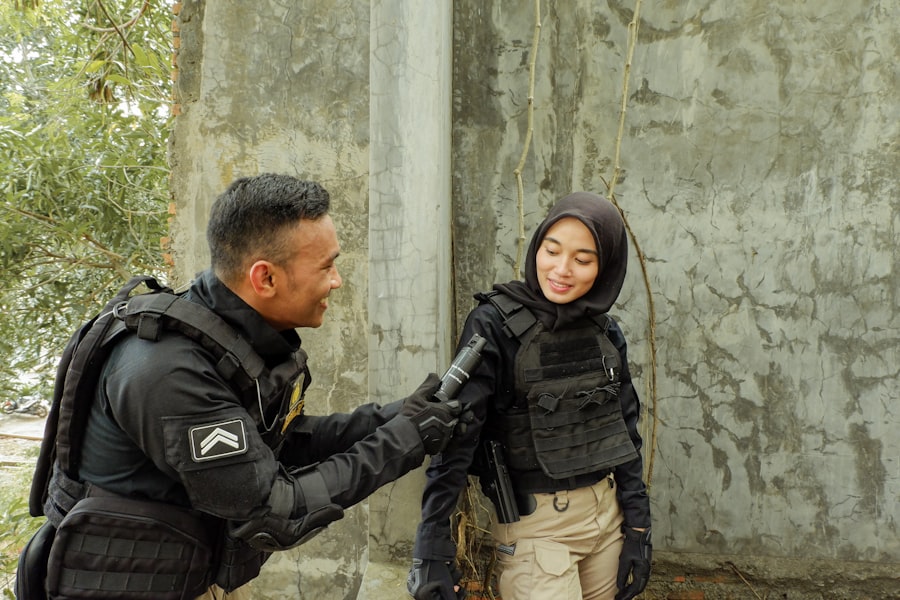
The psychological impact of hostage crises extends beyond the immediate physical dangers faced by victims; it also encompasses long-term emotional and mental health consequences. Hostages often endure extreme stress, fear, and uncertainty during their captivity, which can lead to conditions such as post-traumatic stress disorder (PTSD) once they are freed. The trauma experienced during these harrowing situations can affect their ability to reintegrate into society and maintain relationships.
Rescuers also face psychological challenges as they navigate high-stress environments during operations. The pressure to succeed while ensuring the safety of hostages can take a toll on their mental well-being. Additionally, witnessing violence or making life-and-death decisions can lead to emotional distress among rescuers.
Addressing these psychological impacts through support systems and counseling is crucial for both victims and rescuers alike.
The Ethical Considerations of Hostage Rescue Operations
The ethical considerations surrounding hostage rescue operations are complex and multifaceted. One primary concern is the potential for collateral damage during rescue attempts, particularly when special forces engage in direct action against captors. The moral implications of risking lives—both those of hostages and innocent bystanders—raise questions about the justification for using force in such scenarios.
Moreover, negotiations with captors can present ethical dilemmas as well. Agreeing to certain demands may inadvertently encourage future hostage-taking incidents or legitimize violent behavior. Striking a balance between achieving a successful resolution and upholding ethical standards is a challenge that authorities must navigate carefully during hostage crises.
The Importance of Intelligence Gathering in Hostage Rescue Situations
Intelligence gathering is a cornerstone of effective hostage rescue operations. Accurate information about captors’ identities, motivations, and locations can significantly influence decision-making processes during crises. Intelligence allows negotiators to tailor their approaches based on captors’ psychological profiles while enabling special forces to plan tactical maneuvers with precision.
The collection of intelligence often involves collaboration among various agencies, including law enforcement, military intelligence, and international partners. This collaborative effort enhances situational awareness and provides a comprehensive understanding of the dynamics at play within a hostage situation. In many cases, timely intelligence can mean the difference between success and failure in rescue attempts.
The Role of Technology in Modern Hostage Rescue Attempts
Advancements in technology have transformed the landscape of hostage rescue operations, providing responders with tools that enhance situational awareness and operational efficiency. Surveillance technologies such as drones and satellite imagery allow teams to gather real-time information about hostage locations and captor movements without compromising safety. Communication technologies also play a vital role in coordinating efforts among various agencies involved in rescue missions.
Secure communication channels enable seamless information sharing, ensuring that all parties are informed about developments during an operation. As technology continues to evolve, its integration into hostage rescue strategies will likely become increasingly sophisticated, further improving outcomes in these high-stakes situations.
Training and Preparation for Hostage Rescue Teams
Training and preparation are critical components for teams involved in hostage rescue operations. Special forces undergo rigorous training programs that encompass various scenarios they may encounter during missions. This training includes tactical drills, negotiation techniques, crisis management skills, and physical conditioning to ensure that team members are prepared for any eventuality.
Moreover, continuous training exercises simulate real-world scenarios to keep teams sharp and ready for deployment at a moment’s notice. Collaboration with other agencies during training fosters inter-agency cooperation that is essential during actual operations. By investing in comprehensive training programs, authorities can enhance their readiness for hostage crises and improve their chances of successful outcomes.
Lessons Learned from Failed Hostage Rescue Attempts
Failed hostage rescue attempts provide invaluable lessons that inform future strategies and operational planning. Analyzing past failures allows authorities to identify weaknesses in decision-making processes, communication breakdowns, or tactical miscalculations that may have contributed to unsuccessful outcomes. Each failure serves as a case study that highlights areas for improvement within negotiation tactics or operational execution.
Furthermore, understanding the psychological impact on victims following failed rescues emphasizes the need for comprehensive support systems post-crisis. Authorities must recognize that every failed attempt carries significant emotional weight for both hostages and rescuers alike. By learning from past mistakes and implementing changes based on those lessons, agencies can enhance their preparedness for future hostage situations while striving for better outcomes overall.
In conclusion, navigating the complexities of hostage crises requires a multifaceted approach that encompasses negotiation strategies, special forces involvement, ethical considerations, intelligence gathering, technological advancements, training protocols, and lessons learned from past experiences. As societies continue to grapple with these high-stakes situations, ongoing research and adaptation will be essential in developing effective responses that prioritize safety while addressing the underlying issues that give rise to such crises.
In recent discussions surrounding the complexities of hostage crisis rescue attempts, an insightful article titled “Understanding the Dynamics of Hostage Situations” provides a comprehensive analysis of various strategies employed during such high-stakes scenarios. This article delves into the psychological aspects of both hostages and captors, offering valuable perspectives for negotiators and rescue teams. For more information, you can read the article [here](https://www.inthewarroom.com/sample-page/).
WATCH THIS! The Disaster That Saved Them: How Eagle Claw’s Failure Freed the Hostages
FAQs
What is a hostage crisis?
A hostage crisis occurs when individuals are held against their will by captors who use them as leverage to achieve specific demands or objectives.
What are common tactics used in hostage rescue attempts?
Common tactics include negotiation, tactical assault by specialized units, surveillance, and psychological operations aimed at resolving the situation safely.
Who typically conducts hostage rescue operations?
Hostage rescue operations are usually carried out by specially trained law enforcement units, military special forces, or counter-terrorism teams.
What role do negotiators play in hostage crises?
Negotiators communicate with captors to de-escalate the situation, gather intelligence, and work towards a peaceful resolution without violence.
What are the risks involved in hostage rescue attempts?
Risks include harm to hostages, rescuers, and bystanders, as well as the possibility of the captors escalating violence or executing hostages.
How do authorities prepare for a hostage rescue operation?
Authorities gather intelligence, plan tactical approaches, coordinate with multiple agencies, and rehearse scenarios to increase the chances of a successful rescue.
Can hostage situations always be resolved peacefully?
Not always; while peaceful resolution is the goal, some situations may require tactical intervention if negotiations fail or hostages are in imminent danger.
What equipment is commonly used in hostage rescue missions?
Equipment may include specialized weapons, communication devices, surveillance technology, breaching tools, and protective gear.
How important is timing in a hostage rescue attempt?
Timing is critical; rescuers must act swiftly to prevent harm but also carefully to avoid provoking captors and endangering hostages.
Are there international laws governing hostage rescue operations?
Yes, international laws and human rights conventions guide the conduct of hostage rescue operations to ensure the protection of civilians and adherence to legal standards.