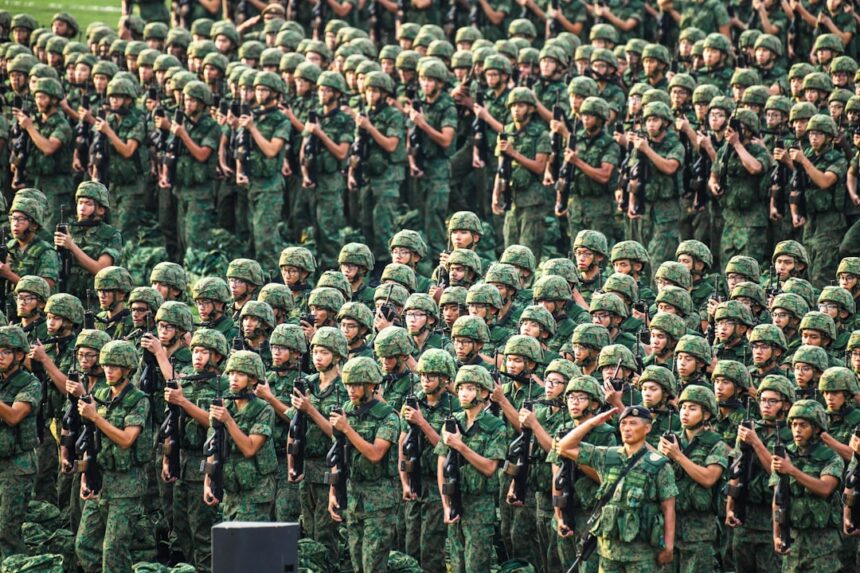
Geopolitical warfare refers to the strategic use of political, economic, and military power by nations to influence or control regions and resources. It encompasses a wide range of activities, from traditional military confrontations to cyber warfare, economic sanctions, and propaganda campaigns. The complexity of modern geopolitics is heightened by the interconnectedness of global economies and the rapid pace of technological advancement.
As nations vie for dominance, the implications of their actions ripple through international markets, affecting businesses and economies worldwide. In this context, geopolitical warfare is not merely a concern for governments and military strategists; it has profound implications for the private sector. Companies operating in a globalized environment must navigate a landscape fraught with uncertainty and risk.
Understanding the dynamics of geopolitical warfare is essential for businesses to anticipate potential disruptions and develop strategies to mitigate their impact. The interplay between state actors and non-state actors, such as multinational corporations and terrorist organizations, adds another layer of complexity to this already intricate scenario.
Key Takeaways
- Geopolitical warfare significantly affects private sector operations and requires strategic understanding.
- Identifying and assessing global risks is crucial for businesses to navigate geopolitical challenges effectively.
- Building resilience and leveraging technology are key strategies for mitigating geopolitical risks.
- Collaboration between the private sector, governments, and international organizations enhances risk management.
- Proactive and adaptive risk management is essential for future success in an increasingly complex geopolitical landscape.
The Role of the Private Sector in Geopolitical Warfare
The private sector plays a crucial role in the landscape of geopolitical warfare, often acting as both a target and a tool in the strategies employed by nation-states. Corporations can be leveraged by governments to further national interests, whether through economic partnerships or technological advancements. For instance, companies in the defense sector may find themselves at the forefront of geopolitical conflicts, supplying military equipment or intelligence services that can shift the balance of power in a region.
Conversely, businesses in other sectors may become collateral damage in geopolitical disputes, facing sanctions or trade barriers that threaten their operations. Moreover, the private sector’s influence extends beyond mere economic contributions; it also encompasses soft power dynamics. Corporations can shape public opinion and international relations through their corporate social responsibility initiatives, lobbying efforts, and public relations campaigns.
In an era where information is disseminated rapidly through digital platforms, businesses have the potential to sway perceptions and influence policy decisions on a global scale. This dual role underscores the importance of understanding how geopolitical factors can affect corporate strategy and operational resilience.
Identifying Global Risks for the Private Sector

Identifying global risks is paramount for businesses seeking to thrive in an increasingly volatile geopolitical landscape. These risks can manifest in various forms, including political instability, economic sanctions, trade wars, and cyber threats. Political instability in key markets can disrupt supply chains, hinder market access, and create an unpredictable business environment.
For instance, changes in government leadership or policy direction can lead to abrupt shifts in regulatory frameworks that impact foreign investment. Economic sanctions imposed by one nation against another can also have far-reaching consequences for businesses operating internationally. Companies may find themselves caught in the crossfire of diplomatic disputes, facing restrictions that limit their ability to conduct trade or access critical resources.
Additionally, the rise of cyber warfare poses a significant threat to corporate security, as businesses become targets for state-sponsored hacking or espionage aimed at stealing sensitive information or disrupting operations. Recognizing these risks is the first step toward developing effective strategies for mitigation.
Strategies for Navigating Geopolitical Risks
| Strategy | Description | Key Metrics | Example Application |
|---|---|---|---|
| Diversification of Markets | Expanding business operations across multiple countries to reduce dependency on any single geopolitical region. | Number of countries operated in, Revenue distribution by region (%) | Multinational corporations entering emerging markets to balance risks. |
| Political Risk Insurance | Purchasing insurance to protect against losses from political events such as expropriation, nationalization, or political violence. | Coverage amount, Premium cost, Claims frequency | Energy companies securing insurance for assets in politically unstable regions. |
| Local Partnerships | Forming joint ventures or alliances with local firms to gain better insight and influence in the local political environment. | Number of local partners, Percentage of joint ventures, Local market share | Manufacturers partnering with local distributors to navigate regulatory challenges. |
| Scenario Planning | Developing multiple strategic plans based on different geopolitical scenarios to prepare for potential risks. | Number of scenarios developed, Frequency of plan updates, Response time to geopolitical events | Financial institutions preparing for sanctions or trade restrictions. |
| Supply Chain Resilience | Building flexible and redundant supply chains to mitigate disruptions caused by geopolitical tensions. | Supplier diversity index, Lead time variability, Inventory turnover rate | Tech companies sourcing components from multiple countries. |
| Government Relations & Lobbying | Engaging with government officials and policymakers to influence regulations and gain early warnings of geopolitical changes. | Number of government meetings, Policy changes influenced, Compliance rate | Pharmaceutical firms lobbying for favorable trade policies. |
To navigate the complexities of geopolitical risks, businesses must adopt a proactive approach that encompasses comprehensive risk assessment and strategic planning. One effective strategy involves conducting thorough geopolitical analyses to identify potential threats and opportunities in various markets. This analysis should consider factors such as political stability, economic conditions, regulatory environments, and cultural dynamics that could impact business operations.
Another critical strategy is diversification. By spreading operations across multiple regions and markets, companies can reduce their exposure to risks associated with any single country or region. This approach not only mitigates potential losses but also allows businesses to capitalize on emerging opportunities in more stable markets.
Additionally, establishing strong relationships with local partners can enhance a company’s ability to navigate regulatory challenges and cultural nuances, further bolstering its resilience against geopolitical uncertainties.
The Impact of Geopolitical Warfare on Business Operations
The ramifications of geopolitical warfare on business operations are profound and multifaceted. Companies may experience disruptions in supply chains due to trade restrictions or military conflicts that hinder transportation routes. For example, tensions between nations can lead to increased tariffs or embargoes that complicate the import and export of goods, resulting in higher costs and delays for businesses reliant on global supply chains.
Moreover, geopolitical tensions can create an atmosphere of uncertainty that affects consumer confidence and spending patterns. Businesses may find it challenging to forecast demand accurately when consumers are wary of potential economic downturns or political instability. This unpredictability can lead to cautious investment strategies, stifling growth opportunities and innovation within organizations.
As such, understanding the broader implications of geopolitical warfare is essential for companies seeking to maintain operational efficiency and competitiveness in a rapidly changing environment.
Building Resilience in the Private Sector
Building resilience within the private sector is crucial for companies aiming to withstand the challenges posed by geopolitical warfare. Resilience involves not only the ability to respond effectively to crises but also the capacity to adapt and thrive in the face of adversity. One key aspect of fostering resilience is developing robust contingency plans that outline clear protocols for responding to various scenarios, such as political upheaval or supply chain disruptions.
Investing in employee training and development is another vital component of building resilience. A well-informed workforce equipped with the skills to navigate uncertainty can significantly enhance a company’s ability to respond to geopolitical risks.
By prioritizing resilience-building initiatives, companies can position themselves to weather geopolitical storms while remaining competitive in their respective markets.
Leveraging Technology to Mitigate Geopolitical Risks
In an era defined by rapid technological advancement, leveraging technology has become essential for mitigating geopolitical risks. Businesses can utilize data analytics and artificial intelligence to conduct real-time assessments of geopolitical developments and their potential impact on operations. By harnessing these tools, companies can gain valuable insights into emerging trends and make informed decisions that align with their strategic objectives.
Furthermore, technology plays a critical role in enhancing cybersecurity measures against state-sponsored attacks or cyber espionage. Implementing robust cybersecurity protocols and investing in advanced security technologies can help protect sensitive information and maintain operational integrity amidst rising cyber threats. Additionally, utilizing communication technologies enables companies to maintain connectivity with stakeholders across borders, ensuring that they remain informed and responsive during times of crisis.
Collaborating with Governments and International Organizations
Collaboration between the private sector and governments or international organizations is vital for addressing geopolitical risks effectively. By engaging with policymakers and industry associations, businesses can contribute valuable insights into the challenges they face while advocating for policies that promote stability and economic growth. This collaborative approach fosters a shared understanding of risks and encourages the development of frameworks that support both national interests and corporate objectives.
Moreover, partnerships with international organizations can provide businesses with access to resources and expertise that enhance their ability to navigate complex geopolitical landscapes. Organizations such as the World Economic Forum or regional trade associations often facilitate dialogue between governments and businesses, creating opportunities for collaboration on issues such as trade policy, regulatory compliance, and crisis management. By actively participating in these discussions, companies can position themselves as proactive stakeholders in shaping the future of global commerce.
Case Studies: Successful Navigation of Geopolitical Risks
Examining case studies of companies that have successfully navigated geopolitical risks offers valuable lessons for others facing similar challenges. One notable example is a multinational technology firm that expanded its operations into emerging markets while implementing comprehensive risk assessment protocols. By conducting thorough analyses of political stability and regulatory environments before entering new markets, the company was able to identify potential risks early on and develop tailored strategies for each region.
In response, the company diversified its supplier base by sourcing materials from multiple countries rather than relying on a single source. This strategic pivot not only mitigated risks associated with tariffs but also enhanced operational flexibility during periods of uncertainty.
These examples illustrate how proactive risk management strategies can empower businesses to thrive despite geopolitical challenges.
The Future of Geopolitical Warfare and its Implications for the Private Sector
As geopolitical warfare continues to evolve, its implications for the private sector will likely become even more pronounced. The rise of non-state actors, cyber warfare capabilities, and shifting alliances among nations will create an increasingly complex landscape for businesses operating globally. Companies must remain vigilant in monitoring these developments while adapting their strategies accordingly.
Furthermore, as environmental concerns gain prominence on the global stage, issues such as climate change may intersect with geopolitical dynamics, leading to new challenges for businesses. Resource scarcity resulting from environmental degradation could exacerbate tensions between nations and impact supply chains across industries. In this context, companies will need to integrate sustainability considerations into their risk management frameworks while remaining agile enough to respond to emerging geopolitical threats.
The Importance of Proactive Risk Management in a Globalized World
In conclusion, proactive risk management is essential for businesses operating within an increasingly interconnected global landscape marked by geopolitical warfare. Understanding the complexities of this environment enables companies to identify potential risks early on and develop strategies that enhance resilience and adaptability. By leveraging technology, collaborating with governments and international organizations, and learning from successful case studies, businesses can position themselves to navigate geopolitical challenges effectively.
As the future unfolds, it will be imperative for companies to remain vigilant in monitoring geopolitical developments while fostering a culture of innovation and agility within their organizations. In doing so, they will not only safeguard their operations but also contribute positively to global stability and economic growth in an ever-evolving world.
In the context of geopolitical warfare and the increasing role of the private sector, the article on