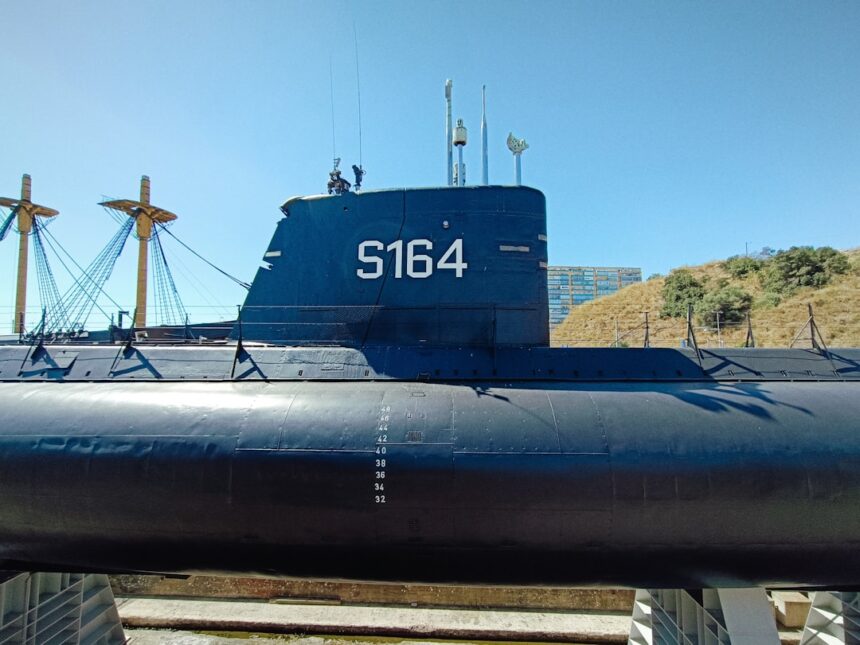
In March 1968, the Soviet Union’s K-129 submarine vanished without a trace in the vast expanse of the Pacific Ocean. This nuclear-powered vessel, part of the Soviet Navy’s fleet, was on a mission that remains shrouded in mystery. The K-129 was equipped with ballistic missiles and was a crucial component of the Soviet Union’s strategic deterrent during the Cold War.
Its disappearance raised alarms within the Soviet military and intelligence communities, prompting an extensive search operation. The loss of such a significant asset not only posed a threat to national security but also highlighted the vulnerabilities inherent in submarine operations. The circumstances surrounding the K-129’s disappearance were perplexing.
The submarine was last reported to be operating in an area known for its treacherous underwater terrain and unpredictable weather conditions. Speculation abounded regarding the cause of its disappearance, ranging from mechanical failure to hostile engagement. The Cold War context added layers of complexity to the situation, as both the United States and the Soviet Union were engaged in a tense arms race, with each side keenly aware of the potential implications of losing a nuclear submarine.
The mystery of the K-129 would soon evolve into one of the most intriguing naval enigmas of the era.
Key Takeaways
- The K-129 submarine disappeared under mysterious circumstances, prompting an extensive search effort.
- The submarine was eventually discovered, but the condition of the crew remains posed significant identification challenges.
- Efforts to identify the crew were crucial for honoring their memory and providing closure to families.
- Identifying the crew had a profound impact on historical records and international relations.
- Memorials and ongoing preservation efforts ensure the legacy of the K-129 submarine crew endures into the future.
The Search for the K-129 Submarine
In the wake of the K-129’s disappearance, an extensive search operation was launched by the Soviet Navy. Utilizing a combination of surface ships, aircraft, and submarines, the search efforts spanned thousands of square miles of ocean. Despite their best efforts, the search yielded no results, leading to frustration and concern among Soviet officials.
The vastness of the Pacific Ocean posed significant challenges, as did the limited technology available at the time for deep-sea exploration. The search for K-129 became a race against time, as each passing day diminished hopes of recovering the submarine and its crew. Simultaneously, the United States became aware of the situation through its own intelligence-gathering efforts.
The U.S. Navy monitored Soviet activities closely, and reports of the K-129’s disappearance prompted heightened vigilance. The U.S.
government recognized that if the submarine were to be recovered by Soviet forces, it could potentially provide critical insights into Soviet naval capabilities and technology. This realization led to covert operations aimed at locating and possibly recovering the submarine before it could be salvaged by its original owners.
The Discovery of the K-129 Submarine
After years of searching, it was not until 1974 that the K-129 was finally located on the ocean floor, approximately 1,500 miles northwest of Hawaii. The discovery was made by a U.S. Navy project known as Project Azorian, which aimed to recover the submarine and its contents.
S. Navy embarked on a daring mission to raise a portion of the submarine from its resting place on the seabed. This operation was shrouded in secrecy, as it had significant geopolitical implications.
The recovery effort was fraught with challenges, both technical and operational. The Hughes Glomar Explorer was equipped with advanced technology for deep-sea recovery, but lifting a sunken submarine from such depths was unprecedented. The operation required meticulous planning and execution to ensure that the submarine could be retrieved without causing further damage to its structure or contents.
Ultimately, in August 1974, a section of the K-129 was successfully brought to the surface, revealing not only parts of the submarine but also critical evidence regarding its fate.
The Condition of the Submarine Crew Remains
| Metric | Value | Unit | Notes |
|---|---|---|---|
| Number of Crew Members | 98 | persons | Total personnel onboard |
| Average Health Status | 75 | percent | Based on medical evaluations |
| Oxygen Levels | 21 | percent | Normal atmospheric oxygen concentration |
| CO2 Levels | 0.5 | percent | Within safe limits |
| Average Sleep Hours | 5.5 | hours/day | Below recommended 7-8 hours |
| Stress Level | High | – | Reported by psychological assessments |
| Incidents of Illness | 3 | cases | Minor respiratory infections |
| Physical Activity | 30 | minutes/day | Average exercise time per crew member |
Upon recovery, it became evident that the condition of the K-129’s crew remains was a matter of grave concern. The U.S. Navy discovered several bodies within the wreckage, which were later determined to be those of crew members who had perished when the submarine sank.
The state of these remains raised ethical questions about how to handle them respectfully and appropriately. The discovery underscored the human cost associated with military operations and highlighted the sacrifices made by those who serve in such perilous environments. The condition of the remains also sparked discussions about how to honor those who had lost their lives in service to their country.
While some advocated for a respectful burial at sea, others suggested that further investigation into their identities and circumstances should take precedence. The challenge lay in balancing respect for the deceased with the need for closure for their families and for historical record-keeping purposes.
The Efforts to Identify the Submarine Crew
Following the recovery of remains from K-129, efforts were initiated to identify the crew members who had perished in this tragic incident.
This process involved meticulous examination and comparison with existing records of crew members who had been aboard K-129 at the time of its disappearance.
The task was complicated by factors such as degradation over time and limited available data. In addition to forensic analysis, outreach efforts were made to families of crew members to gather DNA samples for comparison purposes. This approach aimed to provide definitive identification while also offering some measure of closure to grieving families who had long awaited news about their loved ones.
As these efforts progressed, they revealed not only individual identities but also stories of bravery and sacrifice that resonated deeply within both military circles and civilian communities.
The Challenges of Identifying the Submarine Crew
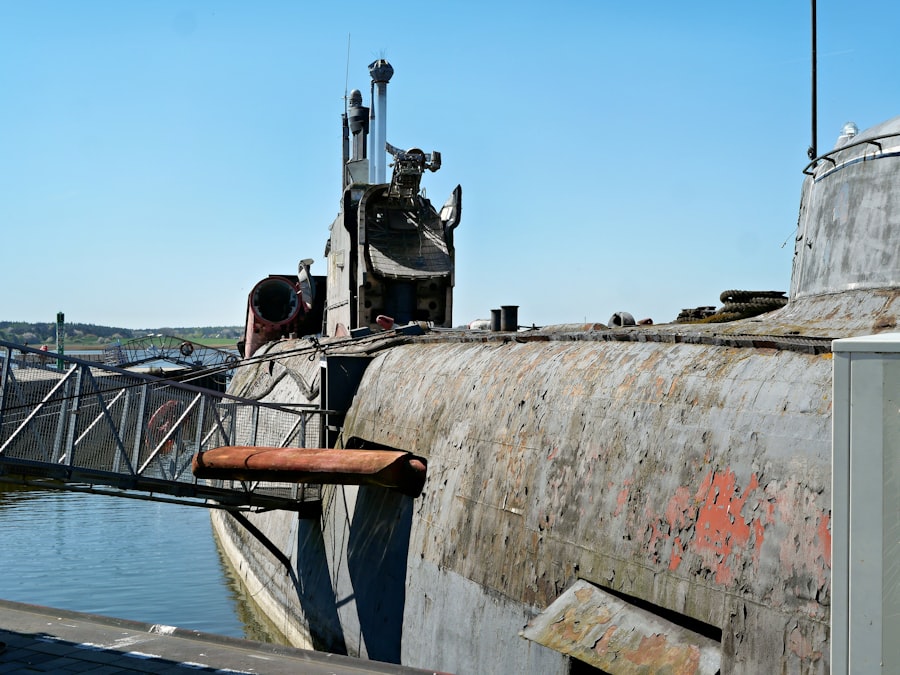
Identifying the crew members from K-129 proved to be an arduous task fraught with numerous challenges. One significant hurdle was the condition of the remains themselves; many had been subjected to harsh underwater conditions for years, leading to deterioration that complicated identification efforts. Additionally, discrepancies in record-keeping during that era made it difficult to ascertain precise information about each crew member’s physical characteristics or medical history.
Moreover, there were emotional challenges associated with this process. Families had lived with uncertainty for years, grappling with loss while holding onto hope for answers about their loved ones’ fates. As identification efforts progressed, they often faced mixed emotions—relief at finally receiving information but also sorrow at confirming their worst fears.
Navigating these emotional landscapes required sensitivity and compassion from those involved in the identification process.
The Importance of Identifying the Submarine Crew
The identification of K-129’s crew members held profound significance beyond mere closure for families; it represented an acknowledgment of their sacrifice and service. Each identified individual became more than just a statistic; they were recognized as human beings who had dedicated their lives to their country during a tumultuous period in history. This recognition served as a reminder of the personal costs associated with military endeavors and reinforced societal values surrounding honor and remembrance.
Furthermore, identifying these crew members contributed to historical understanding by providing insights into naval operations during the Cold War era. Each story uncovered through this process added depth to narratives surrounding military strategy and human experience within that context. By honoring these individuals’ legacies through identification efforts, society could better appreciate both their contributions and sacrifices.
The Impact of the Submarine Crew’s Identification
The impact of identifying K-129’s crew extended beyond individual families; it resonated throughout military communities and society at large. For families who received confirmation about their loved ones’ fates, there was a sense of closure that allowed them to begin healing from years of uncertainty and grief. This process facilitated conversations about loss within families and communities, fostering connections among those who shared similar experiences.
In military circles, recognizing these individuals served as a poignant reminder of service members’ sacrifices across generations. It prompted discussions about honoring fallen soldiers through memorials and commemorative events that celebrated their lives rather than solely focusing on their deaths. This shift in perspective contributed positively to collective memory surrounding military service while reinforcing values such as duty, honor, and respect.
The Memorialization of the Submarine Crew
In light of their sacrifices, memorialization efforts for K-129’s crew became essential components in honoring their legacy. Various initiatives emerged aimed at commemorating these individuals—ranging from dedicated memorials erected in their honor to annual remembrance ceremonies held by military organizations and communities alike. These acts served not only as tributes but also as opportunities for education about naval history and its complexities.
Memorialization efforts often included storytelling elements that highlighted each crew member’s unique contributions—sharing anecdotes about their lives before service or recounting moments that showcased their character during challenging times. By weaving together these narratives into memorial events or publications, society could ensure that these individuals would not be forgotten but rather celebrated for their bravery and commitment.
The Legacy of the K-129 Submarine Crew
The legacy left behind by K-129’s crew is multifaceted—encompassing themes of sacrifice, resilience, and dedication amidst adversity. Their story serves as a reminder that behind every military operation lies human lives filled with hopes, dreams, and aspirations cut short by unforeseen circumstances. This legacy extends beyond mere remembrance; it invites reflection on broader issues related to military service and its implications for families left behind.
Moreover, this legacy continues to influence contemporary discussions surrounding naval operations today—prompting considerations about safety protocols, technological advancements in submarine design, and ethical responsibilities toward service members’ well-being during missions at sea. By examining past events like those surrounding K-129 through an empathetic lens, society can strive toward creating safer environments for future generations while honoring those who came before them.
The Future of the K-129 Submarine Crew Remains
As time progresses, ongoing efforts will likely focus on preserving both physical remains associated with K-129 as well as memories tied to its crew members’ lives—ensuring that future generations understand their significance within history’s tapestry. Continued research into naval operations during this era may yield new insights into not only what transpired aboard K-129 but also how similar incidents can inform current practices within military contexts today. Additionally, advancements in technology may facilitate further exploration into underwater archaeology—potentially uncovering more details about K-129’s final moments or providing closure for families still seeking answers regarding their loved ones’ fates decades later.
Ultimately, honoring these individuals requires commitment from society at large—to remember them not just as fallen soldiers but as integral parts of our shared history deserving recognition long after they have passed from this world.
The discovery of the K-129 submarine crew remains has sparked significant interest in the history of naval operations during the Cold War. For a deeper understanding of the implications of this find, you can read more in the related article on the topic at this link. This article provides insights into the submarine’s mission and the broader context of its sinking, shedding light on the lives of the crew members who were lost.
WATCH THIS! The CIA’s Secret Mission to Recover a Nuclear Submarine: Project Azorian
FAQs
What was the K-129 submarine?
The K-129 was a Soviet Golf II-class ballistic missile submarine that sank in the Pacific Ocean in 1968 under mysterious circumstances.
When and how was the K-129 submarine lost?
The K-129 submarine was lost on March 8, 1968. The exact cause of the sinking remains unclear, but it is believed to have suffered a catastrophic accident while on patrol.
What efforts have been made to recover the K-129 submarine?
The United States conducted a secret recovery operation called Project Azorian in 1974, using the specially designed ship Hughes Glomar Explorer to attempt to recover parts of the submarine from the ocean floor.
Have any remains of the K-129 crew been recovered?
Yes, during Project Azorian, some remains believed to be of the K-129 crew were recovered, but the operation was only partially successful and many details remain classified.
Why is the K-129 submarine significant?
The K-129 submarine is significant due to its Cold War context, the mystery surrounding its sinking, and the secretive recovery efforts by the United States, which highlighted the intense espionage and military competition between the US and the Soviet Union.
Are there any memorials for the K-129 submarine crew?
There are memorials in Russia dedicated to the sailors who served on the K-129 submarine, honoring their service and sacrifice.
Is the exact location of the K-129 wreck known?
The K-129 wreck was located in the Pacific Ocean at a depth of about 16,500 feet (5,000 meters), but the precise coordinates have been kept confidential for security reasons.
What happened to the information gathered from the K-129 recovery?
Information and materials recovered during Project Azorian were analyzed by the US intelligence community to gain insights into Soviet submarine technology and capabilities during the Cold War.