The origins of CIA covert operations can be traced back to the tumultuous period following World War II, when the geopolitical landscape began to shift dramatically. The establishment of the Central Intelligence Agency in 1947 marked a pivotal moment in American intelligence history, as it was created in response to the growing threat of communism and the need for a centralized agency to conduct intelligence and counterintelligence activities. The onset of the Cold War, characterized by the ideological struggle between the United States and the Soviet Union, necessitated a new approach to foreign policy that included covert operations as a means of achieving national objectives without direct military confrontation.
As tensions escalated, the CIA found itself at the forefront of clandestine activities aimed at undermining communist influence around the globe. The agency’s early operations were often experimental, reflecting a trial-and-error approach to covert action. The CIA’s involvement in the 1953 coup in Iran, which overthrew Prime Minister Mohammad Mossadegh, exemplified this new strategy.
This operation not only set a precedent for future interventions but also highlighted the agency’s willingness to engage in covert actions that would shape the political landscape of entire nations. The success of such operations fueled a belief within the agency that covert action could be an effective tool for achieving U.S. foreign policy goals.
Key Takeaways
- The CIA initiated covert operations during the Cold War to counter Soviet influence globally.
- It played a key role in overthrowing foreign governments aligned with communism.
- The agency conducted propaganda and psychological warfare to shape public opinion and destabilize adversaries.
- Covert support was provided to anti-communist groups across Asia, Latin America, and Africa.
- Declassification of these operations has reshaped historical perspectives and raised ethical questions.
The Role of the CIA in Overthrowing Foreign Governments
The CIA’s role in overthrowing foreign governments became one of its most notorious functions during the Cold War. The agency engaged in numerous operations aimed at destabilizing regimes perceived as threats to U.S. interests or as potential allies of the Soviet Union.
These interventions were often justified under the guise of promoting democracy or protecting American security, but they frequently resulted in significant political upheaval and long-term consequences for the affected nations. One of the most notable examples of this was the CIA’s involvement in the 1954 coup in Guatemala, which ousted President Jacobo Árbenz. The agency orchestrated a campaign that included propaganda, psychological warfare, and direct support for rebel forces.
The coup not only removed a democratically elected leader but also set off decades of civil unrest and violence in Guatemala.
S.-Cuban animosity. These operations illustrated the agency’s willingness to intervene in foreign affairs, often with little regard for the potential ramifications on local populations.
CIA Involvement in Propaganda and Psychological Warfare
In addition to direct interventions, the CIA employed propaganda and psychological warfare as essential components of its covert operations during the Cold War. Recognizing that information could be a powerful weapon, the agency sought to influence public opinion both domestically and internationally. This involved disseminating disinformation, creating false narratives, and supporting media outlets that aligned with U.S.
interests. One significant initiative was Operation Mockingbird, which aimed to manipulate news media and promote pro-American sentiments around the world. The CIA cultivated relationships with journalists and media organizations, providing them with information that would shape public perception in favor of U.S.
policies. This manipulation extended beyond traditional media; it also included cultural initiatives such as art exhibitions and literary projects designed to promote American values and counteract communist ideology. By controlling narratives and shaping perceptions, the CIA sought to undermine adversaries while bolstering its own position on the global stage.
The CIA’s Secret Support for Anti-Communist Groups
| Year | Operation/Program | Region | Groups Supported | Type of Support | Estimated Impact |
|---|---|---|---|---|---|
| 1950s | Operation PBSUCCESS | Guatemala | Guatemalan Rebels | Covert funding, training, propaganda | Overthrew democratically elected government |
| 1960s | Operation CHAOS | Global (focus on Vietnam) | Anti-communist activists | Surveillance, infiltration | Disrupted communist sympathizers in US |
| 1970s | Support for Contras | Nicaragua | Contras (anti-Sandinista rebels) | Funding, arms supply, training | Prolonged civil conflict |
| 1980s | Operation Cyclone | Afghanistan | Mujahideen fighters | Arms, training, financial aid | Contributed to Soviet withdrawal |
| 1980s | Support for Solidarity | Poland | Solidarity trade union | Financial aid, communications equipment | Helped weaken communist control |
The CIA’s covert operations often included secret support for anti-communist groups around the world, reflecting its commitment to containing Soviet influence. This support took various forms, including financial assistance, training, and logistical support for insurgent movements and political factions opposed to communist regimes. The agency believed that by empowering these groups, it could create a buffer against communism and promote stability aligned with U.S.
interests. In Afghanistan during the late 1970s and early 1980s, for instance, the CIA provided substantial support to mujahideen fighters resisting the Soviet invasion. This assistance included weapons, training, and funding, which played a crucial role in sustaining their resistance efforts.
While this operation was initially seen as a success in curbing Soviet expansionism, it later had unintended consequences, contributing to a power vacuum that allowed extremist groups to flourish in the region. Similarly, in Nicaragua, the CIA supported the Contras in their fight against the Sandinista government, further entrenching U.S. involvement in Central America and leading to significant human rights abuses.
The CIA’s Involvement in Espionage and Intelligence Gathering
Espionage and intelligence gathering were fundamental aspects of the CIA’s mandate during the Cold War. The agency employed a range of methods to collect information on foreign governments, military capabilities, and potential threats to U.S. interests. This involved not only human intelligence (HUMINT) but also signals intelligence (SIGINT) and imagery intelligence (IMINT), utilizing advanced technology to monitor adversaries’ activities. The importance of espionage was underscored by events such as the Cuban Missile Crisis in 1962 when U.S. intelligence efforts revealed Soviet missile installations in Cuba. This critical information allowed President John F. Kennedy to make informed decisions during a tense standoff that brought the world to the brink of nuclear war. However, espionage also carried risks; miscalculations or reliance on faulty intelligence could lead to disastrous consequences, as seen in various instances throughout the Cold War where exaggerated threats were used to justify military actions or interventions.
The CIA’s Covert Operations in Asia during the Cold War
Asia was a focal point for many of the CIA’s covert operations during the Cold War, as various nations grappled with internal conflicts and external pressures from communist movements. The agency’s involvement ranged from supporting anti-communist regimes to engaging directly in military operations aimed at countering perceived threats. In Vietnam, for example, the CIA played a significant role in supporting South Vietnamese forces against the communist Viet Cong and North Vietnamese Army.
This included not only intelligence gathering but also direct involvement in covert operations such as Operation Phoenix, which aimed to eliminate suspected Viet Cong operatives through targeted assassinations and interrogations. While these efforts were intended to weaken communist influence, they often resulted in widespread violence and civilian casualties, raising ethical questions about the methods employed by U.S. forces.
In addition to Vietnam, the CIA was active in other parts of Asia, including Laos and Cambodia, where it supported anti-communist factions amid complex regional dynamics. These operations contributed to prolonged conflicts that destabilized entire nations and had lasting repercussions on regional security.
The CIA’s Covert Operations in Latin America during the Cold War
Latin America was another critical theater for CIA covert operations during the Cold War, as many countries experienced political upheaval and social unrest fueled by leftist movements. The agency’s interventions were often justified by a desire to prevent communist expansion but frequently resulted in significant human rights violations and long-term instability. The overthrow of Chilean President Salvador Allende in 1973 is one of the most infamous examples of CIA involvement in Latin America.
The agency supported efforts to destabilize Allende’s government through economic pressure and covert funding for opposition groups. When a military coup led by General Augusto Pinochet succeeded in ousting Allende, it ushered in a brutal regime characterized by widespread repression and human rights abuses. The legacy of this intervention continues to shape Chilean society today.
Similarly, in countries like Nicaragua and El Salvador, the CIA provided support for anti-communist forces engaged in violent conflicts against leftist governments or movements. These interventions often exacerbated existing tensions and led to protracted civil wars that claimed countless lives and left deep scars on affected societies.
The CIA’s Covert Operations in Africa during the Cold War
In Africa, the CIA’s covert operations were driven by a combination of anti-communism and strategic interests related to resources and geopolitical alliances. The agency engaged in various activities aimed at influencing political outcomes across the continent while countering Soviet influence. One notable operation occurred during Angola’s civil war in the 1970s when the CIA provided support to anti-communist factions fighting against Marxist forces backed by Cuba and the Soviet Union.
This involvement included financial assistance, weapons supplies, and training for rebel groups like UNITA (National Union for Total Independence of Angola). While these efforts were intended to prevent a communist takeover, they contributed to a protracted conflict that devastated Angola and resulted in significant loss of life. The CIA also intervened in other African nations such as Congo (now Democratic Republic of Congo), where it played a role in supporting anti-communist leaders like Mobutu Sese Seko while undermining leftist movements.
These actions often prioritized short-term strategic gains over long-term stability or democratic governance.
The Legacy of CIA Covert Operations during the Cold War
The legacy of CIA covert operations during the Cold War is complex and multifaceted, leaving an indelible mark on international relations and domestic politics alike. While some argue that these operations successfully contained communism and protected U.S. interests, others contend that they fostered resentment toward American interventionism and contributed to instability in various regions.
Many countries affected by CIA interventions continue to grapple with political turmoil and social divisions rooted in these historical events. For instance, Latin America has seen cycles of authoritarianism and civil conflict that can be traced back to U.S.
Similarly, conflicts fueled by Cold War-era interventions have left lasting scars on African nations struggling with governance challenges.
Moreover, revelations about human rights abuses associated with these covert operations have sparked debates about accountability and ethical considerations surrounding state-sponsored actions abroad. As historians continue to analyze this period, it becomes increasingly clear that understanding these legacies is essential for comprehending contemporary global dynamics.
The Ethical and Moral Implications of CIA Covert Operations
The ethical and moral implications of CIA covert operations during the Cold War remain contentious topics among scholars, policymakers, and human rights advocates alike. Critics argue that many of these actions violated fundamental principles of sovereignty and self-determination while causing immense suffering for civilian populations caught in conflict zones. The use of assassination programs, torture tactics during interrogations, and support for authoritarian regimes raises profound questions about accountability and moral responsibility within U.S.
foreign policy frameworks. Instances where innocent civilians were harmed or where democratic processes were undermined have led many to call for greater transparency regarding intelligence operations. Furthermore, discussions surrounding these ethical dilemmas highlight broader concerns about how national security interests can sometimes overshadow humanitarian considerations—a tension that continues to resonate today as governments navigate complex global challenges.
The Declassification of CIA Covert Operations and the Impact on Historical Understanding
The declassification of documents related to CIA covert operations has significantly impacted historical understanding of this period by shedding light on previously hidden activities and decision-making processes within U.S. intelligence agencies. As more information becomes available through Freedom of Information Act requests or congressional investigations, historians have gained valuable insights into how these operations were conceived and executed.
This increased transparency has allowed for more nuanced analyses of specific events while also prompting public discourse about accountability for past actions taken by government agencies. As scholars continue to examine newly declassified materials—such as those related to Operation Condor or interventions in Latin America—they are better equipped to contextualize these events within broader geopolitical frameworks. Ultimately, declassification serves not only as a means of historical inquiry but also as an opportunity for societies grappling with their pasts—encouraging reflection on lessons learned from Cold War-era interventions while informing contemporary discussions about ethics in foreign policy decision-making.
During the Cold War, the CIA engaged in numerous covert operations aimed at countering the influence of the Soviet Union around the globe. These operations often involved espionage, propaganda, and support for anti-communist movements. For a deeper understanding of the complexities and implications of these covert actions, you can read more in the article available at In the War Room. This resource provides valuable insights into the strategies employed by the CIA during this tense period in history.
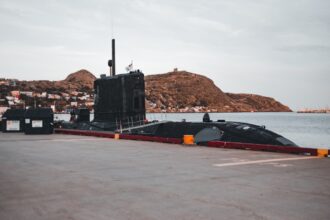
WATCH THIS! The CIA’s Secret Mission to Recover a Nuclear Submarine: Project Azorian
FAQs
What were CIA covert operations during the Cold War?
CIA covert operations during the Cold War were secret missions conducted by the Central Intelligence Agency aimed at influencing political, military, or economic conditions in other countries without direct military involvement. These operations included espionage, propaganda, sabotage, and support for friendly governments or insurgent groups.
Why did the CIA conduct covert operations during the Cold War?
The CIA conducted covert operations to counter the influence of the Soviet Union and its allies, prevent the spread of communism, and protect U.S. national security interests. These operations were intended to achieve strategic objectives without escalating into open conflict.
Can you name some notable CIA covert operations during the Cold War?
Notable CIA covert operations during the Cold War include the 1953 Iranian coup d’état (Operation Ajax), the 1954 Guatemalan coup d’état (Operation PBSUCCESS), support for anti-communist forces in Vietnam, and various espionage activities in Eastern Europe and the Soviet Union.
How did the CIA’s covert operations impact international relations during the Cold War?
CIA covert operations often heightened tensions between the United States and the Soviet Union, sometimes leading to diplomatic crises. While some operations successfully advanced U.S. interests, others caused long-term instability and resentment in targeted countries.
Were CIA covert operations legal under U.S. law during the Cold War?
CIA covert operations were authorized under U.S. law, typically requiring presidential approval and oversight by congressional intelligence committees. However, some operations were controversial and raised ethical and legal questions about sovereignty and human rights.
How did the Cold War end affect CIA covert operations?
The end of the Cold War in the early 1990s led to a reduction in large-scale covert operations focused on the Soviet Union. The CIA shifted its focus to new threats such as terrorism, regional conflicts, and proliferation of weapons of mass destruction.
Are details about CIA covert operations during the Cold War publicly available?
Many details about CIA covert operations remain classified, but some information has been declassified over time through government releases, investigations, and historical research. Public knowledge is often based on official documents, memoirs, and scholarly analysis.