The roar of jet engines is a familiar sound in the world of aviation, but for certain missions, a little extra oomph is required. When military or humanitarian operations demand rapid deployment from constrained environments, the humble C-130 Hercules, a workhorse of air transport, can find itself at the mercy of short or unimproved runways. These limitations can significantly hamper its ability to achieve takeoff, potentially delaying critical missions or even rendering them impossible. However, a time-tested and potent solution exists: rocket-assisted takeoff, often referred to as JATO (Jet-Assisted Takeoff) or RATO (Rocket-Assisted Takeoff). This ingenious application of auxiliary rocket motors dramatically enhances the C-130’s performance on short runways, transforming a challenging departure into a routine operation. The principle is elegantly simple: more thrust at the crucial takeoff phase means a shorter ground roll and a steeper climb, allowing the aircraft to clear obstacles and gain altitude much more effectively. This article delves into the mechanics of rocket-assisted takeoff for the C-130, exploring its history, the underlying physics, the operational considerations, the specific benefits it confers, and the potential future evolution of such systems.
The Physics Behind the Push: Understanding Rocket-Assisted Takeoff
Rocket-assisted takeoff is not a magical enhancement; it is a direct application of fundamental Newtonian physics. The core principle is the generation of additional thrust, the force that propels an aircraft forward, far exceeding what the aircraft’s own engines can produce during the initial stages of takeoff. Newton’s Third Law of Motion, “for every action, there is an equal and opposite reaction,” is the bedrock of this technology. Rocket motors expel a mass of high-velocity exhaust gases in one direction, generating an equal and opposite force that pushes the aircraft in the desired direction – forward, in this case.
The Role of Thrust and Drag in Takeoff
During a conventional takeoff, an aircraft accelerates down the runway by generating forward thrust from its engines. This thrust must overcome two primary forces opposing its motion: drag and rolling resistance. Drag, a form of air resistance, increases with the square of the aircraft’s velocity. Rolling resistance, the friction between the tires and the runway surface, is relatively constant. As the aircraft accelerates, its speed increases, and so does the drag. Eventually, the lift generated by the wings, which also increases with airspeed, becomes sufficient to overcome the aircraft’s weight, allowing it to leave the ground.
How Rockets Augment Standard Engine Thrust
In a rocket-assisted takeoff, the standard engines of the C-130 continue to operate at their maximum power setting. Simultaneously, specially designed solid-fuel rocket motors are ignited. These motors, typically mounted externally on the fuselage or wings, burn a propellant that produces a large volume of hot gas. This gas is expelled at extremely high velocity through a nozzle, creating a significant thrust impulse. This additional thrust directly contributes to the aircraft’s acceleration, effectively reducing the time and distance required to reach takeoff speed. The rockets are designed to burn for a relatively short period, usually between five and twenty seconds, providing their maximum thrust during the critical initial phase of the takeoff roll when aerodynamic forces are minimal and engine thrust is being most challenged by drag and weight.
The Advantage of Increased Acceleration
The impact of this added thrust is profound. By increasing the net forward force (thrust minus drag and rolling resistance), the aircraft accelerates much more rapidly. This rapid acceleration has several direct consequences. Firstly, it allows the C-130 to reach its takeoff speed (Vr) in a shorter distance. Secondly, it means the aircraft can achieve this speed while still at a lower gross weight, as the rockets are typically employed when the aircraft is at or near its maximum takeoff weight. This is particularly crucial for operations from short runways where every meter of ground roll counts. The steeper climb angle achievable after liftoff is another direct benefit, allowing the aircraft to clear obstacles with greater margin.
In recent discussions about enhancing military aircraft performance, the article on rocket-assisted takeoff for the C-130 has garnered significant attention. This innovative approach aims to improve the aircraft’s ability to operate in challenging environments, particularly where runway length is limited. For more insights on this topic and its implications for military operations, you can read the full article at In the War Room.
Historical Roots and Evolution of Rocket Assistance

The concept of using rockets to aid aircraft takeoff is not a new one; its origins are deeply intertwined with the demands of military aviation and the development of powerful propulsive technologies. The principle was recognized and experimented with long before the advent of the C-130.
Early Experiments and World War II Applications
The initial development of rocket-assisted takeoff can be traced back to the interwar period, with significant advancements occurring during World War II. Faced with the need to launch aircraft from aircraft carriers with limited deck space and from hastily constructed airfields, engineers explored various methods to increase takeoff performance. British and American forces extensively used rocket motors, often referred to as “JATO bottles,” for this purpose. These were particularly vital for launching heavier aircraft, including bombers, from smaller carriers or from land-based airfields with adverse conditions. The technology proved its worth in numerous operational scenarios, demonstrating the viability of augmenting engine thrust with a short burst of rocket power.
The C-130’s Early Adoption and Legacy
The Lockheed C-130 Hercules, first flown in 1954, was designed from its inception with versatility in mind, including operations from unprepared surfaces. While its four turboprop engines provide substantial thrust, the inherent limitations of short or unimproved runways remained a factor. The military doctrine that emerged for the C-130 often included the capability for rocket-assisted takeoff. This allowed the aircraft to be deployed to forward operating bases with minimal infrastructure, a critical requirement during periods of conflict. The iconic image of a C-130 with JATO bottles mounted on its sides became a symbol of its robust capabilities in austere environments. Over the decades, while the fundamental principle of rocket assistance remained, the specific rocket motors and their integration have seen refinements in terms of reliability, safety, and performance.
Continuous Refinement and Modernization
While the core technology has been around for a long time, there have been ongoing efforts to refine and modernize rocket-assisted takeoff systems. This includes advancements in propellant technology for more efficient and controlled burns, improved aerodynamic integration of the rocket pods to minimize drag when not in use, and enhanced safety features. Furthermore, advancements in aircraft design and engine technology have sometimes reduced the reliance on RATO for routine operations. However, for specific mission profiles and in extreme operational environments, the capability for rocket-assisted takeoff continues to be a vital asset, ensuring the C-130 can fulfill its demanding role.
Operational Considerations and Deployment Scenarios

The decision to employ rocket-assisted takeoff for a C-130 is not made lightly. It involves a complex interplay of mission requirements, environmental conditions, aircraft configuration, and pilot expertise. The operational considerations are multifaceted, ensuring that the benefits of RATO are maximized while potential risks are mitigated.
Factors Influencing the Decision to Use RATO
Several key factors contribute to the decision to utilize rocket-assisted takeoff. The most prominent is the length and condition of the runway. Short runways, typically less than 4,000 feet, often necessitate RATO, especially when the aircraft is operating at or near its maximum takeoff weight. The performance characteristics of the runway are also critical: its surface (paved, gravel, grass), gradient, and the presence of any obstructions at the departure end all play a role.
Weather conditions are another significant consideration. High ambient temperatures can reduce engine performance, making RATO a valuable tool to compensate for decreased thrust. Strong headwinds can aid takeoff, but in their absence or with tailwinds, RATO becomes more important. The aircraft’s gross weight is paramount; heavier loads increase the takeoff distance required. Finally, the urgency of the mission and the need for rapid deployment can override other considerations, making RATO a standard procedure for certain operations.
The Integration of Rocket Pods on the C-130
The integration of rocket pods onto the C-130 is a well-defined process. These pods, typically carrying multiple solid-fuel rocket motors, are usually mounted externally on the lower rear fuselage, often on a reinforced pylon structure. For some configurations, they have also been mounted on the wingtips or under the wings. The number of rockets used can vary depending on the required thrust augmentation and the specific mission profile. Typically, between two and four pods, each containing multiple rockets, might be employed.
The process involves securely attaching the pods to the aircraft structure. Electrical connections are made from the cockpit to the rocket ignition system, allowing the flight crew to initiate the rocket burn sequence. During the takeoff roll, once the main engines are at full power and the aircraft has achieved a certain speed, the pilot will activate the rockets from the cockpit. The ignition is typically sequential or a simultaneous salvo, depending on the system and desired thrust profile.
Specific Mission Profiles Benefiting from RATO
Rocket-assisted takeoff is particularly beneficial for specific mission profiles where operating from austere environments is a necessity. These include:
- Tactical Airlift: Delivering troops, equipment, and supplies to forward operating bases in conflict zones, often characterized by short, unimproved, or damaged runways. The ability to land and then take off quickly and safely from these locations is critical for maintaining the logistical flow.
- Humanitarian Aid and Disaster Relief: Rapid deployment of aid, personnel, and equipment to regions affected by natural disasters. Such areas may have limited or damaged infrastructure, making RATO essential for the C-130 to reach affected populations.
- Special Operations Missions: Insertion and extraction of special forces teams into remote or contested areas where traditional airfields may not be available or secure.
- Emergency Evacuations: Rapidly evacuating personnel or crucial assets from compromised locations.
In these scenarios, the C-130’s ability to operate with RATO significantly expands its operational envelope, allowing it to reach places other aircraft cannot.
The Tangible Advantages: Performance Gains and Mission Enablement
The application of rocket-assisted takeoff to the C-130 Hercules yields a spectrum of tangible advantages, directly impacting its operational capabilities and mission effectiveness. These benefits are primarily rooted in enhanced performance characteristics that are crucial in challenging operational environments.
Reduced Takeoff Distance and Increased Safety Margins
The most immediate and significant advantage of RATO is the drastic reduction in the takeoff ground roll. By adding a substantial amount of thrust during the initial acceleration phase, the C-130 can reach its takeoff speed in a significantly shorter distance. This directly translates to increased safety margins, especially when operating from runways at or near their minimum operational length. The ability to lift off sooner allows the aircraft to clear potential obstacles at the departure end of the runway with greater altitude and a more favorable climb gradient. This is paramount in mountainous terrain or built-up areas where approach and departure paths can be constrained.
Enhanced Climb Performance and Obstacle Clearance
Beyond reducing the initial ground roll, RATO also improves the aircraft’s climb performance immediately after liftoff. The increased airspeed achieved during the accelerated takeoff roll, combined with the continued thrust from the main engines and the diminishing thrust from the now-expended rockets, allows for a steeper and more rapid initial climb rate. This enhanced climb performance is critical for clearing terrain, structures, or other obstructions that might be present in the vicinity of the airfield. For missions operating into or out of valleys or areas with significant vertical terrain, this capability is not just advantageous, it is often mission-essential.
Operating at Higher Gross Weights
A crucial benefit of RATO is its ability to facilitate takeoffs at higher gross weights. Without RATO, a C-130 operating from a short runway might be severely limited in the amount of payload it could carry. By providing the necessary extra thrust, RATO effectively increases the allowable takeoff weight for a given runway length. This means that the aircraft can transport more troops, more equipment, or more vital supplies, directly enhancing the mission’s overall effectiveness and impact. This is particularly important in logistical operations where maximizing the cargo capacity is a primary objective.
Expanding Operational Reach and Accessibility
Ultimately, the primary advantage of rocket-assisted takeoff for the C-130 is the expansion of its operational reach and the accessibility it provides to otherwise unreachable locations. It transforms the C-130 from a highly capable transport aircraft into an even more versatile platform, capable of operating from a wider array of airfields, including those that are less developed or more remote. This capability is fundamental to rapid global power projection, humanitarian relief efforts, and disaster response operations, allowing vital resources and personnel to be delivered precisely where and when they are needed most, regardless of the existing infrastructure.
Rocket-assisted takeoff systems have become a pivotal topic in enhancing the performance of military aircraft, particularly the C-130. This innovative technology allows for shorter takeoff distances, which is crucial in combat scenarios where every second counts. For those interested in exploring this subject further, a related article can be found that delves into the intricacies of such systems and their applications in modern aviation. You can read more about it in this insightful piece on rocket-assisted takeoff.
Future Directions and Technological Evolution
| Parameter | Value | Unit | Notes |
|---|---|---|---|
| Aircraft Model | C-130 Hercules | Lockheed C-130 | |
| Rocket Assist Type | JATO (Jet-Assisted Take-Off) | Rocket boosters attached to aircraft | |
| Number of JATO Rockets | 4 | units | Typical configuration for C-130 |
| Thrust per Rocket | 1,000 | lbf (pounds-force) | Approximate thrust per JATO unit |
| Total Additional Thrust | 4,000 | lbf | Combined thrust from all rockets |
| Takeoff Distance Reduction | 30-50 | % | Reduction in runway length required |
| Typical Takeoff Distance Without JATO | 3,000 | ft | Runway length required for normal takeoff |
| Typical Takeoff Distance With JATO | 1,500-2,100 | ft | Runway length required with rocket assist |
| Weight Increase Due to JATO | 500 | lbs | Approximate added weight of rockets and equipment |
| Duration of Rocket Burn | 12-15 | seconds | Time rockets provide thrust during takeoff |
While rocket-assisted takeoff for the C-130 is a mature technology, the pursuit of enhanced aviation capabilities is a continuous process. Future directions for such systems are likely to focus on improving efficiency, safety, environmental impact, and adaptability. The lessons learned from decades of RATO deployment are being integrated into the development of next-generation solutions.
Advancements in Rocket Propellant Technology
The core of rocket assistance lies in its propellant. Future developments in solid rocket propellants could lead to motors that offer higher specific impulse (a measure of efficiency, indicating how much thrust is generated per unit of propellant consumed) or more precisely controllable burn rates. This could allow for more tailored thrust profiles, optimizing the performance for specific takeoff conditions. Furthermore, research into environmentally friendlier propellants that produce fewer harmful byproducts during combustion is an ongoing area of interest, aiming to reduce the environmental footprint of RATO operations.
Integration with Advanced Aircraft Systems
The integration of RATO systems with advanced aircraft avionics and flight control systems holds significant potential. Future systems could be more sophisticated in their ability to automatically calculate the optimal thrust required based on real-time data such as runway conditions, ambient temperature, wind, and aircraft weight. This could lead to more precise deployment of rocket thrust, maximizing efficiency and safety. Integration with automated takeoff systems could also reduce pilot workload in critical situations.
Electrification and Hybrid Propulsion Concepts
The broader trend towards electrification and hybrid propulsion in aviation also presents potential avenues for future takeoff augmentation. While not strictly “rocket” assistance, the concept of supplementing main engine power with electrical or hybrid systems during takeoff could offer similar benefits of increased thrust for short durations. This could involve advanced electric ducted fans or hybrid-electric powertrains integrated into the aircraft’s design, offering a more sustainable and potentially more controllable alternative to traditional rocket motors. However, the energy density challenges of current battery technology make such solutions more complex for heavy-lift aircraft like the C-130 in the immediate future.
Enhanced Safety and Reliability Features
Continuous improvement in safety and reliability is a perpetual goal in aviation. Future RATO systems will likely incorporate more advanced diagnostic capabilities, allowing for pre-flight checks and in-flight monitoring of the rocket motors and their associated systems. Redundant ignition systems and fail-safe mechanisms will continue to be refined to ensure that the rockets only deploy when intended and function as expected. The development of modular and easily replaceable rocket cartridges could also streamline maintenance and turnaround times. The ongoing commitment to rigorous testing and certification processes will remain paramount in ensuring the continued safe and effective use of rocket-assisted takeoff for the C-130 and its successors.
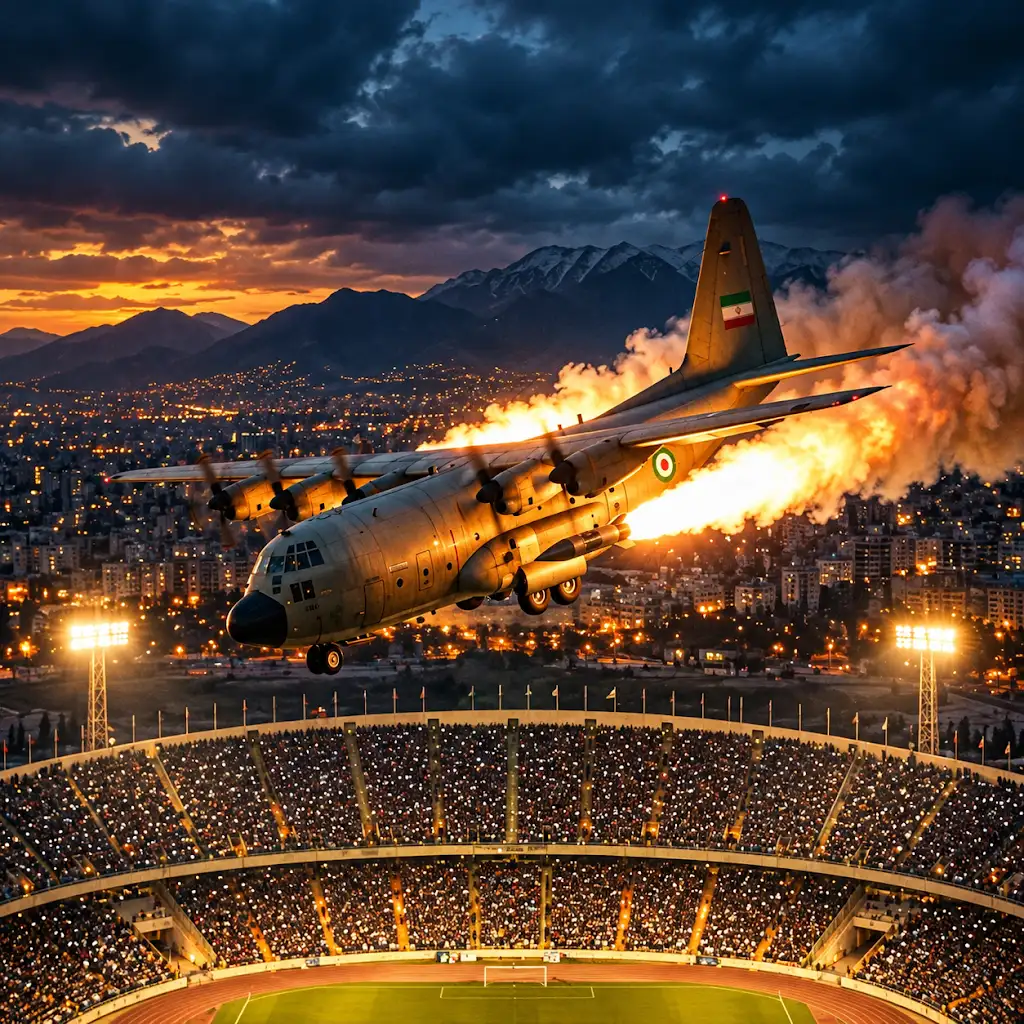
The Secret Plane Built to Land Inside a Stadium
FAQs
1. How does a rocket-assisted C-130 take off work?
A rocket-assisted C-130 take off involves attaching rocket boosters to the aircraft to provide additional thrust during takeoff. These boosters help the plane achieve a shorter takeoff distance and lift off more quickly.
2. What are the benefits of using rocket assistance for a C-130 take off?
The main benefit of using rocket assistance for a C-130 take off is the ability to operate from shorter runways or in situations where a quick takeoff is necessary. This can be crucial for military operations or in emergency situations.
3. Are rocket-assisted takeoffs commonly used for C-130 aircraft?
Rocket-assisted takeoffs are not commonly used for C-130 aircraft in regular operations. They are typically reserved for specific scenarios where the extra thrust provided by the rockets is needed to ensure a successful takeoff.
4. How do the rocket boosters affect the performance of a C-130 during takeoff?
The rocket boosters significantly improve the performance of a C-130 during takeoff by reducing the required takeoff distance, increasing the rate of climb, and enhancing the overall maneuverability of the aircraft during this critical phase of flight.
5. Are there any safety considerations to take into account when using rocket assistance for a C-130 take off?
When using rocket assistance for a C-130 take off, safety considerations include ensuring proper installation and functioning of the rocket boosters, calculating the correct amount of thrust needed, and conducting thorough pre-flight checks to minimize risks associated with the additional propulsion system.