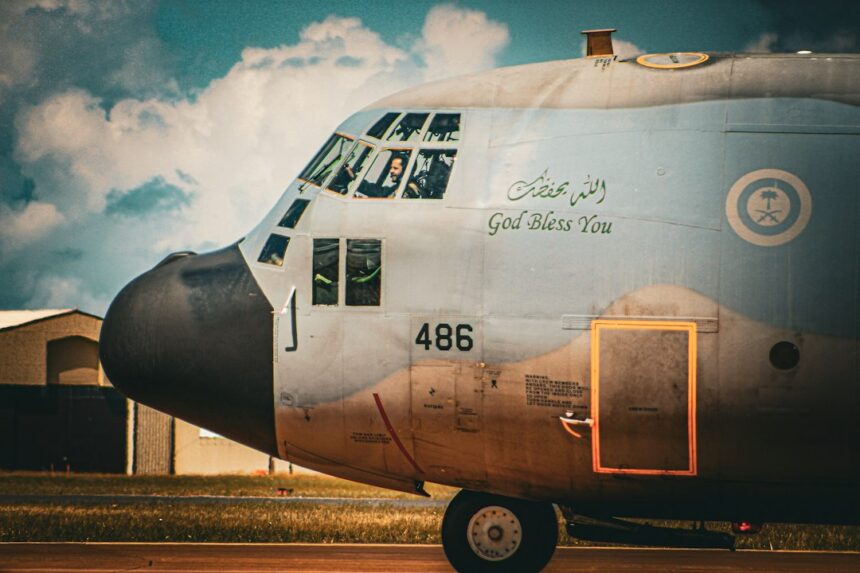
The venerable C-130 Hercules, a titan of tactical airlift for over six decades, has been the backbone of aerial logistics and support for countless military and humanitarian missions worldwide. Its robust design, versatility, and proven track record have cemented its status as an indispensable asset. However, in the ever-evolving landscape of modern warfare and operational demands, even the most capable platforms require enhancements to remain at the forefront of effectiveness. Enter the XFC 130H Rocket, a transformative upgrade designed to significantly augment the C-130H’s inherent strengths, pushing the boundaries of its operational envelope and introducing capabilities previously unimaginable for this iconic aircraft. This article delves into the multifaceted enhancements brought about by the XFC 130H Rocket program, exploring its impact on performance, payload, operational flexibility, and its strategic implications for future air mobility.
Unveiling the XFC 130H Rocket: A Synergistic Power Upgrade
The XFC 130H Rocket represents a paradigm shift in how the C-130H can execute its missions. It is not merely an incremental improvement but a fundamental rethinking of the aircraft’s propulsion and thrust capabilities. At its core, the XFC 130H Rocket integrates a cutting-edge rocket propulsion system alongside the C-130H’s existing turboprop engines. This synergistic approach aims to provide a significant boost in thrust, particularly during critical phases of flight such as takeoff, climb, and landing, while also offering new operational modes. The development of this system is rooted in a deep understanding of the C-130H’s operational limitations and the strategic imperatives driving the need for enhanced performance. The integration is meticulously engineered to ensure compatibility with existing airframes, minimize structural modifications where possible, and maintain the aircraft’s renowned safety standards. The program’s objectives extend beyond simple power augmentation; they encompass a holistic approach to improving the aircraft’s overall effectiveness in challenging operational environments.
The Technological Underpinnings of the XFC 130H Rocket System
The heart of the XFC 130H Rocket lies in its advanced rocket motor technology. Developed through extensive research and development, these motors are designed for reliability, rapid deployment, and controllable thrust. Unlike traditional rocket systems, the XFC 130H Rocket incorporates features for precise thrust modulation, allowing pilots to manage the additional power effectively. This includes sophisticated ignition sequences, fuel flow control, and integrated safety interlocks. The propellant selection is a critical factor, balancing performance characteristics with considerations for storage, handling, and environmental impact. Advanced composite materials are employed in the construction of the rocket casings and nozzles, contributing to a lighter weight and enhanced structural integrity, crucial for an aircraft already operating near its weight limits. Furthermore, the system is designed with modularity in mind, facilitating maintenance and replacement of individual rocket units.
Advanced Rocket Motor Design and Propellant Technology
The rocket motors themselves are a testament to modern aerospace engineering. They are typically designed as self-contained units that can be easily attached to the C-130H airframe, likely in specialized hardpoints. The internal combustion process is optimized for high thrust generation, producing a significant force multiplier. The propellant is a carefully formulated mixture, often a solid or hybrid fuel, chosen for its high energy density and stable burning characteristics. Safety features are paramount, including redundant ignition systems and robust casing designs to prevent catastrophic failure. The control system for the rocket motors is fully integrated into the aircraft’s cockpit, providing pilots with intuitive controls and real-time performance monitoring. This allows for precise application of rocket thrust only when and where it is needed, optimizing fuel efficiency and performance. The design also considers the potential for variable thrust levels, enabling a range of operational profiles.
Integration with Existing C-130H Systems
The seamless integration of the XFC 130H Rocket system with the C-130H’s existing avionics, flight control, and airframe structure is a monumental engineering feat. The system requires advanced computational power to manage the combined thrust from turboprops and rockets, ensuring aerodynamic stability and pilot control. This involves sophisticated algorithms that constantly monitor engine parameters, aircraft speed, altitude, and atmospheric conditions to deliver the optimal thrust profile. The electrical and hydraulic systems of the C-130H are also augmented to support the demands of the rocket system, including power for ignition and control, as well as hydraulic pressure for actuation if required. The physical integration of the rocket pods onto the wings or fuselage is carefully planned to minimize aerodynamic drag when not in use, and to ensure structural integrity during powered flight. Load distribution analyses are extensive to ensure the airframe can withstand the significant forces generated by the rockets.
The XFC 130H rocket, designed for enhanced performance and versatility, has garnered attention in the aerospace community, particularly in relation to its integration with the C-130 aircraft. For a deeper understanding of the advancements in military aviation and the role of the C-130 in modern operations, you can read a related article that explores these developments in detail. Check it out here: related article.
Revolutionizing Takeoff and Landing Performance
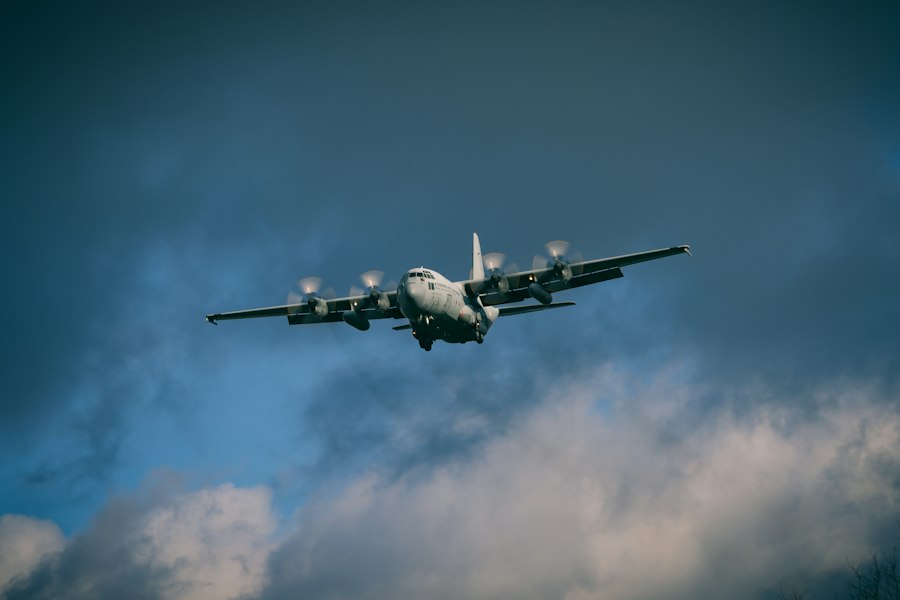
One of the most significant and immediately apparent benefits of the XFC 130H Rocket system is its profound impact on the C-130H’s takeoff and landing capabilities. The ability to generate substantial additional thrust during these critical phases of flight opens up new operational paradigms, enabling the aircraft to operate from shorter, less prepared airfields than ever before. This dramatically expands the range of accessible locations for mission deployment and evacuation, a crucial advantage in contested or underdeveloped environments. The reduction in ground roll during takeoff and the shorter stopping distances during landing translate directly into enhanced operational flexibility and survivability.
Reduced Takeoff Roll and Increased Gross Weight Capability
The application of rocket thrust during takeoff significantly reduces the distance required for the C-130H to achieve flying speed. This allows for operations from austere airfields that previously would have been inaccessible due to length constraints. Furthermore, the enhanced thrust-to-weight ratio provided by the rockets allows for an increase in the aircraft’s maximum takeoff gross weight. This means the C-130H can carry more fuel, more cargo, or a combination thereof, thereby extending its operational range and payload capacity for missions originating from these shorter runways. The ability to take off at a higher gross weight with a reduced runway requirement is a game-changer for logistics and force projection into challenging terrains.
Enhanced Short Takeoff and Landing (STOL) Operations
The XFC 130H Rocket system fundamentally enhances the C-130H’s Short Takeoff and Landing (STOL) capabilities. By providing a burst of thrust precisely when it is most needed – during the initial acceleration phase of takeoff – the aircraft can overcome its inertia and reach flying speed in a fraction of the distance. This opens up a world of possibilities for accessing forward operating bases, delivering critical supplies to remote locations, and performing rapid troop deployments. The ability to operate from unimproved surfaces, such as dirt or gravel strips, is also significantly improved due to the increased power available for acceleration and the reduced need for a long, smooth runway. The pilot’s control over the rocket thrust allows for fine-tuning of the takeoff run, ensuring a safe and efficient departure.
Increased Payload and Range from Austere Airfields
The ability to take off at a higher gross weight, combined with the reduced runway requirement, directly translates into increased payload and range capabilities when operating from austere airfields. This means that the C-130H equipped with the XFC 130H Rocket can deliver a greater volume of humanitarian aid, more personnel, or heavier equipment to remote or disaster-stricken areas. Similarly, the extended range capability allows for missions to be flown to locations that were previously outside the aircraft’s operational reach. This is particularly relevant for humanitarian missions where rapid deployment of resources is critical, and for military operations where the ability to access forward staging areas is paramount. The strategic implications of being able to deliver more with greater flexibility are profound.
Improved Landing Performance and Survivability
During landing, the XFC 130H Rocket can be employed to provide additional deceleration, reducing the landing roll distance. This is particularly beneficial when operating into short or obstructed landing zones, or when facing adverse weather conditions. The ability to stop more quickly enhances the aircraft’s survivability by reducing its exposure time on the ground. It also allows for more rapid turnarounds, increasing the overall operational tempo. The integration of thrust vectoring, if incorporated into the rocket system, could further enhance controllability during landing.
Shorter Landing Roll and Braking Assistance
The rocket system can assist with braking during landing by providing a reverse thrust capability or by augmenting the aerodynamic braking forces. This allows the C-130H to decelerate more rapidly after touchdown, reducing the distance required to come to a complete stop. This is invaluable when operating into landing zones with limited stopping distance or when facing unexpected obstacles. The pilot can engage the rocket thrust as needed to supplement conventional braking, providing an added layer of safety and operational flexibility. This capability is especially important in combat scenarios where rapid egress from the landing zone is critical.
Enhanced Survivability in High-Threat Environments
The ability to perform shorter takeoffs and landings, and to decelerate more quickly, directly contributes to the C-130H’s survivability in high-threat environments. Reduced time spent on the ground during takeoff and landing significantly minimizes exposure to enemy fire. Furthermore, the capability to operate from shorter, less conventional landing zones allows for access to more dispersed and concealed locations, making the aircraft less predictable and more difficult to target. The XFC 130H Rocket effectively transforms the C-130H into a more agile and resilient platform, capable of operating more safely in contested airspace.
Expanding Operational Envelope and Mission Versatility
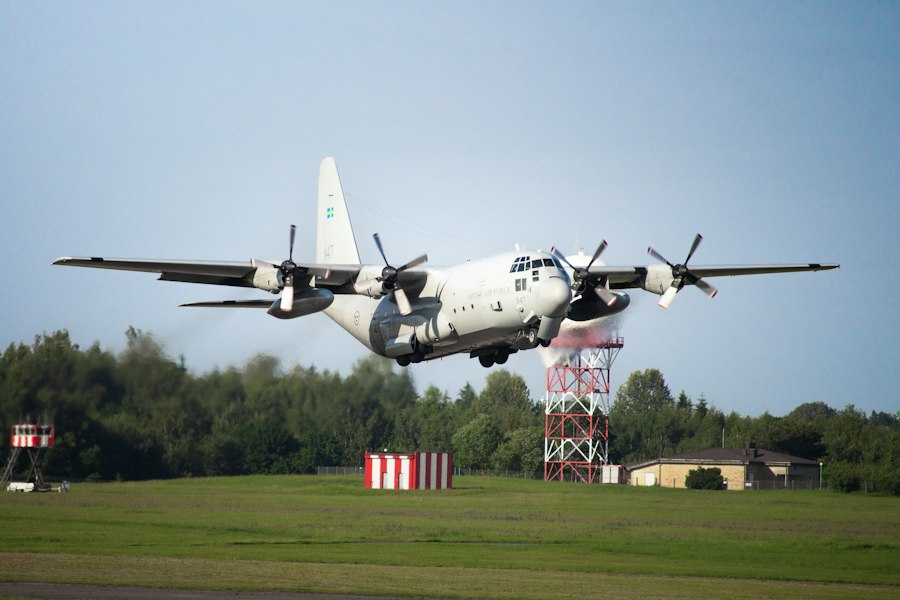
The XFC 130H Rocket system is not solely about enhancing existing capabilities; it fundamentally expands the operational envelope and mission versatility of the C-130H. This means the aircraft can now perform a wider array of tasks and operate in scenarios that were previously beyond its scope. The introduction of new operational modes and the ability to tackle more challenging environments open up exciting possibilities for how the C-130H can be utilized in both military and humanitarian contexts. The enhanced performance translates into a more adaptable and capable aerial asset.
New Operational Modes and Capabilities
The integration of the rocket system allows for the development of novel operational modes. For example, the C-130H could potentially be utilized for rapid aerial deployment of specific payloads, such as cargo drops or even personnel extraction, in ways that were not previously feasible. The controlled thrust from the rockets could enable unique maneuverability characteristics, allowing for precise positioning or rapid altitude changes. The system’s flexibility means that it can be tailored to a variety of mission profiles, from tactical supply runs to specialized reconnaissance or even limited combat support roles.
Rapid Aerial Deployment and Payload Delivery
The XFC 130H Rocket can facilitate rapid aerial deployment of critical payloads. Imagine a scenario where a C-130H needs to deliver a vital piece of equipment or emergency supplies to a location that is difficult to reach by conventional means. The rocket boost could allow for a steep ascent and a more precise, lower-altitude drop, ensuring the payload reaches its intended target with minimal risk of deviation. This could also extend to personnel deployment, enabling rapid insertion of special forces or first responders into challenging terrain with a reduced landing footprint. The system’s controllability is key to achieving this level of precision.
Enhanced Maneuverability and Altitude Control
While the C-130H is not designed for aggressive maneuvering, the addition of controllable rocket thrust could introduce new levels of maneuverability, particularly during the critical takeoff and landing phases. This could allow for improved obstacle clearance on takeoff or more precise alignment with landing zones. In certain scenarios, the rocket system might even enable controlled descent profiles or rapid altitude changes for tactical advantage or evasion. The precise control afforded by the rocket system’s integration with the flight controls is crucial for exploiting these enhanced maneuverability options safely.
Applications in Diverse Operational Environments
The expanded capabilities of the XFC 130H Rocket directly translate into its applicability in a much wider range of operational environments. From the extreme cold of polar regions to the high altitudes of mountainous terrains, and from unprepared desert strips to dense jungle clearings, the C-130H can now operate with greater confidence and effectiveness. This is crucial for supporting global operations, responding to natural disasters, and projecting power into areas that were previously considered inaccessible.
Operating in High-Altitude and Extreme Temperature Conditions
High-altitude operations present a significant challenge for all aircraft due to reduced air density, which impacts engine performance and aerodynamic lift. Similarly, extreme temperatures can affect engine efficiency and structural integrity. The XFC 130H Rocket system, with its independent thrust generation capability, can help compensate for these environmental challenges. The rocket motors can provide the necessary power boost to overcome the reduced performance of the turboprops at high altitudes or in very cold conditions, enabling sustained operations in these demanding environments. This is critical for supporting operations in mountainous regions or for responding to crises in the Arctic or Antarctic.
Accessing Remote and Unprepared Landing Zones
The ability to operate from shorter and less prepared landing zones is perhaps the most impactful enhancement provided by the XFC 130H Rocket. This opens up access to remote areas for humanitarian aid delivery, medical evacuations, and logistical support for isolated communities. For military operations, it allows for the establishment of forward operating bases closer to the front lines, reducing transit times and increasing operational tempo. The C-130H’s inherent ruggedness, combined with the enhanced performance of the rocket system, makes it an ideal platform for operating in environments where traditional infrastructure is non-existent.
Strategic Implications and Future Outlook
The XFC 130H Rocket program represents a significant leap forward in tactical airlift capabilities, with profound strategic implications. By enhancing the C-130H’s performance and versatility, it allows for greater force projection, more effective disaster response, and increased operational flexibility in a rapidly changing global security landscape. The program signifies a commitment to modernizing legacy platforms to meet contemporary challenges and sets a precedent for future upgrades of vital military assets. The sustained relevance of the C-130H, further amplified by this upgrade, ensures its continued importance for decades to come.
Enhanced Force Projection and Global Reach
The XFC 130H Rocket significantly enhances a nation’s ability to project power and influence globally. The capability to operate from a wider range of airfields, including those that are less developed or forward-deployed, allows for the rapid and sustained deployment of troops, equipment, and supplies to any region of the world. This improved reach and accessibility are crucial for responding to geopolitical crises, conducting multilateral operations, and maintaining a presence in strategically important areas. The C-130H, when equipped with the rocket system, becomes an even more potent tool for strategic mobility.
Rapid Deployment to Contested or Underserved Regions
The ability to conduct short takeoffs and landings from austere airfields allows for the rapid deployment of forces into contested or underserved regions. This can be critical for establishing a foothold, providing immediate humanitarian assistance, or supporting special operations. The XFC 130H Rocket enables access to areas that might otherwise be inaccessible by traditional airlift, thereby providing a significant tactical and strategic advantage. The speed and flexibility offered by this upgrade are invaluable in situations where time is of the essence.
Increased Operational Tempo and Logistical Support
By reducing turnaround times and enabling operations from a wider array of locations, the XFC 130H Rocket system directly contributes to an increased operational tempo. This means that missions can be executed more frequently and with greater efficiency. The enhanced logistical support capabilities also allow for sustained operations in remote or challenging environments, ensuring that deployed forces have the resources they need to succeed. The ability to rapidly resupply and reinforce forward units is a cornerstone of effective military and humanitarian operations.
Modernizing Legacy Platforms for Future Challenges
The XFC 130H Rocket program exemplifies a strategic approach to modernizing legacy platforms. Instead of solely relying on the development of entirely new aircraft, this program demonstrates the value of enhancing proven designs with cutting-edge technology. This approach is often more cost-effective and allows for the rapid fielding of improved capabilities. The success of the XFC 130H Rocket can serve as a blueprint for future upgrades to other essential military assets, ensuring their continued relevance and effectiveness in the face of evolving threats and operational requirements.
Cost-Effectiveness and Phased Modernization
Upgrading existing aircraft like the C-130H with systems like the XFC 130H Rocket is often a more cost-effective solution than developing and procuring entirely new aircraft fleets. The airframes are already in service, and the manufacturing and testing infrastructure are in place. Phased modernization allows for the gradual introduction of advanced capabilities, minimizing disruption to existing operations and spreading the investment over time. This pragmatic approach ensures that essential airlift capabilities are maintained and improved without incurring the massive upfront costs associated with entirely new platforms.
Ensuring Sustained Relevance of a Proven Platform
The XFC 130H Rocket program ensures the sustained relevance of the C-130H platform for many years to come. By addressing its limitations and expanding its capabilities, the upgrade transforms the C-130H into a more adaptable and formidable asset for the challenges of the 21st century. This foresight in modernization allows for the continued utilization of a highly reliable and versatile aircraft, maximizing its operational lifespan and return on investment. The legacy of the Hercules continues to evolve, proving that innovation can breathe new life into even the most established of designs.
The XFC 130H rocket, designed for enhanced performance, has garnered attention in the aerospace community, particularly in relation to its applications with the C-130 aircraft. For those interested in exploring the advancements in military aviation technology, a related article can be found at In The War Room, which delves into the integration of cutting-edge systems in tactical airlift operations. This resource provides valuable insights into how innovations like the XFC 130H are shaping the future of military logistics and operational efficiency.
Training, Maintenance, and Operational Considerations
| Metric | Value | Unit |
|---|---|---|
| Model | C-130H | – |
| Engine Type | Allison T56-A-15 turboprop | – |
| Number of Engines | 4 | engines |
| Maximum Takeoff Weight | 155,000 | lbs |
| Maximum Speed | 366 | knots |
| Range | 2,360 | nautical miles |
| Service Ceiling | 33,000 | feet |
| Length | 97.82 | feet |
| Wingspan | 132.6 | feet |
| Crew | 5 | persons |
| Payload Capacity | 42,000 | lbs |
Implementing a sophisticated upgrade like the XFC 130H Rocket system necessitates a comprehensive approach to training, maintenance, and operational planning. The introduction of new technologies and operational modes requires specialized expertise from aircrews, maintenance personnel, and mission planners. Ensuring that these elements are addressed effectively is crucial for maximizing the benefits of the upgrade and guaranteeing the safe and efficient operation of the enhanced C-130H. The logistical and human factors associated with this advanced system are as critical as the technology itself.
Specialized Crew Training and Proficiency Development
Operating the XFC 130H Rocket system effectively and safely requires highly trained aircrews. This includes pilots, co-pilots, and flight engineers who must understand the intricacies of the rocket propulsion system, its integration with the existing engines, and the specific flight profiles associated with its use. Training programs must incorporate advanced simulation scenarios that replicate demanding operational conditions, allowing crews to develop proficiency in managing the combined thrust, executing short takeoffs and landings, and responding to potential system malfunctions. Continuous training and recurrent proficiency checks will be essential to maintain the highest standards of airmanship.
Simulation-Based Training and Real-World Scenarios
Advanced flight simulators are indispensable for training crews on the XFC 130H Rocket system. These simulators can accurately replicate the aircraft’s flight characteristics with the rocket boosters engaged, allowing crews to practice a wide range of scenarios, from routine operations to emergency procedures. This includes practicing takeoffs and landings from short, unprepared runways, managing steep ascent and descent profiles, and responding to engine failures or rocket system issues. Exposure to diverse real-world scenarios in a controlled environment is crucial for building confidence and ensuring mission readiness.
Cockpit Integration and Pilot Workload Management
The integration of the rocket system controls into the C-130H cockpit must be intuitive and minimize pilot workload. The human-machine interface (HMI) needs to provide clear and concise information regarding rocket system status, thrust levels, and potential limitations. Advanced automation and decision support tools may be incorporated to assist pilots in managing the complex interplay between the turboprop engines and the rocket boosters, particularly during critical flight phases. Effective workload management is paramount to ensuring that pilots can focus on flying the aircraft and making critical decisions.
Maintenance, Logistics, and Support Infrastructure
The XFC 130H Rocket system introduces new maintenance requirements and logistical considerations. The rocket motors, propellants, and associated control systems will require specialized inspection, repair, and replenishment procedures. A robust supply chain for rocket components and propellants will need to be established and maintained, ensuring timely availability to support operational needs. The maintenance personnel will require specialized training on the rocket system’s components, diagnostics, and repair techniques.
Specialized Maintenance Procedures and Technical Expertise
The maintenance of the XFC 130H Rocket system will demand a higher level of technical expertise than that typically required for standard C-130H maintenance. Technicians will need to be trained in the specific technologies associated with rocket propulsion, including handling and storage of propellants, inspection of rocket motors for wear and tear, and troubleshooting of the integrated control systems. This may involve developing new diagnostic tools and procedures, as well as establishing dedicated maintenance facilities equipped to handle hazardous materials like rocket propellants.
Logistics and Supply Chain Management for Rocket Components and Propellants
Ensuring a consistent and reliable supply of rocket components and propellants is a critical logistical challenge. This includes managing the procurement, transportation, storage, and disposal of these materials in compliance with strict safety regulations. The supply chain must be robust enough to support global operations, potentially requiring decentralized storage facilities and rapid resupply capabilities. The logistical planning must also account for the shelf life of propellants and the maintenance schedules for rocket motors, ensuring that the aircraft remains operational when and where it is needed.
Operational Planning and Mission Execution
The integration of the XFC 130H Rocket system necessitates a revised approach to mission planning and execution. Planners must now consider the unique capabilities and limitations of the rocket-boosted C-130H, including takeoff and landing performance envelopes, range adjustments, and potential mission profiles that leverage the new capabilities. Weather conditions, field conditions, and potential threats will all need to be assessed with the enhanced performance of the aircraft in mind. The ability to dynamically adapt mission plans based on real-time information will be crucial.
Revised Mission Planning Parameters and Risk Assessment
Mission planners will need to incorporate new parameters into their calculations, such as minimum runway lengths for takeoff and landing with rocket assist, optimal fuel loads for specific mission profiles, and the tactical advantages conferred by enhanced maneuverability. Risk assessment will also need to evolve, considering the potential risks associated with operating rocket systems, such as the possibility of premature ignition or system failure, alongside the inherent risks of the mission environment. The benefits of accessing more challenging locations must be weighed against any new operational risks introduced by the rocket system.
Strategic Employment of Rocket Capabilities for Mission Success
The strategic employment of the rocket capabilities will be key to maximizing mission success. This involves understanding when and how to best utilize the additional thrust. For instance, a short takeoff might prioritize rapid ascent to altitude to avoid ground-based threats, while a short landing might involve precise approach to a confined landing zone. The ability to precisely control the engagement and disengagement of the rocket system allows for tailored application of thrust to meet specific mission objectives, ensuring that the XFC 130H Rocket program delivers its full potential in terms of enhanced operational effectiveness and strategic advantage.
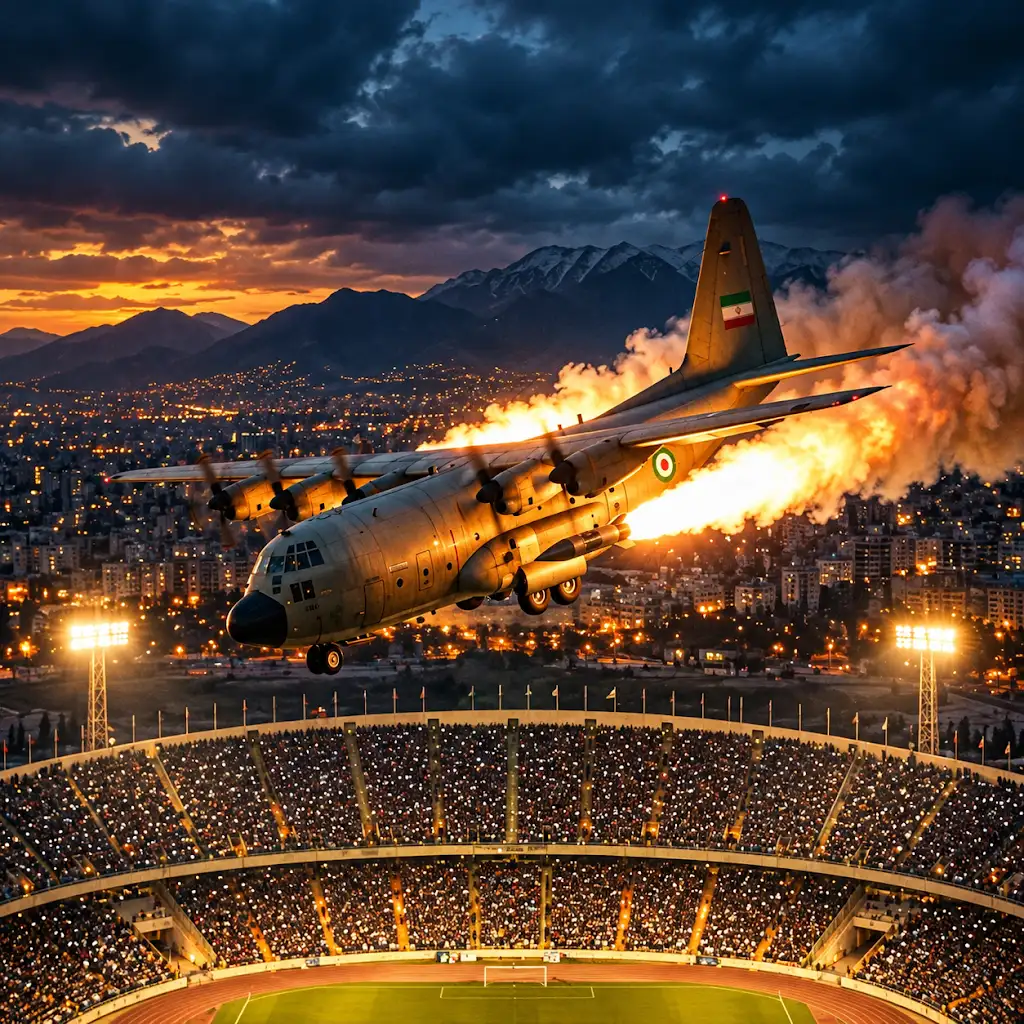
The Secret Plane Built to Land Inside a Stadium
FAQs
What is the XFC-130H Rocket C-130?
The XFC-130H Rocket C-130 is a modified version of the C-130 Hercules aircraft equipped with rocket engines for increased speed and performance.
How fast can the XFC-130H Rocket C-130 fly?
The XFC-130H Rocket C-130 is capable of reaching speeds of up to Mach 1.5, which is approximately 1,150 miles per hour.
What is the purpose of the rocket engines on the XFC-130H Rocket C-130?
The rocket engines on the XFC-130H Rocket C-130 are used to provide additional thrust for rapid takeoffs, high-speed maneuvers, and quick ascents to higher altitudes.
Can the XFC-130H Rocket C-130 be used for military operations?
Yes, the XFC-130H Rocket C-130 can be used for military operations, including special operations missions that require high speed and agility.
How does the XFC-130H Rocket C-130 compare to a standard C-130 Hercules aircraft?
The XFC-130H Rocket C-130 is significantly faster and more maneuverable than a standard C-130 Hercules due to the addition of rocket engines and other performance enhancements.