The desert plains of Iran, vast and unforgiving, were the chosen stage for a mission of immense consequence. Operation Eagle Claw, launched in April 1980, was a desperate gamble, a high-stakes attempt by the United States to rescue seventy-two American hostages held in the U.S. embassy in Tehran. The mission’s complexity was matched only by its perilous nature, involving a multi-faceted insertion of special forces deep into enemy territory. However, the operation was not only plagued by logistical nightmares and mechanical failures but also culminated in a tragic collision that claimed the lives of eight brave servicemen and ignited a firestorm of controversy and recrimination. This article will delve into the genesis of Operation Eagle Claw, the unfolding disaster on the ground, the devastating mid-air collision, and the enduring lessons learned from this catastrophic event.
The Genesis of a High-Risk Rescue
The hostage crisis at the U.S. embassy in Tehran had already stretched into its fifth month by the spring of 1980. The humiliation and frustration felt within the Carter administration were palpable, as diplomatic efforts had yielded no fruit, and the image of American helplessness was broadcast to the world. The perceived lack of decisive action fueled a growing sentiment that a military solution, however risky, might be the only viable option. This backdrop set the stage for Operation Eagle Claw, a clandestine mission conceived to snatch the hostages from the clutches of their captors. The plan, audacious in its scope, involved a series of carefully orchestrated steps.
The Strategic Imperative: Diplomatic Stalemate
The initial seizure of the U.S. embassy on November 4, 1979, by Iranian students shocked the international community and deeply embarrassed the United States. The subsequent holding of American diplomats and citizens as hostages was seen as a direct affront to American sovereignty and a challenge to its global standing. Despite numerous diplomatic overtures, including mediated attempts by Algeria, the Iranian government, under the leadership of Ayatollah Ruhollah Khomeini, remained resolute. The hostage-takers, driven by fervent anti-American sentiment and demands for the return of the Shah, showed no inclination to negotiate. This diplomatic impasse created a vacuum that military planners felt compelled to fill. The perceived inactivity of the Carter administration on the military front was increasingly criticized both domestically and internationally, adding a layer of political urgency to the search for an alternative solution.
Crafting the Eagle Claw Blueprint
The operational concept for Eagle Claw was ambitious and multifaceted, designed to overcome the significant logistical and security challenges posed by an incursion into Iran. The core of the plan involved inserting special forces operatives into Iran to liberate the hostages and then extracting them safely. This required a complex choreography of helicopters, transport aircraft, and covert ground operations. Multiple staging points were identified, including a remote desert location codenamed “Desert One,” which would serve as the primary rendezvous point for the arriving helicopters. From Desert One, the commandos were to proceed to Tehran, infiltrate the embassy, neutralize the guards, and secure the hostages. A secondary objective involved destroying sensitive documents at the embassy before their escape. The entire operation was intended to be executed under the cover of darkness and with extreme stealth to minimize the risk of detection and escalation.
The Tools of the Trade: Rotary and Fixed Wing Assets
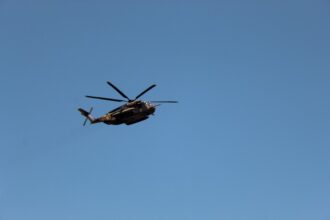
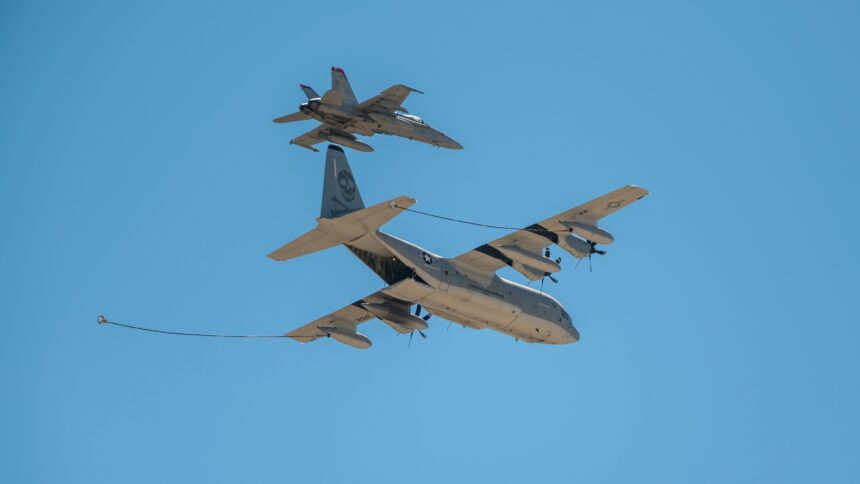
The success of Eagle Claw hinged critically on the performance of the specialized aircraft involved. Eight RH-53D Sea Stallion helicopters, belonging to the U.S. Marine Corps, were designated for the primary insertion of the Delta Force commandos into Iran. These heavy-lift helicopters, capable of carrying a significant payload, were chosen for their ability to operate in remote and harsh environments. Supporting the helicopters were several C-130 Hercules transport aircraft, tasked with delivering fuel, equipment, and additional personnel to the staging areas. The C-130s also played a crucial role in the extraction phase, providing a platform for the hostages and the rescue forces. The reliance on these aircraft, particularly the helicopters, underscored the inherent risks of the operation, as their operational readiness and performance in the challenging desert conditions were not fully guaranteed.
The tragic collision involving a C-130 during Operation Eagle Claw highlights the complexities and challenges faced during military operations. For a deeper understanding of the events surrounding this operation and its implications, you can read a related article that provides insights into the planning and execution of the mission. Check it out here: Operation Eagle Claw Analysis.
The Desert One Debacle: A Cascade of Failures
The initial stages of Operation Eagle Claw, unfolding on the night of April 24-25, 1980, were a stark illustration of how even the most meticulously crafted plans can unravel when confronted with harsh realities and unforeseen circumstances. The operation’s critical first phase at Desert One was designed to be a seamless convergence of aircraft and personnel, but instead, it became a scene of confusion, mechanical failures, and ultimately, a forced abort. The mission’s objective was simple: gather at Desert One, refuel the helicopters, and press on to the next staging point. However, several key elements went disastrously wrong, sowing the seeds of the subsequent tragedy.
The Ill-Fated Rendezvous: A Deserted Oasis
The convergence at Desert One was meant to be a precise and silent gathering of forces. However, the operational realities proved far more chaotic. The C-130 aircraft arrived and began offloading fuel bladders and equipment. The first sign of trouble emerged with the arrival of the helicopters. Mechanical issues, including engine problems, began to manifest early on, creating delays and uncertainty. More significantly, the intended secrecy of the rendezvous was compromised by the unexpected presence of an Iranian oil tanker and its escort of armed motorcyclists. This encounter forced the helicopters to alter their approach and maneuver in ways that were not part of the original plan, increasing stress on the aircraft and the pilots.
Mechanical Gremlins and Dust Devils: Helicopter Woes
The RH-53D helicopters, the backbone of the insertion force, proved to be a significant vulnerability. Several of the aircraft experienced critical mechanical failures upon arrival at Desert One. One helicopter suffered a catastrophic engine failure, rendering it unusable. Another experienced hydraulic problems, limiting its operational capability. Compounding these mechanical issues were the environmental challenges. The desert terrain, while seemingly barren, proved to be a formidable adversary. Dust kicked up by the rotor wash of the landing helicopters created dense clouds, severely limiting visibility. This dust, laden with abrasive particles, also posed a significant threat to the delicate internal mechanisms of the helicopters. The combination of mechanical malfunctions and the treacherous desert environment created a chaotic and dangerous situation at Desert One.
The Unforeseen Encounter: Iranian Patrols
The element of surprise, so crucial to the mission’s success, was further eroded by an unexpected encounter with an Iranian oil tanker and a patrol of armed motorcyclists. The helicopters, tasked with maintaining radio silence, were unable to communicate their presence or intentions. The sighting of the aircraft by the tanker crew and the subsequent alarm raised by the motorcyclists signaled a potential compromise of the operation. This unplanned interaction forced the rescue force to adapt their maneuvers on the fly, further straining resources and increasing the risk of an accident. The presence of these Iranian assets underscored the inherent dangers of operating in hostile territory and the difficulty of maintaining absolute stealth.
The Inevitable Abort: A Grim Decision
With multiple helicopters incapacitated or facing severe operational limitations, and the element of surprise potentially compromised, the commander on the ground, Colonel James Kyle, was faced with an impossible decision. The mission’s threshold for success, determined by the minimum number of operational helicopters required to proceed, had not been met. After extensive deliberation and consultation with higher command, the agonizing decision to abort Operation Eagle Claw was made. The remaining operational helicopters were ordered to return to their staging area, leaving behind the compromised mission and the scattered remnants of their efforts in the desolate expanse of Desert One. The abort was a bitter pill to swallow, a stark realization of the mission’s immense difficulties.
The Cataclysmic Collision: Tragedy in the Desert Sky
The aborted Operation Eagle Claw, while preventing further direct engagement in Iran, was far from over. The critical and most tragic phase of the operation was yet to unfold. As the remaining operational helicopters attempted to depart from Desert One, a confluence of factors, including low visibility, pilot fatigue, and the lingering confusion from the abort, led to a devastating mid-air collision with a C-130 transport aircraft. This catastrophic event extinguished the lives of eight servicemen and cast a long shadow over the entire operation.
The Departure from Desert One: A Perilous Maneuver
Following the abort order, the remaining operational helicopters began their departure from Desert One. The conditions remained challenging, with limited visibility due to residual dust and the darkness of night. The pilots were under immense pressure to execute a safe departure and regroup with the other aircraft. The C-130 aircraft, which had been positioned to refuel the helicopters, was still on the ground or in the immediate vicinity of the airfield, its engines running, preparing for its own departure. The complex choreography of multiple aircraft maneuvering in close proximity, under duress and with limited visual cues, created an inherently dangerous environment.
The Fatal Convergence: A Blind Encounter
The precise sequence of events leading to the collision remains a subject of detailed investigation and analysis, but the core of the tragedy lies in a fatal convergence of the departing helicopters and the C-130. It is understood that at least one of the RH-53D helicopters, perhaps attempting to reposition or clear the runway, flew into the path of the C-130. The C-130, with its large silhouette and operational engines, would have been a formidable obstacle in the low-light conditions. The helicopter, lower and potentially obscured by the dust or the C-130’s own wake, likely did not have sufficient warning to avoid the collision. The result was a catastrophic impact, sending both aircraft crashing to the ground in a fiery inferno.
The Devastating Aftermath: Loss of Life and Equipment
The collision resulted in an immediate and horrific loss of life. Six members of the C-130 crew and two Marines from the helicopter were killed in the fiery crash. The impact was so severe that both aircraft were rendered virtually unrecognizable. The flames that erupted from the wreckage illuminated the desolate desert landscape, a grim testament to the disaster that had unfolded. In addition to the loss of life, valuable equipment and sensitive materials were destroyed, further compounding the operational failure. The survivors, deeply traumatized by the event, were faced with the somber task of tending to the injured and securing the crash site. The tragedy at Desert One was a profound and devastating blow to the U.S. military and the nation.
The Grim Reconnaissance and Recovery
In the immediate aftermath of the collision, the surviving elements of Operation Eagle Claw initiated recovery and salvage operations. Under immense pressure and facing the ongoing threat of detection by Iranian forces, the survivors worked to secure the crash sites, gather any usable intelligence or equipment, and extricate the injured. The recovery of the fallen servicemen was a somber and harrowing experience, carried out in the unforgiving desert environment. The scale of the disaster was immediately apparent, and the decision to fully abort the mission was cemented. The surviving personnel were then evacuated, leaving behind the wreckage and the tragic remnants of their failed endeavor.
The Fallout and the Inquiries: Blame and Accountability
The disastrous outcome of Operation Eagle Claw, culminating in the tragic collision and the loss of American lives, ignited a firestorm of criticism and led to multiple investigations. The failure of such a high-profile and meticulously planned operation could not be overlooked, and the question of accountability became paramount. The ensuing inquiries delved deep into every aspect of the mission, from initial planning and intelligence gathering to the execution on the ground and the critical decisions made by commanders. The findings of these investigations would have far-reaching implications for military doctrine, operational planning, and the careers of those involved.
The Official Investigations: Unpacking the Errors
Following the abort and the tragic collision, several official investigations were launched to determine the causes of the failure. These included a presidential commission, headed by former Supreme Court Justice George H.W. Morris, and internal military reviews. The investigations meticulously dissected the entire operation, examining intelligence assessments, logistical preparedness, equipment reliability, crew training, and the command and control structures. The focus was on identifying systemic weaknesses and individual failures that contributed to the catastrophic outcome. The detailed reports produced by these commissions served as critical post-mortems, aiming to prevent similar tragedies in the future.
The Court of Inquiry: A Search for Responsibility
A key component of the fallout was the convening of a Court of Inquiry. This military judicial process was designed to determine if any individuals were culpable for the mission’s failure and the subsequent loss of life. The court heard testimony from numerous witnesses, including pilots, ground crew, commanders, and intelligence personnel. The proceedings were often contentious, as blame was assigned and defended. The court’s findings would ultimately lead to disciplinary actions for some individuals, while others would be exonerated. The psychological toll on those under scrutiny was immense, as their actions and decisions were subjected to intense public and professional examination.
Public and Political Ramifications: A Nation’s Disappointment
The failure of Operation Eagle Claw and the subsequent revelations of its catastrophic execution had significant public and political ramifications. The American public, already frustrated by the prolonged hostage crisis, was deeply disappointed and angered by the perceived incompetence and the tragic loss of life. The Carter administration faced intense scrutiny and criticism for its handling of the crisis and the military operation. The failed rescue attempt became a potent symbol of American vulnerability and a subject of intense debate. The political fallout contributed to the growing dissatisfaction with President Carter’s leadership, which would ultimately play a role in the upcoming presidential election.
Lessons Learned and Operational Reform: A Legacy of Change
Despite the devastating outcome, Operation Eagle Claw served as a crucial, albeit brutal, learning experience for the U.S. military. The investigations and subsequent analyses identified critical deficiencies in areas such as helicopter reliability, pilot training for night operations, joint-service coordination, and contingency planning. The lessons learned from Eagle Claw directly contributed to significant reforms in special operations forces, including the eventual formation of Task Force 1-79 and later, the development of the U.S. Special Operations Command (SOCOM). Emphasis was placed on improved equipment, more rigorous training simulations, and a clearer chain of command for complex, multi-faceted operations. The tragedy, therefore, left a legacy of operational reform that would strengthen American special operations capabilities in the decades to come.
The tragic incident involving the collision of C-130 aircraft during Operation Eagle Claw highlights the complexities and dangers of military operations. For a deeper understanding of the challenges faced during this mission, you can explore a related article that delves into the strategic decisions and outcomes of the operation. This article provides valuable insights into the planning and execution phases, shedding light on the factors that contributed to the collision. To read more about this significant event, visit this link.
The Enduring Legacy: A Scar on American Military History
| Metric | Details |
|---|---|
| Operation Name | Operation Eagle Claw |
| Date | April 24-25, 1980 |
| Location | Desert near Tabas, Iran |
| Aircraft Involved | RH-53D Sea Stallion helicopters and C-130 Hercules transport aircraft |
| Incident | Collision between a helicopter and a C-130 during refueling |
| Casualties | 8 U.S. servicemen killed |
| Cause of Collision | Mechanical failure and poor weather conditions |
| Mission Outcome | Mission aborted due to accident and equipment failure |
| Significance | Led to major changes in U.S. special operations forces and tactics |
Operation Eagle Claw remains a somber chapter in American military history, a stark reminder of the immense risks and potential pitfalls inherent in complex hostage rescue missions. The operation’s failure and the tragic collision at Desert One left an indelible scar, prompting introspection and leading to significant reforms within the U.S. armed forces. The bravery of the servicemen involved, despite the mission’s ultimate failure, is undeniable, and their sacrifice is remembered.
The Human Cost: The Fallen Eight
The most profound and tragic aspect of Operation Eagle Claw is the loss of life. The eight servicemen who perished in the desert that night represent the ultimate price paid for a mission that went horribly wrong. Their names are etched in military remembrance, their families forever bearing the weight of their sacrifice. The collision robbed the nation of brave individuals who were willing to put their lives on the line for their country and their fellow citizens. Their stories serve as a poignant reminder of the human cost of conflict and the immense courage displayed by those who serve.
The Tactical and Strategic Reassessment: A Catalyst for Change
The operational and strategic failures of Eagle Claw forced a critical reassessment of American military capabilities and planning for unconventional operations. The mission highlighted critical deficiencies in helicopter technology, particularly in the harsh desert environment, and underscored the need for more robust and reliable aircraft for special operations. The lack of seamless coordination between different branches of the military and the complexities of joint-service operations were also brought into sharp focus. The operational reassessment that followed the disaster directly contributed to the development of more sophisticated planning methodologies and improved inter-service cooperation.
The Political and Public Perception: A Test of Resolve
The failed rescue attempt had a significant impact on the political landscape and public perception of American military power. The image of a powerful nation struggling to rescue its citizens from a relatively small group of militants was deeply damaging. The operation became a symbol of perceived American weakness and fueled a national debate about the effectiveness of the Carter administration’s foreign policy. The public’s disappointment and frustration were palpable, and the event contributed to a shift in national sentiment towards a more assertive foreign policy.
The Long Shadow of Desert One: A Cautionary Tale
The events of Desert One continue to cast a long shadow, serving as a potent cautionary tale for military planners and policymakers. The operation underscores the paramount importance of meticulous planning, realistic assessment of operational risks, and the critical need for reliable equipment and well-trained personnel. It is a testament to the fact that even with the best intentions and the bravest of individuals, military operations can falter when faced with unforeseen circumstances, mechanical failures, and the unforgiving realities of the operational environment. The legacy of Operation Eagle Claw is a complex tapestry woven with threads of courage, tragedy, and ultimately, a profound evolution in the way the United States approaches high-stakes rescue missions and special operations.

The Secret Plane Built to Land Inside a Stadium
FAQs
What was Operation Eagle Claw?
Operation Eagle Claw was a United States military operation designed to rescue 52 American hostages held in Iran in 1980.
What caused the collision between the two C-130 aircraft during Operation Eagle Claw?
The collision between the two C-130 aircraft during Operation Eagle Claw was caused by a sandstorm that severely limited visibility and communication between the pilots.
How many service members lost their lives in the C-130 collision during Operation Eagle Claw?
Eight service members lost their lives in the C-130 collision during Operation Eagle Claw, which was a tragic event in the history of the United States military.
What impact did the C-130 collision have on the outcome of Operation Eagle Claw?
The C-130 collision during Operation Eagle Claw significantly impacted the operation, leading to its failure and the deaths of several service members.
What changes were made in military procedures following the C-130 collision during Operation Eagle Claw?
Following the C-130 collision during Operation Eagle Claw, the military implemented changes in procedures related to communication, coordination, and training to prevent similar incidents in the future.