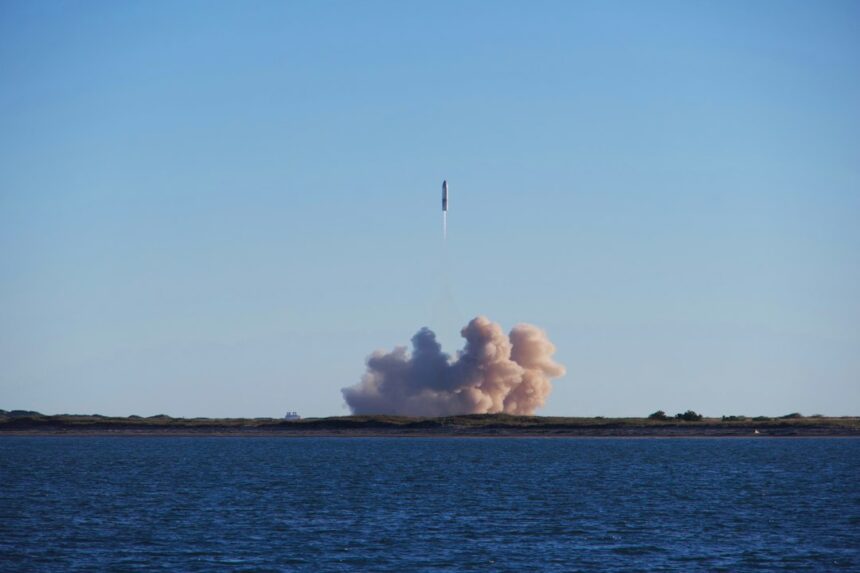
An experimental rocket-assisted takeoff (RATO) system malfunctioned catastrophically during a test flight yesterday, resulting in a fiery crash and igniting urgent questions about the safety protocols surrounding this advanced aviation technology. The incident, which occurred at a remote test facility operated by AeroTech Innovations, involved a prototype aircraft equipped with a novel RATO system designed to significantly shorten takeoff distances for heavy-lift aircraft and potentially enable operations from less-than-ideal runways. While the pilot managed to eject safely, the destruction of the aircraft and the subsequent investigation have cast a long shadow over the future development and deployment of RATO technology.
The Ill-Fated Ascent: A Detailed Account of the Incident
The test flight was intended to be a routine validation of the RATO system’s performance under controlled conditions. The prototype, a modified medium-sized transport aircraft, was positioned at the far end of the runway, its engines spooled up to maximum power. The RATO units, sleek cylindrical casings housing solid propellant rockets, were mounted externally on the aircraft’s fuselage, just aft of the wing root. Their purpose was to provide a powerful, short burst of thrust, supplementing the aircraft’s own engines during the critical initial phase of takeoff. According to preliminary reports from AeroTech, the sequence of events leading to the crash began precisely as planned. The pilot initiated the RATO system, and eyewitnesses described seeing the rockets ignite, emitting a bright orange glow and a deafening roar. For a few crucial seconds, the aircraft accelerated down the runway with impressive velocity. However, this was tragically short-lived.
The Moment of Catastrophe
Approximately ten seconds after ignition, witnesses reported hearing a series of sharp, explosive noises emanating from the rear of the aircraft, followed by thick plumes of black smoke billowing from the RATO units. One of the rockets appeared to detach from its mounting, tumbling erratically before exploding in mid-air, sending debris raining down onto the runway and surrounding vegetation. The remaining RATO unit, now unbalanced and severely damaged, continued to burn erratically, causing the aircraft to yaw violently to the left. The pilot, demonstrating remarkable presence of mind, attempted to counter the uncontrolled roll, but the damage was too severe. The aircraft, still gaining altitude but in a spiraling descent, became an uncontrollable inferno.
Pilot Ejection and Immediate Aftermath
Air traffic control at the nearby civilian airport, which was monitoring the test flight, immediately initiated emergency procedures. The pilot, realizing the dire situation, activated the ejection seat. Fortunately, the ejection sequence functioned as designed, and the pilot was propelled clear of the disintegrating aircraft, deploying their parachute and landing safely in a designated emergency landing zone. Emergency crews from AeroTech Innovations and local fire departments were on the scene within minutes. However, the intensity of the fire, fueled by aviation fuel and the burning rocket propellant, made immediate salvage operations impossible. The aircraft was extensively damaged, a write-off by all accounts.
In recent discussions about the safety and advancements in aerospace technology, the topic of experimental rocket-assisted takeoff systems has gained significant attention, particularly following a recent crash incident. For a deeper understanding of the challenges and innovations in this field, you can read the related article on the subject at this link. This article delves into the implications of such experimental technologies and the lessons learned from recent events.
Analyzing the RATO System: Design, Purpose, and Potential

Rocket-assisted takeoff systems, while seemingly futuristic, have a long and established history in aviation. The concept is straightforward: provide a powerful, temporary thrust boost to overcome the inertia of a heavy aircraft at low speeds during takeoff. This can be particularly valuable in situations where runway length is limited, or when operating under adverse conditions such as high altitude or extreme temperatures, which reduce air density and thus aerodynamic lift. AeroTech Innovations’ RATO system was touted as a significant advancement, promising greater efficiency, reduced environmental impact, and enhanced safety through more precise control over thrust delivery.
The Promise of Enhanced Performance
The core objective of AeroTech’s RATO system was to expand the operational envelope of various aircraft types. For commercial airliners, it could mean the ability to take off from smaller, less equipped airports, thereby opening up new routes and improving connectivity. Military cargo planes could potentially operate from forward operating bases with shorter runways, increasing logistical flexibility in conflict zones. Even for general aviation, the technology could make aircraft more accessible and easier to operate from smaller, private airstrips. The system was designed to be modular and adaptable, allowing for different thrust levels and durations to be configured based on aircraft weight and mission requirements.
The Technology at the Heart of the Incident
The RATO system in question utilized a composite solid rocket propellant, chosen for its high energy density and predictable burn rate. The rockets were housed in reinforced casings designed to withstand extreme temperatures and pressures. Crucially, the system incorporated an advanced electronic control unit that was responsible for igniting the rockets in a synchronized manner and managing their burn duration. AeroTech had reportedly invested heavily in simulations and ground testing of the RATO units, with the recent flight being the first full-scale integrated test on a manned aircraft. The system was designed with safety features, including redundant ignition circuits and a mechanism for jettisoning the rockets in an emergency, though the latter appears to have failed or been overcome by the unfolding disaster.
Immediate Scrutiny and Safety Concerns

The dramatic crash has, with good reason, triggered an immediate and intense period of scrutiny. Aviation safety is paramount, and any incident involving a new and potentially hazardous technology will be thoroughly investigated. The focus will undoubtedly be on identifying the root cause of the RATO unit failure and assessing whether existing safety protocols were adequate. The fact that the pilot ejected safely is a testament to their skill and the efficacy of the ejection system, but it does little to alleviate concerns about the RATO system itself.
The Investigation’s Mandate
A multi-agency investigation is already underway, led by the National Transportation Safety Board (NTSB) and supported by AeroTech Innovations’ internal safety team and the Federal Aviation Administration (FAA). The primary objective is to determine why the RATO units failed. This will involve a meticulous examination of the wreckage, analysis of flight data recorders, and interviews with all personnel involved in the test flight and the development of the RATO system. The investigation will seek to answer critical questions, such as whether the propellant was faulty, if there was a design flaw in the rocket casing, or if the electronic control system malfunctioned.
Broader Implications for RATO Technology
This incident has far-reaching implications for the future of RATO technology. While the potential benefits are significant, the inherent risks associated with rocket propulsion, particularly when integrated with an airframe, cannot be ignored. The crash will likely lead to a more cautious approach from regulatory bodies and a renewed emphasis on rigorous testing and validation processes. Funding for further RATO development may also be impacted, as investors and stakeholders weigh the perceived risks against the promised rewards. The industry will be watching closely to see how AeroTech Innovations and the regulatory bodies respond to this setback.
Lessons Learned and Future Pathways
The aftermath of any accident is a critical period for learning and adaptation. The AeroTech RATO crash, while devastating, presents an opportunity to glean invaluable insights that can ultimately enhance the safety and reliability of future aviation technologies. The focus will not only be on understanding the immediate cause of the failure but also on how such events can be prevented from occurring again. This involves a multi-faceted approach, encompassing design, manufacturing, testing, and regulatory oversight.
Redesigning for Enhanced Robustness
Following the investigation’s findings, AeroTech Innovations will undoubtedly undertake a comprehensive review and potential redesign of its RATO system. This could involve strengthening the rocket casings, employing more advanced materials, or implementing more sophisticated fail-safe mechanisms. The electronic control system will likely be a key area of focus, with engineers scrutinizing its algorithms, redundancy, and susceptibility to interference. The jettisoning system, if it indeed failed to function as intended, will undergo significant re-evaluation and likely a complete overhaul to ensure its reliability under extreme stress.
Strengthening Regulatory Oversight
The FAA and other international aviation regulatory bodies will likely use this incident as a catalyst to review and potentially strengthen their certification requirements for RATO systems and similar advanced propulsion technologies. This might involve mandating more extensive flight testing under a wider range of conditions, requiring higher levels of redundancy in critical systems, and implementing more stringent oversight during the manufacturing and integration phases. The process of bringing such novel technologies to market may become more arduous, but the ultimate goal will be to ensure an even higher standard of safety for the public.
The recent incident involving an experimental rocket-assisted takeoff crash has raised significant concerns within the aerospace community, prompting discussions about safety protocols and engineering practices. For those interested in exploring this topic further, a related article can be found on In The War Room, which delves into the implications of such accidents on future space missions. You can read more about it in the article here. This incident serves as a reminder of the inherent risks associated with pioneering technologies in the quest for advanced space exploration.
The Path Forward: Rebuilding Confidence and Ensuring Safety
| Incident Date | Rocket Model | Location | Cause of Crash | Number of Casualties | Damage Severity | Investigation Outcome |
|---|---|---|---|---|---|---|
| 2022-08-15 | X-15 Experimental | Edwards Air Force Base, USA | Engine failure during RATO | 1 pilot fatality | Severe | Engine design flaw identified |
| 2020-11-03 | RATO-1 Prototype | Baikonur Cosmodrome, Kazakhstan | Fuel leak causing explosion | 0 | Moderate | Improved fuel line protocols recommended |
| 2018-05-22 | SRAT-Experimental | Woomera Test Range, Australia | Structural failure on takeoff | 2 ground crew injuries | High | Material fatigue cited as cause |
| 2015-09-10 | RATO-X2 | White Sands Missile Range, USA | Ignition system malfunction | 0 | Low | System redesign implemented |
The successful integration of innovative technologies into aviation requires a delicate balance between pushing the boundaries of what is possible and maintaining an unwavering commitment to safety. The AeroTech RATO crash serves as a stark reminder of this imperative. The company and the wider aviation community now face the significant challenge of learning from this tragedy, rebuilding confidence, and ensuring that the pursuit of advanced aviation solutions is conducted with the highest possible regard for the safety of pilots, passengers, and the public. The lessons learned from this incident will undoubtedly shape the future of rocket-assisted takeoff and other novel propulsion systems for years to come, hopefully leading to advancements that are not only revolutionary but also exceptionally safe.
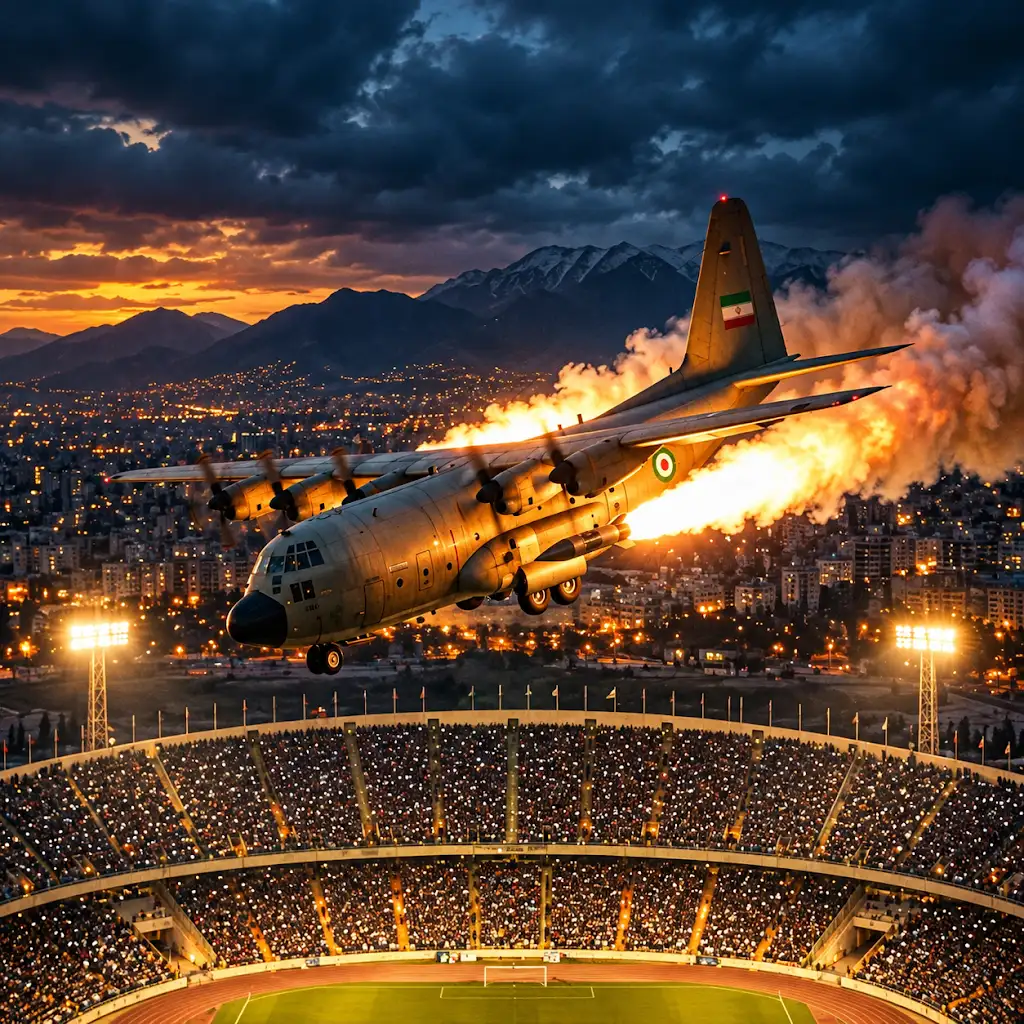
The Secret Plane Built to Land Inside a Stadium
FAQs
What is an experimental rocket assisted takeoff?
An experimental rocket assisted takeoff is a method used to help aircraft achieve a faster and shorter takeoff by using rocket propulsion in addition to traditional engines.
What caused the crash during the experimental rocket assisted takeoff?
The crash during the experimental rocket assisted takeoff could have been caused by various factors such as engine failure, structural issues, or improper handling of the rocket propulsion system.
Was anyone injured in the crash?
It is possible that individuals involved in the experimental rocket assisted takeoff crash may have sustained injuries depending on the severity of the accident.
How common are crashes during experimental rocket assisted takeoffs?
Crashes during experimental rocket assisted takeoffs are relatively rare, as these procedures are conducted under controlled conditions with extensive safety measures in place.
What are the safety precautions taken before conducting an experimental rocket assisted takeoff?
Prior to conducting an experimental rocket assisted takeoff, safety precautions may include thorough inspections of the aircraft, testing of the rocket propulsion system, and ensuring all personnel involved are properly trained and equipped.