Whispers of a Rescue: Tehran’s Stadium and a Troubled Proposal
A bold, yet largely unproven, proposal to rescue a crumbling, yet iconic, Tehran football stadium has ignited a fierce debate within the city’s sporting and civic circles. The plan, spearheaded by an enigmatic consortium of private investors, promises a radical transformation, a phoenix-like rebirth for a venue steeped in history but currently marred by decay. However, the lack of transparency, the untested nature of the proposed financial model, and lingering questions about the consortium’s true intentions have cast a long shadow of skepticism over the ambitious undertaking. This article delves into the heart of this controversy, examining the stadium’s current plight, the details of the proposed rescue, the arguments of its proponents, the deep-seated concerns of its detractors, and the potential ramifications for Tehran’s sporting future.
The recent discussions surrounding the unproven Tehran soccer stadium rescue plan have sparked considerable interest, particularly in light of the broader implications for sports and social movements in Iran. For a deeper understanding of the political and cultural dynamics at play, you can refer to a related article that explores these themes in detail. Check it out here: In the War Room.
The Stadium’s Silent Decay: A Legacy in Peril
The stadium in question, a colossal structure that once reverberated with the roars of tens of thousands of passionate fans, now stands as a poignant symbol of neglect. For decades, it served as the hallowed ground for some of Iran’s most significant footballing moments, witnessing national team triumphs and fierce club rivalries. Its aging infrastructure, however, has fallen victim to the relentless march of time and a lack of consistent investment. Cracks snake across concrete stands, rust gnaws at structural elements, and the once vibrant playing surface now bears the scars of disuse. The once-gleaming facilities, from changing rooms to spectator amenities, are now functionally obsolete, offering a stark contrast to the modern stadiums that have become the global standard.
Decades of Deterioration: From Glory to Grime
The stadium’s decline is not a sudden event but a slow, creeping erosion of its former glory. Following a period of significant investment in the latter half of the 20th century, subsequent economic challenges and shifting priorities within municipal and sports governing bodies led to a gradual reduction in maintenance budgets. Essential repairs were deferred, and upgrades were postponed indefinitely. The sheer scale of the structure, while once an asset, also contributed to the escalating costs of upkeep. Without regular, substantial investment, the stadium’s structural integrity began to compromise, leading to partial closures and a diminished capacity for hosting major events. This has had a cascading effect, impacting the revenue streams that could have been channeled back into its preservation.
The Fading Echoes of Past Triumphs
For generations of Tehran residents, the stadium is more than just a collection of concrete and steel; it is a repository of cherished memories. It was here that legendary Iranian footballers etched their names into history, where national teams secured historic victories, and where passionate fan bases forged unbreakable bonds. The intangible cultural significance of the venue cannot be overstated. Its current state of disrepair is not merely an aesthetic issue but a perceived disrespect to this rich heritage. The sight of empty stands and deteriorating facilities serves as a constant reminder of what once was, and what could be lost if the decay continues unabated. This emotional connection fuels the urgency felt by many to see the stadium revitalized.
The Unveiling of the “Phoenix Project”: A Vision or a Mirage?
Emerging from the shadows, a consortium, operating under the banner of the “Phoenix Project,” has presented what it claims is a comprehensive plan to resurrect the stadium. The consortium, whose specific members and funding sources remain largely opaque, has articulated a vision of a multi-functional sporting and entertainment complex, moving beyond its purely footballing origins. Their proposal includes extensive modernization of the existing structure, the addition of commercial spaces, retail outlets, hotels, and potentially even residential units, aiming to create a self-sustaining ecosystem that generates revenue for its own upkeep and future development. The consortium claims to have secured significant private capital from international and domestic sources, promising to shoulder the entire financial burden, thus alleviating the pressure on public funds.
A Multifaceted Blueprint: Beyond the Football Pitch
The core of the Phoenix Project’s strategy lies in its diversification. The consortium argues that relying solely on football matches is no longer a viable economic model for such a large-scale venue. Their blueprint envisions a transformed space capable of hosting a wide array of events, including concerts, exhibitions, conferences, and other cultural gatherings. This would necessitate a significant overhaul of the stadium’s infrastructure, including state-of-the-art sound systems, adaptable seating arrangements, and modern, flexible event spaces. The inclusion of commercial elements is intended to create a consistent revenue stream, ensuring the long-term financial health of the project and preventing a recurrence of the current state of neglect.
The Promise of Private Capital: A Shield Against Public Scrutiny?
A central tenet of the Phoenix Project is its reliance on private funding. The consortium asserts that its investors are prepared to inject the substantial capital required for the renovation and ongoing maintenance. This aspect of the proposal is particularly attractive to public officials and many citizens, as it promises to deliver a revitalized landmark without imposing additional financial burdens on the taxpayer. However, the very nature of this private investment has also been a focal point of concern. The consortium’s reluctance to disclose the identities of its major investors, and the detailed mechanisms of their financial commitment, has led to speculation and suspicion. Critics argue that this lack of transparency could mask underlying financial vulnerabilities or hidden agendas.
The Advocates’ Chorus: A Breath of Fresh Air for Tehran’s Sporting Scene
Proponents of the Phoenix Project paint a picture of a revitalized Tehran, one where its iconic stadium once again becomes a vibrant hub of activity. They emphasize the potential economic benefits, arguing that the project will create jobs, stimulate local businesses, and attract tourism. The modernization of the facilities, they contend, will elevate the standard of sporting events hosted in the city, potentially attracting international competitions and further enhancing Tehran’s global profile. The consortium’s ability to secure private funding is seen as a pragmatic solution to a long-standing problem, a testament to their business acumen and commitment to the project’s success.
Economic Revitalization: Jobs, Tourism, and Growth
The economic argument for the Phoenix Project is multifaceted. Supporters highlight the immediate job creation during the construction and renovation phases, followed by ongoing employment opportunities in the management, maintenance, and operational roles of the transformed complex. They envision the stadium becoming a major tourist attraction, drawing visitors to Tehran for sporting events, concerts, and other spectacles. This influx of tourists, they argue, will have a positive ripple effect on the hospitality sector, retail businesses, and other local industries. The consortium’s projections, though not yet independently verified, suggest a significant boost to the city’s economy.
Elevating Sporting Standards: International Ambitions
For Iran’s footballing community, the prospect of a modernized stadium holds immense appeal. Proponents believe that a world-class facility would not only enhance the spectator experience but also provide a superior environment for players and national teams. This could, in turn, lead to improved performance and a greater ability to attract and host prestigious international tournaments. The ability to offer modern amenities and a captivating atmosphere is seen as crucial for Tehran to compete on the global stage of sporting venues and to inspire a new generation of athletes and fans.
A Pragmatic Solution to a Persistent Problem
Many city officials and citizens see the Phoenix Project as a much-needed pragmatic solution to a deeply entrenched problem. For years, the stadium’s decay has been a source of frustration and a drain on public resources, with attempts at incremental repairs proving insufficient. The consortium’s offer to take on the entire financial responsibility is viewed as a rare and valuable opportunity to address the issue without further burdening taxpayers or diverting funds from other essential public services. This “hands-off” approach from the government is seen as a key advantage.
The recent discussions surrounding the unproven Tehran soccer stadium rescue plan have sparked considerable debate among sports enthusiasts and policymakers alike. Many are looking for insights into similar initiatives that have faced scrutiny in the past. A related article that delves into the complexities of such plans can be found here, offering a comprehensive analysis of the challenges and potential outcomes associated with large-scale sports projects. As the situation unfolds, it will be interesting to see how these discussions evolve and what impact they may have on the future of sports infrastructure in the region.
The Skeptics’ Warnings: Doubts, Disclosures, and Detrimental Outcomes
| Metric | Value | Notes |
|---|---|---|
| Plan Name | Tehran Soccer Stadium Rescue Plan | Unproven strategy for stadium safety |
| Location | Tehran, Iran | Capital city stadium |
| Plan Status | Unproven | Not yet tested or validated |
| Estimated Capacity | 100,000 spectators | Typical for large soccer stadiums in Tehran |
| Rescue Plan Objective | Safe evacuation during emergencies | Focus on crowd control and exit routes |
| Key Challenges | Crowd density, limited exits | Potential bottlenecks during evacuation |
| Proposed Solutions | Additional emergency exits, crowd management | Details remain unverified |
| Testing Status | Not conducted | No drills or simulations reported |
| Stakeholders Involved | Local authorities, stadium management | Coordination details unclear |
Despite the rosy projections from the proponents, a significant chorus of skepticism and concern has emerged. The primary point of contention revolves around the lack of transparency surrounding the consortium’s financial backing and its operational track record. Critics question the feasibility of the projected revenue streams, particularly in a market that may not consistently support such a diverse range of high-profile events. There are also concerns about the potential impact on existing community facilities and the possibility of gentrification, displacing local businesses and residents. The untested nature of the consortium’s business model, coupled with the immense scale of the undertaking, fuels anxieties about potential failure, leaving the city with an even larger, more complex problem.
The Shadow of Opaque Finances: Who Holds the Purse Strings?
The most persistent criticism leveled against the Phoenix Project concerns the opacity of its financial structure. The consortium has been reticent to disclose the names of its principal investors, their sources of capital, and the exact terms of their financial commitment. This lack of transparency has led to a swirl of speculation. Are the investors genuinely committed to the long-term success of the project, or do they have other, more speculative, interests? Could the project be a vehicle for other financial dealings, with the stadium serving as a secondary concern? Without clear disclosure, it is difficult to assess the true financial viability and the potential risks involved for the city.
Questioning the Economic Viability: Can the Numbers Add Up?
Critics argue that the consortium’s economic projections may be overly optimistic. They point to the challenges of consistently generating sufficient revenue from a broad spectrum of events in Tehran’s current economic climate. The proposed commercial and hospitality elements, while potentially lucrative, also carry significant market risks. Will there be sufficient demand for new hotels and retail spaces, especially if they are integrated into a large-scale stadium complex? Concerns are also raised about the potential impact on existing entertainment venues and businesses, which could face unfair competition from the new development. The long-term sustainability of the revenue model remains a key point of contention.
The Specter of Unfulfilled Promises: A History of Failed Projects
The history of large-scale urban development projects, both globally and within Iran, is replete with instances of ambitious plans that ultimately faltered. Skeptics draw parallels, fearing that the Phoenix Project could become another white elephant, a monument to unfulfilled promises. If the consortium’s financial model proves unsustainable, or if management falters, the city could be left with an incomplete or abandoned renovation, potentially facing an even greater cleanup and redevelopment challenge. The sheer scale of the investment required and the complexity of managing such a multifaceted complex amplify these concerns.
Community Impact and Gentrification Fears
Beyond the purely financial aspects, concerns are also raised about the potential social and community impact of the project. The development of large-scale commercial and entertainment facilities could lead to gentrification, displacing existing businesses and residents who may no longer be able to afford rising rents. There are also questions about the public access to the revitalized stadium and its surrounding areas. Will it remain a space accessible to all segments of Tehran’s population, or will it become an exclusive venue catering to a select few? Ensuring that the project benefits the broader community, rather than just a select group of investors, is a significant consideration.
The Path Forward: Navigating Uncertainty and Demanding Accountability
The debate surrounding the unproven Tehran stadium rescue plan is far from settled. The path forward requires a delicate balance between embracing the potential for positive transformation and demanding rigorous accountability. Transparency from the consortium is paramount, requiring detailed disclosure of their financial backers, business plans, and risk mitigation strategies. Independent feasibility studies and environmental impact assessments will be crucial in providing objective evaluations of the project’s viability and potential consequences. Ultimately, the decision on whether to proceed will hinge on the city’s ability to navigate this complex landscape, ensuring that any rescue plan truly serves the long-term interests of Tehran and its citizens, rather than becoming another cautionary tale of ambition unchecked.
The Imperative of Transparency and Disclosure
For any large-scale public-private partnership, transparency is not a luxury but a necessity. The Tehran authorities, and indeed the public, have a right to know the full extent of the consortium’s financial backing, the identities of its key investors, and the detailed breakdown of its operational and revenue projections. A thorough vetting process, involving independent financial experts, is essential to scrutinize the consortium’s claims and to identify any potential red flags. Without this level of disclosure, it is impossible for stakeholders to make informed decisions and to hold the consortium accountable should the project falter.
Independent Scrutiny and Expert Evaluation
The claims made by the Phoenix Project need to be subjected to rigorous, independent scrutiny. This includes commissioning comprehensive feasibility studies that assess the economic viability of the proposed revenue streams, taking into account market conditions, competition, and potential demand. Environmental impact assessments are also crucial to understand the project’s footprint and to ensure that it aligns with sustainable development principles. Furthermore, expert evaluations of the consortium’s proposed management structure and operational plans are necessary to gauge their capacity to execute such a complex undertaking.
Public Consultation and Community Engagement
Any decision regarding the future of such a significant public asset must involve meaningful public consultation and community engagement. The concerns and aspirations of Tehran’s residents, particularly those in the immediate vicinity of the stadium, need to be heard and addressed. This process should not be a mere formality but a genuine dialogue, allowing for feedback and modifications to the plan based on community input. Ensuring that the revitalized stadium serves the broader public interest, rather than solely the interests of private investors, is a fundamental consideration.
Defining Success: More Than Just a Renovated Stadium
The definition of success for this project must extend beyond the physical renovation of the stadium. True success would mean creating a vibrant, sustainable, and accessible venue that benefits the city economically, culturally, and socially for generations to come. It would involve a clear demonstration of financial prudence, responsible management, and a positive impact on the surrounding community. The process of reaching this definition of success requires careful consideration of all potential outcomes, a willingness to learn from past mistakes, and a commitment to prioritizing the long-term well-being of Tehran over short-term gains or speculative ventures. The unproven nature of the current proposal necessitates a cautious, yet open-minded, approach as Tehran grapples with the fate of its beloved, yet beleaguered, sporting coliseum.
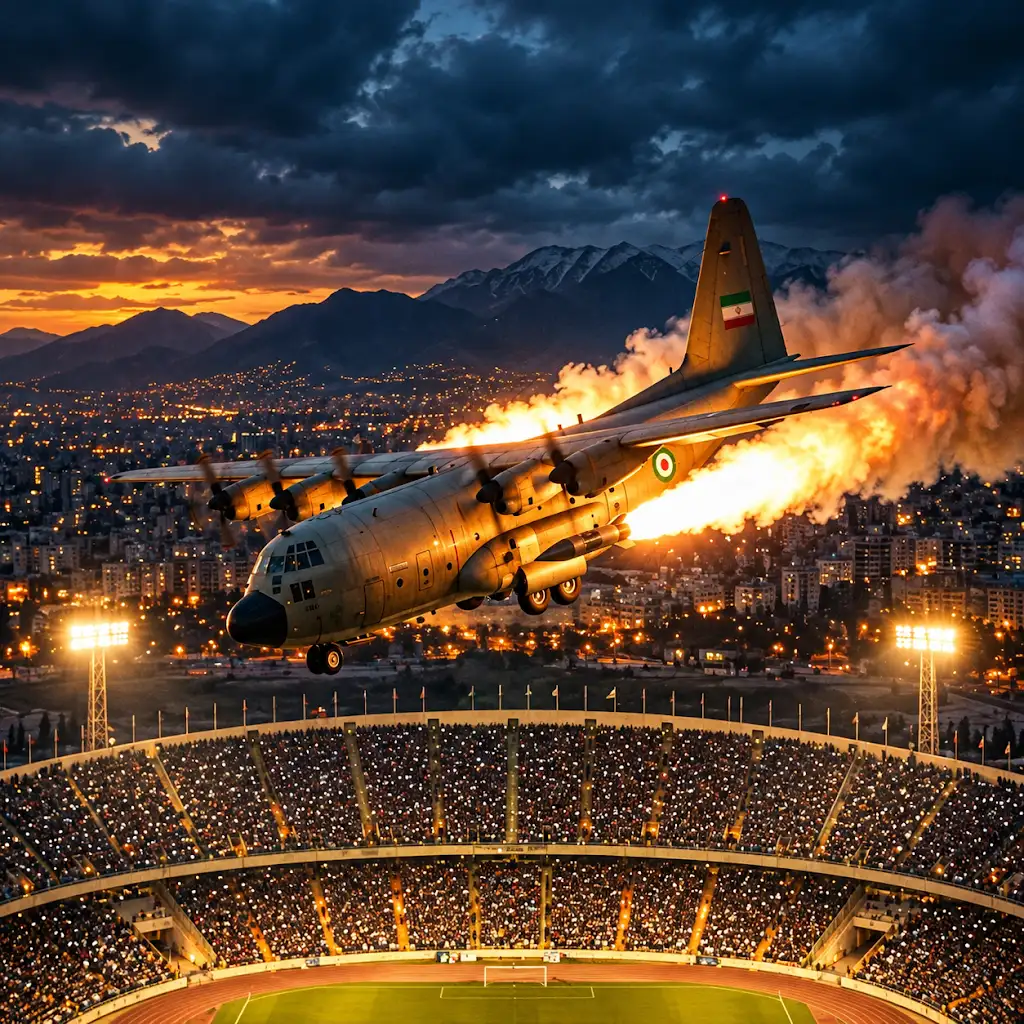
The Secret Plane Built to Land Inside a Stadium
FAQs
What is the Tehran soccer stadium rescue plan?
The Tehran soccer stadium rescue plan is a proposed project aimed at renovating and modernizing the Azadi Stadium in Tehran, Iran, to meet international standards and improve the overall experience for fans and players.
Who is behind the Tehran soccer stadium rescue plan?
The Tehran soccer stadium rescue plan is being spearheaded by a group of investors and government officials in Iran who are passionate about soccer and see the potential benefits of upgrading the Azadi Stadium.
What are the main goals of the Tehran soccer stadium rescue plan?
The main goals of the Tehran soccer stadium rescue plan include enhancing the safety and comfort of spectators, improving facilities for players and teams, increasing revenue streams through enhanced amenities, and attracting more international events to the stadium.
Has the Tehran soccer stadium rescue plan been officially approved?
As of now, the Tehran soccer stadium rescue plan has not been officially approved by the relevant authorities. Discussions and negotiations are ongoing to secure the necessary approvals and funding for the project.
What are some potential challenges facing the Tehran soccer stadium rescue plan?
Some potential challenges facing the Tehran soccer stadium rescue plan include securing sufficient funding for the project, navigating bureaucratic hurdles, addressing any opposition from stakeholders, and ensuring that the renovations meet all necessary safety and regulatory standards.