The shadow of the R-7, a behemoth of Soviet rocket engineering, loomed large over the early Cold War. Its genesis, born from the ambitious Soviet missile program, was not merely a technological leap but a potent political and military statement. This intercontinental ballistic missile (ICBM), codenamed “Semyorka” (little seven) by its creators, represented a paradigm shift in warfare, capable of delivering a nuclear payload across vast distances, directly to the heart of enemy territory. The implications of such a weapon were profound, igniting a palpable sense of fear and urgency within the Western world, particularly the United States. The R-7 was more than just a missile; it was a tangible manifestation of the escalating ideological struggle, a metallic testament to the Soviet Union’s growing power and its willingness to leverage that power on the global stage. Its very existence forced a fundamental re-evaluation of defense strategies and propelled an arms race that would define the latter half of the 20th century. Understanding the R-7 threat requires delving into its origins, its capabilities, and the multifaceted responses it provoked.
The Genesis and Capabilities of the R-7
The development of the R-7 was deeply intertwined with the Soviet Union’s post-World War II ambitions and its desire to achieve parity with the United States in nuclear deterrence. Sergei Korolev, the chief designer, was instrumental in this endeavor, drawing upon German V-2 rocket technology but significantly expanding upon it. The R-7 was a two-stage rocket, massive in its scale, measuring nearly 30 meters in length and weighing over 280 metric tons. Its core was the R-7 rocket itself, which served as the first stage, supplemented by four strap-on boosters. The second stage, designated R-7A, carried the warhead. This design provided the necessary thrust to propel a substantial payload, including early thermonuclear warheads, to intercontinental ranges, making it the world’s first ICBM.
Early Soviet Missile Development and the Sputnik Shock
The path to the R-7 was paved with a series of increasingly ambitious rocket programs. Following the war, the Soviet Union acquired German rocket technology and personnel, which formed the bedrock of their nascent missile program. Korolev and his team worked tirelessly, facing numerous setbacks and challenges, to overcome the immense technical hurdles associated with developing such a powerful weapon. The successful test flights of the R-7 in the mid-1950s culminated in its operational deployment in 1959. However, the true shockwave was felt globally on October 4, 1957, with the launch of Sputnik 1, the world’s first artificial satellite, carried aloft by an R-7 rocket. This achievement, while a triumph for Soviet science and engineering, was viewed with alarm in the West. It demonstrated not only the Soviets’ technological prowess but also their ability to deliver payloads into orbit, implicitly suggesting their capability to deliver nuclear weapons to any target on Earth. The “Sputnik Shock” galvanized the United States, spurring a rapid acceleration of its own space and missile programs and heightening anxieties about Soviet military capabilities.
Technical Specifications and Strategic Implications
The R-7’s technical specifications were formidable for its era. Its range was estimated to be between 5,500 and 10,500 kilometers, capable of reaching targets across the continental United States from Soviet launch sites. It carried a thermonuclear warhead with a yield estimated to be in the megaton range, significantly more destructive than earlier atomic bombs. The guidance system, while rudimentary by modern standards, was sufficient to ensure the delivery of its devastating payload with a degree of accuracy that was terrifying to contemplate. The R-7’s significance lay not just in its individual capabilities but in its strategic implications. It fundamentally altered the concept of deterrence. For the first time, the United States could not assume invulnerability from a direct nuclear attack. This necessitated a complete overhaul of its military posture and defense planning, moving from a strategy of solely retaliatory capability to one that also prioritized early warning and active defense. The R-7 introduced the concept of Mutually Assured Destruction (MAD) into the strategic calculus, a precarious balance of terror where the use of nuclear weapons by one side would inevitably lead to the annihilation of both.
In response to the Soviet R-7 missile threat, various military strategies and technological advancements were developed to enhance national security. A related article that delves deeper into the implications of this missile system and the subsequent defense measures can be found at In The War Room. This resource provides valuable insights into the geopolitical landscape during the Cold War and the evolution of missile defense systems.
The United States’ Response: A Multi-Pronged Strategy
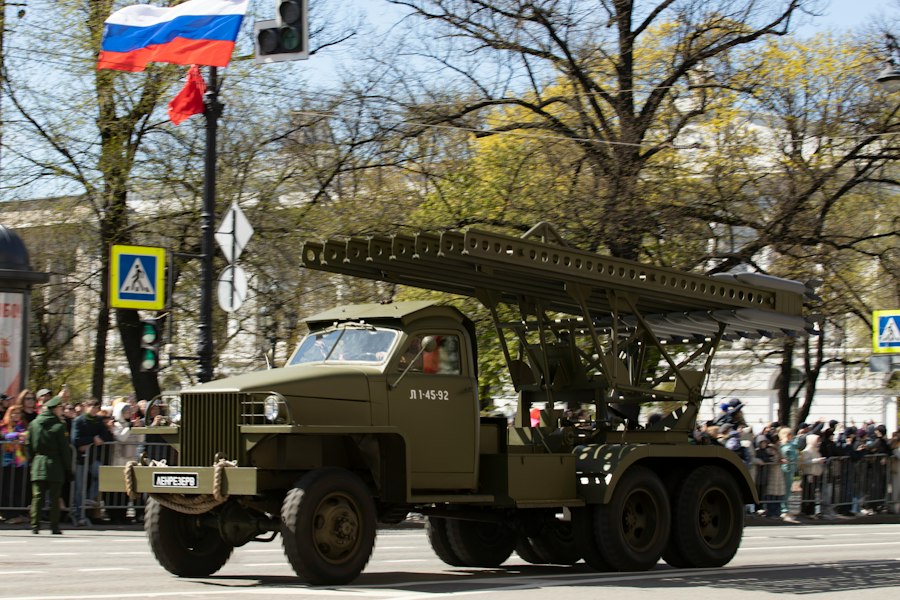
The advent of the R-7 and the subsequent Sputnik launch triggered a profound and multifaceted response from the United States. This response encompassed not only military and technological advancements but also significant political and educational initiatives. The American leadership understood that merely matching Soviet missile capabilities was insufficient; a comprehensive strategy was needed to counter the threat, deter further aggression, and maintain global stability. This involved a rapid acceleration of missile development, the establishment of sophisticated warning systems, and the exploration of novel defensive technologies.
The Arms Race and the Development of Countermeasures
In direct response to the perceived missile gap, the United States embarked on an unprecedented build-up of its own nuclear arsenal and delivery systems. This included the development of its own ICBMs, such as the Atlas and Titan programs, followed by the more advanced Minuteman solid-fuel missiles. The aim was to achieve and maintain a credible nuclear deterrent, ensuring that the US could inflict unacceptable damage on the Soviet Union in retaliation for any attack. Simultaneously, significant resources were poured into developing countermeasures. This included the creation of the North American Air Defense Command (NORAD) to provide a unified command structure for air defense. Furthermore, the development of anti-ballistic missile (ABM) systems, though controversial and ultimately limited in their deployment, was a direct attempt to neutralize the threat posed by Soviet ICBMs. The arms race, while perilous, also spurred rapid technological innovation, pushing the boundaries of aerospace engineering, computing, and materials science.
Early Warning Systems and Intelligence Gathering
Crucial to any effective defense against a surprise nuclear attack was the ability to detect an incoming missile launch as early as possible. The United States invested heavily in establishing a sophisticated network of early warning systems. These included radar installations across North America, such as the Ballistic Missile Early Warning System (BMEWS) sites in Greenland, Alaska, and Great Britain. These systems were designed to detect the heat and exhaust plumes of missile launches and track their trajectory. Beyond physical infrastructure, intelligence gathering played a vital role. Covert operations, reconnaissance flights (like those conducted by the U-2 spy plane), and signals intelligence were employed to monitor Soviet missile development, deployment, and potential launch preparations. The intelligence community’s ability to accurately assess Soviet intentions and capabilities was paramount in informing strategic decisions and allocating defensive resources.
The Strategic Air Command (SAC) and Nuclear Deterrence
The Strategic Air Command (SAC) was the linchpin of American nuclear deterrence during the Cold War. Its mission was to maintain a ready force of bombers and, later, intercontinental ballistic missiles, capable of delivering a retaliatory nuclear strike against the Soviet Union. The R-7 threat necessitated SAC’s continuous operational readiness, with bomber aircraft often on airborne alert, ready to take off at a moment’s notice. The concept of “second-strike capability” became central to US defense policy. This meant possessing the ability to absorb a first strike from the Soviet Union and still retain sufficient retaliatory force to inflict devastating damage. The presence of submarines equipped with nuclear-armed ballistic missiles (Polaris, later Poseidon and Trident) provided a highly survivable second-strike capability, making the prospect of a successful Soviet first strike even less appealing. The R-7’s existence forced the US to maintain a posture of “massive retaliation,” where any Soviet aggression, even if conventional, could be met with a full-scale nuclear response, a strategy that remained a cornerstone of Cold War policy for decades.
The Evolution of Missile Technology and Counter-Strategies
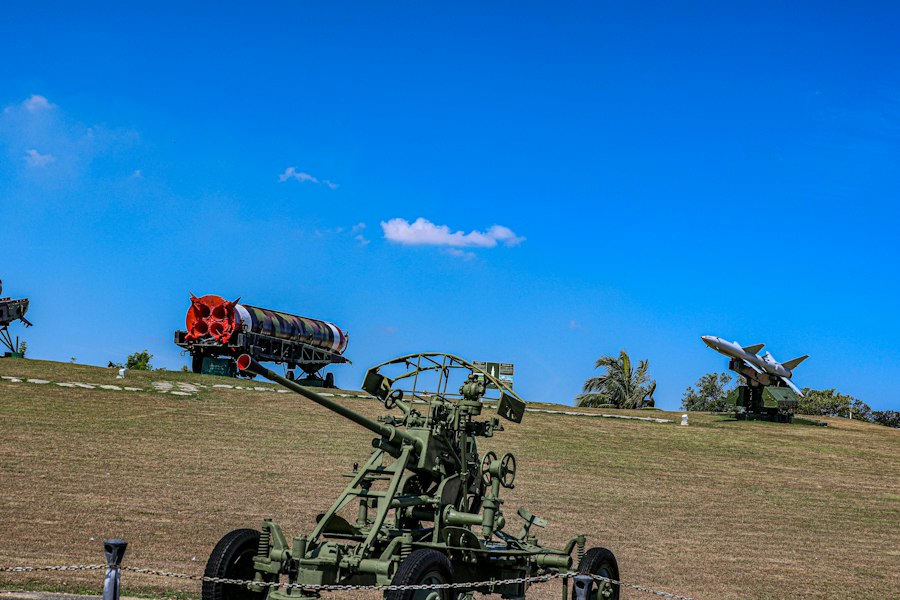
The initial shock of the R-7 propelled an ongoing evolution in missile technology on both sides of the Iron Curtain. Neither side rested on its laurels, and the relentless pursuit of technological superiority led to a continuous cycle of offensive innovation and defensive adaptation. The R-7, a product of its time, was eventually superseded by more advanced and sophisticated missile systems, but its legacy as a catalyst for this evolution remained undeniable.
MIRVs and the Increased Threat
A significant development that directly impacted the threat posed by ICBMs was the advent of Multiple Independently targetable Re-entry Vehicles (MIRVs). This technology allowed a single missile to carry multiple nuclear warheads, each capable of being independently guided to a separate target. The R-7, in its original configuration, carried a single warhead. However, the evolution of ICBM technology meant that subsequent Soviet missiles, and eventually American ones, could deliver a significantly larger number of warheads with greater accuracy. This drastically increased the destructive potential of a single missile launch and made the task of defending against such an attack even more daunting. MIRVs amplified the challenges for early warning systems and rendered ABM defenses far more complex, as they would need to intercept not one but many warheads. The proliferation of MIRV technology underscored the escalating nature of the arms race and the constant need for both offensive and defensive technological advancement.
The Role of Submarine-Launched Ballistic Missiles (SLBMs)
As land-based ICBMs became more vulnerable to attack, the development of Submarine-Launched Ballistic Missiles (SLBMs) offered a more survivable and elusive nuclear deterrent. The R-7 was a land-based missile. In contrast, submarines, submerged deep in the ocean, were incredibly difficult to detect and track. The US deployed its Polaris missile system on submarines, providing a potent second-strike capability that was largely invulnerable to a Soviet first strike aimed at land-based ICBM silos. The Soviets, in turn, developed their own SLBM programs, recognizing the strategic advantage of this platform. The R-7’s initial threat thus spurred the development of a new dimension of nuclear warfare, one that shifted the focus of deterrence and defense to the underwater domain. The constant cat-and-mouse game between submarine hunters and the submarines carrying these missiles became a crucial element of the Cold War naval strategy.
The Concept of “Launch on Warning” and Its Dangers
The escalating threat posed by intercontinental ballistic missiles, coupled with the increasing sophistication of early warning systems, led to the development of the controversial “Launch on Warning” (LOW) doctrine. This doctrine suggested that if a nation’s early warning systems detected an incoming Soviet nuclear attack, its own nuclear forces would launch in retaliation before the enemy missiles actually impacted. The R-7’s range and the potential for a surprise attack made this concept particularly attractive, albeit fraught with peril. The logic was that absorbing a first strike would be disastrous, and a pre-emptive retaliatory launch could ensure survival and inflict unacceptable damage. However, the inherent risks of false alarms from radar or other sensors were immense. A mistaken detection could trigger a nuclear exchange, leading to catastrophic consequences for all involved. This doctrine highlighted the hair-trigger nature of the Cold War and the immense pressure on decision-makers operating under the constant threat of annihilation.
The Geopolitical Impact and the Legacy of the R-7
The R-7 missile was far more than a military hardware; it was a potent symbol of Soviet power and a significant factor in shaping the geopolitical landscape of the Cold War. Its impact extended beyond military strategy, influencing international relations, scientific development, and public consciousness. The shadow it cast undeniably altered the course of global events for decades.
The Space Race and Technological Competition
The R-7’s role in launching Sputnik ignited the Space Race, a competitive endeavor between the United States and the Soviet Union to achieve superiority in space exploration and technology. The technological advancements required to build and launch the R-7 were immense, and its success demonstrated Soviet capabilities that the US felt compelled to match and surpass. This competition led to breakthroughs in rocketry, satellite technology, and computing, with significant spin-off benefits for civilian applications. The R-7, in its initial role as a booster for Sputnik, inadvertently became a catalyst for a peaceful, yet intensely competitive, technological race that captivated the world and pushed the boundaries of human innovation. The race to the Moon, a direct consequence of the Sputnik shock, stands as a testament to the R-7’s unforeseen influence on global scientific and technological progress.
The Arms Race and the Doctrine of Deterrence
The R-7’s existence undeniably fueled the arms race, pushing both superpowers to develop and stockpile increasingly destructive weaponry. The constant development of new missile systems, warheads, and delivery methods became a central feature of the Cold War. The doctrine of nuclear deterrence, particularly Mutually Assured Destruction (MAD), became the cornerstone of international security, a precarious balance maintained by the threat of overwhelming retaliation. The R-7, by demonstrating the feasibility of delivering nuclear weapons across continents, solidified the importance of nuclear weapons in the strategic thinking of both nations. This led to a prolonged period of global tension and the constant specter of nuclear war, a reality that profoundly shaped the anxieties and aspirations of generations.
Public Perception and the Fear of Nuclear Annihilation
The R-7 missile, along with the broader nuclear threat it represented, had a profound impact on public perception worldwide. The imagery of nuclear mushroom clouds and the terrifying potential of the R-7’s payload fostered a pervasive sense of fear and vulnerability. Civil defense programs, bomb shelters, and anti-nuclear activism became commonplace as populations grappled with the existential threat. The media played a significant role in disseminating this fear, often highlighting the destructive capabilities of nuclear weapons and the potential consequences of their use. The R-7, as one of the earliest and most potent symbols of this threat, contributed to a global consciousness of the dangers of nuclear proliferation and the urgent need for arms control, even amidst the ongoing arms race. The legacy of this fear continues to influence contemporary discussions about nuclear weapons and international security.
In response to the Soviet R-7 missile threat, military strategists developed various countermeasures to enhance national security. One insightful article that delves into the historical context and implications of this arms race can be found at this link. It explores the technological advancements and geopolitical tensions that shaped the Cold War era, providing a comprehensive understanding of how nations adapted to emerging threats.
Conclusion: The Enduring Significance of the R-7
| Metric | Details |
|---|---|
| Missile Type | Soviet R-7 Semyorka |
| First Launch | August 21, 1957 |
| Threat Level | High – First intercontinental ballistic missile (ICBM) capable of delivering nuclear warheads |
| US Response Strategy | Development of early warning radar systems and missile defense programs (e.g., Nike Zeus) |
| Early Warning Systems | Distant Early Warning (DEW) Line established in 1957-1960 |
| Missile Defense Initiatives | Project Nike (1955), Nike Zeus (early 1960s) |
| Diplomatic Response | Arms control talks leading to the Partial Test Ban Treaty (1963) |
| Impact on US Military Spending | Significant increase in missile defense and aerospace programs during late 1950s and early 1960s |
| Technological Advancements | Development of ICBMs by the US (Atlas, Titan) and satellite reconnaissance |
The R-7 missile, a product of intense Cold War ambition and a marvel of early rocket engineering, served as a stark harbinger of a new era of warfare and geopolitical tension. Its development and subsequent deployment irrevocably altered the global strategic calculus, forcing nations to confront the terrifying prospect of intercontinental nuclear attack. The R-7 was not merely a weapon; it was a catalyst that spurred unprecedented technological innovation, drove the relentless escalation of the arms race, and instilled a deep-seated fear of nuclear annihilation that permeated societies worldwide.
From Threat to Historical Artifact
While the R-7 itself was eventually superseded by more advanced and sophisticated missile systems, its historical significance endures. It represents a critical juncture in military history, marking the transition from conventional warfare to the age of nuclear deterrence. The challenges it presented forced the United States and its allies to develop comprehensive defense strategies, including sophisticated early warning systems, robust nuclear arsenals, and the complex strategic doctrines that guided the Cold War. The R-7’s impact on the Space Race, its role in shaping the geopolitical landscape, and its lasting influence on public consciousness are all testaments to its profound and enduring legacy. Today, the R-7 exists primarily as a historical artifact, a tangible reminder of a dangerous past and the vital lessons learned about the imperative of peace and de-escalation in the face of existential threats. Its story underscores the complex interplay between technological advancement, political ambition, and the perpetual human struggle for security and survival.
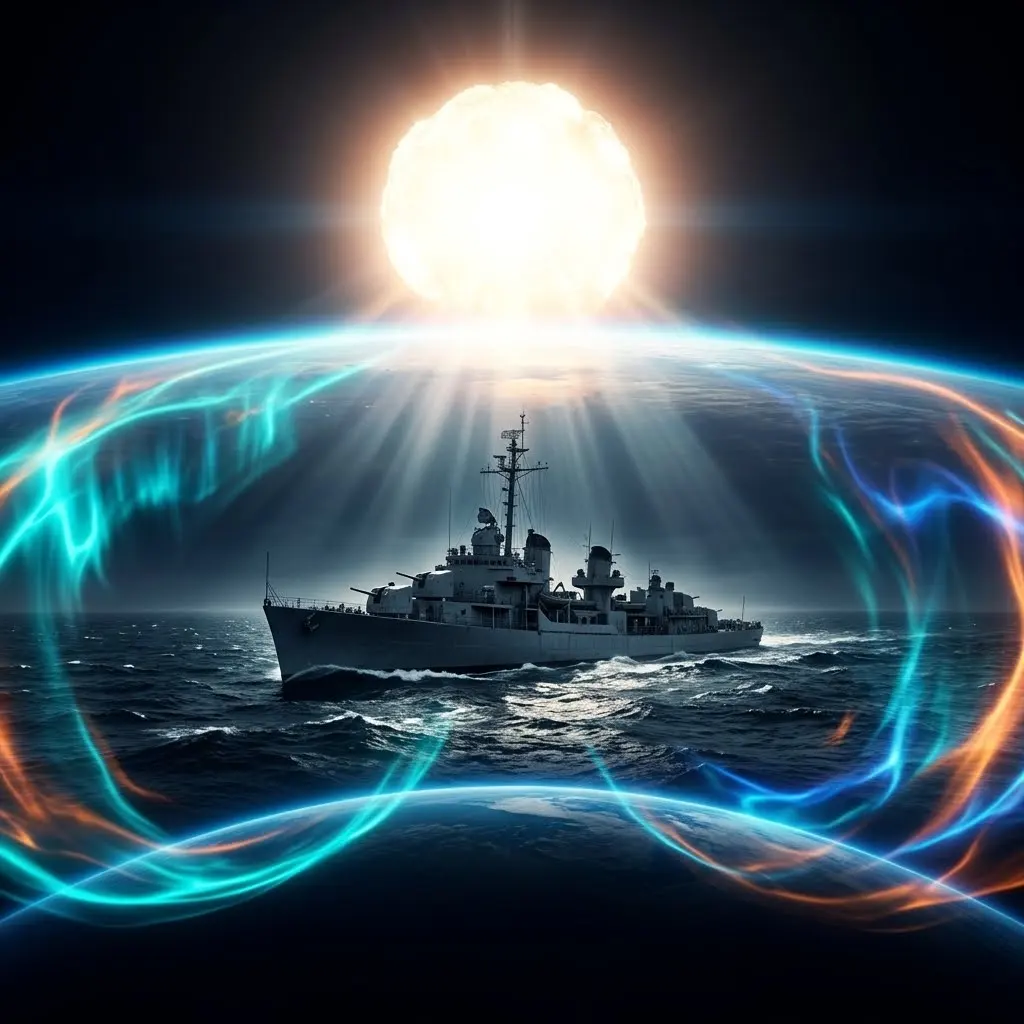
The 1958 Space Nukes Meant to Destroy Soviet Missiles
FAQs
What was the Soviet R-7 missile?
The Soviet R-7 missile, also known as the SS-6 Sapwood, was the world’s first intercontinental ballistic missile (ICBM) developed by the Soviet Union during the Cold War.
When was the Soviet R-7 missile developed?
The Soviet R-7 missile was developed in the late 1950s and became operational in 1959, marking a significant advancement in missile technology at the time.
What was the response to the Soviet R-7 missile threat?
In response to the Soviet R-7 missile threat, the United States initiated the development of its own ICBMs and established a policy of nuclear deterrence to prevent potential attacks.
How did the Soviet R-7 missile impact the arms race?
The development and deployment of the Soviet R-7 missile intensified the arms race between the United States and the Soviet Union, leading to increased tensions and a focus on nuclear capabilities.
Was the Soviet R-7 missile a significant factor in shaping Cold War policies?
Yes, the Soviet R-7 missile played a crucial role in shaping Cold War policies, influencing military strategies, defense spending, and diplomatic relations between the superpowers.