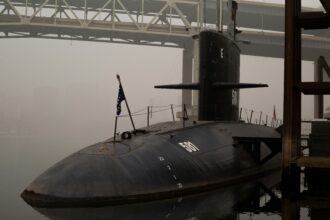
Project Azorian, a covert operation initiated by the Central Intelligence Agency (CIA) in the early 1970s, emerged from the geopolitical tensions of the Cold War. The backdrop of this ambitious endeavor was the sinking of the Soviet submarine K-129 in 1968, which occurred in the depths of the Pacific Ocean. The United States, keenly aware of the strategic implications of this incident, recognized an opportunity to gather intelligence that could potentially shift the balance of power.
The submarine, which had been on a mission to gather intelligence on U.S. naval operations, was lost with all hands aboard, and its wreckage lay at a depth of over 16,000 feet, making recovery a daunting task. The CIA’s interest in K-129 was not merely about salvaging a sunken vessel; it was about acquiring valuable technology and intelligence that could provide insights into Soviet naval capabilities.
The operation was shrouded in secrecy, and the agency sought to develop a plan that would allow them to recover the submarine without alerting the Soviets. This led to the creation of a cover story involving a deep-sea mining venture, which would serve as a façade for the true intentions behind Project Azorian. The operation’s origins were rooted in a combination of technological ambition and the relentless pursuit of strategic advantage during a time when espionage and intelligence gathering were paramount.
Key Takeaways
- Project Azorian was a secret CIA mission aimed at recovering a sunken Soviet submarine during the Cold War.
- The operation faced significant technical and logistical challenges, requiring innovative engineering solutions.
- The CIA played a central role in planning and executing the covert recovery effort.
- Project Azorian had a notable impact on Cold War intelligence and naval operations.
- The mission’s legacy includes advancements in deep-sea recovery technology and lessons for future intelligence projects.
The Mission and Objectives of Project Azorian
The primary mission of Project Azorian was to recover the K-129 submarine and its contents, which included cryptographic materials, weapons systems, and potentially sensitive intelligence data. The CIA aimed to extract as much information as possible from the wreckage to better understand Soviet military technology and tactics. This objective was not only about salvaging hardware; it was also about gaining insights into Soviet naval operations that could inform U.S.
military strategy and enhance national security. To achieve these ambitious goals, the CIA enlisted the help of Howard Hughes, a prominent American industrialist and aviator. Hughes’ company, Hughes Tool Company, was tasked with designing a specialized vessel named the Glomar Explorer, which would be capable of deep-sea recovery operations.
The mission’s objectives were multifaceted: not only did they seek to recover the submarine itself, but they also aimed to gather intelligence that could be used to counter Soviet advancements in underwater warfare. The stakes were high, as success could provide the U.S. with a significant edge in the ongoing Cold War.
The Challenges Faced during Project Azorian

Despite its ambitious goals, Project Azorian faced numerous challenges that tested the limits of technology and human ingenuity. One of the most significant hurdles was the extreme depth at which K-129 lay submerged. At over 16,000 feet beneath the ocean’s surface, the conditions were harsh and unforgiving.
The pressure at such depths posed a serious risk to any recovery operation, requiring innovative engineering solutions to ensure the safety and effectiveness of the mission. Additionally, the secrecy surrounding Project Azorian added layers of complexity to its execution. The CIA had to maintain a façade of legitimacy while conducting operations that could easily attract unwanted attention from both domestic and international observers.
This necessitated careful planning and coordination among various agencies and contractors involved in the project. The need for discretion meant that many individuals working on the project were unaware of its true purpose, leading to potential risks if any information were to leak.
The Role of the CIA in Project Azorian
| Metric | Details |
|---|---|
| Project Name | Project Azorian |
| Agency Involved | Central Intelligence Agency (CIA) |
| Objective | Recovery of a sunken Soviet submarine (K-129) |
| Operation Period | 1974 |
| Location | North Pacific Ocean |
| Vessel Used | Hughes Glomar Explorer |
| Depth of Recovery | Approximately 16,500 feet (5,000 meters) |
| Success Rate | Partial recovery; some parts of the submarine were retrieved |
| Secrecy Level | Highly classified; cover story involved deep-sea mining |
| Significance | One of the most ambitious and secretive CIA operations during the Cold War |
The CIA played a central role in orchestrating Project Azorian from its inception to its eventual execution. As the agency responsible for national security and intelligence gathering, it recognized the potential benefits of recovering K-129 and sought to leverage its resources to make it happen. The CIA’s involvement included not only strategic planning but also securing funding and coordinating with various private contractors who would contribute their expertise to the mission.
The agency’s clandestine nature allowed it to operate under a veil of secrecy, which was crucial for maintaining operational security. The CIA’s leadership understood that any hint of their true intentions could jeopardize the entire operation. As such, they employed various tactics to mislead potential adversaries while ensuring that their personnel remained focused on achieving their objectives.
This level of control and oversight was essential for navigating the complexities of Cold War espionage.
The Technological Innovations of Project Azorian
Project Azorian was not just a testament to human ambition; it also showcased remarkable technological innovations that pushed the boundaries of what was possible in deep-sea exploration. The Glomar Explorer, designed specifically for this mission, was equipped with advanced technology that allowed it to operate at unprecedented depths. Its unique design included a specialized recovery system capable of lifting heavy objects from the ocean floor while minimizing damage.
One of the most notable innovations was the use of remotely operated vehicles (ROVs) that could be deployed to survey the wreckage before any physical recovery attempts were made. These ROVs provided critical data about the condition of K-129 and helped engineers devise strategies for extraction. The technological advancements developed during Project Azorian not only contributed to its success but also laid the groundwork for future deep-sea exploration and recovery missions.
The Controversies Surrounding Project Azorian

Despite its ambitious goals and technological achievements, Project Azorian was not without controversy. The operation raised ethical questions about the lengths to which governments would go in pursuit of intelligence and national security. Critics argued that such covert operations could undermine international relations and contribute to an atmosphere of distrust between nations.
The secrecy surrounding Project Azorian also led to concerns about accountability and oversight within intelligence agencies. Moreover, there were debates about the environmental impact of deep-sea recovery operations. The extraction process involved significant disruption to marine ecosystems, raising questions about whether national security interests should take precedence over environmental considerations.
These controversies highlighted the complex interplay between intelligence operations and broader societal values, prompting discussions that continue to resonate in contemporary debates about government transparency and environmental stewardship.
The Impact of Project Azorian on Cold War Politics
Project Azorian had far-reaching implications for Cold War politics, influencing both U.
-Soviet relations and broader geopolitical dynamics. The successful recovery of K-129 provided the United States with valuable intelligence that informed military strategy and policy decisions during a critical period in history. This newfound knowledge allowed U.S. military planners to better understand Soviet capabilities and weaknesses, contributing to a more nuanced approach to Cold War diplomacy. The operation also served as a demonstration of American technological prowess, sending a message to both allies and adversaries about U.S. capabilities in intelligence gathering and military operations. This display of strength had implications for deterrence strategies during a time when nuclear tensions were high. By showcasing its ability to recover sensitive materials from deep within enemy territory, the United States reinforced its position as a formidable player on the global stage.
The Legacy of Project Azorian in Intelligence Operations
The legacy of Project Azorian extends beyond its immediate outcomes; it has left an indelible mark on intelligence operations and methodologies employed by agencies around the world. The lessons learned from this ambitious endeavor have informed subsequent covert operations, particularly those involving deep-sea exploration and recovery missions. The technological innovations developed during Project Azorian have been adapted for various applications in both military and civilian contexts.
Furthermore, Project Azorian underscored the importance of collaboration between government agencies and private industry in achieving complex objectives. The partnerships forged during this operation set a precedent for future intelligence initiatives that require specialized expertise and resources beyond what government entities can provide alone. As such, Project Azorian remains a case study in effective collaboration within the realm of national security.
The Unveiling of Project Azorian’s Secrets
For decades, Project Azorian remained shrouded in secrecy, with details emerging only gradually as declassified documents became available. In recent years, historians and researchers have pieced together the story behind this remarkable operation, shedding light on its complexities and significance within Cold War history. The unveiling of these secrets has sparked renewed interest in intelligence operations and their impact on global affairs.
As more information has come to light, scholars have been able to analyze Project Azorian’s implications for contemporary intelligence practices and international relations.
The gradual revelation of Project Azorian’s secrets serves as a reminder of the delicate balance between national security interests and public accountability.
The Significance of Project Azorian in Naval History
In addition to its implications for intelligence operations, Project Azorian holds a significant place in naval history as one of the most ambitious underwater recovery missions ever undertaken. The operation demonstrated not only technological innovation but also human determination in overcoming seemingly insurmountable challenges posed by nature’s depths. It marked a turning point in how navies approached underwater exploration and salvage operations.
The lessons learned from Project Azorian have influenced naval strategies worldwide, shaping how modern navies conduct underwater reconnaissance and salvage missions. Its legacy can be seen in contemporary efforts to explore oceanic depths for scientific research, resource extraction, and military applications alike. As such, Project Azorian stands as a testament to human ingenuity in navigating one of Earth’s final frontiers.
The Lessons Learned from Project Azorian
Ultimately, Project Azorian offers valuable lessons that extend beyond its immediate context into broader discussions about intelligence operations, ethics, and international relations. One key takeaway is the importance of balancing national security interests with ethical considerations regarding transparency and accountability. As governments continue to navigate complex geopolitical landscapes, understanding these dynamics will be crucial for maintaining public trust.
Moreover, Project Azorian highlights the significance of collaboration between government entities and private industry in achieving ambitious objectives. This partnership model can serve as a blueprint for future initiatives that require specialized expertise beyond what traditional government structures can provide alone. As nations grapple with evolving security challenges in an increasingly interconnected world, these lessons will remain relevant for shaping effective responses to emerging threats.
In conclusion, Project Azorian stands as a remarkable chapter in both intelligence history and naval exploration—a testament to human ambition, technological innovation, and complex geopolitical dynamics during one of history’s most tumultuous eras.
Intelligence gained from Project Azorian, a covert operation by the CIA to recover a sunken Soviet submarine, has had significant implications for naval warfare and espionage. For a deeper understanding of the strategic outcomes and historical context of this operation, you can read more in the article available at In the War Room. This resource provides insights into the technological advancements and intelligence strategies that emerged from this ambitious project.
WATCH THIS! The CIA’s Secret Mission to Recover a Nuclear Submarine: Project Azorian
FAQs
What was Project Azorian?
Project Azorian was a secret CIA operation in the early 1970s aimed at recovering a sunken Soviet submarine, K-129, from the Pacific Ocean floor using a specially designed ship called the Hughes Glomar Explorer.
What type of intelligence was gained from Project Azorian?
The intelligence gained included Soviet naval technology, cryptographic materials, and insights into Soviet submarine operations and capabilities during the Cold War.
Why was Project Azorian significant during the Cold War?
It was significant because it demonstrated the U.S. ability to conduct deep-sea recovery operations to obtain valuable intelligence on Soviet military technology, enhancing U.S. strategic knowledge and counterintelligence efforts.
Was Project Azorian publicly known at the time it was conducted?
No, the project was highly classified and kept secret for many years. Details only became public decades later after declassification and investigative reporting.
What challenges did Project Azorian face in recovering the submarine?
The operation faced technical challenges such as deep-sea recovery at depths of over 16,000 feet, engineering a ship capable of lifting the submarine, and maintaining secrecy from Soviet surveillance.
Did Project Azorian recover the entire submarine?
No, the operation recovered only a portion of the submarine. Some parts broke off during the lift and sank back to the ocean floor.
How did Project Azorian impact U.S. intelligence capabilities?
It advanced U.S. capabilities in underwater recovery and intelligence gathering, providing valuable information on Soviet technology and influencing future covert operations.
What was the Hughes Glomar Explorer?
The Hughes Glomar Explorer was a specially built ship designed to conduct the deep-sea recovery mission for Project Azorian, disguised as a commercial mining vessel to conceal its true purpose.
Are there any known documents or reports about Project Azorian?
Yes, some documents have been declassified and are available through the CIA and other government archives, providing insights into the operation and its outcomes.
Did Project Azorian have any long-term effects on U.S.-Soviet relations?
While it was a covert operation, the discovery of such intelligence activities contributed to the ongoing mistrust and espionage dynamics characteristic of the Cold War era.