The ground effect vehicle, commonly known as an ekranoplan or WIG (Wing-in-Ground-effect) craft, represents a significant paradigm shift in naval warfare capabilities. These unique hybrid machines, operating in the transitional space between a boat and an airplane, leverage the aerodynamic phenomenon of ground effect to achieve remarkable speed, stealth, and operational versatility. Their ability to skim over the water’s surface at high velocities, largely unaffected by surface chop and wave action, unlocks a range of tactical applications that were previously confined to speculative fiction. From rapid troop deployment and coastal assault to anti-submarine warfare and precision strike missions, the ekranoplan’s potential to revolutionize naval tactics is profound and far-reaching.
The Aerodynamic Advantage of Ground Effect
The fundamental principle that underpins the ekranoplan’s effectiveness is the exploitation of ground effect. This aerodynamic phenomenon occurs when a wing operates in close proximity to a surface, such as the ground or water. As the wing generates lift, the air beneath it becomes compressed, creating a cushion of high-pressure air. This compressed air significantly reduces induced drag, the drag created by the generation of lift, allowing the aircraft to fly with considerably less power and greater efficiency. For an ekranoplan, this means it can achieve speeds far exceeding conventional naval vessels while maintaining a low profile and relatively quiet operation.
Understanding Induced Drag and Lift Generation
Induced drag is an inherent consequence of lift generation. As a wing produces lift, high-pressure air from beneath the wing attempts to flow around the wingtip to the low-pressure area above, creating wingtip vortices. These vortices represent wasted energy and contribute to drag. However, when a wing is close to a surface, the ground effectively acts as a barrier, preventing or significantly hindering the formation of these wingtip vortices. This confinement of airflow beneath the wing leads to a more efficient lift-to-drag ratio, translating into higher speeds and reduced fuel consumption for a given payload and range.
The Ekranoplan’s Unique Flight Envelope
The ekranoplan operates in a distinct flight envelope, typically between 1 to 10 meters above the water surface. This low altitude provides a unique tactical advantage. It allows the craft to outrun the effective range of many surface-to-air missile (SAM) systems designed for higher-flying targets. Furthermore, its low radar cross-section, particularly when compared to traditional aircraft operating at higher altitudes, makes it a difficult target for radar detection. While not entirely invisible, its signature is significantly reduced, offering a degree of stealth that enhances survivability in contested environments. The ability to transition from water to low-altitude flight and back again adds another layer of operational flexibility.
Ekranoplans, often referred to as “ground effect vehicles,” have garnered attention for their unique capabilities in military applications, particularly in coastal and riverine operations. Their ability to skim just above the water’s surface allows for high-speed travel while remaining less detectable to radar. For a deeper understanding of the potential military uses of ekranoplans, you can read a related article that explores their strategic advantages and operational challenges at this link.
Versatility in Troop and Cargo Transport

One of the most immediately apparent military applications for ekranoplans is in the rapid and efficient deployment of troops and cargo. Their high speed and ability to traverse water make them ideal for amphibious assault operations, bypassing traditional beach landing challenges and delivering forces directly to strategic objectives with unprecedented speed. The sheer volume of personnel and equipment that can be transported by larger ekranoplan variants rivals that of dedicated landing craft but with a significantly reduced transit time.
Rapid Amphibious Assault and Coastal Infiltration
Imagine a scenario where an invading force needs to secure a hostile coastline. Instead of a slow, vulnerable approach by landing craft or a high-risk parachute drop, ekranoplans could deliver assault troops directly onto beaches or even inland waterways within minutes. This speed significantly reduces the enemy’s reaction time, allowing the assaulting force to establish a foothold before significant resistance can be mobilized. The ekranoplan’s ability to operate from open sea, away from heavily defended port facilities, also enhances the strategic surprise of an amphibious operation. Furthermore, their shallow draft allows them to operate in rivers and estuaries, enabling deep infiltration into enemy territory, bypassing coastal defenses entirely.
Logistical Support and Resupply in Contested Zones
Beyond initial assault, ekranoplans offer a vital solution for logistical support and resupply in contested zones. Conventional supply lines are often vulnerable to interdiction by enemy air or naval forces. Ekranoplans, with their speed and low-profile operation, can penetrate these contested areas to deliver essential supplies, ammunition, and reinforcements with a reduced risk of interception. This capability is particularly crucial in scenarios where maintaining a continuous flow of materiel is paramount to the success of ongoing operations. Their ability to operate from unconventional, unimproved landing zones further expands their logistical reach.
Offensive and Defensive Naval Warfare Capabilities
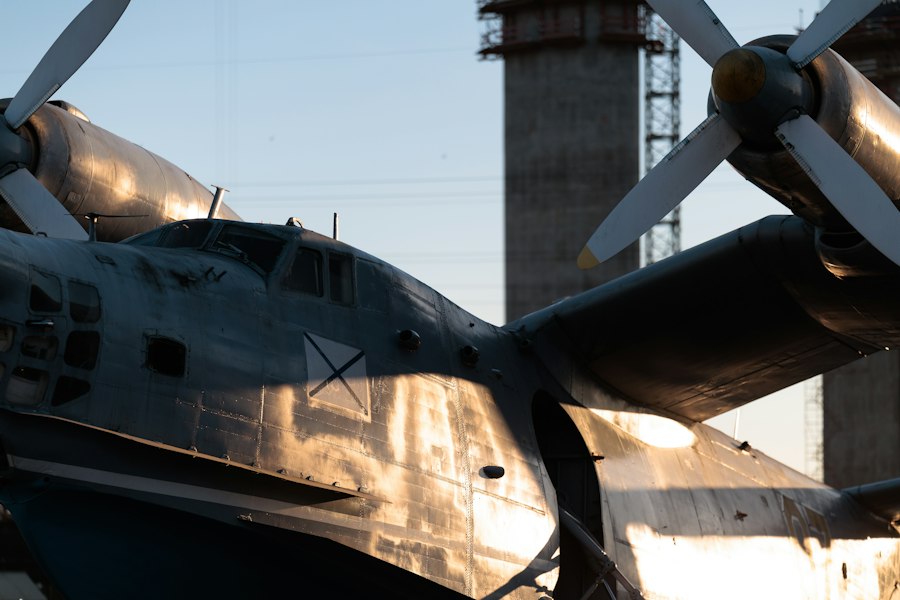
The tactical advantages of ekranoplans extend beyond mere transport; they are formidable platforms for both offensive and defensive naval operations. Their speed, stealth, and payload capacity allow them to engage a wide range of maritime threats and contribute to a layered defense strategy.
Anti-Ship Missile Deployment and Interception
Larger ekranoplan variants can be armed with anti-ship missiles, transforming them into potent offensive platforms. Their ability to approach targets at high speed and low altitude, often outside the effective engagement envelope of traditional naval anti-missile systems, presents a significant threat to enemy warships. Conversely, ekranoplans can also be equipped with advanced sensor suites and missile systems to serve as highly mobile anti-missile platforms, capable of intercepting incoming threats to friendly naval formations. Their speed allows them to rapidly redeploy to intercept threats from various vectors.
Anti-Submarine Warfare (ASW) Operations
The unique operating environment of ekranoplans offers novel possibilities for anti-submarine warfare. Their ability to fly at low altitudes allows them to deploy sonar buoys and other detection equipment over vast areas of water with unprecedented speed. This can significantly enhance the speed and coverage of submarine detection operations. Furthermore, certain ekranoplan designs could potentially be equipped with torpedoes or depth charges, enabling them to rapidly engage submerged threats once detected, thereby closing the “kill chain” much more effectively than traditional ASW platforms. Their ability to patrol extensive ocean areas quickly is a significant force multiplier in the ongoing cat-and-mouse game between submarines and their pursuers.
Stealth and Survivability on the High Seas
The inherent design of the ekranoplan, particularly its low operating altitude and relatively small radar cross-section, contributes significantly to its stealth and survivability in a modern naval combat environment. This reduced detectability allows for a range of tactical maneuvers that are not feasible for conventional naval assets.
Reduced Radar and Visual Signatures
By flying just meters above the water, ekranoplans benefit from the obscuring effect of the sea’s surface, which can disrupt radar signals. While not completely invisible to radar, their signature is significantly less pronounced than that of aircraft operating at higher altitudes. Visually, their low profile makes them harder to spot from a distance, especially in conditions of moderate sea state or reduced visibility. This makes surprise attacks more feasible and increases the survivability of the craft against detection-based threats.
Evasion Tactics and Operational Range
The high speeds achievable by ekranoplans allow for rapid evasion of threats. If detected, they can quickly accelerate and maneuver to escape the engagement envelope of many weapons systems. Their operational range, especially when compared to some high-speed naval craft that expend significant fuel maintaining high speeds, is also notable. This allows them to conduct extended patrols, rapid response missions, and operate far from their home bases without the need for constant refueling. The combination of speed and reduced detectability creates a challenging target for adversaries, forcing them to adapt their own tactical responses.
The concept of ekranoplans has garnered significant interest in military applications, particularly due to their unique ability to traverse water at high speeds while maintaining a low profile. This innovative technology has the potential to revolutionize naval operations, offering advantages in stealth and rapid deployment. For a deeper understanding of how these vehicles could be integrated into modern warfare strategies, you can explore a related article that discusses their implications in detail. Check it out here.
Future Developments and Tactical Integration
| Metric | Value | Description |
|---|---|---|
| Maximum Speed | 500 km/h | Typical top speed of military ekranoplans |
| Operational Range | 1,000 – 2,000 km | Distance ekranoplans can travel without refueling |
| Payload Capacity | 20 – 100 tons | Weight of cargo, troops, or weapons carried |
| Service Ceiling | 10 – 15 meters | Typical altitude above water surface during operation |
| Primary Roles | Troop Transport, Missile Carrier, Reconnaissance | Common military applications of ekranoplans |
| Stealth Capability | Moderate | Low radar signature due to ground effect operation |
| Deployment Regions | Coastal Areas, Large Lakes, Seas | Typical environments for military use |
| Notable Models | KM “Caspian Sea Monster”, A-90 Orlyonok | Famous military ekranoplans developed by the Soviet Union |
The potential of the ekranoplan is still being explored, and future developments promise to further enhance their military applications. Ongoing research and development are focused on improving their all-weather capabilities, increasing their payload, and integrating them more seamlessly into existing naval command and control structures. The true revolution in naval warfare will likely come not just from the ekranoplan itself, but from how it is strategically employed as part of a combined arms approach.
Advanced Propulsion and All-Weather Operation
Future ekranoplan designs are expected to incorporate more advanced propulsion systems, potentially including hybrid electric or even advanced jet engines, to further enhance speed, fuel efficiency, and thrust vectoring capabilities. Research is also focused on mitigating the effects of adverse weather conditions, such as high waves and strong winds, which can currently limit operational effectiveness. Developing ekranoplans that can operate reliably in a wider range of environmental conditions will significantly expand their global deployment potential and operational readiness.
Integration into Network-Centric Warfare
The true tactical revolution will involve the seamless integration of ekranoplans into modern network-centric warfare doctrines. This means ensuring that ekranoplan data streams, such as sensor information and positional updates, are shared in real-time with other naval assets, intelligence platforms, and command centers. This interconnectedness will allow for coordinated operations, rapid target designation, and optimized resource allocation. The ekranoplan, when networked effectively, can become an extension of the fleet’s senses, providing a unique perspective and rapid response capability that enhances the overall combat effectiveness of the naval force. The continued evolution of these craft, coupled with strategic doctrinal development, positions the ekranoplan as a significant factor in the future of naval warfare.

The Soviet Warship That Learned to Fly
FAQs
What is an ekranoplan?
An ekranoplan is a type of aircraft that uses ground effect to fly at low altitudes over water surfaces, combining characteristics of both airplanes and boats.
How are ekranoplans used in military applications?
Ekranoplans have been considered for military applications such as maritime patrol, anti-submarine warfare, troop transport, and amphibious assault due to their ability to fly at high speeds over water while carrying heavy payloads.
What are the advantages of using ekranoplans in military operations?
Ekranoplans offer advantages such as high speed, fuel efficiency, ability to operate in rough seas, and the element of surprise due to their ability to fly at very low altitudes, making them difficult to detect by radar.
Are there any limitations to using ekranoplans in military applications?
Some limitations of ekranoplans in military applications include limited maneuverability compared to traditional aircraft, vulnerability to adverse weather conditions, and the need for specialized training for pilots and crew members.
Have any countries successfully deployed ekranoplans for military purposes?
Yes, the Soviet Union developed and deployed several ekranoplans for military use, including the Lun-class ekranoplan designed for anti-ship missions. Currently, countries like Russia and China are exploring the potential of ekranoplans for military applications.