
The history of deep sea mining can be traced back to the mid-20th century when the allure of untapped resources beneath the ocean’s surface began to capture the imagination of scientists and entrepreneurs alike. The initial forays into this uncharted territory were marked by a combination of curiosity and necessity, as nations sought new sources of minerals and metals to fuel their growing economies. The first significant attempts at deep sea mining were primarily focused on the extraction of polymetallic nodules, which are rich in valuable metals such as nickel, copper, and cobalt.
As technology advanced, so did the ambitions of those involved in deep sea mining. The 1970s saw the establishment of various research programs aimed at understanding the geological and biological aspects of the ocean floor.
These early explorations laid the groundwork for future mining operations, as scientists began to map out potential mining sites and assess the feasibility of extracting resources from such depths. However, these pioneering efforts were not without challenges; the harsh conditions of the deep sea, including extreme pressure and low temperatures, posed significant obstacles that required innovative solutions.
Key Takeaways
- Deep sea mining has evolved from early experimental efforts to advanced technological operations.
- Robotics play a crucial role in enhancing the efficiency and safety of deep sea mining activities.
- Environmental and ecological impacts of deep sea mining raise significant concerns and require careful management.
- International regulations are essential to govern deep sea mining and protect ocean ecosystems.
- Deep sea mining holds potential to address global resource shortages but involves complex ethical and social considerations.
The Pioneers of Deep Sea Mining Technology
The development of deep sea mining technology was driven by a handful of visionary pioneers who recognized the potential of the ocean’s depths. Among them was Dr. Robert Ballard, renowned for his discovery of the Titanic wreck, who also contributed to underwater exploration technologies.
His work highlighted the importance of remotely operated vehicles (ROVs) and submersibles in navigating the challenging underwater environment. These innovations allowed researchers to explore previously inaccessible areas of the ocean floor, paving the way for future mining endeavors. Another key figure in the early days of deep sea mining was Dr.
McGowan, who played a crucial role in developing techniques for extracting polymetallic nodules. His research focused on understanding the geological formations that housed these valuable resources and how best to access them without causing significant disruption to the surrounding ecosystem.
The collaboration between scientists and engineers during this period was instrumental in advancing deep sea mining technology, leading to the creation of specialized equipment designed to withstand the extreme conditions found at great depths.
The Evolution of Deep Sea Mining Equipment
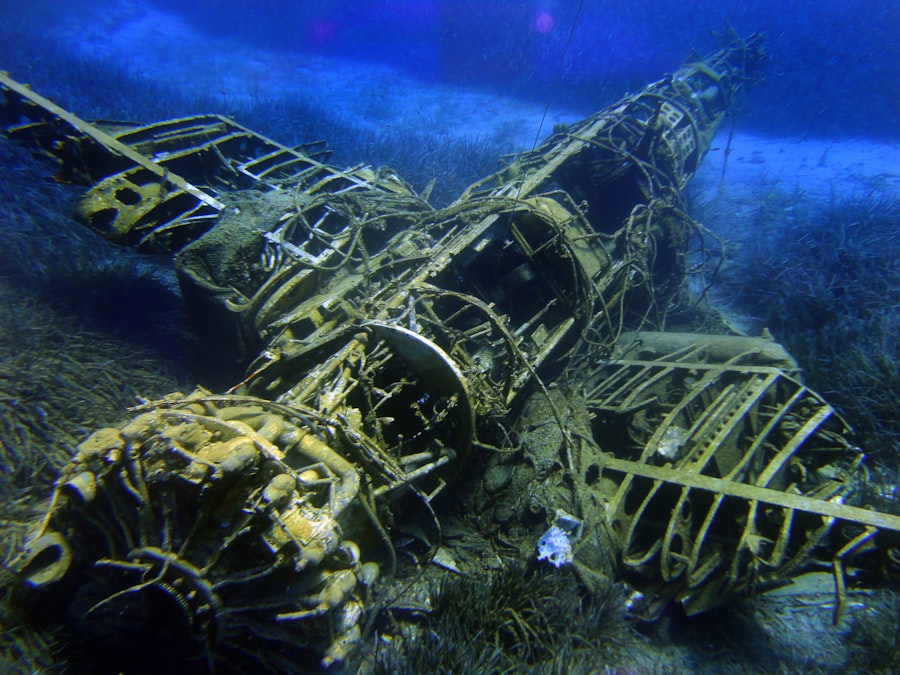
As deep sea mining gained momentum, so too did the evolution of equipment designed for this purpose. The early tools used for underwater exploration were rudimentary at best, often relying on basic mechanical systems that struggled to cope with the challenges posed by deep-sea environments. However, as knowledge and technology progressed, so did the sophistication of mining equipment.
The introduction of advanced ROVs equipped with high-definition cameras and manipulative arms revolutionized underwater exploration, allowing for more precise operations and better data collection. In addition to ROVs, advancements in autonomous underwater vehicles (AUVs) have played a significant role in deep sea mining. These unmanned vehicles are capable of conducting surveys and mapping the ocean floor with remarkable accuracy.
They can operate independently for extended periods, collecting valuable data that informs mining strategies and environmental assessments. The integration of cutting-edge technologies such as sonar mapping and 3D imaging has further enhanced the capabilities of deep sea mining equipment, enabling operators to identify optimal mining sites while minimizing environmental impact.
The Role of Robotics in Deep Sea Mining
| Metric | Description | Value/Range | Unit |
|---|---|---|---|
| Depth Capability | Maximum operational depth of mining robots | 4000 – 6000 | meters |
| Autonomy Level | Degree of independent operation without human intervention | Semi-autonomous to Fully autonomous | n/a |
| Payload Capacity | Maximum amount of material a robot can collect per trip | 1 – 5 | tons |
| Operational Duration | Continuous operation time before maintenance is required | 24 – 72 | hours |
| Navigation Accuracy | Precision in positioning and maneuvering underwater | ±0.5 – 1.0 | meters |
| Energy Source | Type of power supply used by mining robots | Battery, Tethered Power, Hybrid | n/a |
| Environmental Impact Monitoring | Robotic sensors used to assess ecological effects | Real-time data collection | n/a |
| Communication Range | Distance over which robots can communicate with surface vessels | Up to 10 | kilometers |
Robotics has become an integral part of deep sea mining operations, transforming how resources are extracted from the ocean floor. The use of robotic systems allows for greater precision and efficiency in mining activities, reducing the risks associated with human involvement in such hazardous environments. Robotic arms equipped with specialized tools can perform intricate tasks such as cutting, drilling, and collecting samples from the seabed with minimal disturbance to surrounding ecosystems.
Moreover, robotics has enabled real-time monitoring and data collection during mining operations. Advanced sensors and cameras mounted on robotic systems provide valuable insights into the conditions of the ocean floor and the impact of mining activities on marine life. This data is crucial for ensuring compliance with environmental regulations and for developing strategies to mitigate potential harm to delicate ecosystems.
As technology continues to advance, it is likely that robotics will play an even more prominent role in shaping the future of deep sea mining.
Environmental Concerns Surrounding Deep Sea Mining
Despite its potential benefits, deep sea mining raises significant environmental concerns that cannot be overlooked. The extraction process can lead to habitat destruction, sediment plumes, and pollution, all of which pose threats to marine ecosystems. The delicate balance of life in these deep-sea environments is easily disrupted by human activities, leading to long-term consequences that are not yet fully understood.
One major concern is the impact on biodiversity in areas targeted for mining. Many species that inhabit these depths are still largely unknown to science, making it difficult to assess the full extent of potential damage caused by mining operations. Additionally, the disturbance of sediments can release toxic substances that have been trapped for centuries, further endangering marine life.
As awareness of these environmental issues grows, there is an increasing call for more stringent regulations and responsible practices within the industry.
The Impact of Deep Sea Mining on Ocean Ecosystems
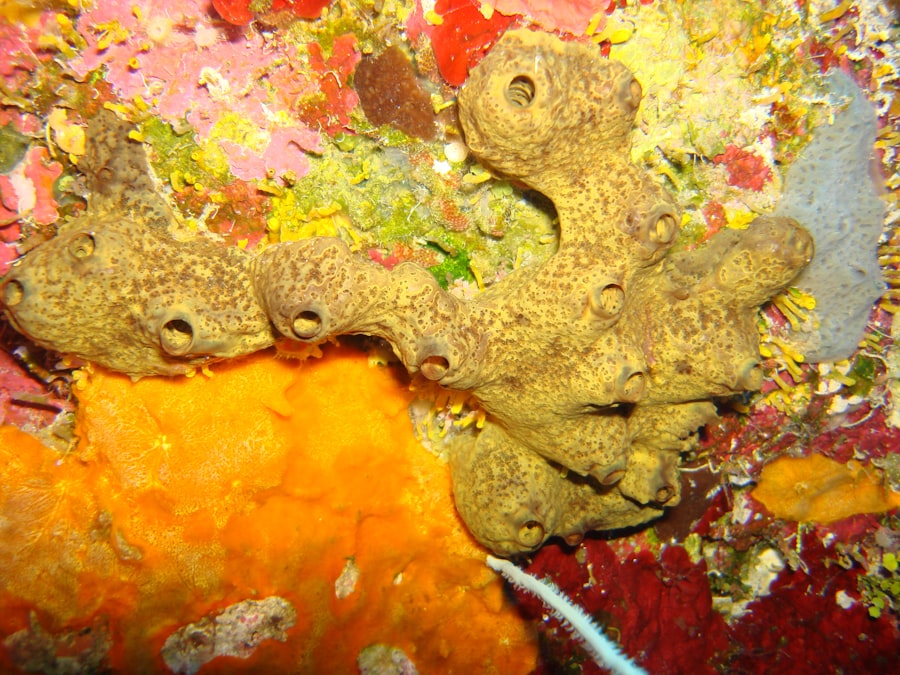
The impact of deep sea mining on ocean ecosystems is a complex issue that requires careful consideration. Mining activities can lead to significant alterations in seabed habitats, affecting not only the organisms that reside there but also those that rely on these habitats for food and shelter. The removal of polymetallic nodules and other resources can disrupt established ecological relationships, potentially leading to declines in certain species populations.
Furthermore, the sediment plumes generated during mining operations can spread over vast areas, smothering corals and other sensitive marine organisms. This sedimentation can hinder photosynthesis in photosynthetic organisms and disrupt feeding patterns among filter feeders. As a result, entire food webs may be affected, leading to cascading effects throughout the ecosystem.
Understanding these impacts is crucial for developing effective management strategies that balance resource extraction with environmental protection.
The Future of Deep Sea Mining Technology
Looking ahead, the future of deep sea mining technology appears promising yet fraught with challenges. Innovations in artificial intelligence and machine learning are expected to enhance operational efficiency and safety in deep-sea environments. These technologies can analyze vast amounts of data collected during exploration and mining activities, allowing for more informed decision-making regarding resource extraction and environmental management.
Moreover, advancements in sustainable practices are likely to shape the future landscape of deep sea mining. As public awareness grows regarding environmental issues associated with resource extraction, companies may be compelled to adopt more responsible practices that prioritize ecological preservation alongside economic gain. This shift could lead to the development of new technologies designed specifically to minimize environmental impact while maximizing resource recovery.
Deep Sea Mining and International Regulations
The regulation of deep sea mining is a complex issue that involves multiple stakeholders at both national and international levels. The United Nations Convention on the Law of the Sea (UNCLOS) provides a framework for governing activities in international waters, including provisions related to resource extraction. However, enforcement remains a challenge due to the vastness of ocean territories and varying national interests.
As interest in deep sea mining continues to grow, there is an urgent need for comprehensive international regulations that address environmental concerns while promoting responsible resource management. Collaborative efforts among nations can help establish guidelines that ensure sustainable practices are followed during mining operations. Additionally, ongoing research into the ecological impacts of deep sea mining will be essential for informing policy decisions and fostering a balanced approach to resource extraction.
The Economics of Deep Sea Mining
The economics of deep sea mining presents both opportunities and challenges for nations seeking to capitalize on underwater resources. With increasing demand for metals such as lithium and cobalt—essential components in modern technology—deep sea mining offers a potential solution to meet global resource needs. However, the high costs associated with exploration and extraction pose significant barriers to entry for many companies.
Investments in deep sea mining technology require substantial financial backing, often necessitating partnerships between private enterprises and government entities. Additionally, fluctuating market prices for minerals can impact profitability, making it essential for companies to carefully assess economic viability before committing resources to deep-sea projects. As technology continues to evolve and operational efficiencies improve, it is likely that deep sea mining will become a more economically viable option in the future.
The Potential for Deep Sea Mining to Meet Global Resource Demands
As global populations continue to grow and technological advancements drive demand for various metals and minerals, deep sea mining presents a tantalizing opportunity to meet these resource demands sustainably. The ocean floor is believed to hold vast reserves of untapped resources that could play a crucial role in supporting industries ranging from renewable energy to electronics manufacturing. However, realizing this potential requires a careful balance between resource extraction and environmental stewardship.
Sustainable practices must be prioritized to ensure that deep sea mining does not come at the expense of fragile marine ecosystems. By investing in research and development aimed at minimizing ecological impacts while maximizing resource recovery, society can harness the benefits of deep sea mining without compromising ocean health.
The Ethical and Social Implications of Deep Sea Mining
The ethical considerations surrounding deep sea mining are multifaceted and warrant careful examination. On one hand, proponents argue that accessing these resources can contribute significantly to economic development and technological advancement. On the other hand, there are concerns about equity and justice—particularly regarding who benefits from these resources and who bears the environmental costs associated with extraction.
Indigenous communities and coastal nations often find themselves at the forefront of these discussions as they navigate their rights over marine resources and their responsibilities toward protecting their environments. Engaging local communities in decision-making processes related to deep sea mining is essential for ensuring that their voices are heard and their interests are represented. Ultimately, fostering a dialogue that encompasses diverse perspectives will be crucial for addressing the ethical implications associated with this emerging industry while promoting sustainable practices that benefit both people and planet alike.
Deep sea mining technology has its origins in various advancements in marine exploration and resource extraction techniques. For a deeper understanding of the implications and developments surrounding this technology, you can refer to a related article on the topic at In The War Room. This resource provides insights into the challenges and opportunities presented by deep sea mining, highlighting its significance in the context of global resource demands.
WATCH THIS! The CIA’s Secret Mission to Recover a Nuclear Submarine: Project Azorian
FAQs
What is deep sea mining technology?
Deep sea mining technology refers to the specialized equipment and methods used to explore, extract, and process mineral resources from the ocean floor, typically at depths of 200 meters or more.
When did deep sea mining technology originate?
The origins of deep sea mining technology date back to the mid-20th century, with initial research and experimental operations beginning in the 1960s and 1970s as interest in underwater mineral resources grew.
What were the early developments in deep sea mining technology?
Early developments included remotely operated vehicles (ROVs), underwater drilling and cutting tools, and sediment collection systems designed to operate under high pressure and low light conditions on the ocean floor.
Which countries or organizations pioneered deep sea mining technology?
Countries such as the United States, Japan, and Russia, along with international organizations and private companies, were among the pioneers in developing and testing deep sea mining technologies.
What types of minerals are targeted by deep sea mining?
Deep sea mining primarily targets polymetallic nodules, polymetallic sulphides, and cobalt-rich ferromanganese crusts, which contain valuable metals like manganese, nickel, copper, cobalt, and rare earth elements.
What challenges influenced the development of deep sea mining technology?
Challenges include extreme ocean depths, high pressure, corrosive saltwater environments, limited visibility, and the need to minimize environmental impact, all of which have driven technological innovation.
How has deep sea mining technology evolved over time?
Technology has evolved from basic mechanical tools to advanced robotic systems, improved underwater navigation, real-time data transmission, and environmentally sensitive extraction methods.
Is deep sea mining technology currently in commercial use?
As of now, deep sea mining technology is mostly in the experimental and pilot project stages, with commercial-scale operations still under development and subject to regulatory and environmental considerations.
What role do international regulations play in deep sea mining technology development?
International regulations, such as those established by the International Seabed Authority (ISA), set guidelines and licensing requirements that influence the design, testing, and deployment of deep sea mining technologies to ensure sustainable practices.
What future advancements are expected in deep sea mining technology?
Future advancements may include more autonomous mining robots, enhanced environmental monitoring systems, improved resource processing techniques, and greater integration of artificial intelligence for operational efficiency.