The Caspian Sea, a vast inland body of water bordered by Russia, Iran, Azerbaijan, Kazakhstan, and Turkmenistan, has long been a theater of strategic importance. At the heart of Russia’s historical and ongoing involvement in this region lies its Caspian Flotilla. More than just a naval force, the Flotilla represents a multifaceted instrument of Russian foreign policy, power projection, and economic security. Its history is intrinsically linked to the geopolitical shifts in Eurasia, and its strategic impact continues to resonate across the Caspian basin and beyond.
Origins and Early Development of the Flotilla
The story of the Caspian Flotilla is one that stretches back centuries, beginning with the ambitions of Tsar Peter the Great. It was his vision to establish a permanent Russian naval presence on the Caspian Sea, a move driven by both trade and territorial expansion. The initial foundation was laid in the early 18th century, with the creation of shipyards and the gradual assembly of a fleet.
The Petrine Era and the Birth of a Naval Force
Peter the Great’s interest in the Caspian stemmed from a desire to secure trade routes to Persia and India, and to counter the influence of other regional powers, notably the Ottoman Empire. In 1722, during the Russo-Persian War, Peter personally oversaw the construction of warships at Kazan and their subsequent deployment down the Volga River to the Caspian. This marked the formal establishment of a Russian naval presence, albeit in its nascent form. The Astrakhan Admiralty, founded in the same year, became the principal base for naval operations. The early fleet consisted of a mix of galleys, frigates, and smaller vessels, tasked with protecting Russian shipping, enforcing territorial claims, and engaging in amphibious operations. The initial successes in securing ports like Derbent and Baku solidified Russia’s foothold in the region. This period was characterized by a pragmatic approach to shipbuilding and naval strategy, focusing on the immediate needs of expansion and defense. The early navigators and shipwrights faced considerable challenges, including the harsh climate and the need to adapt shipbuilding techniques to the unique conditions of the Volga-Don waterway.
Expansion and Evolution Through the Imperial Period
Throughout the 18th and 19th centuries, the Caspian Flotilla continued to grow and adapt. While not facing major naval adversaries on the scale of the Baltic or Black Sea Fleets, it played a crucial role in consolidating Russian control over the Caucasus and Central Asia. The Flotilla supported military campaigns, patrolled vast coastlines, and facilitated troop movements. Its composition evolved, with larger sailing ships and eventually steam-powered vessels joining the ranks. Key naval bases were developed and strengthened, particularly in Astrakhan and Baku. The Flotilla also engaged in hydrographic surveys, charting the Caspian’s complex waterways and identifying strategic anchorages. It was during this era that the Flotilla began to develop a more defined operational doctrine, focusing on gunboat diplomacy, coastal defense, and the projection of Russian power inland via river systems. The Crimean War, while primarily fought on other fronts, saw the Caspian Flotilla play a limited but important role in maintaining supply lines and preventing Ottoman incursions from the south. The late 19th century witnessed the introduction of more modern warships, reflecting advancements in naval technology and the growing strategic importance of the Caspian.
The Soviet military Caspian flotilla played a crucial role in the naval strategy of the Soviet Union during the Cold War, particularly in asserting dominance over the Caspian Sea region. For a deeper understanding of the strategic implications and historical context of this naval force, you can read the related article available at this link.
The Soviet Era: A Central Component of Soviet Power
The advent of the Soviet Union brought about a significant reorientation of the Caspian Flotilla. Under Soviet rule, it was transformed from an imperial force into a key element of the Red Navy’s broader strategy, serving as a vital tool for defending Soviet territory, projecting influence, and supporting economic activities within the vast Soviet sphere.
Reorganization and the Great Patriotic War
Following the Bolshevik Revolution, the Caspian Flotilla underwent a period of reorganization and integration into the nascent Soviet Navy. Initially, its role was somewhat ambiguous, but it soon became clear that the Flotilla would be crucial for defending the Soviet Union’s southern flank and securing vital oil transport routes. During the Great Patriotic War (World War II), the Caspian Flotilla played a critical role despite not being directly involved in the major land battles against Nazi Germany. Its primary responsibilities included transporting vital supplies and military equipment across the Caspian Sea to the Caucasian front, particularly to support the defense of Stalingrad and the oilfields of Baku. The Flotilla also conducted patrols to prevent enemy incursions and to protect Soviet shipping. Its ships and personnel were crucial in maintaining the vital lifeline that connected the resource-rich Caucasus with the rest of the Soviet Union. The Flotilla also contributed personnel to land-based anti-aircraft units and naval infantry formations, showcasing its versatility. The threat of German air and submarine attacks, while not fully materialized on the Caspian, necessitated constant vigilance and preparedness.
Post-War Modernization and Strategic Responsibilities
In the post-war era, the Caspian Flotilla underwent significant modernization, incorporating new technologies and a more diverse range of vessels. It was tasked with a broader spectrum of responsibilities, including coastal defense, anti-submarine warfare, and the protection of Soviet maritime borders. The Flotilla became a platform for advanced naval exercises, honing the skills of its crews and testing new equipment. Its strategic importance was amplified by the Soviet Union’s growing influence in the Middle East and its desire to maintain a naval presence in this strategically sensitive region. The Flotilla’s role extended to supporting Soviet fishing fleets and ensuring the security of offshore oil and gas installations, a foreshadowing of its future economic security functions. The development of new classes of ships, including missile boats and patrol craft, enhanced its offensive and defensive capabilities. The Flotilla also played a role in diplomatic missions and exercises with friendly navies, projecting Soviet naval power beyond its immediate borders. The Cold War era saw the Caspian Flotilla as an integral part of the Soviet Union’s global naval strategy, even if its operations were largely confined to the inland sea.
Post-Soviet Russia and the Resurgence of the Flotilla
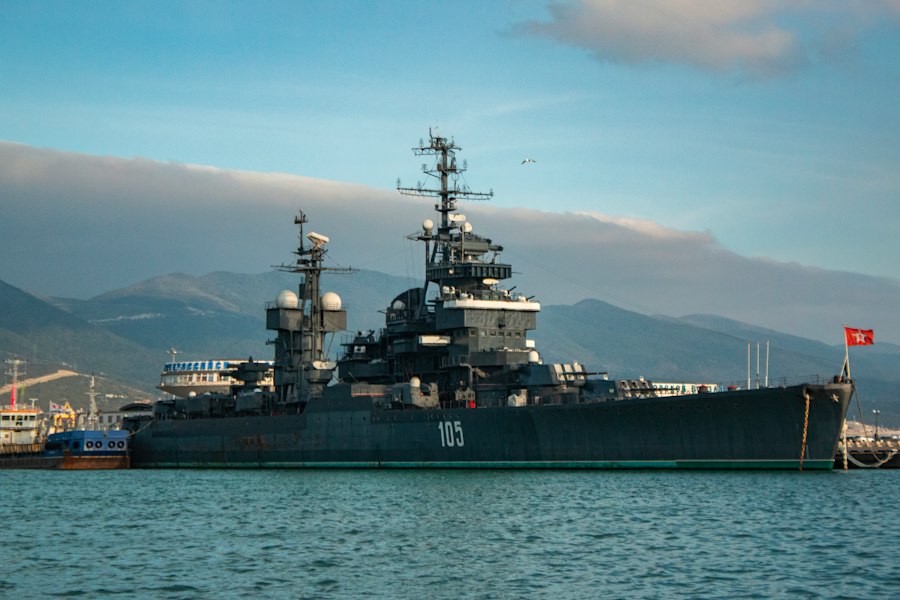
The collapse of the Soviet Union presented the Caspian Flotilla with a period of significant uncertainty and decline. However, as Russia reasserted its interests in the region, the Flotilla began a process of revival, adapting to new geopolitical realities and re-establishing its strategic significance.
Challenges and Reconfiguration in the 1990s
The 1990s were a tumultuous period for the Caspian Flotilla. With the dissolution of the Soviet Union, the Flotilla found itself divided among newly independent states and facing severe underfunding. Many of its assets were either transferred to other nations, decommissioned, or fell into disrepair. Russia inherited the largest portion, but its operational capacity was severely diminished. The Flotilla’s primary challenge was to re-establish its presence and operational readiness with limited resources. It had to contend with the emergence of new national navies and the shifting strategic landscape of the Caspian basin, where previously unified Soviet control had fragmented. The focus shifted from large-scale power projection to more localized tasks, such as border security and anti-piracy operations. Nevertheless, even in this diminished state, the Flotilla remained a potent symbol of Russian presence and a crucial element in maintaining regional stability, albeit with a reduced capacity.
Revitalization and Modernization in the 21st Century
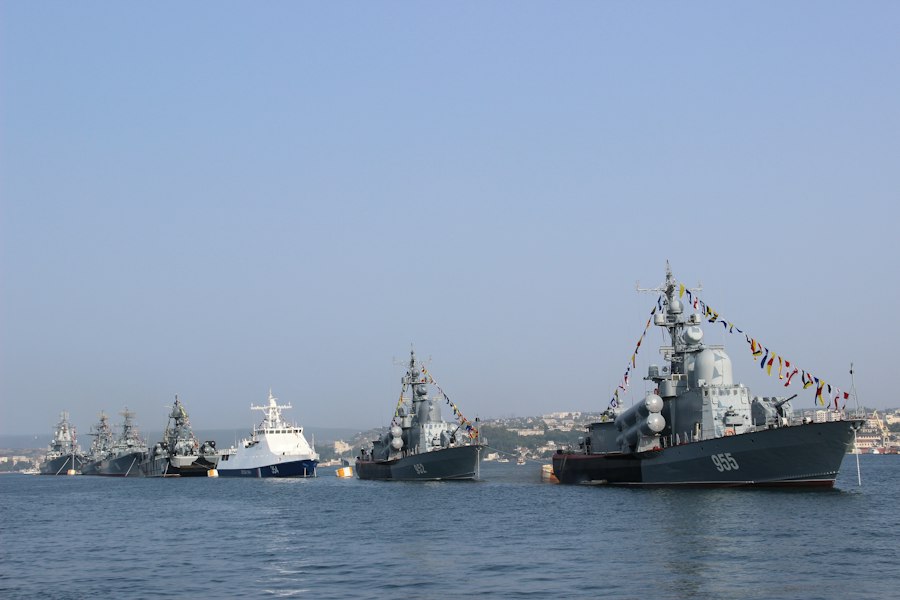
In the 21st century, Russia has embarked on a determined effort to revitalize and modernize the Caspian Flotilla. Driven by renewed strategic interests, including energy security and counter-terrorism, significant investments have been made in upgrading its fleet and enhancing its capabilities. New generations of warships, including corvettes equipped with advanced missile systems, have been commissioned. The Flotilla has received modern patrol boats, landing craft, and specialized support vessels. Emphasis has also been placed on improving command and control systems, communications, and intelligence gathering capabilities. Regular exercises, often conducted in conjunction with other Russian military branches and occasionally with littoral states, have become a hallmark of its renewed operational tempo. This revitalization signals Russia’s intent to maintain a significant military presence in the Caspian, capable of responding to a range of security challenges and projecting its influence effectively. The modernization efforts have focused on creating a more agile and technologically advanced force, well-suited to the specific operational environment of the Caspian Sea.
Strategic Roles and Operational Capabilities
The Caspian Flotilla’s strategic importance is multifaceted, encompassing a range of roles from traditional naval functions to newer responsibilities aligned with contemporary security concerns. Its operational capabilities have been enhanced to meet these diverse demands.
Power Projection and Regional Influence
The Caspian Flotilla serves as a primary instrument of Russian power projection in the Caspian basin. Its presence and capabilities allow Russia to exert influence over regional security affairs and to respond swiftly to emerging threats. The deployment of modern warships, particularly those equipped with Kalibr cruise missiles, provides a significant deterrent capability and enables the Flotilla to strike targets at considerable distances. This enhances Russia’s ability to shape the geopolitical landscape of the region and to protect its strategic interests, which include energy resources and trade routes. The Flotilla’s operations also demonstrate Russia’s commitment to the security of its southern borders and its readiness to defend its allies and partners. Regular naval exercises, often involving multiple vessels and advanced weaponry, underscore its operational readiness and its capacity to conduct complex maritime operations. Furthermore, the Flotilla’s presence contributes to the broader strategic balance in the Caspian, influencing the decision-making of other littoral states.
Maritime Security and Counter-Terrorism Operations
In the post-Soviet era, the Caspian Flotilla has increasingly focused on maritime security and counter-terrorism operations. The Caspian Sea is a vital transit route for oil and gas, and the protection of these energy infrastructures is a key priority. The Flotilla conducts patrols to deter piracy, illegal fishing, and smuggling, ensuring the safety of maritime traffic and the security of offshore installations. It plays a crucial role in interdiction operations and in responding to potential acts of sabotage or terrorism. Furthermore, the Flotilla is involved in intelligence gathering and surveillance to monitor potential threats, including the movement of extremist groups or illicit cargo. Its specialized units and equipment are designed to address the unique challenges of operating in the Caspian’s complex environment. The Flotilla’s ability to conduct joint operations with other Russian security agencies, such as the Border Guard Service, further enhances its effectiveness in maintaining maritime security.
Support for Economic Interests and Resource Protection
The Caspian Sea is rich in oil and gas reserves, and the protection of these vital economic interests is a significant component of the Caspian Flotilla’s mission. The Flotilla is tasked with ensuring the security of offshore drilling platforms, pipelines, and the transportation of hydrocarbons across the sea. Its presence acts as a deterrent against potential threats to these valuable assets, including sabotage, terrorism, or interference by other state or non-state actors. The Flotilla’s surveillance capabilities allow it to monitor maritime traffic in the vicinity of energy infrastructure and to respond rapidly to any suspicious activity. This role is crucial for Russia’s energy security and its economic well-being. The Flotilla’s operations in this regard are a clear demonstration of its integrated approach to national security, where military capabilities are directly employed to safeguard economic prosperity. The development of specialized vessels and equipment for the protection of maritime infrastructure further underscores this commitment.
The Soviet military Caspian flotilla played a crucial role in the naval strategy of the USSR, particularly during the Cold War era. For those interested in exploring the historical significance and operational details of this naval force, a related article can provide valuable insights. You can read more about the strategic implications and missions of the flotilla in this comprehensive piece on naval history. To learn more, visit this article for an in-depth analysis.
The Flotilla in the Modern Geopolitical Landscape
| Metric | Details |
|---|---|
| Establishment | 1918 |
| Main Base | Baku, Azerbaijan SSR |
| Primary Role | Naval defense and control of the Caspian Sea |
| Fleet Size (Cold War era) | Approximately 30-40 vessels including missile boats, patrol ships, and support vessels |
| Notable Vessels | Project 205 missile boats, Project 1124 Grisha-class corvettes |
| Personnel | Estimated 3,000-5,000 sailors and officers |
| Operational Area | Caspian Sea and adjacent coastal waters |
| Disbandment | 1991 (after dissolution of the Soviet Union) |
The Caspian Flotilla operates within a dynamic and complex geopolitical environment. Its activities and capabilities are shaped by the evolving relationships between the littoral states, the influence of external powers, and the ongoing strategic competition in the wider Eurasian region.
Inter-State Relations and Joint Exercises
Relations between Russia and the other Caspian littoral states – Iran, Azerbaijan, Kazakhstan, and Turkmenistan – are characterized by a mix of cooperation and competition. The Caspian Flotilla frequently participates in joint naval exercises with the navies of these countries, fostering interoperability and building confidence. These exercises, often focused on themes such as search and rescue, anti-piracy, and maritime security, contribute to regional stability and demonstrate a commitment to collaborative approaches to common challenges. However, underlying these cooperative efforts are also strategic divergences and potential rivalries, particularly concerning the demarcation of maritime boundaries and the exploitation of resources. The Flotilla’s actions and deployments are often closely watched by its neighbors, and its capabilities are a significant factor in the regional balance of power. Russia’s continued investment in the Flotilla signals its intent to maintain a leading role in Caspian security architecture.
The Caspian as a Strategic Theater: External Influences
While the Caspian Sea is geographically landlocked, it is not immune to the influence of global powers and broader geopolitical trends. The United States and NATO, though not direct littoral states, maintain an interest in the region, particularly concerning energy security and preventing the dominance of any single power. The presence of the Caspian Flotilla is seen in this context as a manifestation of Russia’s strategic ambition to maintain its historical sphere of influence and to counter any perceived encroachment. Conversely, Russia views the Caspian Flotilla as a crucial asset in deterring external interference and safeguarding its national interests. The ongoing development and modernization of the Flotilla, including the integration of advanced missile systems, are indicative of Russia’s proactive approach to securing its position in this strategically important region, especially in light of potential competition and its proximity to volatile areas like the Caucasus and the Middle East.

The Soviet Warship That Learned to Fly
FAQs
What was the Soviet military Caspian flotilla?
The Soviet military Caspian flotilla was a naval fleet of the Soviet Union that operated in the Caspian Sea. It was responsible for protecting Soviet interests in the region and maintaining naval presence in the Caspian Sea.
When was the Soviet military Caspian flotilla established?
The Soviet military Caspian flotilla was established in 1722 by Peter the Great. It was one of the oldest fleets in the Russian Navy and played a significant role in various military operations throughout its history.
What was the primary role of the Soviet military Caspian flotilla?
The primary role of the Soviet military Caspian flotilla was to defend the Soviet Union’s interests in the Caspian Sea region. It was also responsible for conducting naval exercises, ensuring maritime security, and supporting ground operations in the area.
How did the Soviet military Caspian flotilla contribute to the Soviet Union’s military capabilities?
The Soviet military Caspian flotilla played a crucial role in enhancing the Soviet Union’s military capabilities by providing naval support for ground operations, conducting reconnaissance missions, and deterring potential threats in the Caspian Sea region.
What happened to the Soviet military Caspian flotilla after the dissolution of the Soviet Union?
After the dissolution of the Soviet Union in 1991, the Soviet military Caspian flotilla was divided among the newly independent states bordering the Caspian Sea. Each state inherited a portion of the fleet, leading to the formation of separate naval forces in the region.