The Ghost in the Wall: Bill Harvey’s Shadow Over Cold War Berlin
The name Bill Harvey is not one that typically graces the grand narratives of public history. Yet, for those who delve into the shadowy world of Cold War espionage, his presence looms large, particularly in the crucible of divided Berlin. A man forged in the crucible of wartime intelligence and seasoned in the raw, unforgiving landscape of post-war Germany, Harvey was a pivotal figure in the CIA’s early, often audacious, operations. His tenure in Berlin, a city cleaved in two by an ideological chasm, was marked by daring gambits, strategic brilliance, and a profound understanding of the human element in the deadly game of intelligence. He was a master of the clandestine, a strategist who operated not just with documents and informants, but with an instinct for the psychological currents that flowed through the divided city.
Harvey’s legacy is inextricably linked to the very fabric of Cold War Berlin. He was instrumental in establishing and directing some of the CIA’s most ambitious and dangerous initiatives, aimed at understanding and countering the Soviet Union’s burgeoning influence in East Germany. His methods, often considered unorthodox, even reckless by some, were born out of necessity in a city where the stakes were astronomical, and the margin for error was infinitesimally small. He embodied the relentless, often thankless, pursuit of intelligence that characterized the early years of the Cold War, a period when the lines between friend and foe were blurred, and the threat of annihilation was a constant, chilling presence.
Bill Harvey, a notable figure in the CIA’s operations in Berlin during the Cold War, has been the subject of various analyses and discussions regarding intelligence strategies and covert operations. For those interested in exploring more about the intricacies of espionage during this tumultuous period, a related article can be found at this link, which delves into the broader context of intelligence activities in Berlin and their impact on global politics.
Berlin: The Frontline of Ideological Warfare
Berlin, in the years following World War II, was more than just a city; it was a microcosm of the global struggle between democracy and communism. Divided into four sectors by the victorious Allied powers, it quickly became the most volatile flashpoint of the burgeoning Cold War. The Soviet sector in the East solidified into the German Democratic Republic (GDR), a socialist state firmly tethered to Moscow’s orbit. The Western sectors, under American, British, and French control, evolved into West Berlin, a democratic enclave surrounded by communist territory, a stark symbol of Western defiance. This unique geopolitical position made Berlin an unparalleled intelligence battleground, a place where defectors, spies, and double agents moved through a labyrinth of suspicion and opportunity.
For the CIA, Berlin was a prime target. Understanding the intentions and capabilities of the Soviet military and the East German security apparatus was paramount. The city offered a direct, albeit perilous, window into the Soviet bloc. Information flowing out of East Berlin was crucial for Western policymakers, and the CIA was tasked with acquiring it by any means necessary. This necessitated the establishment of a robust intelligence presence, a network of operatives, and a sophisticated operational infrastructure. It was within this high-stakes environment that Bill Harvey found his calling and honed his formidable skills.
The Early Days of CIA Presence in Germany
Before his significant contributions in Berlin, Bill Harvey’s career was shaped by his experiences in World War II. His service in the Office of Strategic Services (OSS), the precursor to the CIA, provided him with a foundational understanding of intelligence gathering and clandestine operations. After the war, as the geopolitical landscape shifted dramatically, Harvey transitioned into the newly formed Central Intelligence Agency. His early assignments in post-war Germany placed him directly at the heart of the emerging East-West conflict. He witnessed firsthand the complexities of dealing with a defeated nation grappling with division and the encroaching shadow of Soviet influence. These formative experiences instilled in him a deep appreciation for the nuances of German culture, politics, and the unique challenges of operating in a deeply divided society. His ability to navigate these complexities, coupled with his unwavering resolve, made him an ideal candidate for the increasingly critical role he would play in Berlin.
The Uniqueness of Berlin as an Intelligence Hub
The physical and political realities of Berlin made it an exceptionally fertile ground for intelligence operations. The open border between East and West, though increasingly fortified, allowed for a continuous flow of people and information. Defectors, driven by ideological conviction, economic hardship, or sheer desperation, sought refuge in the West, often carrying invaluable intelligence. Conversely, Western operatives could infiltrate the East, establishing contacts and gathering information under the guise of ordinary citizens. The presence of Allied garrisons, diplomatic missions, and numerous international organizations also provided cover for intelligence activities. However, this very openness also meant constant surveillance by the Stasi, the notoriously efficient East German secret police, making every operation a tightrope walk between success and capture. The constant threat of discovery, the pervasive atmosphere of suspicion, and the sheer volume of potential intelligence made Berlin a dynamic, and exceptionally dangerous, theatre for espionage.
Operation Gold and the Tunnel Under the Wall

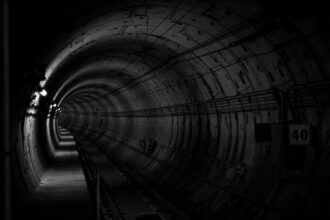
Perhaps the most audacious and well-known operation spearheaded by Bill Harvey in Berlin was Operation Gold, later codenamed Operation Silver. This ambitious undertaking aimed to tap into Soviet communication lines by constructing a tunnel from West Berlin into East Berlin. The intelligence gathered from these lines was expected to provide invaluable insights into Soviet military plans and intentions in Germany. The planning and execution of Operation Gold were a testament to Harvey’s strategic thinking and his ability to manage a complex, high-risk project under extreme secrecy.
The construction of the tunnel, which began in 1958 and lasted for over a year, was a monumental feat of engineering and clandestine operation. It involved hundreds of American and British technicians and construction workers, working in shifts, often under the watchful eyes of Soviet patrols and East German border guards. The tunnel stretched for over 1,400 feet, burrowing beneath the Soviet sector of Berlin. The sheer audacity of the plan was breathtaking; a direct physical assault on Soviet communication infrastructure, carried out literally beneath their feet. The success of Operation Gold, however, was ultimately compromised, not by its construction or operational vulnerabilities, but by the timely exposure of a KGB mole within the British intelligence service, who leaked the operation’s existence to the Soviets.
The Technical Marvel of the Tunnel
The construction of the tunnel was a marvel of engineering and subterfuge. Digging through the earth beneath a heavily patrolled border presented enormous logistical challenges. The project required meticulous planning to avoid detection, including noise suppression, waste disposal, and the constant threat of encountering existing underground structures or utilities. The tunnel itself was approximately four feet by seven feet, allowing for easy access for technicians and equipment. It was equipped with state-of-the-art listening devices, transmitting the intercepted communications back to a Western monitoring station. The psychological impact of such a project, the idea of an invisible hand reaching into the heart of Soviet communications, was as significant as the intelligence it promised to yield. The tunnel represented a bold, almost defiant, assertion of Western ingenuity and determination in the face of Soviet dominance.
The Shadow of Treachery: Penetration of Operation Gold
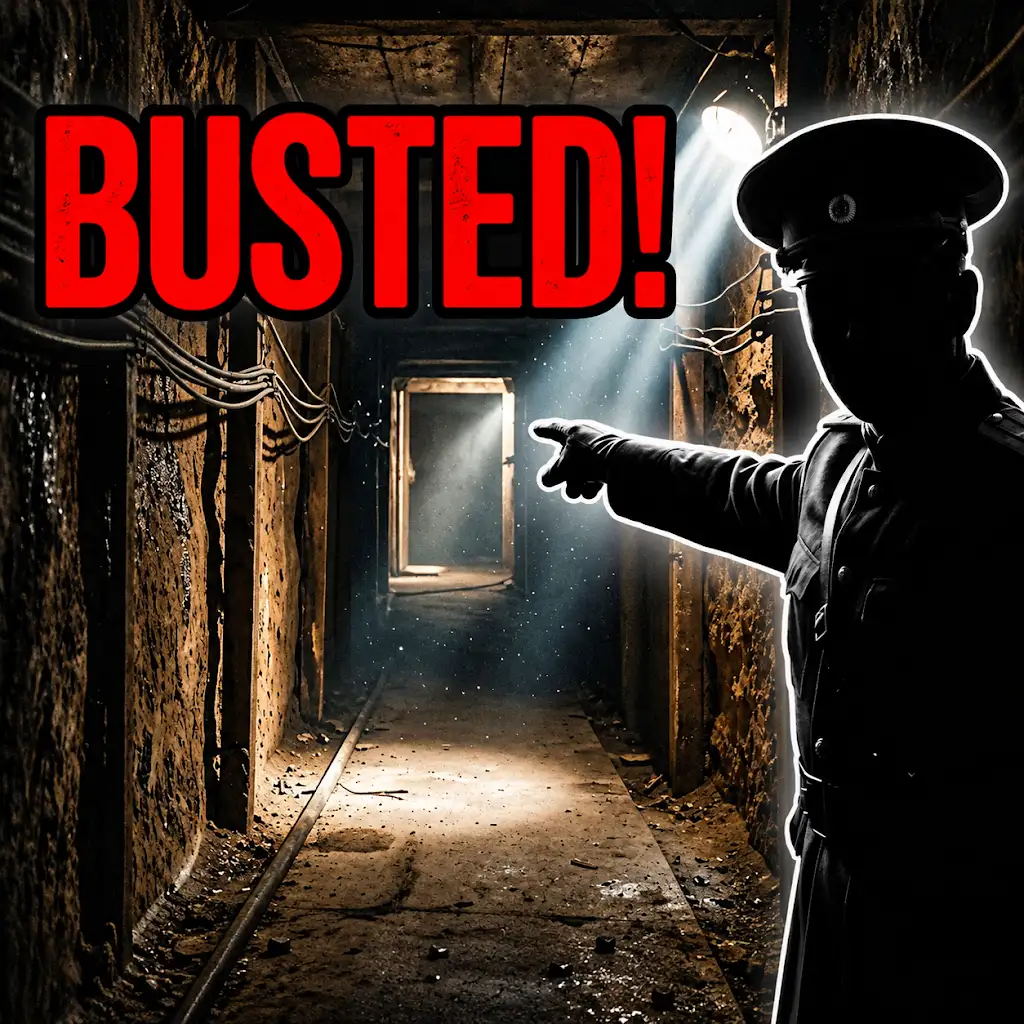
The revelation of Operation Gold’s existence to the Soviets was a devastating blow. The intelligence indicated that the KGB had been aware of the tunnel’s existence from its very inception, allowing them to passively monitor Western intelligence collection and even feed them misinformation. The breach in security was attributed to a mole within the British intelligence services, a testament to the pervasive nature of Soviet counterintelligence. While the tunnel continued to operate for a period, its effectiveness was severely diminished. The Soviets, aware of the operation, could control the information they allowed to be intercepted, turning a powerful intelligence tool into a carefully managed disinformation channel. This betrayal underscored the constant threat of infiltration and the brutal reality of the intelligence wars, where even the most elaborate plans could be undone by a single act of disloyalty. The episode served as a harsh lesson for Western intelligence agencies about the depth and reach of Soviet espionage.
Harvey’s Leadership Style: Ruthless Efficiency and Calculated Risk
Bill Harvey was not known for his affability or his gentle approach to intelligence work. He was a man of action, driven by a fierce sense of duty and an unwavering commitment to the mission. His leadership style was characterized by a no-nonsense attitude, a demand for absolute competence, and a willingness to take calculated risks. He believed in empowering his operatives, but also in holding them to the highest standards. This often translated into intense pressure and demanding expectations, but it also fostered an environment where agents could achieve extraordinary results.
Harvey’s methods were often described as “hard-boiled.” He understood the psychology of defection and defection attempts, and he was not afraid to exploit the vulnerabilities and desires of individuals who wished to escape the East. He was a shrewd judge of character, able to identify those with the courage and the skills to undertake dangerous missions. His unwavering focus on results, sometimes at the expense of established protocols, earned him both admiration and criticism. However, in the brutal environment of Cold War Berlin, where the stakes were life and death, his methods often proved effective.
The Cultivation of Defectors and Agents
A significant aspect of Harvey’s operational strategy involved the recruitment and management of defectors and agents from East Germany. He recognized the immense value of human intelligence, the individuals who possessed firsthand knowledge of Soviet and East German military capabilities, political intentions, and societal dynamics. Harvey invested considerable resources in establishing networks to facilitate defections and to vet and train those who were willing to cooperate with Western intelligence. This often involved providing sanctuary, financial support, and sometimes even new identities for those who had taken the perilous step of crossing the Iron Curtain. The careful cultivation of these individuals, ensuring their loyalty and protecting them from retribution, was a delicate and dangerous art.
The Morality of Espionage: Harvey’s Pragmatism
The world of espionage is rarely one of clear moral lines. Bill Harvey, operating in the grey zones of Cold War intelligence, embodied a pragmatic approach to achieving objectives. He was not known for agonizing over the ethical implications of his actions, but rather for his focus on mission success. This pragmatism could manifest in various ways, including the use of deception, the manipulation of individuals, and the acceptance of collateral damage as an unfortunate but sometimes necessary byproduct of clandestine operations. His approach was often driven by the belief that the existential threat posed by the Soviet Union justified extraordinary measures. This perspective, while effective in achieving intelligence goals, also raises complex questions about the boundaries of acceptable conduct in the pursuit of national security, questions that continue to be debated in the context of historical analysis.
Bill Harvey’s intriguing role in the CIA during the Berlin operations has been the subject of much discussion, particularly regarding his contributions to intelligence strategies during the Cold War. For those interested in exploring more about the complexities of espionage and covert operations, a related article can be found at In the War Room, which delves into the broader implications of intelligence work in historical contexts. This resource provides valuable insights into the intricate world of spies and the pivotal moments that shaped modern history.
The Berlin Wall: A Symbol of Failure and a New Reality
| Metric | Details |
|---|---|
| Name | Bill Harvey |
| Affiliation | Central Intelligence Agency (CIA) |
| Location | Berlin |
| Role | Intelligence Officer |
| Active Period | Cold War Era |
| Known For | Espionage and intelligence gathering in Berlin |
The construction of the Berlin Wall in August 1961 represented a dramatic turning point in the Cold War and a significant setback for Western intelligence efforts, including those led by Bill Harvey. The Wall physically solidified the division of Berlin, making clandestine crossings and penetrations exponentially more difficult and dangerous. It was a stark, brutal testament to the failure of the West to prevent the complete solidification of Soviet control over East Germany and a visible symbol of the Iron Curtain descending across Europe. For Harvey and his operatives, the Wall represented a new and formidable challenge, forcing a re-evaluation of strategies and operations.
The Wall transformed Berlin from a city with a porous border into a heavily fortified frontier. This immediate impact on intelligence gathering was profound. The previous ease with which agents could move between East and West was severely curtailed. The Wall also had a significant psychological impact, both on the inhabitants of Berlin and on the broader global stage. It was a stark visual representation of the ideological divide, a constant reminder of the stakes involved in the Cold War.
The Wall’s Impact on Clandestine Operations
The physical barrier of the Berlin Wall fundamentally altered the nature of espionage in the city. Prior to its construction, while dangerous, there was a degree of movement and access that allowed for a more fluid intelligence collection process. The Wall, however, created an almost insurmountable obstacle. It necessitated the development of new, more elaborate, and often more dangerous methods of crossing or circumventing the barrier. Tunneling, rappelling, and the use of specialized equipment became more prevalent, each with its own inherent risks. The increased security measures along the Wall also meant a heightened risk of detection and capture for any operative attempting to cross. The Wall effectively turned Berlin into a fortress, where every operation required meticulous planning and a deep understanding of the ever-evolving security apparatus.
The Shift in Intelligence Priorities
With the physical barrier of the Wall in place, the focus of intelligence efforts in Berlin had to adapt. While the desire to gather information from East Germany remained, the methods and priorities shifted. The emphasis moved towards more sophisticated technical intelligence, such as signals intelligence and satellite surveillance, to overcome the physical limitations imposed by the Wall. Human intelligence operations continued, but they became more complex and riskier, often relying on longer-term recruitment and carefully orchestrated infiltration strategies. The sheer symbolic power of the Wall also meant that intelligence related to its construction, maintenance, and the propaganda surrounding it became increasingly important. Harvey and his teams were forced to innovate, to find new ways to penetrate the heavily fortified East and to extract valuable intelligence from behind a concrete curtain.
Legacy and the Enduring Shadow of Bill Harvey
Bill Harvey’s contributions to CIA operations in Berlin during the Cold War are undeniable, though often shrouded in the secrecy that defined his profession. He was a pivotal figure in the early, high-stakes games of espionage, a man who understood the strategic importance of Berlin and the unique challenges it presented. His leadership, characterized by a relentless pursuit of intelligence and a willingness to take bold risks, left an indelible mark on the agency and on the history of Cold War operations.
While Operation Gold, his most famous endeavor, ultimately ended in compromise, it highlighted the ambition and ingenuity of Western intelligence in its early days. Harvey’s legacy is not just in the operations he directed, but in the blueprint he helped lay for future clandestine activities. He understood that intelligence was a perishable commodity, requiring constant vigilance and adaptation. His work in Berlin underscored the critical role that human intelligence played, even in an era of advancing technology, and the complex moral and ethical considerations inherent in the pursuit of information.
Harvey’s career also serves as a reminder of the unsung heroes of the Cold War, individuals who operated in the shadows, often at great personal risk, to protect national interests. His story is a testament to the dedication, the courage, and the strategic acumen required to navigate the treacherous landscape of international espionage. The lessons learned from his operations, the successes and the failures, continue to inform the practices of intelligence agencies today, a silent but enduring echo of his impactful career.
The Historical Context of Harvey’s Operations
Understanding Bill Harvey’s actions requires appreciating the specific historical context of the Cold War. The intense ideological rivalry between the United States and the Soviet Union created an atmosphere of perpetual tension and mutual suspicion. In this environment, espionage was not merely an option but a necessity for survival. The geopolitical significance of Berlin, situated as it was on the front lines of this conflict, amplified the importance of intelligence gathering and covert operations. Harvey’s often aggressive and unconventional methods were a product of this era, where the perceived existential threat justified a more assertive and sometimes morally ambiguous approach. His work in Berlin, while sometimes controversial, was a direct response to the urgent demands of the time.
The Enduring Relevance of Harvey’s Methods
Although the geopolitical landscape has shifted dramatically since the height of the Cold War, the core principles of intelligence gathering and analysis that Bill Harvey championed remain relevant. His emphasis on understanding the human element, the psychology of individuals, and the importance of building trust and networks is a timeless aspect of espionage. The audacious nature of his operations, the willingness to think outside the box and to challenge conventional wisdom, continues to be an inspiration for intelligence professionals seeking to adapt to new threats and environments. While technology has advanced exponentially, the fundamental need for well-trained, resourceful, and courageous operatives, capable of operating in complex and dangerous situations, remains unchanged. Bill Harvey’s legacy, therefore, is not confined to the historical annals of the Cold War but continues to resonate in the ongoing pursuit of intelligence in a world still grappling with its own set of global challenges.
Operation Gold: The Day the Soviets Busted the CIA’s Secret Tunnel
FAQs
Who was Bill Harvey?
Bill Harvey was a high-ranking CIA officer who served as the Chief of the Berlin Base during the Cold War.
What was the CIA Berlin Base?
The CIA Berlin Base was a crucial intelligence operation center located in West Berlin during the Cold War, tasked with gathering information on Soviet activities in East Germany and beyond.
What role did Bill Harvey play in the CIA Berlin Base?
Bill Harvey played a significant role as the Chief of the CIA Berlin Base, overseeing intelligence operations, recruiting agents, and managing covert activities in East Germany and the surrounding areas.
What were some of Bill Harvey’s notable achievements during his time in Berlin?
Bill Harvey was credited with successfully recruiting high-level Soviet defectors, obtaining valuable intelligence on Soviet military capabilities, and disrupting Soviet espionage activities in East Germany.
How did Bill Harvey’s tenure at the CIA Berlin Base impact the Cold War?
Bill Harvey’s leadership at the CIA Berlin Base was instrumental in providing the United States with critical intelligence on Soviet activities, contributing to the overall efforts to counter Soviet influence and espionage during the Cold War.