The Whispers of the Earth: Unearthing Berlin’s Underground Frontier
Berlin, a city steeped in history, not only boasts a visible narrative of its past but also a hidden, subterranean one. Beneath the bustling streets and iconic landmarks lies a complex network of tunnels, many of which were conceived and constructed with an audacious vision. Among these, the engineering feats involved in the creation of Berlin’s U-Bahn (subway) system, particularly its early underground sections, represent a remarkable chapter in urban development and tunneling technology. The sheer ambition of carving these arteries through the earth, often in challenging geological conditions and with limited contemporary resources, stands as a testament to human ingenuity. This article delves into the fascinating world of Berlin’s tunnel digging, exploring the innovative techniques, the formidable challenges, and the enduring legacy of these underground marvels.
The innovative techniques used in the Berlin tunnel shield digging project have drawn comparisons to other significant underground construction efforts around the world. For a deeper understanding of the engineering challenges and solutions involved in such projects, you can read a related article that explores various tunneling methods and their historical context. Check it out here: related article.
The Genesis of an Underground Vision: Pioneering the U-Bahn
The late 19th and early 20th centuries witnessed a seismic shift in urban transportation. As cities like Berlin exploded in population, surface-level infrastructure, primarily horse-drawn carriages and trams, became increasingly congested. The idea of an underground railway, capable of whisking passengers away from the chaos above, began to take root. This was not merely a matter of convenience; it was a visionary leap towards shaping the future of urban mobility.
Berlin’s Urban Sprawl and the Need for Speed
By the turn of the century, Berlin was a burgeoning metropolis, its industrial might fueling rapid growth. The city’s expansion, however, outpaced its transportation capabilities. Commuting times were escalating, and the limited capacity of existing transport systems was a significant impediment to continued economic and social development. The concept of an underground railway, a “subterranean speedway,” emerged as the most promising solution to alleviate this mounting pressure. This vision was not just about moving people; it was about connecting disparate parts of the city, fostering growth, and creating a more efficient and livable urban environment. The decision to go underground was a bold one, acknowledging the limitations of surface expansion and embracing the potential of a subterranean network.
Early Concepts and International Inspiration
The idea of underground railways was not entirely novel. London had already pioneered the world’s first underground railway, the Metropolitan Line, which opened in 1863. Paris followed with its Métro in 1900. These pioneering ventures provided valuable lessons and inspiration for other cities contemplating similar ambitious projects. German engineers and city planners studied these international examples, learning from their successes and their setbacks. The early discussions in Berlin revolved around various potential routes, tunnel designs, and the technological capabilities of the era. The question was no longer if an underground railway was feasible, but how best to realize it in the unique context of Berlin.
Securing the Funding and Political Will
Embarking on such a colossal undertaking required not only technical expertise but also significant financial backing and unwavering political support. The construction of an underground railway was an enormously expensive endeavor, demanding substantial investment from the city government, private investors, and potentially national funds. Securing these resources involved intricate negotiations, public consultations, and the arduous task of convincing a skeptical public and a cautious government of the project’s long-term benefits. The political will to push such a project forward, often facing opposition from those concerned about costs or disruption, was crucial in transforming the vision into a tangible reality.
Engineering the Depths: The Art of Tunnel Construction
The actual process of digging tunnels beneath a densely populated and historically significant city like Berlin presented a formidable array of engineering challenges. The methods employed, while perhaps rudimentary by today’s standards, were at the forefront of tunneling technology at the time, showcasing immense skill and innovation.
The Cut-and-Cover Method: A Foundation Laid Above
For many of Berlin’s initial underground sections, particularly those closer to the surface, the “cut-and-cover” method proved to be a practical and effective approach. This technique involved excavating a trench from the surface down to the desired depth of the tunnel. Once the trench was dug, the tunnel structure, often made of concrete or brick, would be built within it. Following the completion of the tunnel, the excavated earth would be backfilled, effectively burying the structure and restoring the surface.
Excavation and Shoring Techniques
The excavation process itself was a labor-intensive affair, relying heavily on manual labor and the use of basic machinery. Teams of workers, often armed with pickaxes, shovels, and even dynamite for harder strata, would systematically remove soil and rock. Maintaining the stability of the excavated trench was paramount. This was achieved through extensive shoring systems, typically employing timber beams and bracing to prevent collapses. The depth of the cuts, sometimes reaching several meters, meant that these shoring structures had to be robust and carefully constructed to withstand the immense pressures of the surrounding earth.
Waterproofing and Drainage: Battling the Water Table
Berlin, like many European cities, sits on a relatively high water table. Introducing a subterranean structure meant confronting the persistent threat of water ingress. Extensive waterproofing measures were therefore integral to the construction process. This often involved layers of tar, bitumen, or specialized membranes applied to the tunnel walls and roof. Furthermore, sophisticated drainage systems were incorporated to channel any water that managed to penetrate the waterproofing away from the tunnel structure. This often involved gravel beds, perforated pipes, and pumps to maintain a dry environment within the tunnels, essential for the longevity of the infrastructure and the safety of passengers.
The Shield Method: Navigating Deeper and More Complex Ground
As the U-Bahn network expanded and routes ventured deeper or through more challenging geological formations, the limitations of the cut-and-cover method became apparent. For these deeper tunnels, the “shield tunneling” method, a more advanced technique, was employed. This method involved the use of a cylindrical mechanical shield, a large metal structure that was pushed forward through the ground.
The “Tunneling Shield” and its Mechanism
The tunneling shield was a revolutionary piece of engineering. It consisted of a large steel cylinder, open at the front and rear, with cutting edges at the face. As the shield was advanced, the cutting edge would excavate the earth in front of it. The shield itself provided a temporary support for the surrounding ground, preventing collapses as the excavation proceeded. Workers inside the shield would then clear the excavated material and build the tunnel lining behind the shield as it moved forward. The shield was typically propelled forward by hydraulic jacks that pushed against the completed section of the tunnel lining.
Progress and Lining: Assembling the Underground Artery
The process within the shield was a coordinated ballet of excavation, material removal, and lining construction. As the shield advanced, sections of the tunnel lining, often pre-fabricated iron rings or concrete segments, were assembled within the protective embrace of the shield. This ensured that the tunnel was supported at all times, allowing for continuous progress. The precision required in aligning these segments and ensuring a watertight seal was immense. Each successful advance of the shield represented a victory against the earth, a step closer to completing the subterranean artery. The speed of progress was dictated by the geology, the efficiency of the machinery, and the skill of the tunneling crews.
Dealing with Obstacles: Unforeseen Challenges Beneath the Surface
Despite meticulous planning, tunneling beneath a developed city invariably presented unforeseen obstacles. Ancient foundations, buried debris from past constructions, and unpredictable soil conditions could all bring work to a grinding halt.
Ancient Foundations and Hidden Structures
The historical layers of Berlin meant that excavators frequently encountered the remnants of older buildings, cellars, and forgotten infrastructure. These discoveries required careful assessment and often complex engineering solutions to either bypass or safely incorporate them into the tunnel design. In some instances, these historical finds necessitated significant route adjustments, adding further complexity and cost to the project.
Subterranean Waterways and Unstable Soils
Berlin’s geological landscape, characterized by glacial deposits and sandy soils, could be prone to instability, especially when saturated. Encountering underground streams or areas of particularly loose soil demanded specialized techniques, such as compressed air tunneling or advanced dewatering methods, to maintain ground stability and prevent the ingress of water and fine sediment. These situations required constant vigilance and adaptability from the engineering teams.
The Human Element: The Laborers and the Legacy
The construction of Berlin’s underground network was not solely an engineering triumph; it was also a monumental human endeavor. Thousands of laborers, engineers, and planners poured their sweat, skill, and dedication into bringing this ambitious project to fruition. Their stories, often overlooked in the grandeur of the infrastructure itself, are an integral part of its legacy.
The Lives of the Tunnel Workers
The lives of the men who toiled beneath Berlin were often arduous and dangerous. They worked in confined spaces, in demanding physical conditions, and with the constant threat of cave-ins, flooding, and other accidents. The work was monotonous yet required immense concentration and strength. Many of these workers were immigrants or from working-class backgrounds, their contributions often going unacknowledged in public discourse. They were the backbone of the construction effort, their collective effort translating the blueprints into tangible reality.
Safety Measures and the Evolving Standards
As tunneling technology progressed, so too did the understanding of safety protocols. Early tunnel construction often carried significant risks, and accidents were unfortunately common. Over time, with increased knowledge of geology, improved machinery, and better safety regulations, the risks associated with tunneling began to be mitigated. The implementation of safety measures, though perhaps less stringent than today’s, reflected a growing awareness of the importance of worker well-being in such high-risk environments.
The Impact on Berlin’s Development and Identity
The completion of the U-Bahn tunnels had a profound and transformative impact on Berlin. It opened up new areas for development, facilitated trade and commerce, and fundamentally changed the way Berliners lived and moved. The U-Bahn became a symbol of modernity and progress, an integral part of the city’s identity. It connected communities, reduced travel times, and contributed to the economic vibrancy that characterized Berlin in the early 20th century. The tunnels were more than just transport conduits; they were arteries that pumped life and energy into the expanding metropolis.
The innovative techniques used in the Berlin tunnel shield digging project have drawn attention from various engineering circles, highlighting the advancements in underground construction methods. For those interested in exploring more about the implications of such projects on urban infrastructure, a related article can be found at In the War Room, which discusses the broader impact of tunneling technology on modern cities. This connection between historical projects and contemporary engineering practices showcases the evolution of techniques that continue to shape our urban landscapes.
Innovations and Adaptations: Pushing the Boundaries of Tunneling
| Metric | Value | Unit | Description |
|---|---|---|---|
| Tunnel Length | 3.4 | km | Total length of the Berlin tunnel section excavated using shield tunneling |
| Shield Diameter | 9.5 | m | Diameter of the tunnel boring machine (TBM) shield used |
| Average Daily Progress | 15 | m/day | Average distance advanced by the shield per day |
| Excavation Pressure | 2.5 | bar | Pressure applied at the tunnel face to stabilize soil during excavation |
| Soil Type | Sand and Clay | – | Primary soil conditions encountered during tunneling |
| Segment Lining Thickness | 30 | cm | Thickness of precast concrete segments lining the tunnel |
| Groundwater Level | 5 | m below surface | Average depth of groundwater encountered during excavation |
| TBM Power | 1200 | kW | Power rating of the tunnel boring machine |
| Project Duration | 18 | months | Time taken to complete the shield tunneling section |
The construction of Berlin’s underground railways was not a static process. As the network grew and encountered new challenges, engineers and planners continuously innovated and adapted their techniques. This drive for improvement was essential for overcoming the unique geological and urban conditions of the city.
Advancements in Machinery and Tools
The evolution of tunneling machinery played a critical role in accelerating construction and improving efficiency. The development of more powerful excavation equipment, improved hydraulic systems for advancing shields, and more efficient material handling technologies all contributed to faster and safer tunneling operations. The transition from purely manual labor to mechanized processes marked a significant leap forward.
The Evolution of Tunnel Linings
The materials and methods used for tunnel linings also saw considerable evolution. Early tunnels might have relied heavily on brickwork, but as technology advanced, reinforced concrete segments and prefabricated iron rings became increasingly common. These materials offered greater strength, durability, and a more consistent and watertight seal, contributing to the long-term viability of the underground structures. The ability to create standardized, pre-fabricated segments also streamlined the construction process considerably.
Responding to Ground Conditions: Geotechnical Ingenuity
Berlin’s varied geological makeup presented a constant test of geotechnical ingenuity. Engineers had to develop sophisticated methods for analyzing soil stability, predicting ground behavior, and implementing appropriate support systems. This often involved detailed geological surveys, the use of specialized grouting techniques to consolidate unstable soils, and the careful design of tunnel alignments to avoid particularly problematic areas. The ability to adapt to different ground conditions, from soft clays to gravelly sands, was crucial to the success of the projects.
A Lasting Legacy: The Enduring Significance of Berlin’s Subterranean Network
Today, the U-Bahn tunnels, many of which were constructed over a century ago, remain the lifeblood of Berlin’s public transportation system. They are a testament to the vision, engineering prowess, and sheer determination of those who built them, and their enduring significance extends far beyond their functional utility.
The U-Bahn as a Modern Lifeline
The U-Bahn continues to serve millions of passengers daily, connecting the diverse neighborhoods of Berlin and facilitating the smooth functioning of the city. Its underground arteries, carved into the earth with such effort, are a vital component of modern urban life, allowing for efficient and sustainable travel. The capacity and reach of the network are a direct result of the foresight and labor invested in its early construction.
The Underground as a Historical Archive
Beneath the surface, these tunnels also serve as a silent, physical archive of Berlin’s history. The remnants of older construction methods, the occasional discoveries during maintenance work, and the very fabric of the tunnels themselves tell stories of past eras. The construction techniques, the materials used, and the sheer scale of the undertaking offer tangible links to the city’s industrial past and its ambition for the future.
The Future of Tunneling in Berlin
While the methods of tunnel construction have advanced dramatically since the early days of the U-Bahn, the challenges of urban tunneling remain. Berlin, like many major cities, continues to expand and evolve, requiring new infrastructure projects that will inevitably involve venturing beneath the surface. The lessons learned from the historical construction of the U-Bahn, the engineering principles, and the understanding of subterranean challenges continue to inform and guide contemporary tunneling projects, ensuring that the legacy of Berlin’s underground frontier continues to shape the city’s future. The ongoing development of new lines and extensions demonstrates that the need for underground connectivity remains as crucial as ever, building upon the foundations laid by previous generations.
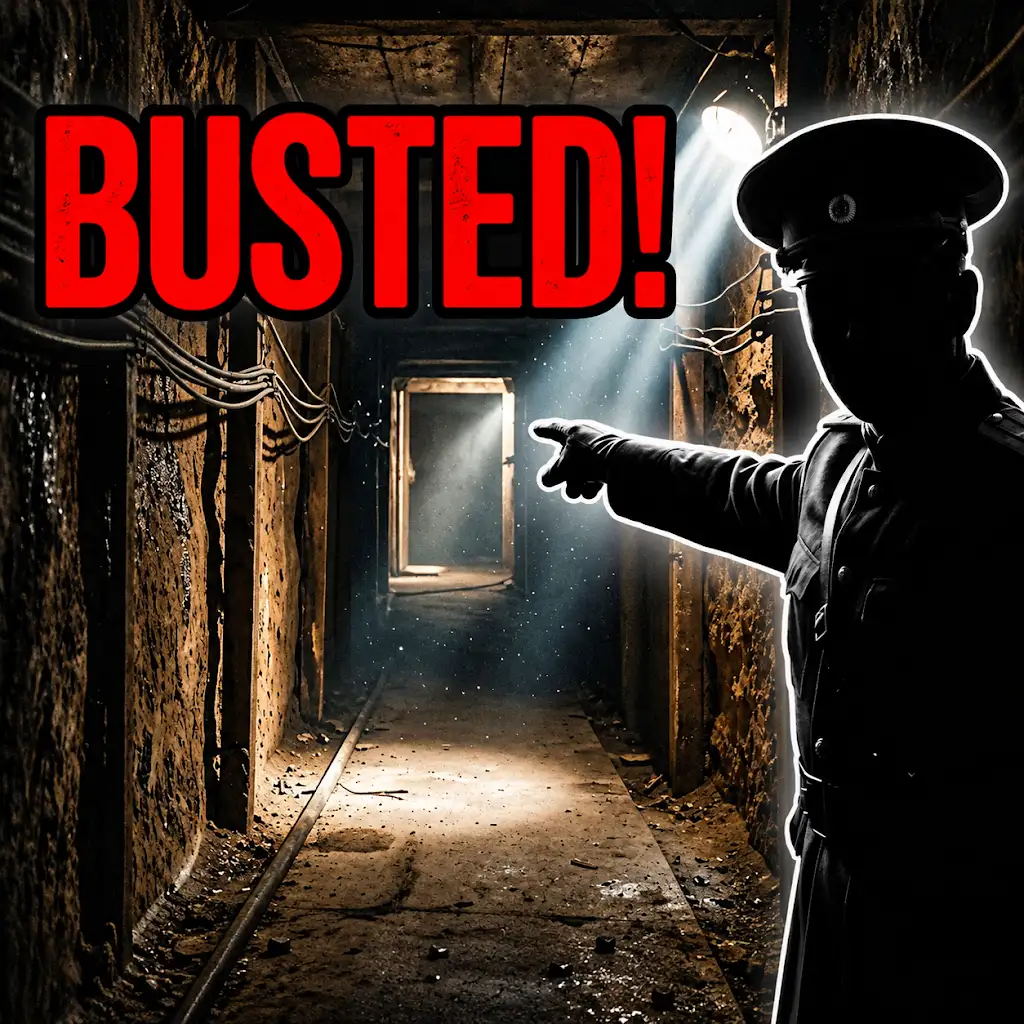
Operation Gold: The Day the Soviets Busted the CIA’s Secret Tunnel
FAQs
What is a tunnel shield and how does it work in Berlin tunnel digging?
A tunnel shield is a protective structure used in tunnel construction to support the tunnel walls and protect workers. In Berlin tunnel digging, the shield is used to excavate soil and create the tunnel while providing a safe working environment for workers.
What are the advantages of using a tunnel shield in Berlin tunnel construction?
Using a tunnel shield in Berlin tunnel construction helps to minimize the risk of cave-ins, provides a stable working environment, and allows for efficient excavation of soil. It also helps to control groundwater and prevent flooding during the construction process.
How is the tunnel shield moved forward during the digging process in Berlin?
In Berlin tunnel digging, the tunnel shield is typically equipped with hydraulic jacks that push against the tunnel walls, allowing the shield to move forward as workers excavate soil and install tunnel segments behind it. This process is repeated until the tunnel is completed.
What safety measures are in place to protect workers during Berlin tunnel shield digging?
During Berlin tunnel shield digging, safety measures such as proper ventilation, emergency exits, and regular inspections are in place to protect workers from hazards such as collapses, flooding, and gas leaks. Workers are also required to wear protective gear and undergo safety training.
What are some notable examples of tunnels in Berlin that were constructed using tunnel shields?
Some notable examples of tunnels in Berlin that were constructed using tunnel shields include the U55 subway line, the U5 extension, and the Berlin Brandenburg Airport tunnel. These projects demonstrate the effectiveness and versatility of tunnel shields in urban tunnel construction.