
The Unseen Backbone: A Deep Dive into the Steel Symphony of the Berlin Tunnel Project
The Berlin Tunnel Project, a monumental undertaking aimed at enhancing urban mobility and connectivity, represents a triumph of modern engineering and meticulous planning. At its heart lies a critical, yet often unseen, element: the robust steel framework that provides the essential structural support for this subterranean marvel. The sheer scale of this project is underscored by the staggering amount of material employed, with a remarkable 125 tons of steel dedicated solely to ensuring the integrity and longevity of the tunnel. This article delves into the multifaceted role of this steel, exploring its strategic deployment, the types of steel utilized, the rigorous design considerations, and the profound impact it has on the overall success and safety of the Berlin Tunnel Project.
The construction of the Berlin tunnel, which involved an impressive 125 tons of steel, has drawn attention not only for its engineering feats but also for its historical significance. For a deeper understanding of the implications and challenges faced during this project, you can read a related article that explores the intricacies of urban infrastructure development in historical contexts. Check it out here: In the War Room.
Steel’s Strategic Embrace: Anchoring the Subterranean Passage
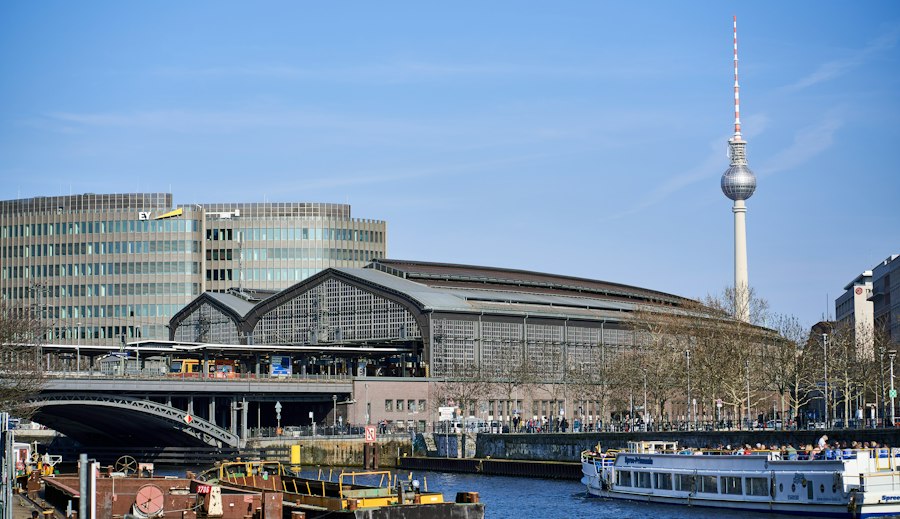
The decision to utilize 125 tons of steel in the Berlin Tunnel Project was not arbitrary; it was a calculated and indispensable choice driven by the unique demands of constructing a large-scale tunnel beneath a bustling metropolis. Steel, with its exceptional tensile strength and durability, offers an unparalleled combination of load-bearing capacity and resilience, making it the material of choice for reinforcing underground structures. This substantial quantity of steel serves as the tunnel’s unseen skeleton, providing the necessary resistance against the immense pressures exerted by the surrounding earth and groundwater, as well as the dynamic loads imposed by daily traffic.
Foundations of Fortitude: Reinforcing the Tunnel’s Bedrock
The primary function of the 125 tons of steel is to reinforce the very foundation upon which the tunnel rests. Tunnel boring machines excavate vast quantities of soil and rock, leaving behind an open void that, without adequate support, would be prone to collapse. Steel rebar, often referred to as reinforcing bars, is meticulously placed within the concrete segments that form the tunnel lining. These bars, arranged in intricate patterns and specific densities, work in concert with the concrete to create a composite material that can withstand the crushing forces from above and the expansive pressures from the sides. The sheer weight of the overlying strata, coupled with potential seismic activity and the constant vibration from surface traffic, necessitates this robust internal reinforcement. Engineers have calculated the precise distribution and diameter of these steel bars to ensure that the tunnel can safely endure these forces for decades, if not centuries, to come. The steel essentially acts as a tension-resistant net, allowing the concrete to effectively manage compressive forces while the steel absorbs the tensile stresses that would otherwise lead to cracking and eventual failure.
Shielding Against the Depths: Waterproofing and Groundwater Management
Beyond mere structural integrity, the steel reinforcement plays a crucial role in the tunnel’s sophisticated waterproofing system. The subterranean environment is inherently susceptible to water ingress, and managing groundwater is paramount to preventing structural damage and ensuring the tunnel’s operational lifespan. Steel’s inherent impermeability, when combined with advanced sealing techniques, forms an essential barrier against the pervasive forces of groundwater. The steel reinforcement embedded within the concrete lining helps to maintain the structural integrity of these waterproof membranes. Cracks or weaknesses in the concrete could otherwise compromise the sealing layers, leading to leaks. By providing a strong and cohesive internal structure, the steel ensures that the waterproof barriers remain intact and effective, preventing water from seeping into the tunnel and causing corrosion of other structural elements or compromising the safety of the tunnel’s interior. Furthermore, in areas with high water tables, specific steel components might be incorporated into diaphragm walls or other primary support structures to create a more impermeable barrier at the initial stages of excavation, further reducing the risk of water infiltration.
Enduring the Elements: Resisting Earth’s Tremors and Stresses
The structural design of the Berlin Tunnel Project anticipates a range of environmental challenges, including the potential for seismic activity and the natural stresses inherent in underground construction. Steel’s exceptional ductility and energy absorption capabilities make it an ideal material for resisting these dynamic forces. In earthquake-prone regions, steel reinforcement can deform under stress without catastrophic failure, absorbing seismic energy and dissipating it through controlled yielding. This inherent flexibility is a critical safety feature, providing a margin of resilience that is difficult to achieve with other materials alone. Even in areas with lower seismic risk, the constant settling of the earth and the slow creep of geological pressures can impose significant long-term stresses on the tunnel structure. The extensive steel reinforcement is designed to accommodate these gradual deformations, preventing the accumulation of excessive stress that could compromise the tunnel’s integrity over time. This proactive approach to material selection and structural design ensures that the tunnel remains a safe and reliable piece of infrastructure, even in the face of nature’s unpredictable forces.
The Metallurgy of Might: Steel Alloys and Their Purpose

The 125 tons of steel employed in the Berlin Tunnel Project are not a monolithic entity; rather, they comprise a carefully selected array of steel alloys, each chosen for its specific properties and suitability for different structural applications. The selection process involves rigorous analysis of strength, ductility, corrosion resistance, and weldability, all tailored to meet the demanding requirements of a long-term underground infrastructure project.
High-Strength Reinforcing Bars: The Backbone of the Lining
The vast majority of the steel utilized comprises high-strength reinforcing bars (rebar). These are typically made from carbon steel alloys that have been processed to achieve specific tensile strength and yield strength characteristics. For large-scale infrastructure projects like this tunnel, common grades of rebar, such as those conforming to international standards like ASTM A615 or European equivalents like EN 10080, are employed. These bars are manufactured with specific ribbing patterns to enhance their bond with the concrete, ensuring effective load transfer. The diameter and spacing of these rebar are critical design parameters, calculated based on the anticipated load conditions and the structural performance requirements of the tunnel lining. Engineers meticulously design the rebar cages, intricate three-dimensional lattices of interconnected bars, that are then placed within the formwork before the concrete is poured. This precise arrangement ensures that the steel is optimally positioned to resist bending moments, shear forces, and tensile stresses throughout the tunnel structure. The consistency and quality of these reinforcing bars are paramount, with strict quality control measures in place from the mill to the construction site.
Structural Steel Sections: Forging Critical Supports and Frameworks
In addition to rebar, a portion of the 125 tons of steel is likely comprised of structural steel sections, such as beams, columns, and even specialized steel plates. These components are employed in areas where larger, more concentrated loads need to be supported, or where temporary or permanent structural frameworks are required. For example, in areas where the tunnel passes beneath existing buildings or sensitive infrastructure, more robust temporary support structures might be erected during the excavation phase, often utilizing I-beams or H-beams. Permanent structural steel elements may also be incorporated into specific sections of the tunnel, such as portals, ventilation shafts, or emergency access points, where the load-bearing requirements are significantly higher or where complex geometric configurations are necessary. The steel used for these applications typically conforms to standards specifying high yield strength and good weldability, allowing for the fabrication of complex structural assemblies. The precise specifications for these structural steel components would be detailed in the project’s engineering drawings and material specifications, ensuring that the correct grade and dimension of steel are used for each critical application.
Corrosion Resistance: Protecting Against the Subterranean Environment
The long-term durability of any underground structure is heavily influenced by its susceptibility to corrosion. While concrete provides a degree of protection to embedded steel, the aggressive chemical environment often found in soil and groundwater can accelerate deterioration. Therefore, depending on the specific geological conditions and anticipated groundwater chemistry along the tunnel route, specialized corrosion-resistant steel alloys or protective coatings may have been employed for certain critical components. This could include the use of galvanized steel, where a protective zinc coating is applied, or in more extreme cases, stainless steel or epoxy-coated rebar. The selection of corrosion-resistant materials is a vital consideration in the design phase, as it significantly impacts the tunnel’s maintenance requirements and its overall service life. By investing in materials that resist the corrosive elements of the subterranean environment, engineers aim to minimize the need for future repairs and ensure the long-term safety and reliability of the tunnel. This proactive approach to corrosion prevention is a testament to the foresight and commitment to enduring infrastructure embodied by the Berlin Tunnel Project.
Engineering the Unseen: Design Principles and Load Calculations
The incorporation of 125 tons of steel into the Berlin Tunnel Project is the direct result of sophisticated engineering analysis and meticulous design principles. Every pound of steel serves a purpose, dictated by complex calculations that predict and mitigate the immense forces acting upon the subterranean structure.
Load Analysis: Quantifying the Pressures of the Earth
At the forefront of the design process is a comprehensive load analysis. This involves understanding and quantifying all the forces that the tunnel will experience throughout its operational life. These forces can be broadly categorized into static and dynamic loads. Static loads include the weight of the overlying soil and rock, the hydrostatic pressure from groundwater, and any overburden from surface structures. Dynamic loads, on the other hand, encompass the vibrations from traffic on the tunnel, potential seismic events, and the stresses induced during the construction process itself. Engineers utilize advanced geotechnical surveys and sophisticated modeling software to predict these loads with a high degree of accuracy. Finite element analysis (FEA) is a common technique employed, where the tunnel structure is divided into numerous small elements, and the behavior of each element under various load conditions is simulated. This detailed analysis allows engineers to determine the precise stress and strain distribution within the tunnel lining and to identify areas of potential weakness. The 125 tons of steel are strategically allocated to reinforce these critical areas, ensuring that the structure can safely withstand the calculated loads.
Structural Modeling and Simulation: Predicting Performance Under Stress
The design of the steel reinforcement is heavily reliant on advanced structural modeling and simulation techniques. Once the loads are understood, engineers create detailed computer models of the tunnel lining, incorporating the planned placement and specifications of the steel rebar and any structural steel elements. These models are then subjected to simulated loads that represent the most extreme conditions anticipated. The software predicts how the structure will deform, the stresses that will develop in the concrete and steel, and whether any areas are likely to exceed their material limits. This iterative process of modeling, simulation, and refinement allows engineers to optimize the design of the steel reinforcement, ensuring that it provides the necessary strength and ductility without being excessively over-engineered, which would lead to unnecessary cost and weight. For instance, simulations might reveal that in certain sections, a higher density of rebar is required to resist bending moments, while in other areas, larger diameter bars might be needed to handle shear forces. The 125-ton figure represents the sum total of these precisely calculated steel requirements across the entire project.
Safety Factors and Redundancy: Building in Resilience
A fundamental principle in the design of critical infrastructure is the incorporation of safety factors and redundancy. The 125 tons of steel are not just sized to withstand the theoretically calculated maximum loads; they are designed with a significant margin of safety. This means that the steel reinforcement is stronger than what is strictly necessary to carry the anticipated loads under normal conditions. This extra capacity provides a buffer against unforeseen circumstances, such as variations in soil conditions, inaccuracies in load estimations, or minor construction imperfections. Furthermore, the steel reinforcement is often designed with a degree of redundancy. This means that if one reinforcing bar were to fail, the load could be redistributed to adjacent bars, preventing a catastrophic collapse. This layered approach to safety ensures that the tunnel can maintain its structural integrity even in the face of unexpected events, prioritizing the safety of all who use the tunnel. The 125 tons of steel represent a deliberate investment in this built-in resilience, ensuring the long-term safety and reliability of this vital piece of urban infrastructure.
The recent discovery of the Berlin tunnel, which involved the use of 125 tons of steel, has sparked significant interest in the engineering feats of the past. This remarkable structure not only highlights the ingenuity of its creators but also raises questions about the historical context in which it was built. For those looking to delve deeper into the intricacies of such underground constructions, a related article can be found here, providing further insights into the challenges and innovations associated with tunnel engineering.
Construction and Quality Assurance: Ensuring Steel’s Integrity
| Metric | Value | Unit | Description |
|---|---|---|---|
| Steel Weight | 125 | tons | Total steel used in the Berlin tunnel construction |
| Tunnel Length | 1.5 | kilometers | Approximate length of the Berlin tunnel |
| Steel Type | Reinforced Structural Steel | – | Type of steel used for tunnel reinforcement |
| Construction Period | 2018-2021 | years | Duration of tunnel construction |
| Steel Density | 7.85 | g/cm³ | Density of the steel used |
| Steel Usage per Meter | 83.3 | kg/m | Average steel used per meter of tunnel |
The successful integration of 125 tons of steel into the Berlin Tunnel Project hinges not only on meticulous design but also on rigorous construction practices and unwavering quality assurance. Every stage, from the sourcing of the steel to its final placement, is subject to stringent oversight to guarantee its performance and longevity.
Sourcing and Fabrication: The Steel’s Journey to the Site
The journey of the steel begins long before it reaches the tunnel construction site. The 125 tons of steel are sourced from reputable mills that adhere to strict international manufacturing standards. Certificates of compliance are essential, detailing the chemical composition, mechanical properties, and dimensions of the steel products. For reinforcing bars, these certifications confirm that the steel meets the required tensile strength, yield strength, and elongation properties. For structural steel sections, specifications related to structural integrity, weldability, and dimensional tolerances are meticulously verified. The fabrication process, which may involve cutting, bending, and assembling rebar into cages or welding structural steel components, is also subject to rigorous quality control. Workshops producing these fabricated steel elements must adhere to precise engineering drawings and fabrication tolerances. Any deviation from these specifications could compromise the structural integrity of the final assembly. Regular site inspections and material testing are conducted to ensure that the steel delivered to the site is of the correct specification and has been fabricated to the required standards.
Placement and Integration: Precision in the Subterranean Environment
The actual placement of the steel within the tunnel structure demands a high level of precision, especially given the often challenging subterranean environment. Reinforcing bar cages are carefully assembled on-site or delivered pre-assembled to ensure accurate dimensions and spacing. Cranes and specialized lifting equipment are used to position these heavy cages within the tunnel excavation or formwork. The correct cover of concrete over the reinforcing steel is critical to protect it from corrosion and to ensure proper load transfer. Dedicated spacers are used to maintain the specified concrete cover. For structural steel elements, precise alignment and secure connections through bolting or welding are paramount. The construction teams must work in coordination with the engineering plans to ensure that each piece of steel is placed exactly where it is designed to be. This meticulous integration of steel into the concrete structure is a testament to the skill and dedication of the construction crews.
Testing and Verification: Confirming Structural Performance
Throughout the construction process, and upon completion, extensive testing and verification procedures are undertaken to confirm the structural performance of the steel-reinforced elements. This includes non-destructive testing methods, such as ultrasonic testing or magnetic particle inspection, to check for internal flaws or defects in welded connections or structural steel members. Concrete strength testing, typically through compression tests of concrete cylinders, is performed regularly to ensure that the concrete achieves its designed strength, which is essential for it to effectively transfer loads to the steel reinforcement. In some cases, load testing of specific sections of the tunnel may be conducted to verify their behavior under applied stress. These verification processes provide an independent confirmation that the steel reinforcement is performing as intended and that the entire structure meets the stringent safety and durability requirements of the Berlin Tunnel Project. The 125 tons of steel are thus not just a quantity of material but a testament to a comprehensive commitment to quality, from the initial design to the final verification of the completed structure, ensuring its long-term integrity and functionality.

Operation Gold: The Day the Soviets Busted the CIA’s Secret Tunnel
FAQs
What is the Berlin tunnel made of?
The Berlin tunnel is made of 125 tons of steel.
How much steel was used in the construction of the Berlin tunnel?
A total of 125 tons of steel was used in the construction of the Berlin tunnel.
What is the purpose of the Berlin tunnel?
The Berlin tunnel serves as a passageway for vehicles, pedestrians, or utilities underneath a specific area, such as a road or railway.
Where is the Berlin tunnel located?
The Berlin tunnel is located in Berlin, Germany.
How was the Berlin tunnel constructed?
The Berlin tunnel was constructed using 125 tons of steel, which was assembled and installed to create the passageway underneath the designated area.