Echoes in the Earth: The Berlin Tunnel and the Shadow War
The Cold War was a conflict fought not only with missiles and propaganda, but also in the hushed corridors of power, in darkened alleyways, and, most intriguingly, deep beneath the very earth that separated East and West. Among the most audacious and revealing operations of this clandestine struggle was the construction and operation of a spy tunnel beneath the heavily fortified border of divided Berlin. This subterranean artery, a feat of engineering and espionage, served as a vital lifeline for Western intelligence, a testament to the lengths to which nations would go to glean information and outmaneuver their adversaries. The story of this tunnel is not merely one of wires and listening devices; it is a narrative woven with bravery, ingenuity, and the constant, gnawing tension of the Cold War.
The Cold War era was marked by a series of covert operations and espionage tactics, one of the most intriguing being the construction of spy tunnels. These tunnels served as vital conduits for intelligence gathering and communication between opposing forces. For a deeper understanding of the complexities and implications of such operations, you can read a related article that explores the historical context and significance of these tunnels in the broader scope of Cold War espionage. Check it out here: Cold War Spy Tunnels.
Genesis of a Subterranean Operation
The Berlin Wall, erected in 1961, was more than just a physical barrier; it was a stark symbol of ideological division and a formidable obstacle to communication. For the Western Allies, particularly the United States and Great Britain, the Wall presented a significant intelligence challenge. East Berlin and the surrounding German Democratic Republic (GDR) were a veritable black box, their military and political machinations largely hidden from Western eyes. Traditional methods of espionage, such as human intelligence assets, were fraught with peril and often limited in their scope. The need for a more direct and continuous channel for information became paramount.
The Strategic Imperative: Why a Tunnel?
The decision to build a tunnel was not born of whim but of strategic necessity. The sheer volume of electronic communications flowing between East Berlin and Moscow, and through them to other Warsaw Pact nations, was a tantalizing prospect for Western intelligence. These communications held the keys to understanding Soviet military deployments, their technological advancements, their political intentions, and their internal machinations. While airborne intercepts existed, they lacked the detail and immediacy that direct access to landlines could provide. The sheer density of telephone lines running beneath the border represented a concentrated trove of intelligence waiting to be tapped. Moreover, the physical limitations of the Berlin Wall made overland infiltration or aerial surveillance insufficient for the constant, in-depth monitoring desired. A tunnel offered a unique solution: a discreet, persistent, and relatively secure method of intercepting vital communications traffic without the immediate risks associated with agents operating directly within the GDR. It was an embodiment of the “build it and they will listen” ethos that characterized much of Cold War intelligence gathering.
Early Whispers and Initial Feasibility Studies
The concept of tunneling under the Berlin Wall likely circulated in intelligence circles from its inception. However, transforming such a daring idea into a concrete plan required extensive reconnaissance and meticulous planning. Early feasibility studies would have focused on several critical factors: the geological stability of the ground, the depth required to avoid detection by East German security forces, the precise location of key communication lines, and the logistical challenges of construction and operation. Teams would have painstakingly mapped the subterranean infrastructure of East Berlin, correlating existing maps with information gathered from agents and other sources. The sheer audacity of the project meant that secrecy was paramount, and these early stages would have been conducted with the utmost discretion, involving only a select few individuals privy to the unfolding plan. The risks were immense; discovery would have been a diplomatic and intelligence catastrophe.
Engineering the Depths: Construction and Challenges
The construction of the tunnel was an undertaking of monumental proportions, pushing the boundaries of both engineering and operational security. It was a clandestine operation, hidden in plain sight, with a meticulously crafted cover story. The very act of digging a massive hole in the ground without raising suspicion presented an immediate and significant hurdle.
The “Operation Gold” Cover Story and Logistics
To mask the true purpose of the excavation, a legitimate-seeming project was devised: the laying of new telephone lines for the Allied sectors of West Berlin. This provided a plausible reason for extensive digging and the presence of construction equipment. The chosen site for the tunnel’s entrance was strategically located in a seemingly innocuous area of West Berlin, often disguised as part of a larger infrastructure upgrade. The logistics of moving tons of soil, concrete, and equipment without attracting the attention of East German surveillance was a constant challenge. Workers were carefully vetted, and operations were conducted under strict security protocols, often at night or during periods of minimal observation. The sheer scale of the excavation meant that the disposal of excavated earth had to be handled with extreme care, often disguised as landfill or construction debris from other, more visible projects. The immense amount of material removed was a constant risk, and its discreet removal was as crucial as the digging itself.
Technical Hurdles and Security Measures
The geological conditions beneath Berlin presented significant engineering challenges. The soil was often waterlogged and unstable, requiring sophisticated shoring and drainage systems to prevent collapses. The tunnel had to be constructed at a depth sufficient to evade seismic detection equipment that the Soviets might employ. Furthermore, the tunnel had to be waterproofed to prevent flooding, a constant threat in the Berlin subsoil. Security within the tunnel itself was also a major concern. The East Germans were known for their sophisticated listening devices and counter-intelligence capabilities. The tunnel was therefore equipped with advanced countermeasures, including soundproofing and sophisticated jamming equipment to prevent its detection. Regular patrols and constant monitoring of the tunnel’s integrity were essential. The very act of maintaining the tunnel, from repairs to ensuring its operational readiness, was a continuous logistical and security challenge, demanding a highly skilled and dedicated team operating under immense pressure.
The Heart of the Operation: Interception and Intelligence Gathering
Once completed, the tunnel became a veritable artery of intelligence, pumping vital information from the heart of the Eastern Bloc into the hands of the West. The primary objective was the interception of telephone communications, a task that required sophisticated technology and meticulous analysis.
Tapping the Lines: Technology and Techniques
The core of the operation involved tapping into the buried telephone cables that carried communication between East Berlin and the Soviet Union. This was achieved through a combination of direct physical access and advanced electronic listening devices. Specialized equipment was deployed to “tap” into the copper wires of the phone lines without disrupting the flow of communication to the point of detection. This involved carefully splicing into the existing cables and routing the signal to sophisticated recording and analysis equipment located within the tunnel. The intelligence gathered was not merely raw audio; it included the identification of individuals speaking, the context of their conversations, and any discernible patterns or coded language. The process was akin to a highly advanced form of eavesdropping, but on a massive scale and with the constant risk of discovery.
The Value of Intercepted Communications
The intelligence gleaned from the tunnel was invaluable. It provided a real-time window into the operational plans of the Soviet military, revealing troop movements, military exercises, and the deployment of new weapons systems. Political conversations offered insights into the internal power struggles within the GDR leadership, their directives from Moscow, and their perceptions of Western intentions. This information allowed Western policymakers and military strategists to make informed decisions, to anticipate Soviet moves, and to maintain a strategic advantage throughout the Cold War. The ability to listen in on these conversations provided a crucial counterweight to the propaganda and misinformation that often characterized the conflict. It allowed for a more nuanced understanding of the adversary, moving beyond stereotypes and into the realm of actionable intelligence.
The Cold War era was marked by intense espionage activities, one of the most intriguing being the network of spy tunnels that were dug beneath major cities. These tunnels served as critical conduits for intelligence gathering and covert operations. For a deeper understanding of the strategic significance of these underground passages, you can explore a related article that delves into the history and impact of these covert operations. Check it out here to learn more about the fascinating world of Cold War espionage.
The Shadow War Beyond the Wire: Detection, Sabotage, and Deception
| Metric | Details |
|---|---|
| Name | Operation Gold (also known as Operation Stopwatch) |
| Location | Berlin, Germany (between American and Soviet sectors) |
| Length | 450 meters (approximately 1,480 feet) |
| Purpose | To tap Soviet military communication cables |
| Construction Period | 1954-1956 |
| Discovery | 1962 by the Soviets |
| Outcome | Soviets allowed the tunnel to operate for some time to feed disinformation |
| Involved Agencies | Central Intelligence Agency (CIA) and British Secret Intelligence Service (MI6) |
The existence of the tunnel was a closely guarded secret, but secrets in the Cold War were rarely absolute. The East German authorities, with their extensive surveillance networks, were undoubtedly aware that something was happening beneath their feet, even if they didn’t fully comprehend the scale or purpose of the operation. This led to a continuous game of cat and mouse, a shadow war fought with detection, sabotage, and elaborate deceptions.
East German Suspicions and Countermeasures
The East German security services, the Stasi, were notoriously thorough and adept at identifying anomalies. The constant activity around the tunnel’s construction site, the unexplained seismic readings, and the sheer volume of excavated earth would have raised suspicions. They would have employed their own technical means of detection, including seismic sensors and sophisticated listening devices buried in the ground. It is likely that the Stasi initiated their own investigations, attempting to pinpoint the source of this subterranean disturbance. Their efforts would have been a constant source of anxiety for the tunnel’s operators, requiring them to adapt their methods and enhance their security protocols. The constant threat of discovery meant that every shovelful of earth, every soldered connection, was undertaken with a palpable sense of urgency and danger.
The Soviet Response: Attempts to Locate and Disrupt
While the primary adversary was the GDR, the Soviet Union, as the patron of East Germany, would also have been deeply concerned about any intelligence breaches. It is highly probable that Soviet intelligence agencies, such as the KGB, were involved in efforts to locate and disrupt the tunnel. This could have involved deploying specialized detection equipment, conducting counter-intelligence operations to identify individuals involved in the Western operation, or even attempting to sabotage the tunnel directly. The “tunnel wars” were a multi-layered conflict, and the Soviets would have had their own resources and determination to protect their secrets. The narrative of the tunnel’s operation is incomplete without acknowledging the persistent efforts by the East to uncover and neutralize this potent intelligence asset.
The Art of Misdirection and Deception
In response to the threat of detection and disruption, the Western Allies likely employed a sophisticated strategy of misdirection and deception. This could have involved creating dummy construction sites to draw attention away from the real tunnel, spreading false rumors about the purpose of the digging, or even deliberately feeding misleading intelligence to the East through compromised sources. The goal would have been to keep the East guessing, to make them doubt their own findings, and to divert their resources away from the actual operation. The success of the tunnel was not just about listening; it was also about ensuring that the act of listening remained undetected. This required a level of operational finesse and strategic cunning that mirrored the stakes of the broader Cold War.
Legacy and Lessons Learned
The Berlin Tunnel, codenamed “Operation Gold” by the Americans and “The Tunnel” by the British, was a monumental undertaking that yielded significant intelligence dividends for the West. However, its story is not simply one of technical triumph; it is also a testament to the human element of espionage, the risks involved, and the ethical complexities inherent in such clandestine operations.
The Intelligence Harvest and its Impact
The intelligence gathered from the tunnel played a crucial role in shaping Western policy and strategy during the Cold War. It provided an unparalleled insight into the intentions and capabilities of the Soviet Union and its allies. This information allowed Western leaders to make more informed decisions, to avoid miscalculations, and to effectively counter Soviet aggression. The tunnel was a silent but powerful weapon in the ideological struggle, a constant reminder to the East that their communications were not as secure as they believed. The economic and human cost of the operation was significant, but the intelligence gained undoubtedly outweighed these investments, contributing to a more stable, albeit tense, global landscape.
The Human Factor: Courage and Compromise
Beyond the technology and the engineering, the success of the tunnel relied heavily on the courage and dedication of the individuals involved. Tunnelers, technicians, analysts, and intelligence officers worked under immense pressure, risking their careers and their freedom. The constant threat of discovery, the long hours, and the psychological toll of operating in such a clandestine environment were immense. The story of the tunnel also highlights the inherent moral ambiguities of espionage. While the information gathered may have contributed to international security, the methods employed involved a profound violation of privacy. The ethical considerations of such operations remain a subject of debate, even decades later.
The Echoes of Subterfuge in Modern Espionage
The lessons learned from the Berlin Tunnel continue to resonate in the world of modern espionage. The need for creative engineering solutions, sophisticated technological capabilities, and meticulous operational security remains paramount. While the geopolitical landscape has changed dramatically since the Cold War, the fundamental principles of intelligence gathering and clandestine operations endure. The tunnel stands as a powerful reminder of the ingenuity and determination that characterized the Cold War, a testament to the lengths to which nations will go to gain an advantage in the shadows. It serves as a historical case study in the art of subterranean warfare and the enduring human drive to uncover what lies beneath the surface, both literally and figuratively. The whispers of those intercepted conversations, the hum of the digging machines, and the tension of constant vigilance all contribute to the enduring mystique of this remarkable chapter in the history of espionage.
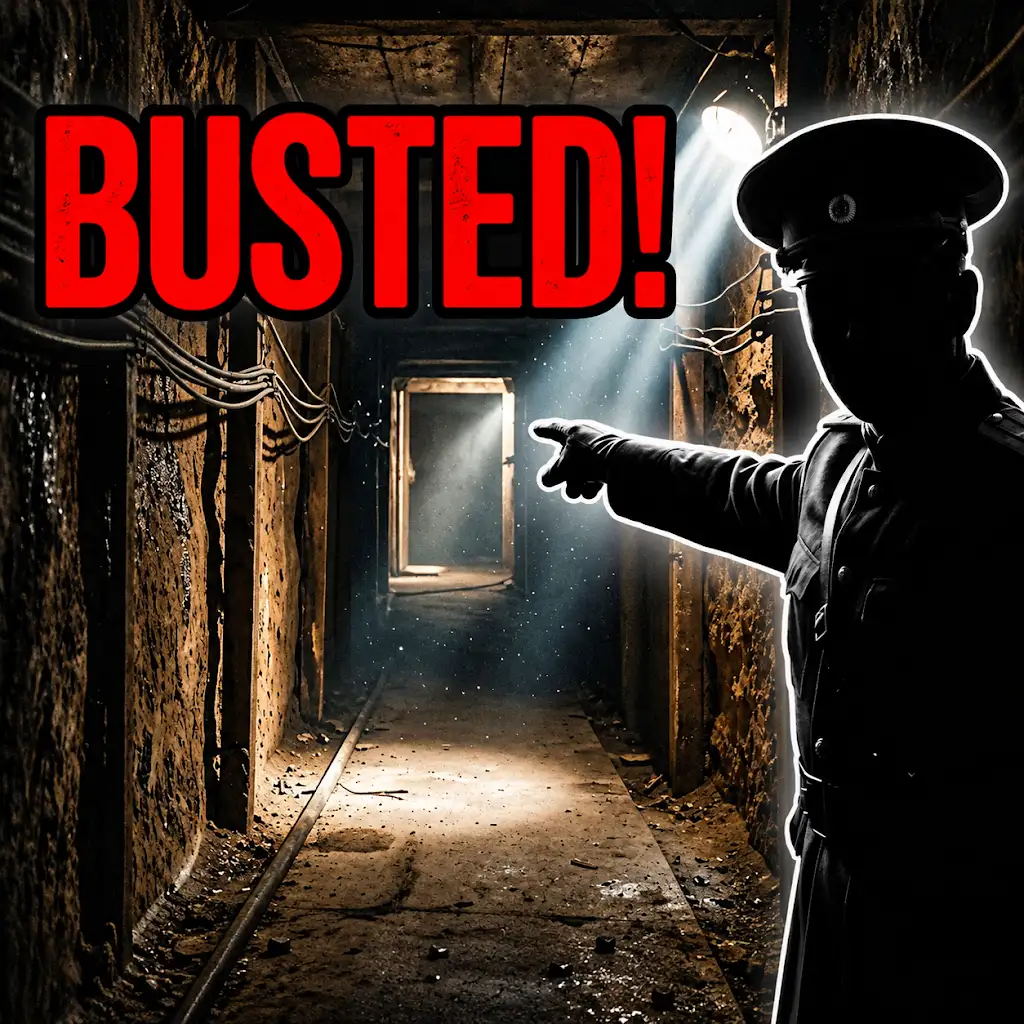
Operation Gold: The Day the Soviets Busted the CIA’s Secret Tunnel
FAQs
What was the Cold War spy tunnel?
The Cold War spy tunnel was a secret tunnel built by the United States and United Kingdom in Berlin during the Cold War to intercept communications in East Berlin.
When was the Cold War spy tunnel constructed?
The Cold War spy tunnel was constructed in 1954 and became operational in 1955.
How long was the Cold War spy tunnel?
The Cold War spy tunnel was approximately 450 meters (1,476 feet) long.
What was the purpose of the Cold War spy tunnel?
The purpose of the Cold War spy tunnel was to intercept communications from the Soviet and East German military headquarters in East Berlin, providing valuable intelligence to the Western Allies.
How was the Cold War spy tunnel discovered?
The Cold War spy tunnel was discovered by the Soviet Union in 1956, leading to a major diplomatic incident known as the “Berlin Tunnel Crisis.”