The shadow of the Iron Curtain cast an unnaturally long and deep twilight over West Berlin for decades. This island of democracy surrounded by communist East Germany became a potent symbol of the Cold War, a vibrant, yet perpetually tense, city where the ideological battleground extended far beyond rhetoric. Within its bustling streets and darkened alleyways, a clandestine war was waged, a silent struggle for information that shaped the course of global events. This is the story of West Berlin as a crucible of Cold War espionage, a place where secrets were currency, betrayal was commonplace, and the stakes were nothing less than the future of the free world.
The Ghost City as a Nexus of Espionage
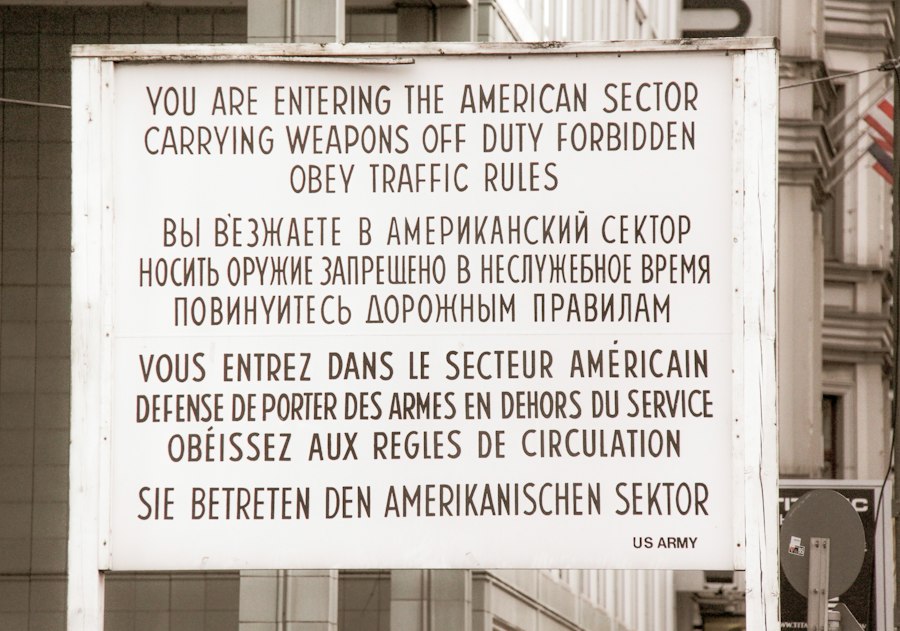
West Berlin was, by its very nature, a strategic anomaly. Its existence, a constant thorn in the side of the Soviet Union and its East German satellite, made it a prime target for intelligence gathering and subversion. For the Western powers, particularly the United States, Britain, and France, it was an indispensable listening post and a crucial intelligence outpost. The city’s unique geopolitical position, isolated yet connected to the West by air and limited land corridors, provided both unique opportunities and immense risks for intelligence agencies.
Strategic Importance of a Divided City
The very division of Berlin after World War II cemented its importance in the emerging Cold War landscape. While the Western sectors represented a democratic beacon, the Soviet sector and the surrounding German Democratic Republic (GDR) were fertile ground for communist influence and Soviet military power. West Berlin became a vital staging ground for intelligence operations aimed at understanding Soviet intentions, monitoring military movements, and gathering economic and political intelligence from behind the Iron Curtain. The constant flow of refugees and defectors from East to West also presented a steady stream of potential assets and invaluable human intelligence.
The Illusion of Freedom, The Reality of Surveillance
For the citizens of West Berlin, life was outwardly normal, a testament to their resilience and the support of the Western Allies. Yet, beneath the surface of everyday life, a constant hum of surveillance pervaded. Both East and West maintained extensive intelligence networks, constantly probing for weaknesses and opportunities. The pervasive presence of Stasi agents in the East meant that any overt act of defiance or communication was fraught with peril. Conversely, West Berlin offered a degree of freedom that allowed Western intelligence agencies to operate with relative, though never absolute, impunity. This created a complex environment where trust was a rare commodity and paranoia was a necessary survival instinct.
Bridges and Tunnels: The Physical Lines of Intelligence
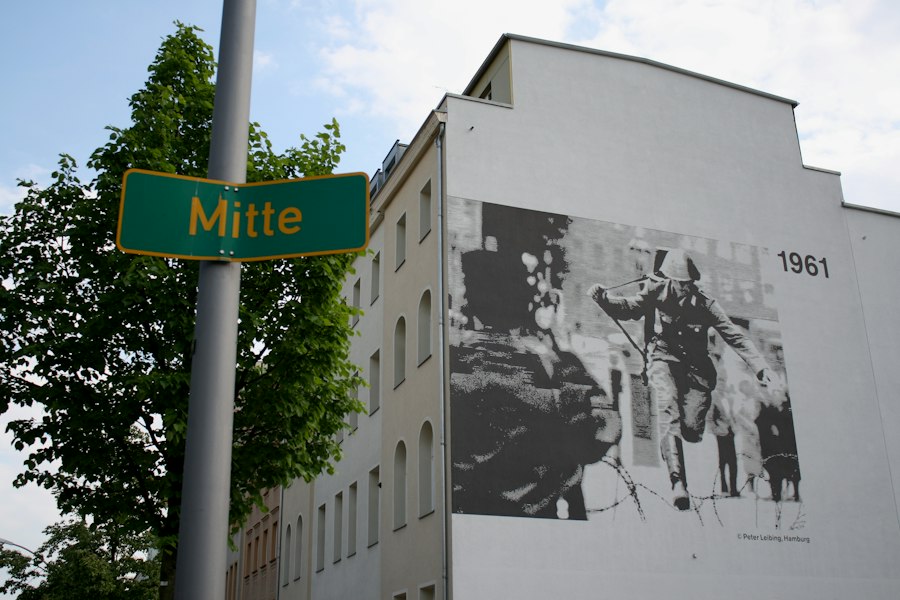
The physical infrastructure of West Berlin itself became an integral part of the espionage game. The autobahn and air corridors were heavily monitored, not just for military purposes, but for the passage of intelligence couriers, clandestine equipment, and defectors. The infamous Berlin Wall, erected in 1961, not only divided families and a city but also created new challenges and opportunities for intelligence operatives. While it served as a formidable barrier, it also spurred ingenuity in circumventing it, leading to the construction of daring tunnels beneath the Wall, some of which were directly linked to intelligence operations, enabling the extraction of individuals or the planting of listening devices.
West Berlin was a hotbed of espionage during the Cold War, with various intelligence agencies conducting covert operations to gather vital information. A fascinating article that delves deeper into the intricacies of these spy operations is available at this link: West Berlin Spy Operations. This piece explores the tactics employed by both East and West, shedding light on the high-stakes game of intelligence that defined the era.
The Players: Spies, Agents, and Double Agents
The Cold War in West Berlin was a human drama played out by a diverse cast of characters. Professional intelligence officers from agencies like the CIA, MI6, and DGSE worked alongside a vast network of informants, defectors, and unwitting collaborators. The lines between patriotism and betrayal were often blurred, and the psychological toll on those involved was immense.
The Regulars: Professionals of the Shadow War
These were the career intelligence officers, highly trained, rigorously vetted, and operating under deep cover. Their missions ranged from photographic reconnaissance and signal interception to the recruitment of high-value assets within the East. They lived a life of constant deception, adopting false identities, meticulously maintaining their cover stories, and navigating a dangerous environment where a single slip-up could mean imprisonment or worse. Their dedication to their respective nations was often unwavering, fueled by a belief in the righteousness of their cause, even as they operated in the moral ambiguities of espionage.
The Assets: Ordinary People in Extraordinary Circumstances
Perhaps the most crucial element of any intelligence operation is the human source, the “asset.” In West Berlin, these assets were drawn from all walks of life. They could be East German citizens disillusioned with the communist regime, seeking freedom and a better life, and willing to provide information in exchange for help or payment. They could also be Western sympathizers living in the East, or even individuals within the Soviet bloc institutions who, for ideological, financial, or personal reasons, decided to betray their country. The recruitment and handling of these assets was a delicate and dangerous art, requiring psychological insight, careful cultivation, and constant vigilance against counter-intelligence efforts.
The Turncoats: The Allure and Peril of Double Agents
The concept of the double agent is almost synonymous with Cold War espionage. These were individuals who initially worked for one side but were successfully turned by the other. In West Berlin, defectors from the East who had initially provided intelligence to the West could themselves be targeted by Eastern intelligence agencies seeking to use them for their own purposes, or to feed disinformation. Similarly, Western agents could be compromised and forced to collaborate with the East. The risks associated with double agents were enormous, as they could poison entire networks, compromise operations, and lead to the capture or death of loyal operatives. The constant threat of penetration by double agents kept intelligence agencies in a perpetual state of suspicion and internal vetting.
Espionage Techniques and Tools of the Trade
The methods employed by intelligence agencies in West Berlin were as varied as the operatives themselves. From the sophisticated to the rudimentary, every tool and technique was leveraged in the silent war for information. The technological advancements of the Cold War, coupled with age-old methods of human intelligence gathering, created a complex tapestry of espionage.
The Art of Eavesdropping: Signals Intelligence and Interception
Electronic surveillance played a pivotal role in West Berlin’s intelligence operations. The close proximity of Soviet and East German military installations and communication networks made them prime targets for signals intelligence (SIGINT). Agencies established sophisticated listening posts and interception facilities, often disguised as ordinary businesses or residences, to capture radio transmissions, telephone conversations, and other forms of electronic communication. The analysis of this intercepted data provided invaluable insights into enemy plans, troop movements, and internal political dynamics. The constant technological arms race meant that both sides were continuously developing new methods of encryption and decryption, making SIGINT a dynamic and ever-evolving field.
Human Intelligence: The Power of the Informant
Despite the advancements in technology, human intelligence (HUMINT) remained the backbone of espionage. Cultivating informants, recruiting sources, and conducting clandestine meetings were the bread and butter of many operatives. This involved building relationships, exploiting weaknesses, and understanding the motivations of individuals. The “dead drop” method, where information or packages were left in pre-arranged secret locations for collection, was a classic technique used to minimize direct contact and reduce the risk of compromise. Tradecraft, the complex set of skills and procedures used by spies to conduct their operations safely and effectively, was essential for success in HUMINT.
The Tools of Deception: Forgery, Disguise, and Psychological Warfare
Espionage is not just about gathering information; it is also about controlling its flow and influencing perceptions. Forgery played a crucial role, whether it was creating fake documents for operatives to use as cover or forging official communiques to mislead the enemy. Disguise was another essential tool, allowing agents to blend into different environments and observe without suspicion. Psychological warfare was also employed, using propaganda, disinformation, and covert influence operations to destabilize the enemy and sow discord. The Stasi, in particular, was a master of “Zersetzung” (decomposition), a systematic and insidious campaign of psychological disruption aimed at breaking down the morale and effectiveness of perceived enemies.
Famous Operations and Infamous Cases
West Berlin was the setting for some of the most dramatic and consequential espionage operations of the Cold War. These operations, often shrouded in secrecy, reveal the ingenuity, courage, and sometimes the ruthlessness of the intelligence war.
Tunnel 29: A Symbol of Audacity
One of the most celebrated operations was Tunnel 29, a daring attempt in 1955 to dig a tunnel from West Berlin into East Berlin to rescue citizens. While the tunnel ultimately failed to achieve its primary objective of mass extraction due to a leak and the early discovery by East German authorities, it became a powerful symbol of defiance and ingenuity. The operation involved hundreds of volunteers and took months of painstaking work, highlighting the lengths to which people would go to circumvent the oppressive regime. The story of Tunnel 29, though ultimately a partial success, captured the imagination and embodied the spirit of resistance against division.
The Glomar Explorer and the Soviet Submarine
While not exclusively a West Berlin operation, the involvement of Western intelligence agencies based in the city, and the broader context of the Cold War rivalry it represented, makes it relevant. The CIA’s ambitious Project Azorian aimed to salvage a sunken Soviet Golf-class submarine, the K-129, from the depths of the Pacific Ocean using the specially built ship Glomar Explorer. The success of this operation, conducted in secret from 1970 to 1974, provided invaluable intelligence on Soviet naval capabilities and nuclear missile technology. The sheer scale and complexity of this endeavor underscore the technological prowess and resourcefulness of Western intelligence during the Cold War.
The Case of the Cambridge Five: The Ultimate Betrayal
While the Cambridge Five were recruited in Britain, their actions had profound implications for West Berlin and the wider Cold War. These British citizens, who spied for the Soviet Union, passed on a treasure trove of Western intelligence, significantly impacting NATO’s strategic planning and capabilities. The presence of such high-level moles within Western intelligence circles created a climate of paranoia and distrust, making operations in places like West Berlin even more perilous. The exposure of these agents, long after their prime, served as a stark reminder of the ever-present danger of infiltration and betrayal.
West Berlin was a hotbed of espionage during the Cold War, with numerous spy operations taking place as both East and West sought to gather intelligence on each other. A fascinating exploration of these covert activities can be found in a related article that delves into the intricate web of espionage tactics employed during this tense period. For more insights on the subject, you can read about it in detail here. The strategies and counter-strategies developed by intelligence agencies during this time continue to influence modern espionage practices.
The Legacy and Lingering Questions
| Operation Name | Year | Agency Involved | Objective | Outcome | Notable Agents |
|---|---|---|---|---|---|
| Operation Gold (PBSuccess) | 1955-1956 | CIA & BND (West German Intelligence) | Wiretap Soviet communication lines in East Berlin | Compromised by Soviet double agent; operation exposed | William King Harvey |
| Operation Stopwatch | 1960s | British MI6 | Intercept East German military communications | Provided valuable intelligence on East German troop movements | Unknown |
| Operation Berlin Tunnel | 1955-1956 | CIA & BND | Build tunnel to tap Soviet landline communications | Successful for nearly a year before discovery | George Blake (double agent) |
| Operation Stopwatch II | 1970s | West German BND | Electronic surveillance of East German Stasi headquarters | Gathered critical intelligence on Stasi operations | Unknown |
| Operation Checkmate | 1980s | CIA | Recruit East German informants in West Berlin | Mixed success; several informants compromised | Multiple unnamed agents |
The fall of the Berlin Wall in 1989 and the subsequent collapse of the Soviet Union brought an end to the overt ideological struggle that defined the Cold War. However, the legacy of West Berlin’s espionage activities continues to resonate, leaving behind a wealth of historical information and unanswered questions.
The Unseen Scars of Deception
The operations conducted in West Berlin left indelible marks on individuals and relationships. Families were torn apart by espionage, careers were ruined by suspicion, and lives were irrevocably altered by the constant threat of betrayal. The psychological toll on intelligence operatives themselves, living under constant duress and deception, was immense and often unacknowledged. Many former agents carried the burdens of their experiences for the rest of their lives, grappling with the moral compromises and personal sacrifices they made in the name of national security.
The Opening of the Archives: A Glimpse into the Past
In the decades since the end of the Cold War, many intelligence archives have been opened, offering historians and researchers unprecedented access to information about espionage operations. These declassified documents provide detailed accounts of missions, agents, and clandestine activities, shedding light on the intricate workings of the spy world. However, even with this increased transparency, many secrets remain buried, either due to national security concerns or the sheer volume of classified information. The full truth of every operation, every betrayal, and every victory may never be fully known.
Echoes in the Modern Intelligence Landscape
The lessons learned and the techniques honed in West Berlin during the Cold War continue to inform modern intelligence practices. The challenges of counter-intelligence, the importance of human sources, and the necessity of technological innovation remain central to the intelligence agencies of today. While the nature of global threats has evolved, the fundamental principles of espionage, the intricate dance of deception and information gathering, and the ever-present shadow of clandestine operations, have their roots firmly planted in the tense and dramatic history of West Berlin. The ghost city, once a frontline of the Cold War, serves as a powerful reminder of the hidden battles that shaped the world and the enduring human drama of espionage.
Operation Gold: The Day the Soviets Busted the CIA’s Secret Tunnel
FAQs
What were the main objectives of the West Berlin spy operations during the Cold War?
The main objectives of the West Berlin spy operations were to gather intelligence on East Germany and the Soviet Union, monitor communist activities, and prevent potential threats to Western interests.
Which intelligence agencies were involved in conducting spy operations in West Berlin?
The primary intelligence agencies involved in conducting spy operations in West Berlin were the CIA (Central Intelligence Agency) and the MI6 (Secret Intelligence Service) from the United States and the United Kingdom, respectively.
How did the West Berlin spy operations contribute to the overall intelligence gathering efforts during the Cold War?
The West Berlin spy operations provided valuable information on Soviet and East German military capabilities, political intentions, and espionage activities, which helped the Western powers to better understand their adversaries and make informed decisions.
Were there any notable spy incidents or operations that took place in West Berlin during the Cold War?
Yes, there were several notable spy incidents and operations that took place in West Berlin during the Cold War, including the tunnel operations to tap into Soviet communication lines, the recruitment of double agents, and the surveillance of high-profile targets.
How did the West Berlin spy operations impact the geopolitical landscape of the Cold War era?
The West Berlin spy operations played a significant role in shaping the geopolitical landscape of the Cold War era by providing crucial intelligence to the Western powers, influencing diplomatic decisions, and contributing to the overall balance of power between the East and the West.