
The hum of machinery, the hiss of escaping air, the muffled thud of distant footsteps – these are the sounds that once filled the subterranean arteries of Cold War Berlin. For decades, these tunnels, carved in secrecy and fear, served as conduits for espionage, escape, and the relentless struggle between East and West. Now, a remarkable discovery promises to illuminate the shadows of this clandestine world: a trove of recovered tape reels, unearthed from the depths of a forgotten Berlin tunnel, are poised to reveal long-hidden secrets of the Cold War. These fragile artifacts, bearing the whispers of a bygone era, offer a unique and unprecedented opportunity to understand the intricate web of intelligence operations, the desperation of those seeking freedom, and the psychological battleground that defined a divided city.
Whispers from the Underworld: The Discovery of the Tape Reels
The story of the tape reels is itself a testament to the enduring mysteries of the Cold War. Their discovery was not a deliberate excavation but a fortunate byproduct of urban redevelopment. Beneath the bustling streets of what was once West Berlin, construction crews embarking on a new building project stumbled upon a sealed section of an old tunnel system. These tunnels, remnants of the extensive network that crisscrossed the city during the Cold War, had been largely forgotten, their entrances buried or incorporated into new structures. Initial exploration revealed more than just decaying concrete and rusted pipes; it led to the discovery of a hidden cache, meticulously preserved against the ravages of time and damp.
The Unearthing of a Time Capsule
The find occurred unexpectedly, a moment where the present collided with the ghosts of the past. Workers, excavating for foundations, struck a reinforced section of wall. Their curiosity piqued, they investigated further, eventually breaching the barrier to reveal a small, dry chamber. Within this chamber, meticulously stacked and carefully wrapped, were dozens of reel-to-reel audiotapes. The sheer quantity and the state of preservation were immediately striking. The environment, shielded from moisture and extreme temperature fluctuations, had acted as an unlikely guardian, safeguarding the contents for decades. The air within the chamber, stale and still, seemed to hold its breath, as if awaiting rediscovery. The tapes, many still in their original canisters, bore faded labels, some in German, others in Cyrillic script, hinting at their varied origins and potential contents.
The Significance of Reel-to-Reel Audio
In an age of instant digital recording, the presence of reel-to-reel tapes might seem anachronistic. However, for the era in which they were likely created, these machines represented the cutting edge of audio recording technology. Their bulk and relative complexity belied their crucial role in intelligence gathering and covert communication. Unlike ephemeral written documents, audio recordings captured the nuances of human speech: tone, emotion, hesitation, and accent. For intelligence agencies, these recordings were invaluable. They could authenticate voices, decipher coded messages, analyze interrogator tactics, and even capture the atmosphere of interrogations or clandestine meetings. The very act of recording on these physical media implied a deliberate and often lengthy process, suggesting that the content held significant weight and was intended for posterity, whether for later analysis or as evidence. The tangible nature of the tapes also made them less susceptible to certain forms of electronic interception compared to real-time transmissions.
The Berlin tunnel tape reels, which played a crucial role in intelligence gathering during the Cold War, are a fascinating topic that highlights the intricate operations of espionage in divided Berlin. For further insights into the historical context and implications of such covert activities, you can read a related article on this subject at In the War Room. This resource delves into the strategies employed by intelligence agencies and the impact of their operations on international relations during that era.
Deciphering the Past: The Challenge of Preservation and Analysis
The joy of discovery quickly gave way to the daunting task of understanding what lay within these aging magnetic ribbons. The delicate nature of the magnetic coating, coupled with the passage of time, presented significant hurdles to accessing the recorded audio without further degradation. The process required specialized expertise and advanced technology to ensure that the whispers of the past could be heard clearly, without distortion or loss.
The Art of Restoring Faded Sound
The physical condition of the tape reels varied. Some were remarkably well-preserved, while others showed signs of brittleness, shedding, or even mold. The first critical step was to stabilize the tapes, preventing further deterioration. This involved careful handling, controlled environments, and sometimes, specialized cleaning techniques. Once stabilized, the tapes needed to be played back on equipment that could handle their age and potential fragility. This often meant sourcing or refurbishing vintage reel-to-reel players, capable of the precise speeds and gentle tension required. The magnetic oxide on the tapes, which carries the audio information, can degrade over time, leading to signal loss and noise. Advanced audio restoration software became indispensable, employing algorithms to filter out hiss, crackle, and other imperfections, while painstakingly reconstructing the original audio signal. This process is akin to archaeological excavation for sound, where each layer of noise is carefully peeled away to reveal the core message.
Unlocking the Language of Espionage and Escape
The content of the tapes is the ultimate prize. While initial examinations have offered tantalizing glimpses, the full deciphering of the recorded material is an ongoing and complex undertaking. The tapes are believed to contain a diverse range of recordings, from intercepted communications and surveillance audio to personal testimonies and potentially even propaganda materials. The languages present on the labels suggest a multinational dimension to these recordings, likely involving Soviet, East German, and Western intelligence agencies, as well as individuals caught in the crossfire of the Cold War. Understanding the context of each recording is paramount. Was it a planned operation? A spontaneous event? Who were the speakers, and what was their intent? This requires cross-referencing with historical archives, declassified documents, and, where possible, interviews with individuals who may have direct knowledge of the events recorded. The sheer volume of the material also means that prioritization is key, focusing on recordings that are most likely to yield significant historical insights.
The Cold War in Miniature: Stories Encoded on Tape
These tape reels are not merely recordings of conversations; they are fragments of human lives, etched into magnetic tape. They represent moments of tension, fear, hope, and desperation that defined the everyday reality of life in Cold War Berlin. The secrets they hold are not abstract geopolitical maneuvers but the deeply personal stories of individuals navigating a world fraught with ideological conflict.
Voices of Division: Intercepted Communications and Surveillance
A significant portion of the tapes is expected to consist of intercepted communications and surveillance recordings. These offer an unfiltered, albeit partial, view into the clandestine operations that characterized the Cold War. Imagine listening to the hushed tones of agents relaying information, the tense exchanges between border guards, or the seemingly mundane conversations of individuals whose lives were unknowingly being monitored. These recordings can provide invaluable details about operational tactics, agent networks, the effectiveness of counter-intelligence measures, and the sheer ingenuity employed by both sides to gain an advantage. They can also reveal the human cost of this surveillance, the constant anxiety of being watched, and the paranoia that permeated society. For historians, these tapes are a direct line to the operational realities, offering a granular understanding that official reports often obscure.
Journeys to Freedom: Testimonies of Escape
Perhaps the most poignant and human stories to emerge from these tapes will be those of escape attempts. Berlin, a city literally cleaved in two, became a focal point for those seeking to flee the oppressive regimes of the East. The tunnels discovered were often built with the express purpose of facilitating these daring escapes. The tape reels might contain recordings made by the escape organizers, detailing their plans, the risks involved, and the coordination required. More profoundly, they could hold the personal accounts of those who successfully made the perilous journey, their voices trembling with relief and residual fear as they recounted their experiences. These testimonies offer a powerful and visceral understanding of the lengths to which people would go for freedom, providing a human face to the abstract political ideologies that divided the world. They are echoes of courage and resilience in the face of unimaginable odds.
Implications for Historical Understanding: Rewriting the Narrative
The insights gleaned from the Berlin tunnel tape reels have the potential to significantly impact our understanding of the Cold War. They offer a perspective that is often missing from traditional historical accounts, which tend to focus on grand strategy and political pronouncements. These tapes delve into the operational details and the human experiences that shaped the era.
A Granular View of Espionage and Counter-Espionage
The detailed recordings of intercepted communications and surveillance provide a micro-history of espionage. They can illuminate the specific methods used by various intelligence agencies, the technological capabilities they possessed, and the human intelligence networks they relied upon. This granular level of detail can help historians revise existing theories about the effectiveness of certain operations, the flow of information, and the actual impact of espionage on political events. For instance, understanding the precise language and tactics used in interrogations can shed light on the psychological warfare employed by both sides. Similarly, analyzing the content of intercepted messages might reveal the true nature and extent of Soviet influence or Western covert actions in specific regions. This level of detail can challenge long-held assumptions and refine our understanding of the intricate dance of deception and counter-deception that defined the Cold War.
The Human Cost of the Iron Curtain
Beyond the strategic implications, the tape reels offer an invaluable lens through which to examine the human cost of the Iron Curtain. The personal testimonies of those who escaped, the recordings of everyday life under surveillance, and the potential inclusion of propaganda materials all contribute to a more nuanced understanding of the lived experience of the Cold War. These recordings can humanize the conflict, moving beyond statistics and political pronouncements to reveal the fear, hope, and resilience of ordinary people caught in the geopolitical struggle. They can serve as powerful reminders of the sacrifices made by individuals and families, and the profound impact of political division on personal lives. This emotional dimension is crucial for a complete historical narrative, ensuring that the human element is not overshadowed by the grand machinations of states. The tapes can become a powerful tool for empathy, connecting contemporary audiences to the realities faced by those who lived through this tumultuous period.
The fascinating history of the Berlin tunnel tape reels has captured the attention of many, shedding light on the intricate espionage activities during the Cold War. For those interested in delving deeper into this topic, a related article provides valuable insights into the significance of these recordings and their impact on intelligence operations. You can read more about it in this informative piece on the subject. To explore further, check out the article here.
The Future of the Tapes: Preservation and Public Access
| Metric | Value | Unit | Description |
|---|---|---|---|
| Tape Reel Diameter | 12 | inches | Diameter of the tape reel used in Berlin tunnel operations |
| Tape Length per Reel | 1500 | meters | Length of tape wound on each reel for tunnel monitoring |
| Tape Thickness | 0.25 | mm | Thickness of the tape material used in reels |
| Reel Weight | 3.5 | kg | Weight of a fully loaded tape reel |
| Operating Temperature Range | -10 to 50 | °C | Temperature range suitable for tape reel operation in Berlin tunnels |
| Maximum Tape Speed | 2 | m/s | Maximum speed at which tape can be unwound or rewound |
| Material Composition | Polyester with adhesive backing | N/A | Material used for the tape on the reels |
The long-term preservation of these invaluable audio artifacts and their eventual dissemination to the public are crucial steps in ensuring their historical legacy. The goal is to make these secrets accessible to researchers, educators, and the public, allowing them to contribute to a richer understanding of this pivotal period in history.
Securing a Legacy: Archival and Digital Preservation
The immediate priority is the long-term archival preservation of the tape reels. This involves storing them in climate-controlled facilities, using acid-free materials, and continuing the process of digitization. Creating high-quality digital copies ensures that the audio can be accessed and analyzed without repeatedly playing the fragile original tapes, thus minimizing further degradation. Researchers are also exploring advanced techniques for data recovery from damaged tapes, potentially unlocking even more lost information. The ethical considerations surrounding the handling of personal testimonies are also paramount, ensuring that the privacy and dignity of individuals are respected, even in their absence. The digital preservation process will involve not only the audio itself but also associated metadata, such as the date of recording (if known), the language, and any contextual information gathered during the analysis.
Sharing the Stories: Research and Public Engagement
Once the tapes are stabilized and digitized, the next phase involves making them accessible for research and public engagement. This will likely involve collaborations between historical institutions, universities, and archival bodies. Researchers will be granted access to the recordings for in-depth study, leading to new scholarly publications and a deeper understanding of Cold War events. Furthermore, plans are underway to create public exhibitions, documentaries, and online archives that will share select recordings and their historical context with a wider audience. This public outreach is vital for educating future generations and ensuring that the lessons of the Cold War are not forgotten. The goal is to transform these whispers from the underworld into a powerful and accessible historical narrative, allowing the voices of the past to speak directly to the present, offering profound insights into the complexities and consequences of a divided world. The uncovering of these tape reels is not just an archaeological find; it is a profound act of historical reclamation, promising to enrich our collective memory and understanding of a defining era.
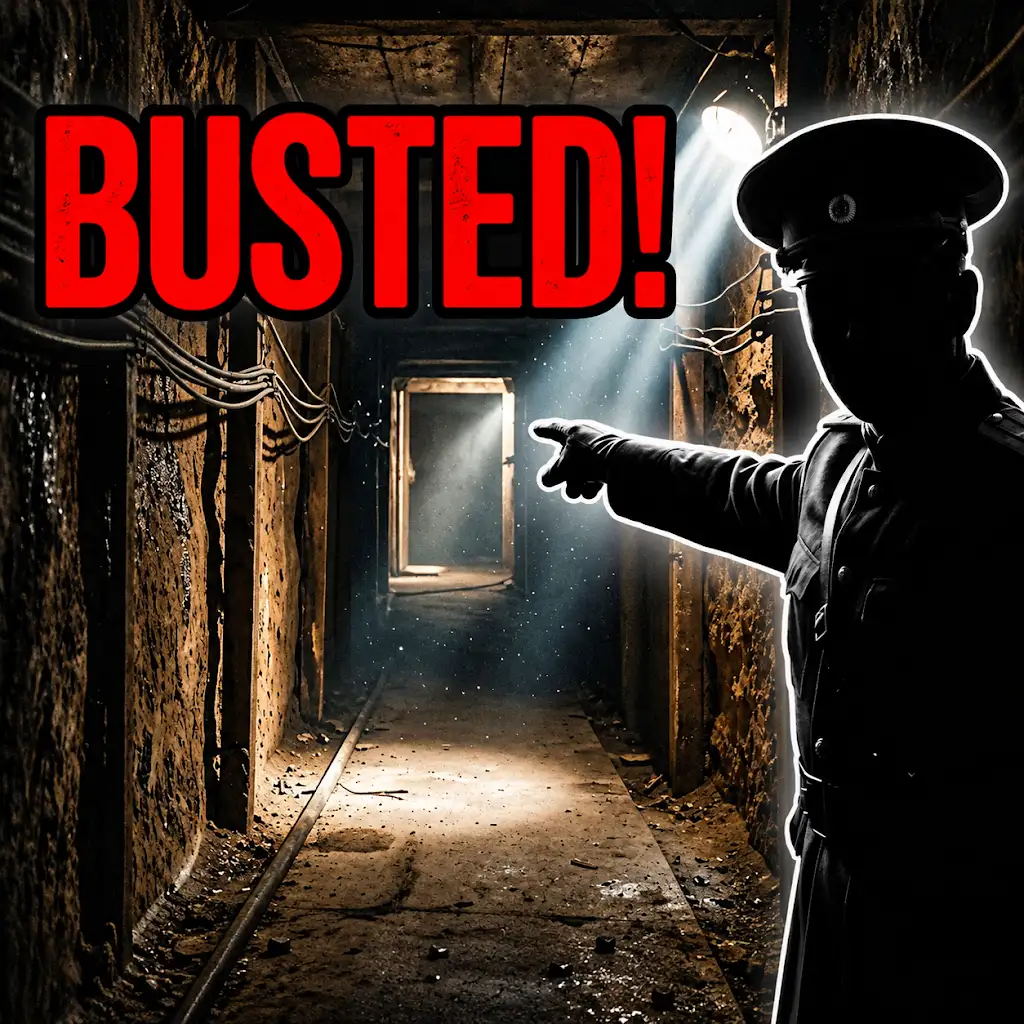
Operation Gold: The Day the Soviets Busted the CIA’s Secret Tunnel
FAQs
What are Berlin tunnel tape reels?
Berlin tunnel tape reels are a collection of audio recordings made by Allied intelligence agents during the Cold War. These tapes captured conversations between East German and Soviet officials.
Where were the Berlin tunnel tape reels discovered?
The Berlin tunnel tape reels were discovered in a hidden room in the National Archives in College Park, Maryland, in the United States.
When were the Berlin tunnel tape reels recorded?
The Berlin tunnel tape reels were recorded between 1953 and 1956, during the operation known as “Operation Gold” or “Operation Stopwatch.”
Why were the Berlin tunnel tape reels created?
The Berlin tunnel tape reels were created as part of a covert operation by the United States and the United Kingdom to gather intelligence on Soviet and East German activities in Berlin during the Cold War.
How significant are the Berlin tunnel tape reels in Cold War history?
The Berlin tunnel tape reels are considered highly significant in Cold War history as they provide valuable insights into the political and military strategies of the Soviet Union and East Germany during that period.