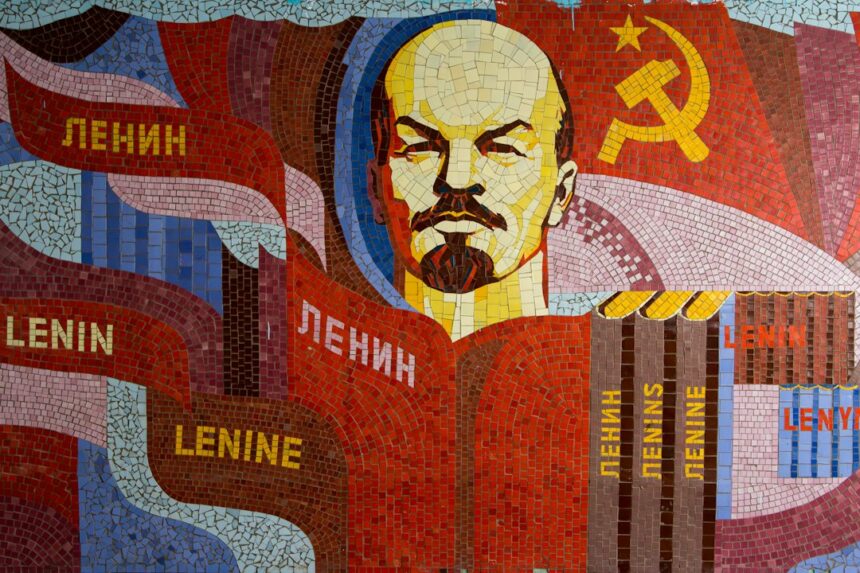
The Legacy of Red Spies: Understanding Soviet Intelligence Tradecraft
The Soviet Union, a superpower forged in revolution and shaped by decades of ideological struggle, possessed an intelligence apparatus that struck fear and awe into the hearts of its adversaries. The KGB and its predecessors were not merely organs of repression; they were sophisticated instruments of statecraft, masters of espionage whose techniques, forged in the crucible of Cold War confrontation, continue to inform and intrigue even today. Understanding Soviet intelligence tradecraft is not simply an academic exercise in historical analysis; it offers a glimpse into the enduring principles of espionage, the psychological underpinnings of deception, and the strategic imperatives that drove a global ideological contest. This exploration delves into the core tenets of Soviet espionage, examining the methods, motivations, and enduring impact of these legendary operatives.
Soviet intelligence tradecraft has long fascinated historians and espionage enthusiasts alike, particularly in the context of the Cold War. A related article that delves into the intricacies of these covert operations can be found at In the War Room. This piece explores the methods employed by Soviet spies, including the use of disinformation, surveillance techniques, and the recruitment of assets, providing valuable insights into the mindset and strategies that defined Soviet intelligence efforts during a pivotal era in global history.
Foundations of Soviet Espionage: Ideology, Discipline, and Control
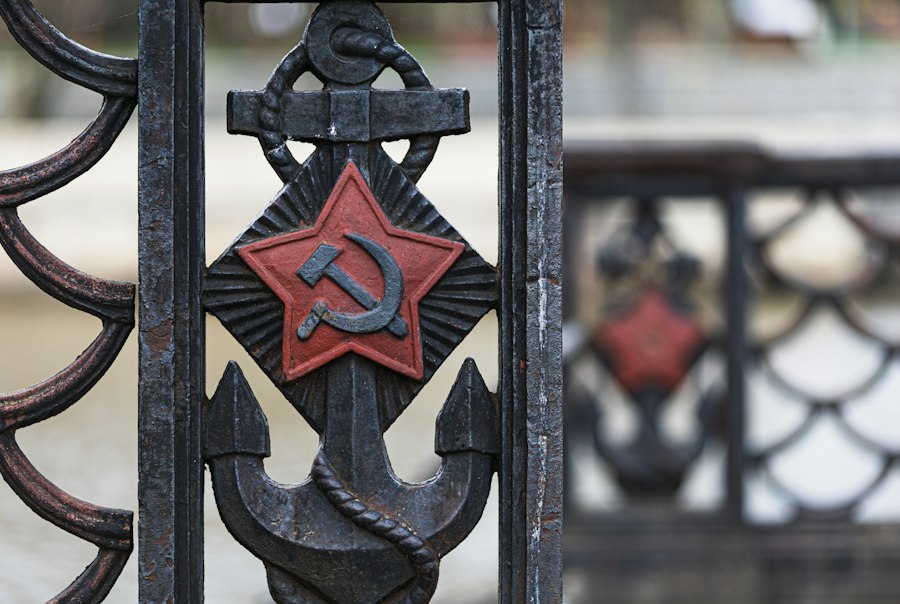
The Soviet intelligence machine was built upon a bedrock of ideological commitment, rigorous discipline, and pervasive state control. These fundamental pillars shaped every aspect of its operations, from recruitment to execution. The belief in the superiority of the communist system provided a powerful, albeit often manufactured, motivation for many operatives. This ideological fervor, combined with a deep-seated distrust of the West, fueled a dedication to the Soviet cause that was often portrayed as unwavering. Discipline was paramount, instilled from the earliest stages of training and enforced through a pervasive network of informants and internal security. The concept of “control” permeated the entire system, ensuring that operatives remained loyal and that operations were executed with absolute precision, minimizing risk and maximizing deniability.
The Ideological Imperative: More Than Just Patriotism
Soviet intelligence operatives were not simply soldiers fighting for their country; they were considered vanguard soldiers in a global class struggle. The narrative of capitalist exploitation and the promise of a communist utopia served as a potent recruiting tool and a justification for extreme measures. This ideology was deeply ingrained, often presented as an absolute truth that required no questioning. Operatives were taught to view their missions as crucial contributions to the inevitable triumph of communism, elevating their actions beyond personal gain to a grand historical mission. This provided a powerful psychological shield against the moral ambiguities of espionage and the inherent risks involved. The constant barrage of propaganda, both internal and external, reinforced this worldview, making it difficult for many to discern objective reality from the Soviet narrative.
Iron Discipline and the Culture of Conformity
Discipline in Soviet intelligence was not merely about following orders; it was about absolute adherence to a rigid code of conduct. Mistakes were not tolerated, and deviations from protocol could have severe consequences, including imprisonment or worse. This emphasis on discipline fostered a culture of extreme caution and meticulous planning. Operatives were trained to be unshakeable, to suppress emotions, and to operate with a detached pragmatism. This also contributed to a certain predictability in their methods, as deviation from established procedures was rare. The constant threat of surveillance and betrayal from within the Soviet Union itself further reinforced this culture of conformity and self-censorship. Trust was a rare commodity, and operatives were often encouraged to be suspicious of everyone, including their colleagues, creating an environment of perpetual vigilance.
The Power of the State: Centralized Command and Control
The Soviet intelligence apparatus operated under the direct command of the Communist Party, ensuring that all operations served its strategic objectives. This centralized control allowed for the swift mobilization of resources and the coordination of complex, multi-faceted operations across vast geographical distances. However, it also meant that intelligence gathering was often driven by political imperatives rather than purely objective analysis. The state’s absolute authority extended to the ability to orchestrate disinformation campaigns, to manipulate public opinion, and to wield intelligence as a weapon in the geopolitical arena. This pervasive state involvement meant that every operative was an agent of the Kremlin, their actions directly reflecting the will of the leadership, however opaque that will might be to the outside world.
The Art of Deception: Disinformation, Forgery, and Psychological Warfare

Perhaps the most iconic aspect of Soviet intelligence tradecraft was its mastery of deception. The Soviets excelled at crafting elaborate disinformation campaigns, creating convincing forgeries, and employing psychological warfare to sow discord, undermine adversaries, and advance their own agenda. These techniques were not merely about spreading lies; they were about meticulously constructed narratives designed to exploit existing vulnerabilities and shape perceptions. The goal was often to make the truth seem irrelevant, to blur the lines between fact and fiction, and to create an environment of perpetual doubt and suspicion.
Crafting the Narrative: The Subtle Art of Disinformation
Soviet disinformation operations were legendary for their sophistication and reach. They involved planting fabricated stories in sympathetic media outlets, using proxy organizations to spread rumors, and even orchestrating staged events to create compelling visual evidence. The aim was to manipulate public opinion, influence political discourse, and weaken the resolve of enemy nations. These campaigns were often long-term, carefully building momentum and exploiting existing societal divisions. The Soviets understood that a well-placed lie, repeated often enough and presented with a veneer of credibility, could be more powerful than any military force. They often leveraged the existing anxieties and prejudices of target populations, tailoring their messages to resonate with specific grievances.
The Illusion of Authenticity: Forgery and Fabrication
Soviet forgers were highly skilled, producing documents, photographs, and even audio recordings that were virtually indistinguishable from genuine articles. These fabricated materials were used to frame individuals, discredit organizations, and provide seemingly irrefutable “evidence” for disinformation campaigns. The meticulous attention to detail in these forgeries reflected the broader emphasis on precision within Soviet intelligence. It was not enough to create a lie; it had to be presented in a manner that left no room for doubt, making it a powerful tool for undermining trust and sowing confusion. The ability to create seemingly authentic artifacts allowed them to bypass the need for direct, overt actions, offering a layer of plausible deniability.
The Mind Game: Psychological Warfare and Influence Operations
Beyond overt deception, Soviet intelligence engaged in sophisticated psychological warfare aimed at manipulating the minds of key individuals and entire populations. This involved a range of techniques, from subtle influence operations designed to sway the opinions of influential figures to more aggressive campaigns aimed at exploiting anxieties and fears. The goal was to create internal divisions, foster dissent, and ultimately weaken the fabric of enemy societies. This often involved understanding the psychological profiles of targets, identifying their vulnerabilities, and then systematically exploiting them. It was a deeply insidious form of warfare, waged not on the battlefield, but within the minds of men.
Operational Techniques: Recruitment, Evasion, and Intelligence Gathering
The effectiveness of Soviet intelligence rested on a cadre of highly trained operatives and a suite of ingenious operational techniques. From the clandestine recruitment of valuable assets to the art of evasive maneuvers and the systematic gathering of vital intelligence, every aspect of their work was honed to perfection. These techniques were often a blend of innovation and adaptation, drawing on a long tradition of espionage while incorporating new technologies and methodologies.
The Human Factor: Cultivating and Managing Agents
The recruitment of agents was the lifeblood of any intelligence service, and Soviet intelligence was no exception. They employed a variety of methods, ranging from ideological persuasion and financial incentives to blackmail and coercion. Once recruited, agents were meticulously managed, their activities carefully monitored, and their intelligence assessed. The Soviets were adept at identifying individuals with access to valuable information, whether they were disillusioned academics, disgruntled bureaucrats, or ambitious politicians. The long-term cultivation of these relationships was key, building trust (or the illusion of it) over extended periods, allowing for the gradual extraction of critical data. This was often a slow, painstaking process, but one that yielded immense rewards.
The Silent Escape: Evasion and Counter-Surveillance
Soviet operatives were trained in the art of evasion and counter-surveillance, skills essential for survival in hostile territory. This included mastering techniques for detecting and evading surveillance, utilizing dead drops and brush passes for clandestine communication, and employing intricate escape routes. The emphasis was on blending in, avoiding attention, and moving with an almost imperceptible grace. The psychological pressure of constantly being monitored meant that operatives had to maintain an unwavering composure, their training allowing them to operate effectively under immense stress. The development of specialized equipment and coded communication further enhanced their ability to operate covertly and to disappear without a trace.
The Information Harvest: Methods of Intelligence Collection
The primary objective of espionage is, of course, the collection of intelligence. Soviet intelligence employed a diverse array of methods, from technical means like signals intelligence to the more traditional, human-centric approaches. This included placing agents in key positions within foreign governments and organizations, cultivating informants within target communities, and exploiting open-source information. The Soviets were particularly adept at analyzing and synthesizing disparate pieces of information, often piecing together a comprehensive picture from seemingly insignificant fragments. Their efforts were relentless, driven by a constant need to understand the intentions and capabilities of their adversaries. The sheer volume and breadth of their collection efforts were staggering.
Soviet intelligence tradecraft has long fascinated historians and espionage enthusiasts alike, revealing the intricate methods used by operatives during the Cold War. One particularly insightful article explores the evolution of these techniques and their impact on modern intelligence practices. For those interested in delving deeper into this subject, you can read more about it in this detailed analysis that highlights key strategies employed by Soviet spies. Understanding these tactics not only sheds light on past operations but also informs contemporary approaches to intelligence gathering.
The Shadow of the KGB: Impact and Enduring Legacy
| Tradecraft Technique | Description | Purpose | Common Usage |
|---|---|---|---|
| Dead Drops | Secret locations used to exchange information or materials without direct contact. | Maintain operational security and avoid detection. | Used extensively for passing documents and microfilms. |
| Brush Passes | Brief, covert handoffs of items or information between agents in public places. | Minimize risk of surveillance during exchanges. | Common in urban environments with heavy foot traffic. |
| One-Time Pads | Encryption method using a random key that is used only once. | Ensure unbreakable communication security. | Used for transmitting sensitive messages. |
| Safe Houses | Secure locations for meetings, planning, or hiding agents. | Provide operational cover and protection. | Located in inconspicuous urban settings. |
| Compartmentalization | Limiting information access to only those who need to know. | Reduce risk of compromise if an agent is captured. | Applied across all levels of operations. |
| Use of Cutouts | Intermediaries who facilitate communication between agents without revealing identities. | Protect identities and maintain operational security. | Common in agent recruitment and message delivery. |
| Surveillance Detection Routes (SDR) | Pre-planned routes to detect and evade surveillance. | Prevent being followed or compromised. | Used by agents when traveling to meetings or dead drops. |
The KGB, the ubiquitous symbol of Soviet intelligence, cast a long shadow over the 20th century. Its operations had a profound impact on global politics, shaping international relations, influencing conflicts, and contributing to the pervasive atmosphere of suspicion and fear that characterized the Cold War. The legacy of Soviet intelligence tradecraft, though often shrouded in secrecy and propaganda, continues to be studied and debated, offering valuable lessons for the intelligence community today.
Shaping the Geopolitical Landscape: Covert Operations and Influence
Soviet intelligence played a pivotal role in shaping the geopolitical landscape of the 20th century. Through covert operations, support for revolutionary movements, and sophisticated disinformation campaigns, they sought to expand Soviet influence and undermine Western powers. The actions of the KGB and its predecessors were often instrumental in fomenting conflicts, instigating political crises, and influencing the outcomes of elections. The ability to operate in the shadows, to manipulate events without overt attribution, made Soviet intelligence a formidable force on the global stage. Their interventions, though often hidden, had far-reaching consequences that continue to be felt.
The Cold War’s Invisible Front Line: Espionage and Counter-Espionage
The Cold War was fought on many fronts, but the invisible front line of espionage and counter-espionage was arguably one of the most critical. Soviet intelligence operatives were engaged in a constant cat-and-mouse game with their Western counterparts, seeking to steal secrets and sow discord, while Western agencies worked to uncover Soviet plots and recruit their own assets. This perpetual struggle for information and advantage fueled a relentless cycle of innovation and adaptation within both intelligence communities. The constant threat of infiltration and betrayal created an atmosphere of extreme paranoia, driving a relentless pursuit of knowledge and security.
Lessons from the East: Modern Intelligence Tradecraft and Soviet Influence
While the Soviet Union is no more, the lessons learned from its intelligence tradecraft remain relevant. Many of the fundamental principles of espionage – recruitment, deception, information gathering, and operational security – continue to be employed by intelligence agencies worldwide. The sophistication of Soviet disinformation techniques, in particular, has seen a resurgence in the digital age, with modern adversaries employing similar tactics to manipulate public opinion and sow discord. Understanding the methods and motivations of Soviet intelligence provides a crucial historical context for understanding the evolution of espionage and its enduring impact on the world. The study of these historical techniques offers valuable insights into the enduring human capacity for deception, the strategic importance of information, and the complex interplay between ideology, power, and secrecy.
The Psychology of the Operative: Motivation, Resilience, and the Cost of Secrecy
Behind the sophisticated techniques and grand strategies lay the human element – the operatives themselves. Understanding the psychological underpinnings that drove individuals to dedicate their lives to clandestine operations, their resilience in the face of immense pressure, and the profound personal cost of a life lived in secrecy is crucial to a comprehensive understanding of Soviet intelligence tradecraft. These were not automatons, but individuals grappling with complex motivations and facing extraordinary challenges.
The Spectrum of Motivation: Ideals, Coercion, and Personal Ambition
The motivations for becoming a Soviet intelligence operative were as varied as the individuals themselves. For some, it was a genuine belief in the communist ideal, a conviction that they were fighting for a better world. For others, it was a more pragmatic calculus: the promise of status, privilege, and financial reward, or the stark reality of coercion and blackmail. Many likely navigated a complex interplay of these factors. The state was adept at identifying and exploiting these individual drivers, weaving a narrative that appealed to patriotism, duty, and even a sense of righteous rebellion against perceived enemies. The allure of power and influence, coupled with the exclusivity of being part of a secret elite, also undoubtedly played a role for many.
Resilience Under Duress: Training, Mindset, and the Burden of Knowledge
The demands placed upon Soviet intelligence operatives were immense, requiring extraordinary levels of mental and emotional resilience. Their training was designed to forge an unshakeable resolve, instilling a disciplined mindset that could withstand interrogation, betrayal, and the constant threat of exposure. Operatives were taught to compartmentalize their emotions, to suppress fear, and to operate with a detached pragmatism. This psychological conditioning, while enabling them to perform under extreme duress, also came at a significant personal cost, often leading to isolation and emotional numbness. The knowledge they carried, the secrets they held, could be a heavy burden, a constant reminder of the divided nature of their existence.
The Double Life: Isolation, Betrayal, and the Human Cost of Espionage
Living a double life, perpetually concealing one’s true identity and purpose, inevitably took a toll. Soviet intelligence operatives often experienced profound isolation, unable to share the true nature of their work with loved ones, or even with colleagues they could not fully trust. The constant vigilance required to maintain their cover could lead to paranoia and a deep-seated sense of loneliness. Furthermore, the inherent risk of betrayal, both by their own government and by adversaries, created an atmosphere of perpetual anxiety. The stories of operatives who were compromised, arrested, or worse, served as stark reminders of the precariousness of their profession and the devastating consequences of failure. The personal sacrifices made in the name of state service were immense, often leaving behind fractured families and unresolved emotional scars, a silent testament to the human cost of this shadowy world.
Operation Gold: The Day the Soviets Busted the CIA’s Secret Tunnel
FAQs
What is Soviet intelligence tradecraft?
Soviet intelligence tradecraft refers to the techniques, methods, and practices used by Soviet intelligence agencies, such as the KGB, to gather information, conduct espionage, and carry out covert operations during the Cold War era.
What were some common tactics used in Soviet intelligence tradecraft?
Common tactics used in Soviet intelligence tradecraft included recruiting and handling agents, conducting surveillance, intercepting communications, using dead drops for secret communication, and employing disinformation campaigns.
How did Soviet intelligence agencies train their operatives in tradecraft?
Soviet intelligence agencies provided extensive training to their operatives in tradecraft, including instruction in surveillance techniques, cryptography, counter-surveillance, agent handling, and the use of covert communication methods.
What role did technology play in Soviet intelligence tradecraft?
Technology played a significant role in Soviet intelligence tradecraft, with agencies developing advanced tools for surveillance, code-breaking, and communication interception. However, traditional methods such as human intelligence (HUMINT) remained crucial to their operations.
Was Soviet intelligence tradecraft successful in achieving its objectives?
Soviet intelligence tradecraft was often successful in gathering valuable intelligence, conducting covert operations, and influencing events on the world stage. However, it also faced challenges and setbacks, including counterintelligence efforts by Western agencies and internal security leaks.