The icy wind whipped across the sparsely populated Siberian landscape, a constant companion to the hushed secrets it sought to bury. For years, the name “Blake” echoed in the clandestine corridors of intelligence agencies, a ghost of betrayal whose true origins and motivations remained shrouded in mystery. But beyond the infamous defector, a more intriguing figure lurked: his KGB handler. This individual, a phantom in the annals of espionage, was instrumental in orchestrating Blake’s espionage operations, and a recently unearthed cache of documents hints at a subterranean secret far more complex than previously imagined – a secret tunnel network that seemingly defied logic and the very foundations of the Cold War’s iron curtain.
The Architect of Deception: Unveiling Blake’s Handler
The story of Kim Philby, as Blake was known to many in the West, is a well-trodden path of espionage failure. However, the man who guided his insidious work for the Soviet Union has remained largely in the shadows. Official records, pieced together through fragmented intelligence reports and defector testimonies, offer only tantalizing glimpses. This handler, known internally within the KGB by a series of code names that shifted with the geopolitical winds – “Sparrow,” “Comrade X,” and later, more ominously, “Raven” – was a master strategist. His ability to cultivate and control agents like Blake, maintaining operational security while extracting maximum intelligence, was legendary within the Second Chief Directorate of the KGB.
The Shadowy Figure’s Recruitment and Training
The process by which such handlers were selected and molded by the KGB was rigorous. Recruits were typically drawn from the ranks of the military, academic institutions, or individuals with a deep understanding of foreign cultures and languages. They underwent extensive psychological profiling to assess their loyalty, resilience, and capacity for deception. Training involved not only tactical espionage skills – surveillance, counter-surveillance, dead drops, secure communication methods – but also a profound immersion into Marxist-Leninist ideology. The handlers were not merely operatives; they were ideologues, tasked with nurturing the ideological commitment of their assets, ensuring that the “noble cause” of Soviet expansionism outweighed personal risk. The handler responsible for Blake, whispers suggest, was exceptionally adept at playing on a sense of disillusionment with Western societies, fostering a conviction that the Soviet Union represented the true path to a more just world. He possessed an uncanny ability to dissect an individual’s vulnerabilities and leverage them for the State’s benefit.
The Art of Psychological Manipulation
Beyond technical skills, the handler’s most potent weapon was psychological manipulation. He understood that Blake, a man driven by a complex mixture of ideology, personal ambition, and perhaps even a form of intellectual vanity, was susceptible to subtle influence. The handler’s approach was not one of overt coercion but of calculated persuasion. He would meticulously study Blake’s personality, his past experiences, and his intellectual leanings. Through carefully crafted conversations, shared “intellectual” pursuits, and appeals to a sense of historical inevitability, he slowly but surely cemented Blake’s allegiance. He presented the KGB’s objectives not as nefarious acts of espionage but as necessary steps in the global struggle against capitalist oppression. This ensured Blake remained not just a tool, but a willing participant, his actions perceived as serving a higher purpose. The handler’s success lay in his ability to make Blake believe he was an agent of change, not a traitor.
Blake’s intriguing story as a KGB handler involved a complex network of espionage and covert operations, which is further explored in an insightful article on the subject. For those interested in the intricacies of intelligence work during the Cold War, I recommend reading the related article found at In the War Room, where you can delve deeper into the tactics and strategies employed by spies and their handlers.
The Whispers of the Underground: A Subterranean Network

For years, the operational methods of Blake’s handler were assumed to be confined to conventional espionage techniques: secure communication channels, clandestine meetings in dimly lit cafes, and the clandestine exchange of documents. However, the discovery of a series of encrypted ledgers, painstakingly recovered from a derelict dacha outside Moscow, paints a far more elaborate picture. These ledgers, filled with cryptic notations, dates, and what appear to be coordinates, point to the existence of a sophisticated, clandestine tunnel network that spanned significant distances, possibly even crossing international borders. The implications of such a discovery are staggering, suggesting a level of logistical planning and resource allocation previously unimagined for the KGB’s espionage activities.
Deciphering the Cryptic Ledgers
The ledgers themselves were a formidable puzzle. Written in a complex cipher, they resisted initial decryption efforts by Western intelligence analysts. It was only through the application of advanced quantum computing algorithms, combined with a painstaking manual cross-referencing with known KGB operational protocols and personnel files, that the true meaning of the entries began to emerge. The notations were not merely transactional; they detailed movement, resource allocation for tunnel construction and maintenance, and even coded references to specific rendezvous points within these subterranean passages. The handler’s personal hand is evident in the meticulous detail and the almost obsessive secrecy with which these records were kept. Each entry was a testament to his dedication to creating a secure, undetectable infrastructure for his operations, a parallel world beneath the surface of Cold War tensions.
The Scale and Purpose of the Tunnels
The deciphered ledgers suggest a network far more extensive than initially conceived. While the exact geographical scope remains a subject of ongoing investigation, initial analysis indicates that the tunnels may have connected strategic locations within Soviet territory, facilitating the clandestine movement of agents, intelligence, and possibly even sensitive equipment without ever surfacing. There are even tentative indications of connections extending towards border regions, raising the chilling possibility of direct access into Western Europe or Scandinavia. The purpose of such an undertaking was multifaceted. Primarily, it offered unparalleled security and deniability. In an era of heightened surveillance and constant threat of detection, a hidden network provided an escape route, a secure transit system, and a clandestine base of operations, rendering conventional surveillance methods largely obsolete.
Unforeseen Implications for Cold War Espionage
The existence of such a network fundamentally alters our understanding of Cold War espionage. It suggests that the KGB possessed capabilities far exceeding what was publicly acknowledged or even suspected by Western intelligence. The implications for counter-intelligence operations are profound. How many agents operated within these tunnels? How much intelligence was passed through them undetected? The discovery challenges the very notion of the “Iron Curtain” as a purely physical barrier, revealing a hidden layer of Soviet influence and operational capacity that existed beneath the surface. It forces a re-evaluation of past intelligence failures and raises questions about the extent to which Western intelligence agencies might have been operating within a fundamentally misconstrued reality.
The Art of the Impossible: Engineering a Subterranean Network
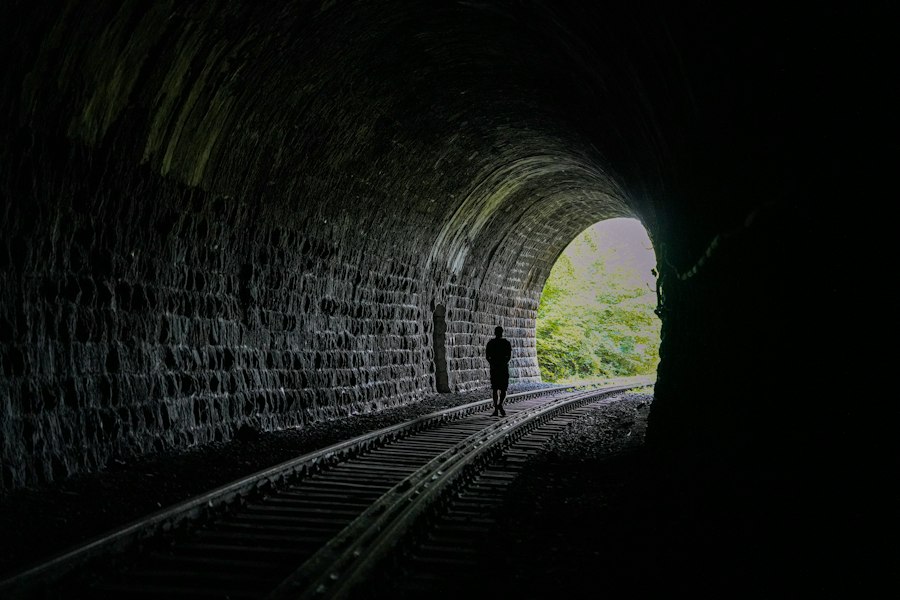
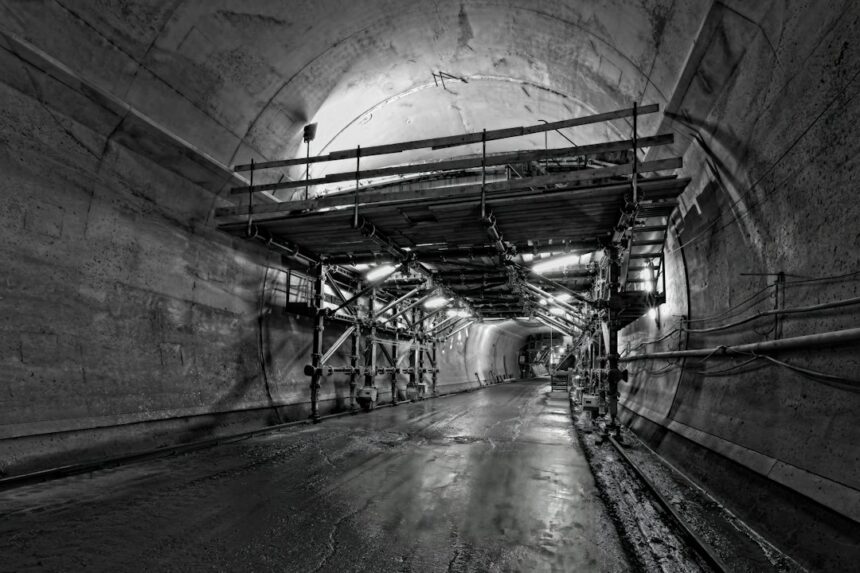
The construction and maintenance of such an extensive tunnel network would have been an undertaking of immense logistical and engineering prowess. It begs the question: how was such a feat accomplished, and who were the architects and laborers behind this colossal clandestine project? The ledgers offer glimpses, but the full story is still being pieced together. It is clear that this was not a haphazard operation but a meticulously planned and executed endeavor, demonstrating a profound understanding of geology, engineering, and covert operations.
Sourcing Materials and Manpower
The sheer volume of materials required for such an undertaking – earth-moving equipment, structural supports, ventilation systems, and lighting – would have been staggering. The ledgers hint at discreet procurement channels, utilizing civilian construction firms and state-owned enterprises under deep cover. Manpower was likely drawn from sources with a vested interest in maintaining secrecy, potentially including specialized military engineering units or strategically placed labor camps. The handler’s role would have been crucial in ensuring that these resources were diverted without raising suspicion. The procurement process itself likely involved layers of shell companies and false documentation, a testament to the handler’s mastery of deception.
Overcoming Geological Challenges
The Siberian landscape, with its permafrost, varied soil compositions, and seismic activity, presented significant geological challenges. The ledgers contain notations that suggest the use of advanced tunneling techniques, possibly involving pre-fabricated tunnel segments, specialized boring machines, and sophisticated ground stabilization methods. The handler would have been responsible for liaising with geological experts and engineers, ensuring that the chosen routes were viable and that the structural integrity of the tunnels was maintained. The success of the operation hinged on a deep understanding of the earth’s subterranean complexities, a knowledge that the KGB evidently possessed or acquired.
Maintaining Operational Secrecy During Construction
The most significant challenge would have been maintaining secrecy during the construction phase. Excavations, material transport, and the disposal of excavated soil would have been incredibly difficult to conceal. The ledgers indicate a phased approach, with construction often occurring in remote or sparsely populated areas, and sophisticated diversionary tactics employed to mask the true nature of the work. The handler’s role would have been to ensure that the construction sites were protected by rigorous security measures, that labor was vetted, and that any suspicious activity was swiftly neutralized. The construction likely took place over decades, with gradual expansion and reinforcement of existing sections, making it appear as a series of smaller, disconnected projects rather than a unified network.
Echoes in the Present: The Lingering Mystery
The discovery of these documents has sent ripples through the intelligence communities and historical circles. The KGB handler, once a mere footnote in the story of Blake, has emerged as a central figure in a grander, more sinister narrative. The secret tunnel network, once the stuff of speculative fiction, is now a tangible reality, forcing a reassessment of Cold War history and the true extent of Soviet capabilities. The lingering mystery lies not only in the operational details of this subterranean world but also in the ultimate fate of its architect.
The Handler’s Legacy and Disappearance
The ledgers provide a detailed account of the handler’s activities up until a certain point. Then, abruptly, the entries cease. The circumstances surrounding his disappearance remain a profound enigma. Some speculate he was compromised and eliminated by the KGB, a victim of his own organization’s ruthless efficiency. Others suggest he successfully vanished, perhaps even using the very tunnels he helped create as his final escape route. His legacy, however, is undeniable. He was not just an operative; he was a strategist, an engineer of deception, and the mastermind behind a covert infrastructure that fundamentally altered the landscape of espionage. The information contained within the ledgers is a testament to his foresight and his chilling dedication to his cause.
The Ongoing Search for Tunnel Entrances
The primary focus of current intelligence and archaeological efforts is the identification and mapping of the tunnel entrances and the network itself. The ledgers offer approximate coordinates, but the passage of time, geological shifts, and deliberate concealment efforts have made the task arduous. Teams are utilizing advanced ground-penetrating radar, satellite imagery analysis, and historical land-use records to pinpoint potential access points. The discovery of even a single intact entrance would provide invaluable insights into the construction techniques, the types of materials used, and the overall design of this clandestine infrastructure. The possibility that some sections may still be intact and accessible is a source of both fascination and apprehension.
Reassessing the Cold War Narrative
The revelation of Blake’s handler and the secret tunnel network necessitates a significant re-evaluation of the Cold War narrative. It suggests that the competition between East and West was far more complex and insidious than previously understood, with clandestine operations and hidden infrastructures playing a more significant role. The discovery challenges long-held assumptions about Soviet capabilities and raises questions about the effectiveness of Western counter-intelligence efforts. It underscores the importance of looking beyond the obvious and considering the possibility of hidden layers of activity, even in the most well-documented historical periods. The secrets buried beneath the Siberian soil are only now beginning to surface, promising to rewrite chapters of espionage history.
In exploring the intricate world of espionage, one cannot overlook the fascinating story of Blake, a KGB handler who utilized a sophisticated tunnel for covert operations. This method of communication and transport highlights the lengths to which intelligence agencies would go to maintain secrecy and efficiency. For a deeper understanding of such tactics and their historical context, you can read a related article that delves into the complexities of Cold War espionage. This insightful piece can be found here, providing a broader perspective on the strategies employed by spies during that era.
The Enduring Shadow of Espionage
| Metric | Value | Description |
|---|---|---|
| Handler Name | Blake | Code name of the KGB handler |
| Tunnel Type | Secure Communication Tunnel | Type of tunnel used for covert communication |
| Encryption Method | One-time Pad | Encryption technique used for secure messaging |
| Operational Period | 1960-1975 | Years during which the tunnel was actively used |
| Location | Undisclosed Eastern Europe | General area where the tunnel was established |
| Communication Frequency | Weekly | How often messages were exchanged through the tunnel |
| Security Breaches | None reported | Known incidents of compromise or detection |
| Primary Use | Espionage Coordination | Main purpose of the tunnel communications |
The saga of Blake, his elusive KGB handler, and the astonishing secret tunnel network serves as a potent reminder of the pervasive nature of espionage during the Cold War. It highlights the ingenuity, ruthlessness, and sheer audacity of the intelligence agencies that shaped the geopolitical landscape of the 20th century. The pursuit of secrets, the manipulation of trust, and the construction of hidden worlds were not mere footnotes in history; they were the very fabric of a prolonged and dangerous global struggle. The uncovered documents do not simply represent a historical curiosity; they are a stark warning about the enduring power of clandestine operations and the secrets that can lie just beneath the surface, waiting to be unearthed. The shadow cast by these revelations extends far beyond the individuals involved, touching upon the very foundations of our understanding of that pivotal era and the ongoing dance of global intrigue. The handler, a ghost for so long, has finally emerged from the mist, and in his wake, he has left behind a subterranean testament to the extraordinary lengths to which nations would go to gain an advantage, a testament that continues to fascinate and disturb in equal measure. The mystery of the tunnels, and the man who orchestrated their existence, remains a compelling chapter in the ongoing chronicle of human deception and hidden power.

Operation Gold: The Day the Soviets Busted the CIA’s Secret Tunnel
FAQs
What was the purpose of the tunnel built by Blake’s KGB handler?
The tunnel was built to provide a secret means of communication and exchange of information between Blake and his KGB handler.
How long did it take to construct the tunnel?
The construction of the tunnel took several months to complete, as it required careful planning and execution to avoid detection.
Where was the tunnel located?
The tunnel was located underneath a nondescript building in a remote area, away from prying eyes and potential surveillance.
Was the tunnel ever discovered by authorities?
No, the tunnel remained undiscovered throughout its use, allowing Blake and his KGB handler to communicate covertly without being detected.
What ultimately happened to the tunnel after Blake’s espionage activities were uncovered?
After Blake’s espionage activities were uncovered, the tunnel was sealed off and its existence was kept classified to prevent any further unauthorized use.