The impact of war on Soviet society during the 20th century was profound and multifaceted, shaping the lives of millions and altering the very fabric of the nation. The Soviet Union, particularly during World War II, faced unprecedented challenges that tested its resilience and adaptability. The war not only resulted in staggering loss of life and destruction of infrastructure but also catalyzed significant social, economic, and cultural transformations.
As the nation grappled with the immediate consequences of conflict, it also laid the groundwork for long-term changes that would resonate through subsequent decades. The war’s influence extended beyond the battlefield, permeating every aspect of Soviet life. From the economy to family structures, the repercussions were felt deeply and widely.
The Soviet government, in its efforts to mobilize resources and maintain morale, implemented policies that would redefine societal roles and expectations. This article seeks to explore the various dimensions of war’s impact on Soviet society, examining economic consequences, social disruptions, and the evolving roles of individuals within this tumultuous context.
Key Takeaways
- War had a profound impact on Soviet society, leading to economic consequences, social disruption, and displacement.
- Women played a significant role in the war effort, taking on new responsibilities and contributing to the workforce.
- Education and cultural institutions were greatly affected by the war, leading to changes in curriculum and artistic expression.
- The war had psychological effects on the population, leading to trauma and mental health challenges.
- The legacy of war in Soviet society included changes in family dynamics, rise of nationalism and patriotism, and challenges in healthcare and public health.
Economic Consequences of War
The economic consequences of war on Soviet society were both immediate and enduring. The devastation wrought by World War II left a significant portion of the country’s industrial base in ruins. Factories were destroyed, agricultural lands were ravaged, and infrastructure was severely damaged.
The loss of human capital was equally staggering, with millions of workers conscripted into military service or killed in combat. This disruption led to a labor shortage that hampered recovery efforts and necessitated a reorganization of the workforce. In response to these challenges, the Soviet government implemented a series of ambitious economic plans aimed at reconstruction and growth.
The post-war period saw a focus on heavy industry and military production, often at the expense of consumer goods. While this strategy did lead to a rapid industrial recovery by the late 1940s and early 1950s, it also created a society marked by scarcity and rationing. The emphasis on military readiness over civilian needs fostered a culture of deprivation that would linger for years, shaping public attitudes toward government policies and economic management.
Social Disruption and Displacement
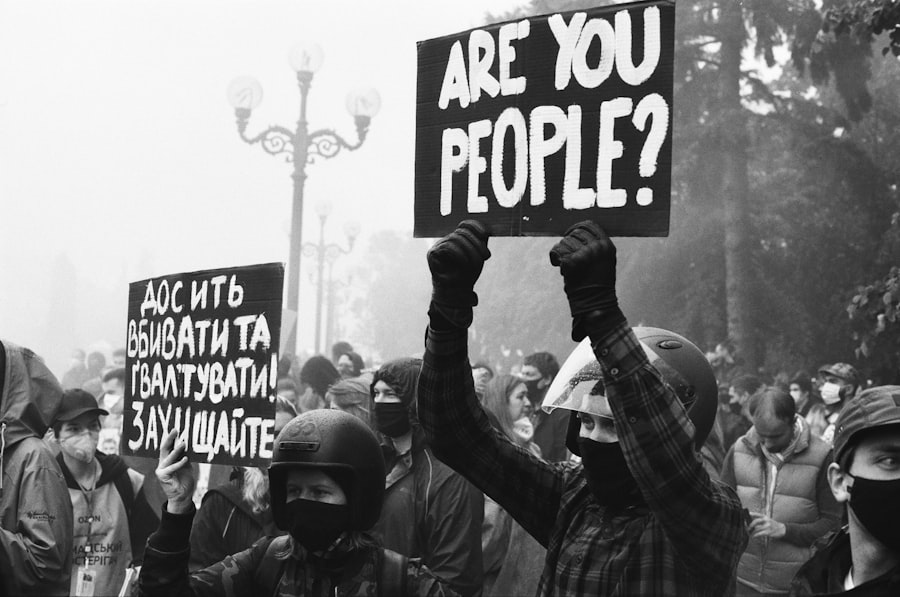
The social fabric of Soviet society was irrevocably altered by the war, leading to widespread disruption and displacement. Millions of people were uprooted from their homes as frontlines shifted and cities fell under enemy occupation. Refugees flooded into urban centers, straining resources and creating tensions among different groups.
The war also exacerbated existing social inequalities, as certain regions and demographics bore a disproportionate burden of loss and suffering. In addition to physical displacement, the war instigated profound changes in social dynamics. Traditional roles were challenged as men went off to fight, leaving women to take on responsibilities that had previously been considered male domains.
This shift not only altered family structures but also led to a reevaluation of gender roles within Soviet society. As women became integral to the workforce and war effort, their contributions began to reshape societal expectations and norms.
Role of Women in the War Effort
| Country | Women’s Role | Impact |
|---|---|---|
| United States | Worked in factories, served as nurses, and joined the military | Significantly increased production and support for the war effort |
| United Kingdom | Took on jobs traditionally held by men, such as driving buses and working in munitions factories | Contributed to the war effort and helped keep the economy running |
| Soviet Union | Served in combat roles, worked in factories, and provided medical support | Played a crucial role in the military and industrial efforts |
Women played a crucial role in the Soviet war effort, stepping into positions that were vital for both military and civilian success. With millions of men conscripted into the armed forces, women took on jobs in factories, farms, and offices, ensuring that the economy continued to function despite the loss of male labor. They became engineers, mechanics, and even soldiers, serving in combat roles that had traditionally been reserved for men.
This unprecedented involvement not only showcased their capabilities but also challenged long-standing gender stereotypes. The contributions of women during the war extended beyond mere labor; they were also instrumental in maintaining morale on the home front. Women organized community support networks, provided care for children and the elderly, and participated in propaganda efforts to bolster national pride.
Their resilience and determination became emblematic of the Soviet spirit during wartime, leading to a gradual shift in societal perceptions regarding women’s roles in both public and private spheres.
Impact on Education and Cultural Institutions
The war’s impact on education and cultural institutions was significant, as many schools and universities were forced to close or repurpose their facilities for military use. The disruption of educational systems meant that a generation of children faced interruptions in their learning, which would have lasting effects on literacy rates and educational attainment. In many cases, teachers were conscripted into military service or displaced due to wartime conditions, further complicating efforts to maintain educational standards.
Despite these challenges, the post-war period also saw a resurgence in cultural production as artists, writers, and intellectuals sought to process their experiences through creative expression. Literature and art became vehicles for exploring themes of loss, resilience, and national identity. The state promoted cultural initiatives that celebrated Soviet achievements during the war while also grappling with the trauma experienced by individuals and communities.
Psychological Effects on the Population

The psychological effects of war on the Soviet population were profound and far-reaching. The trauma experienced by soldiers returning from combat was compounded by the grief felt by families who had lost loved ones or had been separated from them for years. Many veterans struggled with what would later be recognized as post-traumatic stress disorder (PTSD), facing difficulties reintegrating into civilian life while grappling with memories of violence and loss.
Moreover, the collective trauma experienced by society as a whole manifested in various ways. The pervasive atmosphere of fear and uncertainty created by wartime experiences led to heightened anxiety levels among civilians.
This psychological burden influenced social interactions and relationships, as individuals navigated their grief while attempting to rebuild their lives in a changed world.
Changes in Family Dynamics
War brought about significant changes in family dynamics within Soviet society. With many men conscripted into military service or killed in action, women assumed new roles as heads of households. This shift not only altered traditional family structures but also necessitated a reevaluation of gender roles within society.
Women became primary breadwinners, managing finances and making decisions that had previously been reserved for men. The absence of fathers or husbands created emotional voids within families, leading to complex dynamics among surviving members. Children grew up in households where maternal figures often bore the weight of both nurturing and providing for their families.
This shift fostered resilience among women but also placed immense pressure on them as they navigated their dual responsibilities. As families adapted to these changes, new forms of support emerged within communities, highlighting the importance of collective resilience in overcoming adversity.
Rise of Nationalism and Patriotism
The war catalyzed a surge in nationalism and patriotism within Soviet society as citizens rallied around a common cause against external threats. The narrative of defending the motherland became central to wartime propaganda, fostering a sense of unity among diverse ethnic groups within the Soviet Union. This newfound patriotism was not merely a response to external aggression; it also served as a means of reinforcing loyalty to the state and its leadership.
As victory was achieved, celebrations became widespread, further solidifying national pride among citizens. The state capitalized on this sentiment by promoting narratives that emphasized heroism and sacrifice during the war. Monuments were erected, parades were held, and cultural productions celebrated the valor of soldiers and civilians alike.
This rise in nationalism would have lasting implications for Soviet identity, shaping how citizens viewed themselves in relation to their country and its history.
Impact on Healthcare and Public Health
The war had significant implications for healthcare and public health within Soviet society. The massive influx of wounded soldiers placed immense strain on medical facilities already grappling with shortages of personnel and resources. Hospitals were often overwhelmed with casualties, leading to challenges in providing adequate care for both physical injuries and psychological trauma.
In response to these challenges, the government implemented measures aimed at improving healthcare access and quality post-war. Efforts were made to expand medical training programs and increase the number of healthcare professionals available to serve an increasingly complex population with diverse needs. However, despite these initiatives, public health issues persisted due to ongoing economic difficulties and resource constraints.
Reintegration of Veterans into Society
The reintegration of veterans into Soviet society posed significant challenges as returning soldiers faced numerous obstacles upon their return home. Many veterans struggled with physical injuries or psychological scars from their wartime experiences, complicating their ability to resume normal lives. The government recognized the need for programs aimed at supporting veterans but often fell short in providing comprehensive assistance.
Efforts were made to facilitate job placement and vocational training for returning soldiers; however, societal attitudes toward veterans varied widely. While some citizens viewed them as heroes deserving respect and support, others harbored resentment due to economic hardships exacerbated by wartime losses. This ambivalence created tensions within communities as veterans sought to reclaim their place in a society that had been irrevocably altered by conflict.
Legacy of War in Soviet Society
The legacy of war in Soviet society is complex and multifaceted, leaving an indelible mark on subsequent generations. The experiences of World War II shaped national identity, influencing how citizens viewed their history and relationship with the state. The narratives constructed around heroism, sacrifice, and resilience became foundational elements of Soviet culture that persisted long after the conflict ended.
Moreover, the societal changes initiated by wartime experiences continued to resonate throughout subsequent decades. The evolving roles of women, shifts in family dynamics, and transformations in economic structures all contributed to a society grappling with its past while striving for progress. As individuals reflected on their experiences during this tumultuous period, they carried forward lessons learned about resilience, unity, and the enduring impact of conflict on human lives.
In conclusion, the impact of war on Soviet society was profound and far-reaching, shaping not only immediate responses but also long-term transformations that would define future generations. From economic upheaval to social disruption, each facet contributed to a complex legacy that continues to influence perceptions of identity within Russia today. Understanding this legacy is essential for comprehending how historical events shape contemporary societies and inform collective memory across time.
The impact of war on Soviet society is a complex topic that encompasses various social, economic, and political dimensions. For a deeper understanding of this subject, you can explore the article available at