
The shadow wars waged during the Cold War were fought not with tanks and bombers, but with whispers, lies, and impeccably trained operatives. The United Kingdom’s Secret Intelligence Service, MI6, stood at the forefront of this clandestine conflict, its agents weaving a complex tapestry of espionage and covert action across the globe. This era, marked by the ideological struggle between the West and the Soviet Union, demanded a level of operational ingenuity and risk-taking that has rarely been matched. MI6’s efforts were crucial in understanding Soviet intentions, undermining their influence, and protecting Western interests, often operating in the greyest of ethical and legal spaces. The sheer audacity of some missions, the dedication of its operatives, and the profound impact of their work are only now being fully appreciated as more information is declassified.
The Crucible of Ideology: MI6’s Role in the East-West Struggle
The post-World War II landscape was irrevocably altered by the emergence of two superpowers with diametrically opposed ideologies. The Soviet Union, driven by communist expansionism, and the Western bloc, led by the United States and its allies, engaged in a protracted geopolitical standoff. MI6 found itself thrust into a central role in this ideological battle, tasked with gathering intelligence on the Soviet Union’s military capabilities, political machinations, and technological advancements. This was not merely about gathering facts; it was about understanding the enemy’s mind, predicting their moves, and counteracting their every attempt to destabilize the free world. The stakes were existential, and MI6’s operations were a critical, albeit often unseen, component of the West’s defensive posture.
Establishing the ‘Invisible Front’
With the Iron Curtain descending across Europe, MI6 operatives were deployed to establish an ‘invisible front’ behind enemy lines. This involved a sophisticated network of sources, clandestine meetings, and the painstaking acquisition of information that could provide a vital edge. The recruitment of agents within Soviet-aligned states was a perilous undertaking, often relying on individuals disillusioned with their regimes or those who could be motivated by ideological conviction, financial reward, or even blackmail. The risks were immense, with capture often leading to prolonged imprisonment, torture, or execution. Yet, the flow of intelligence, from troop movements to missile development, was deemed essential for national security.
The Battle for Influence: Propaganda and Disinformation
Beyond direct intelligence gathering, MI6 was also deeply involved in the battle for hearts and minds. The Cold War was as much a propaganda war as it was a military one, and MI6 played a significant role in shaping perceptions and undermining Soviet narratives. This involved subtle disinformation campaigns, the dissemination of pro-Western information, and the support of dissident movements. The goal was to weaken the ideological appeal of communism and to foster an environment where opposition could flourish. These operations were often deniable, with the intention that any discovery would lead back to no official source, thus protecting the government from diplomatic repercussions.
During the Cold War, MI6 played a crucial role in intelligence operations that shaped the geopolitical landscape of the time. For a deeper understanding of these covert activities and their implications, you can read the article on MI6’s Cold War operations at In The War Room. This resource provides valuable insights into the strategies employed by British intelligence and the challenges they faced during this tense period in history.
Masters of Deception: Covert Operations and Infiltration
The covert operations undertaken by MI6 during the Cold War were characterized by their daring, their complexity, and their unwavering commitment to secrecy. These missions often involved infiltrating hostile territories, exfiltrating defectors, and engaging in sabotage or other forms of disruptive action. The operatives tasked with these assignments were subjected to rigorous training, honing their skills in disguise, lock-picking, surveillance, and close-quarters combat. The psychological resilience required for such work cannot be overstated, as agents often operated under intense pressure, isolated from support, and with the constant threat of exposure.
The Art of Infiltration and Exfiltration
A cornerstone of MI6’s covert operations was the ability to infiltrate enemy territory and to exfiltrate valuable assets, be they defecting scientists, disillusioned politicians, or crucial intelligence. These operations were meticulously planned, often involving intricate logistical arrangements and the use of specialized equipment. The planning stages could take months, even years, involving detailed reconnaissance, the establishment of safe houses, and the creation of plausible cover stories for the operatives. Exfiltration was often the most dangerous phase, requiring precise timing and the ability to navigate treacherous escape routes, often under the watchful eyes of enemy security forces. The success or failure of such missions could have profound implications for the balance of power.
The ‘Silent Service’: Sabotage and Disruptive Action
In addition to intelligence gathering and exfiltration, MI6 also engaged in sabotage and disruptive actions aimed at hindering Soviet military or industrial capabilities. These operations were the most sensitive and were typically only authorized under extreme circumstances. The objective was to cause delays, disrupt production, or undermine confidence in the regime. These actions, however, were always carefully weighed against the potential for escalation and diplomatic fallout. The attribution of such actions was, of course, never officially acknowledged, allowing the government to maintain plausible deniability.
Key Theaters of Operation: Europe, Asia, and Beyond
The Cold War was a global struggle, and MI6’s operational footprint mirrored this reach. While Europe, particularly divided Berlin, was a primary focus, the service also maintained a significant presence in Asia, Africa, and Latin America, actively countering Soviet and Chinese influence. These diverse geographical settings presented unique challenges and demanded a highly adaptable approach to espionage and covert action. The nuanced understanding of local cultures, political landscapes, and societal dynamics was as vital as any technical skill.
The Berlin Wall’s Shadow: A City Divided
Divided Berlin became a focal point of Cold War espionage, a tangible manifestation of the ideological chasm. MI6 operatives were deeply embedded in the city, working tirelessly to monitor East German and Soviet activities. The construction of the Berlin Wall in 1961 only intensified the challenges and the risks associated with intelligence gathering. Tunnels were dug, clandestine radio communications were established, and daring escapes were orchestrated, all under the constant threat of Stasi surveillance. The intelligence flowing from Berlin was invaluable, providing critical insights into the Soviet bloc’s intentions and capabilities.
Asia’s Shifting Sands: Countering the Dragon and the Bear
Beyond Europe, MI6’s attention was keenly focused on Asia, particularly in the context of the Sino-Soviet split and the burgeoning influence of both powers in newly independent nations. Operations in countries like India, Pakistan, and Southeast Asia were aimed at understanding their allegiances, countering communist infiltration, and preventing them from falling into the Soviet or Chinese orbit. This involved a delicate balancing act of diplomacy, aid, and clandestine intelligence gathering, often requiring agents to operate in environments with limited infrastructure and significant political instability.
The Unseen Fronts: Africa and Latin America
MI6 also extended its reach to Africa and Latin America, where Cold War rivalries played out through proxy conflicts and ideological struggles. The service worked to support pro-Western governments, undermine communist movements, and gather intelligence on the activities of Soviet-aligned nations. These operations were often conducted in environments where local populations were suspicious of foreign intervention, requiring a high degree of cultural sensitivity and a reliance on local assets. The decolonization process in Africa, in particular, created a volatile landscape where competing ideologies vied for influence.
The Human Element: The Operatives and Their Sacrifices
Behind every successful mission, every piece of critical intelligence, lay the dedication, courage, and often immense personal sacrifice of MI6 operatives. These men and women, often unsung heroes, operated in the shadows, their identities and contributions largely unknown to the public. They endured prolonged periods of separation from their families, lived under constant threat, and faced psychological pressures that would break most individuals. The Cold War era demanded a unique breed of operative, characterized by unwavering loyalty, exceptional nerve, and an almost superhuman capacity for resilience.
The Rigors of Training and Recruitment
The path to becoming an MI6 operative during the Cold War was arduous. Recruitment often focused on individuals with specific linguistic skills, backgrounds in relevant fields like engineering or economics, and a demonstrable psychological suitability for clandestine work. Training was comprehensive, encompassing a wide array of skills: surveillance techniques, counter-surveillance, tradecraft, weapons handling, self-defense, and the art of deception. Operatives were taught to blend seamlessly into any environment, to create and maintain elaborate cover stories, and to operate autonomously when necessary. The emphasis was on self-reliance and the ability to make split-second decisions under extreme duress.
The Psychological Toll: Isolation and Pressure
The psychological toll of Cold War espionage was immense. Operatives often spent extended periods away from home, living under assumed identities in hostile environments. The isolation, the constant fear of discovery, and the moral ambiguities inherent in their work could be profoundly taxing. They were often required to betray trust, to manipulate individuals, and to witness or participate in actions that blurred ethical lines. Maintaining operational security meant that they could rarely confide in anyone, even their own families, about the true nature of their work. This created a deep and often unspoken burden of secrecy.
Legacies of Service: Unacknowledged Contributions
The contributions of MI6 operatives during the Cold War were vital to the security and stability of the West. Yet, their sacrifices and achievements remained largely unacknowledged for decades. Many operatives served with distinction and bravery, living out their lives in relative anonymity. Only through the gradual declassification of documents and the passage of time have some of these stories begun to emerge, shedding light on the dedication and courage of those who fought the Cold War on its invisible front lines. Their legacies are etched not in public monuments, but in the geopolitical landscape they helped to preserve.
During the Cold War, MI6 played a crucial role in intelligence operations that shaped the geopolitical landscape of the time. Their covert activities were often shrouded in secrecy, yet they had a significant impact on international relations. For a deeper understanding of these operations and their implications, you can explore a related article that delves into the intricacies of MI6’s strategies and missions. This fascinating read can be found here.
The Enduring Legacy: Lessons from the Shadow Wars
| Operation Name | Year | Location | Objective | Outcome |
|---|---|---|---|---|
| Operation Gold | 1955-1956 | Berlin, Germany | Wiretap Soviet communication lines | Compromised by Soviet double agent; limited intelligence gained |
| Operation Mincemeat | 1943 (precursor to Cold War tactics) | Spain | Deception to mislead Axis about Allied invasion plans | Successful deception aiding Allied invasion of Sicily |
| Operation Silver | 1949-1956 | Vienna, Austria | Wiretap Soviet Army communications | Gathered valuable intelligence until discovered by Soviets |
| Operation Boot | 1953 | Iran | Overthrow Prime Minister Mossadegh | Successful coup restoring Shah’s power |
| Operation Gladio | 1950s-1990s | Europe | Secret stay-behind resistance networks against Soviet invasion | Maintained covert networks; controversial political impact |
The Cold War may have ended, but the lessons learned from MI6’s operations during that period continue to resonate. The service’s experience in intelligence gathering, covert action, and counter-espionage provided a foundation for its operations in the post-Cold War world and in the ongoing fight against terrorism and other global threats. The challenges of operating in complex geopolitical environments, the importance of human intelligence, and the ethical considerations inherent in clandestine activities remain as relevant today as they were during the height of the East-West struggle.
Adapting to a New World Order
The collapse of the Soviet Union did not signal the end of intelligence work. Instead, MI6, like its international counterparts, had to adapt to a rapidly changing world order. The focus shifted from a monolithic ideological adversary to a more diffuse array of threats, including rogue states, transnational terrorism, and cyber warfare. The operational paradigms honed during the Cold War, however, proved adaptable. The skills of infiltration, intelligence analysis, and covert action remained essential, albeit applied to new targets and in new contexts.
The Indispensability of Human Intelligence
The Cold War underscored the enduring indispensability of human intelligence (HUMINT). While technological advancements in surveillance and signals intelligence continued, the nuanced understanding and insights provided by human sources remained irreplaceable. The ability to penetrate closed societies, to understand motivations, and to glean information that technology could not access was a critical asset. This remains a core tenet of intelligence gathering today, with MI6 continuing to invest heavily in the recruitment and cultivation of human sources.
The Ethical Tightrope: Balancing Secrecy and Accountability
The nature of clandestine operations inevitably raises complex ethical questions. During the Cold War, the imperative of national security often led to decisions that, in hindsight, might be viewed with scrutiny. The legacy of MI6’s operations compels ongoing consideration of the balance between the need for secrecy in intelligence work and the demand for accountability. The declassification of historical records allows for a more informed public discourse on these issues, ensuring that lessons learned from the past inform contemporary intelligence practices. The shadow wars of the Cold War were a testament to human ingenuity, courage, and sacrifice, leaving behind a rich and complex legacy that continues to shape the world.
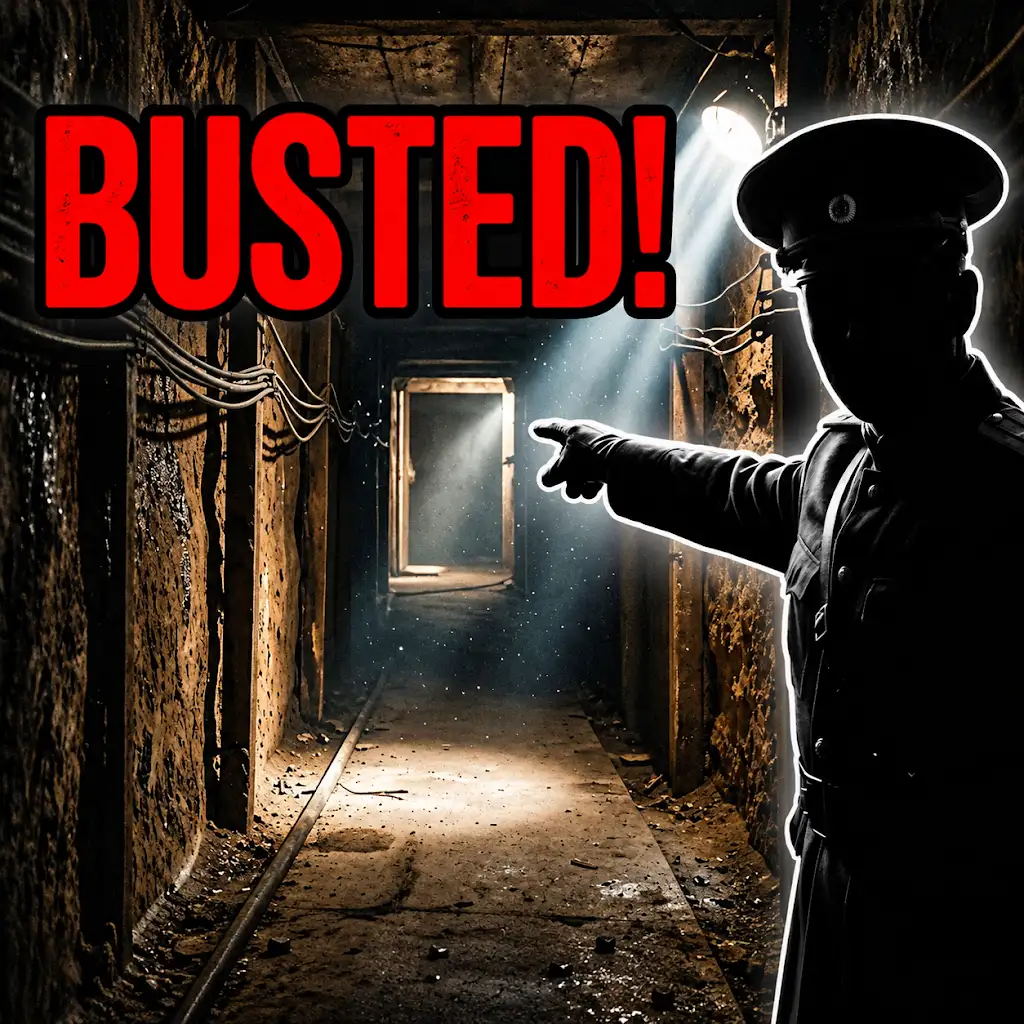
Operation Gold: The Day the Soviets Busted the CIA’s Secret Tunnel
FAQs
What were some key MI6 Cold War operations?
Some key MI6 Cold War operations included Operation Gold, Operation Mincemeat, Operation Wrath, Operation Jungle, and Operation Foot.
How did MI6 operate during the Cold War?
MI6 operated during the Cold War by conducting covert operations, gathering intelligence, running agents in enemy territories, and working closely with other intelligence agencies.
What was the significance of MI6’s role during the Cold War?
MI6 played a significant role during the Cold War by providing crucial intelligence to the British government, supporting allies, and countering the activities of hostile nations.
Did MI6 engage in espionage activities during the Cold War?
Yes, MI6 engaged in espionage activities during the Cold War, including gathering intelligence, running agents, conducting covert operations, and intercepting communications.
How did MI6 Cold War operations impact global events?
MI6 Cold War operations had a significant impact on global events by influencing political decisions, shaping alliances, and countering the activities of hostile nations, ultimately contributing to the outcome of the Cold War.