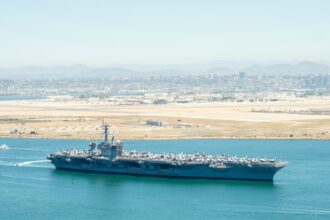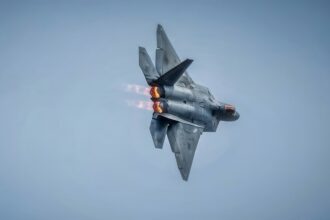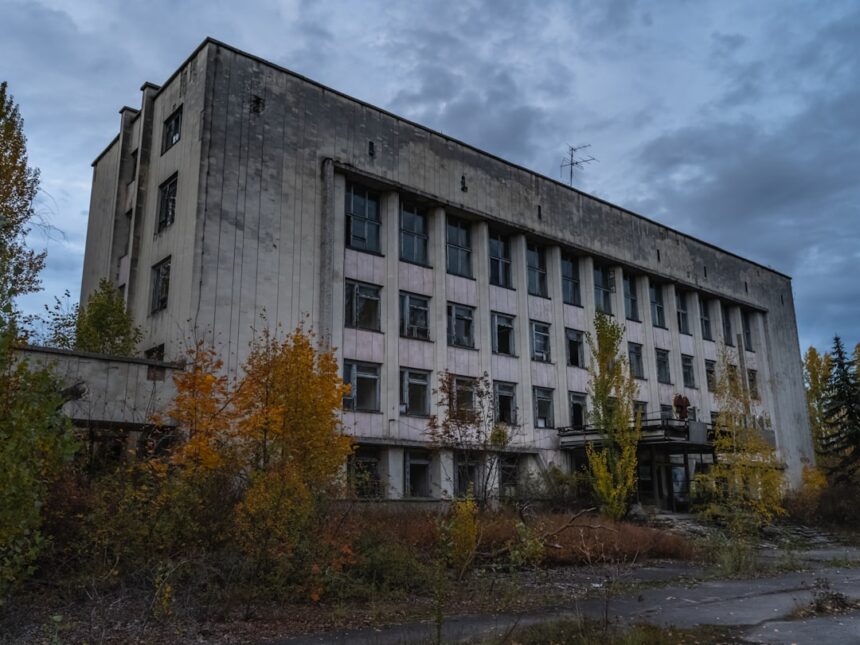
The Soviet Military Industrial Complex emerged as a formidable entity during the Cold War, characterized by its extensive network of defense industries, research institutions, and military production facilities. This complex was not merely a collection of factories and laboratories; it represented a critical component of the Soviet Union’s national strategy, intertwining military needs with economic and political objectives. The Soviet leadership recognized that a robust military capability was essential for maintaining power, both domestically and internationally.
As a result, vast resources were allocated to develop advanced weaponry, aircraft, and naval vessels, all aimed at countering perceived threats from the West. The significance of the Soviet Military Industrial Complex extended beyond mere production capabilities. It served as a symbol of national pride and technological prowess, showcasing the Soviet Union’s ability to compete with Western powers.
The complex was deeply embedded in the fabric of Soviet society, influencing everything from education to labor policies. As the Cold War intensified, the military-industrial nexus became increasingly vital, shaping not only military strategies but also economic policies and international relations. Understanding this complex is crucial for comprehending the broader dynamics of the Soviet Union during its existence.
Key Takeaways
- The Soviet Military Industrial Complex played a crucial role in the country’s economy and global power dynamics during the Cold War.
- Economic challenges, such as inefficiency and lack of consumer goods, strained the Soviet Union and impacted the Military Industrial Complex.
- The arms race with the United States put immense pressure on the Soviet Military Industrial Complex, leading to technological advancements but also economic strain.
- Technological innovation was a key focus for the Soviet Military Industrial Complex, leading to advancements in space exploration and military capabilities.
- Resource allocation and labor force management were critical factors in the success and failures of the Soviet Military Industrial Complex.
Economic Challenges Faced by the Soviet Union
The Soviet Union faced numerous economic challenges that significantly impacted its military industrial complex. Centralized planning and state control over the economy often led to inefficiencies and misallocation of resources. While the government prioritized military production, other sectors suffered from neglect, resulting in shortages of consumer goods and a declining standard of living for many citizens.
The focus on heavy industry and defense spending came at the expense of agricultural development and technological innovation in civilian sectors, creating an imbalanced economy that struggled to meet the needs of its populace. Additionally, the global economic landscape posed challenges for the Soviet Union. The oil crises of the 1970s and fluctuating commodity prices affected the country’s revenue streams, which were heavily reliant on energy exports.
As the economy stagnated, the military-industrial complex found itself under pressure to deliver advanced weaponry while grappling with diminishing resources. This situation forced the leadership to make difficult decisions regarding budget allocations, often prioritizing military needs over civilian welfare. The economic strains ultimately contributed to a cycle of inefficiency and decline that would have lasting repercussions for the Soviet Union.
Impact of Arms Race on Soviet Military Industrial Complex
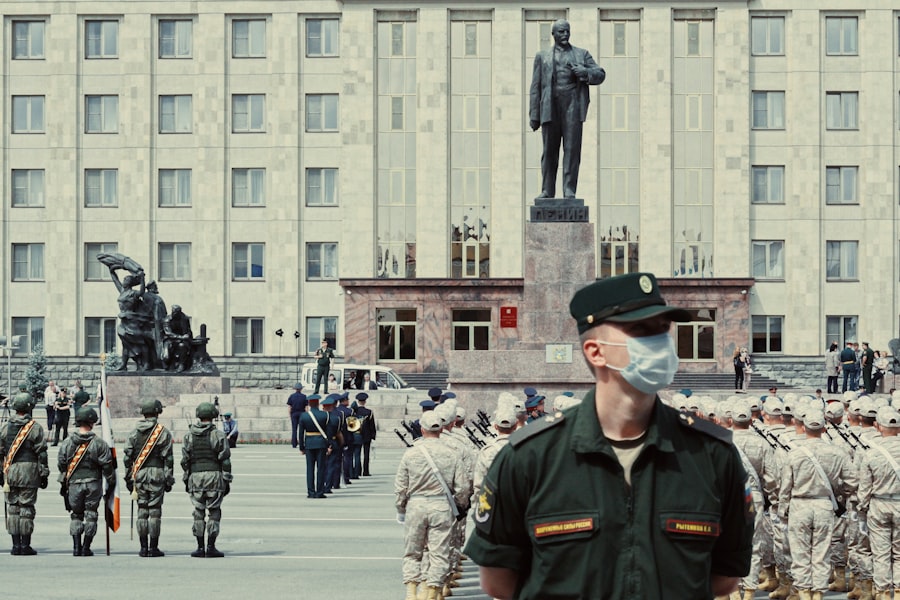
The arms race between the Soviet Union and the United States had profound implications for the Soviet Military Industrial Complex. As both superpowers sought to outdo each other in military capabilities, the Soviet Union ramped up its production of nuclear weapons, intercontinental ballistic missiles (ICBMs), and advanced aircraft. This relentless pursuit of military superiority placed immense pressure on the complex to innovate and expand rapidly.
The arms race not only fueled competition but also necessitated significant investments in research and development, leading to breakthroughs in various military technologies. However, this focus on military expansion came with significant costs. The need to maintain parity with the United States often resulted in an unsustainable allocation of resources, diverting funds from essential civilian sectors.
The arms race exacerbated existing economic challenges, as the Soviet leadership struggled to balance military spending with the needs of its citizens. Moreover, the emphasis on quantity over quality in production led to issues with reliability and effectiveness in some military systems.
Technological Innovation and the Soviet Military Industrial Complex
| Year | Technological Innovation | Military Industrial Complex |
|---|---|---|
| 1920s | Development of tanks and aircraft | Establishment of state-owned defense industry |
| 1930s | Focus on heavy industry and mass production | Rapid expansion of military production |
| 1940s | Advancements in rocket technology | Integration of scientific research into military projects |
| 1950s | Nuclear weapons development | Centralized control of defense industry |
| 1960s | Space exploration and satellite technology | Increased focus on electronic warfare |
Technological innovation was a cornerstone of the Soviet Military Industrial Complex, driving advancements in various fields such as aerospace, missile technology, and cybernetics. The Soviet leadership recognized that achieving technological superiority was essential for maintaining a competitive edge in the arms race. Consequently, significant investments were made in research institutions and universities dedicated to military applications.
This focus on innovation led to notable achievements, including the development of sophisticated aircraft like the MiG series and groundbreaking missile systems. Despite these successes, challenges persisted within the realm of technological innovation. The centralized nature of the Soviet economy often stifled creativity and hindered collaboration between different sectors.
Bureaucratic inefficiencies slowed down the process of turning research into practical applications, resulting in delays in production timelines. Furthermore, while some areas saw rapid advancements, others lagged behind due to a lack of investment or focus on civilian technologies. This uneven progress ultimately limited the overall effectiveness of the military-industrial complex and highlighted the need for a more balanced approach to innovation.
Resource Allocation and the Soviet Military Industrial Complex
Resource allocation played a pivotal role in shaping the dynamics of the Soviet Military Industrial Complex. The centralized planning system dictated how resources were distributed across various sectors, often prioritizing military needs over civilian ones. This approach led to an imbalance that favored defense spending at the expense of consumer goods and infrastructure development.
As a result, while the military-industrial complex thrived in terms of production capabilities, other areas of the economy suffered from neglect. The consequences of this resource allocation strategy became increasingly apparent as economic challenges mounted. The focus on heavy industry and military production created a situation where essential services and consumer goods were in short supply.
Citizens faced long lines for basic necessities while witnessing significant investments in military hardware. This disparity fueled discontent among the populace and contributed to a growing sense of alienation from the state. Ultimately, the misallocation of resources within the military-industrial complex not only strained the economy but also undermined public support for the government.
Labor Force and Production in the Soviet Military Industrial Complex
The labor force within the Soviet Military Industrial Complex was a critical component of its success and challenges. The government implemented policies aimed at mobilizing skilled workers for defense industries, often offering incentives such as higher wages or specialized training programs. This focus on labor mobilization allowed for rapid expansion in production capabilities, enabling factories to churn out advanced weaponry and equipment at an impressive pace.
However, labor issues also plagued the complex. The centralized planning system often led to mismatches between labor supply and demand, resulting in shortages of skilled workers in certain areas while others faced underemployment. Additionally, working conditions in many factories were subpar, leading to low morale among workers.
The emphasis on quantity over quality sometimes resulted in rushed production processes that compromised safety standards and product reliability. These labor-related challenges highlighted the complexities inherent in managing a vast military-industrial workforce within a rigid economic framework.
International Relations and the Soviet Military Industrial Complex
The international relations landscape significantly influenced the operations and priorities of the Soviet Military Industrial Complex. The Cold War context created an environment where geopolitical tensions dictated defense strategies and production goals. The need to counter perceived threats from NATO countries prompted an escalation in military spending and technological development within the complex.
This dynamic not only shaped domestic policies but also influenced foreign relations as countries sought alliances based on military capabilities.
While some nations were willing to collaborate on defense projects or share technology, others imposed embargoes or restrictions that limited access to critical materials or innovations.
These external factors added another layer of complexity to resource allocation decisions within the complex, forcing Soviet leaders to navigate a challenging global landscape while striving to maintain military parity with adversaries.
Environmental Impact of Soviet Military Industrial Complex
The environmental impact of the Soviet Military Industrial Complex was significant yet often overlooked during its operational years. The extensive industrial activities associated with defense production led to widespread pollution and environmental degradation across various regions of the Soviet Union. Factories emitted harmful pollutants into air and water systems, contributing to health issues among local populations and damaging ecosystems.
Additionally, military testing sites often became environmental disaster zones due to hazardous waste disposal practices and accidents involving toxic materials. The prioritization of rapid production over environmental considerations meant that ecological concerns were frequently sidelined in favor of meeting military objectives. As awareness of environmental issues grew globally in later decades, it became clear that the legacy of environmental neglect associated with the military-industrial complex would have long-lasting consequences for both human health and natural ecosystems.
Collapse of the Soviet Union and its Effect on the Military Industrial Complex
The collapse of the Soviet Union in 1991 marked a seismic shift for its Military Industrial Complex, leading to profound changes in both structure and function. With the dissolution of centralized control and funding mechanisms, many defense industries faced immediate financial crises as government contracts evaporated overnight. The once-thriving factories that had produced advanced weaponry found themselves struggling to adapt to a new reality characterized by reduced demand for military goods.
This transition was not merely economic; it also had social ramifications as thousands of workers lost their jobs or faced significant reductions in wages. Many skilled professionals left defense industries seeking opportunities abroad or transitioned into civilian sectors that were more stable post-collapse. The disintegration of established networks within the military-industrial complex further complicated efforts to maintain production capabilities or innovate new technologies during this tumultuous period.
Legacy of the Soviet Military Industrial Complex
The legacy of the Soviet Military Industrial Complex is multifaceted, encompassing both achievements and failures that continue to resonate today. On one hand, it produced remarkable advancements in military technology that had lasting impacts on global defense strategies. Innovations such as missile systems and aircraft designs influenced not only Soviet capabilities but also those of other nations that sought to emulate or counter them.
Conversely, this legacy is also marked by inefficiencies stemming from centralized planning and resource misallocation that ultimately contributed to economic decline. The environmental degradation resulting from decades of industrial activity remains a pressing issue in many regions formerly part of the Soviet Union. Furthermore, as former Soviet states navigate their post-Soviet identities, they grapple with how best to manage remnants of this complex while addressing contemporary security needs.
Lessons Learned from the Strain on the Soviet Military Industrial Complex
The experience of the Soviet Military Industrial Complex offers valuable lessons for contemporary nations regarding defense spending and industrial management. One key takeaway is the importance of balancing military needs with civilian welfare; prioritizing one at the expense of another can lead to societal discontent and economic instability. Additionally, fostering innovation requires creating an environment conducive to collaboration across sectors rather than relying solely on centralized control.
Moreover, recognizing environmental impacts associated with industrial activities is crucial for sustainable development; neglecting ecological considerations can have long-term consequences that affect public health and natural resources. Finally, understanding how international relations shape defense strategies can inform more effective diplomatic approaches that prioritize cooperation over competition in addressing global security challenges. In conclusion, while the Soviet Military Industrial Complex was instrumental in shaping national security during its time, its legacy serves as a reminder of both achievements and pitfalls that continue to inform contemporary discussions about defense policy and industrial strategy worldwide.
The strain on the Soviet military industrial complex during the Cold War is a fascinating topic that highlights the challenges faced by the USSR in maintaining its military capabilities. For a deeper understanding of this issue, you can read a related article that explores the intricacies of military production and its impact on the Soviet economy. Check it out here: