
The Soviet Union’s extensive involvement in the Middle East, particularly through its sophisticated radar technology and military assistance, profoundly shaped the region’s security dynamics throughout the Cold War and left a lasting legacy. From the 1950s onwards, Moscow strategically deployed and supplied radar systems to key Arab nations, not merely as instruments of defense but as tools to project influence, challenge Western dominance, and calibrate regional power balances. This intricate web of technological transfer and military cooperation created a complex security environment characterized by escalating arms races, proxy conflicts, and shifting alliances, the reverberations of which continue to influence the Middle East today.
The Genesis of Soviet Radar Engagement in the Middle East
The Soviet Union’s entry into the Middle East security arena was largely driven by its geopolitical ambitions to counter the expanding influence of the United States and its allies, particularly Great Britain and France. Following World War II and the establishment of Israel, the region became a critical battleground for ideological and strategic competition. The Soviet Union, seeking to break the Western monopoly on advanced military technology, found willing partners in newly independent or militarily vulnerable Arab states. Radar, a critical component of modern air defense and surveillance, quickly became a cornerstone of this engagement.
Early Overtures and Strategic Imperatives
The Soviet Union’s initial forays into providing military hardware to Arab nations began in earnest in the mid-1950s. Egypt, under Gamal Abdel Nasser, emerged as a primary recipient of Soviet military aid following the Suez Crisis of 1956. This crisis, which saw Western powers intervene militarily following Egypt’s nationalization of the Suez Canal, pushed Nasser further into the Soviet embrace. Moscow saw an opportunity to gain a significant foothold in a strategically vital region and to demonstrate its commitment to anti-colonial movements. Radar systems, alongside aircraft and tanks, were integral to the military packages offered. These early systems, while perhaps not as advanced as their Western counterparts, represented a significant technological leap for the recipient nations and signaled a shift in the regional military balance. The strategic imperative for the Soviet Union was clear: to equip these nations with capabilities that could deter Western intervention and challenge the regional security architecture dominated by the United States and its allies. This early engagement set a precedent for future Soviet military-diplomatic maneuvers, where the transfer of advanced technology became a key lever of influence.
The Sinai Front and Early Radar Deployments
The Sinai Peninsula, a recurring flashpoint between Egypt and Israel, became an early testing ground for Soviet-supplied radar capabilities. Following the 1956 war, Egypt, with Soviet backing, began to rebuild its air defense network. This included the deployment of early warning radar systems designed to detect incoming aircraft. These deployments were not merely defensive; they served a dual purpose. For Egypt, they offered a measure of protection and a deterrent against further Israeli aggression. For the Soviet Union, they provided valuable intelligence on Western military activities in the region and allowed for the testing and refinement of their own radar technologies in real-world operational environments. The presence of Soviet advisors and technicians was crucial in the deployment, operation, and maintenance of these systems, further cementing Soviet influence. The ability to monitor air traffic across the Sinai and the Eastern Mediterranean granted the Soviet Union a significant intelligence advantage and a means to directly influence the military decision-making of its allies.
The strategic implications of Soviet radar systems in the Middle East have been a topic of considerable interest, particularly in the context of Cold War dynamics. For a deeper understanding of how these technologies influenced military operations and geopolitical relations in the region, you can refer to the related article on this subject at In the War Room. This article explores the historical significance and legacy of Soviet military technology in shaping the security landscape of the Middle East.
The Evolution of Soviet Radar Technology in Arab Armies
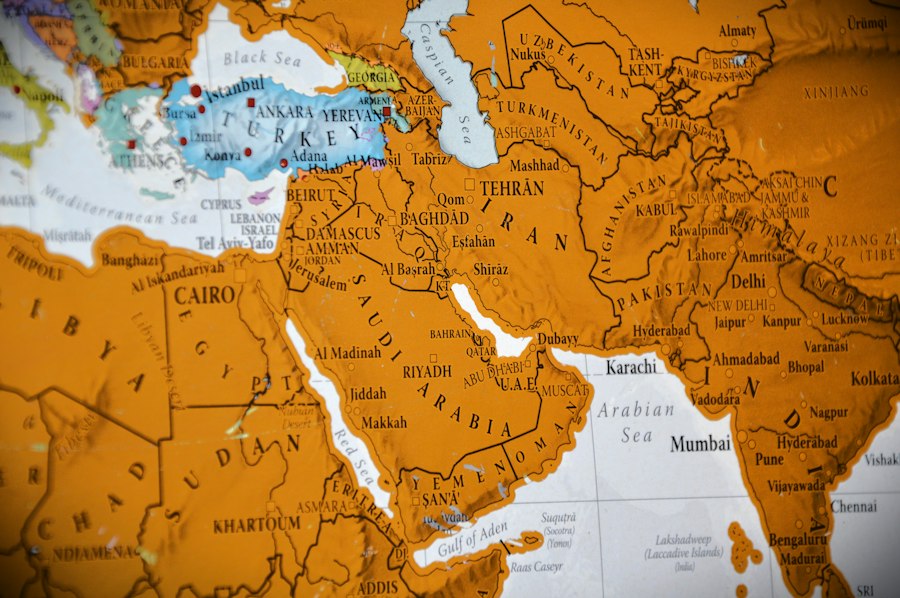
As the Cold War intensified and technological advancements accelerated, the Soviet Union consistently upgraded the radar systems it supplied to its Middle Eastern partners. This continuous evolution was driven by the need to maintain a technological edge over Western-supplied systems and to meet the increasingly sophisticated air defense requirements of allied nations. The sophistication of these systems directly impacted the tactical and strategic calculus of regional conflicts.
Early Warning and Ground-Controlled Intercept (GCI) Systems
The cornerstone of Soviet air defense strategy in the Middle East revolved around robust early warning and Ground-Controlled Intercept (GCI) systems. Systems like the P-12 “Yagi” and the P-15 “Flat Face” were widely deployed in Egypt, Syria, and Iraq. These radars provided crucial situational awareness, detecting aircraft at significant distances and allowing for the vectoring of friendly fighter aircraft for interception. The effectiveness of these systems was evident in various conflicts, notably during the War of Attrition (1969-1970) between Egypt and Israel, where Soviet-supplied radar played a vital role in coordinating Egyptian air defense efforts. The continuous refinement of these systems, with improved range, accuracy, and resistance to electronic countermeasures, represented a significant technological transfer that elevated the air defense capabilities of Soviet client states and directly challenged the qualitative air superiority that Israel often enjoyed due to Western support.
Advanced Surface-to-Air Missile (SAM) Guidance Radars
Beyond early warning, Soviet radar technology was deeply integrated with its advanced Surface-to-Air Missile (SAM) systems. Radars such as the SA-2 “Guideline” (S-75), SA-3 “Goa” (S-125), and later the SA-6 “Gainful” (2K12 Kub) and SA-8 “Gecko” (9K33 Osa) were equipped with dedicated guidance radars. These radars were responsible for tracking targets and guiding the missiles to their intercepts. The deployment of these SAM systems, particularly in Egypt and Syria, created formidable air defense zones that significantly impacted Israeli air operations during the Yom Kippur War of 1973. The effectiveness of these radar-guided SAMs in inflicting heavy losses on the Israeli Air Force forced a reassessment of air combat doctrines and highlighted the critical role of integrated radar and missile systems in modern warfare. The continuous Soviet efforts to improve the performance of these guidance radars, including their ability to operate in complex jamming environments, underscored the technological competition that characterized the region.
Electronic Warfare and Countermeasures
As both sides developed increasingly sophisticated electronic warfare (EW) capabilities, Soviet radar systems were also equipped with countermeasures to resist jamming and deception. Conversely, the Soviet Union also provided its allies with EW equipment designed to disrupt enemy radar and communications. This escalating cycle of electronic warfare and counter-countermeasures added another layer of complexity to the regional security landscape. The effectiveness of Soviet radar and its integrated SAM systems was often tested against Israeli and American electronic warfare capabilities, and vice-versa. This continuous technological interplay, driven by the need to overcome enemy EW, led to rapid advancements in radar design and electronic warfare techniques on both sides, further shaping the operational environment. The ability of Soviet radar to maintain lock-on against sophisticated jamming attempts was a critical factor in the perceived strength of Arab air defenses during periods of intense conflict.
The Geopolitical Impact: Influence, Alliances, and Arms Races

The transfer of Soviet radar technology was not merely a technical transaction; it was a powerful instrument of geopolitical influence. By providing these advanced systems, the Soviet Union solidified alliances, fostered regional dependencies, and contributed to escalating arms races that redefined the strategic balance in the Middle East.
Soviet Leverage and Client State Dependencies
The provision of sophisticated radar systems and the associated training and maintenance created a significant degree of dependency for recipient Arab nations on the Soviet Union. These states relied on Moscow not only for the initial acquisition of technology but also for spare parts, technical expertise, and ongoing upgrades. This dependency provided the Soviet Union with considerable leverage in diplomatic and political matters. Nations receiving Soviet radar technology often found themselves aligned with Soviet foreign policy objectives, participating in Soviet-backed initiatives and abstaining from actions that might antagonize Moscow. This strategic patronage extended beyond military hardware to encompass intelligence sharing and strategic consultations, further entrenching Soviet influence in the region. The reliance on Soviet systems also meant that these nations were often on the periphery of Western military technological advancements, creating a distinct bloc of Soviet-aligned military capabilities.
Escalation of Regional Arms Races
The introduction of advanced Soviet radar systems into Arab arsenals inevitably triggered responses from Israel and its Western allies, most notably the United States. As Arab nations acquired increasingly capable air defense networks, Israel felt compelled to seek equivalent or superior capabilities to maintain its perceived qualitative military edge. This dynamic fueled a continuous cycle of military buildup and technological innovation, commonly referred to as an arms race. The deployment of new Soviet radar systems often led to the delivery of advanced Western counter-measures, aircraft with enhanced electronic warfare suites, and improved missile technology to Israel. This arms race, driven in part by the technological competition sparked by Soviet radar deployments, diverted significant economic resources within the region and contributed to a climate of perpetual tension and instability. The “zero-sum” nature of this competition meant that any perceived gain by one side was seen as a loss by the other, perpetuating a cycle of military escalation.
Shaping Regional Power Balances
The distribution of Soviet radar technology played a crucial role in shaping the regional power balances. Nations that received substantial Soviet military aid, including advanced radar systems, often saw their military capabilities significantly enhanced, allowing them to project power and influence more effectively. This was particularly evident in the case of Egypt and Syria, whose enhanced air defense capabilities, bolstered by Soviet radar, enabled them to challenge Israeli air supremacy. Conversely, nations that did not receive similar levels of support found themselves at a strategic disadvantage. The Soviet Union strategically employed radar sales as a tool to promote its allies and counter its rivals, thereby actively managing and manipulating the regional military equilibrium to its geopolitical advantage. The fear of falling behind in radar technology and integrated air defense became a constant concern for all regional actors.
The Legacy of Soviet Radar in Modern Middle Eastern Security
While the Soviet Union has long ceased to exist, the legacy of its radar influence continues to shape the security dynamics of the Middle East. The technologies, doctrines, and geopolitical realignments fostered by Soviet radar deployments have left an indelible mark on the region’s military landscape.
Enduring Technological Inheritance
Many of the radar systems and associated technologies initially supplied by the Soviet Union remain in service with various Middle Eastern militaries, albeit often upgraded or integrated with newer systems. These legacy systems, while perhaps showing their age, still represent a significant portion of the region’s air defense infrastructure. Furthermore, the expertise developed by regional forces in operating and maintaining Soviet-era radar equipment has created a continued, albeit diminishing, reliance on Russian military technology and support. This enduring technological inheritance means that many countries in the region still possess capabilities that are rooted in Soviet military design and doctrine, influencing their procurement decisions and operational strategies even today. The concept of integrated air defense, heavily reliant on radar, remains a central tenet of military planning across the region.
Shifting Alliances and Realignments
The historical patterns of Soviet military patronage, including radar sales, contributed to the formation of certain regional alliances and, in some cases, set the stage for later realignments. As countries transitioned away from Soviet influence or sought greater diversification of their military partnerships, they often faced complex decisions regarding their existing Soviet-supplied equipment. This led to a re-evaluation of defense strategies and the exploration of new security partnerships, sometimes with former adversaries or with new global powers. The legacy of Soviet radar influenced which countries were perceived as being aligned with Moscow, and this perception, in turn, impacted their diplomatic and strategic relationships. The intricate web of dependencies and rivalries fostered by decades of Cold War-era military exchanges continues to influence contemporary regional security architectures.
The Persistent Role of Air Defense and Surveillance
The fundamental importance of air defense and surveillance, highlighted by the extensive deployment of Soviet radar systems, remains paramount in the Middle East. The ongoing threats from conventional air power, ballistic missiles, and increasingly, drones, underscore the continuing need for sophisticated radar capabilities. Consequently, the region continues to invest heavily in advanced radar technologies, often drawing on the lessons learned from the era of Soviet influence. Modern air defense systems are more complex and integrated than ever, but the core principles of early warning, tracking, and interception, which were so central to Soviet radar doctrine, remain the foundation of regional air defense strategies. The geopolitical rivalries that once drove the Soviet radar influence now drive the acquisition and development of advanced radar and air defense systems by a multitude of regional and global actors.
The development of Soviet radar technology in the Middle East has had significant implications for regional security dynamics. As various nations sought to enhance their military capabilities, the introduction of advanced radar systems played a crucial role in shaping the balance of power. For a deeper understanding of how these technologies influenced military strategies and alliances, you can read more in this insightful article about the topic. Check it out here.
Future Implications and Emerging Threats
| Radar System | Country of Deployment | Operational Period | Frequency Band | Range (km) | Purpose | Notable Features |
|---|---|---|---|---|---|---|
| PNI-2 (P-12 “Spoon Rest”) | Egypt | 1960s – 1980s | VHF (150-170 MHz) | 200 | Early warning and air surveillance | High resistance to jamming, mobile deployment |
| 5N84A (Big Bird) | Syria | 1970s – 1990s | UHF (400-500 MHz) | 300 | Target acquisition and tracking | 3D radar with altitude measurement |
| PRV-13 | Libya | 1970s – 1980s | VHF/UHF | 240 | Height finding radar | Used in conjunction with P-12 for altitude data |
| SON-9 | Egypt, Syria | 1960s – 1980s | S-band (2700-2900 MHz) | 40 | Fire control radar for anti-aircraft artillery | High precision tracking for AA guns |
| 36D6 (Tin Shield) | Syria | 1980s – 2000s | C-band (5400-5900 MHz) | 120 | Target acquisition and tracking | 3D radar with ECCM capabilities |
The evolving landscape of warfare, particularly the proliferation of unmanned aerial vehicles (UAVs) and advanced missile technologies, presents new challenges and opportunities for radar systems in the Middle East. The lessons learned from the era of Soviet radar influence continue to inform how these emerging threats are addressed.
The Drone Revolution and Radar Adaptability
The widespread adoption of drones by both state and non-state actors across the Middle East has revolutionized the battlefield and placed new demands on existing radar infrastructure. Smaller, lower-flying, and often stealthier than traditional aircraft, drones present a significant challenge for conventional radar systems designed to detect larger aerial threats. This has led to a push for the development and deployment of specialized radar systems, such as counter-drone radars, that are capable of detecting and tracking these smaller targets. The legacy of Soviet radar thinking, which emphasized robust air picture generation and integrated defense, is now being applied to the challenge of a multi-layered threat environment that includes a vast array of aerial platforms. The adaptability of radar technology, a quality that was tested throughout the Cold War, is once again being pushed to its limits.
Ballistic Missile Defense and Integrated Systems
The persistent threat of ballistic missile proliferation in the Middle East necessitates sophisticated radar capabilities for early warning, tracking, and interception. While Soviet radar systems were primarily designed for air defense, the evolution towards integrated missile defense systems requires radar that can identify, track, and discriminate between various types of ballistic missiles. This involves a fusion of data from multiple radar sources, as well as space-based sensors. The historical experience with Soviet radar, which often formed the backbone of extensive air defense networks, has provided a foundation for understanding the complexities of integrating diverse sensor inputs to achieve comprehensive situational awareness. The ongoing development of multi-layered ballistic missile defense systems, often a collaborative effort between regional actors and their international partners, continues to leverage advanced radar technologies to counter the evolving missile threat.
The Continuous Quest for Dominance and the Future of Surveillance
The geopolitical rivalries that fueled the Soviet Union’s engagement with Middle Eastern radar systems continue to drive the quest for technological dominance in surveillance and air defense. As new technologies emerge, such as advanced electronic warfare capabilities, hypersonic weapons, and artificial intelligence in targeting, the demand for increasingly sophisticated radar systems will only grow. The future of surveillance in the Middle East will likely involve a complex interplay of terrestrial, aerial, and space-based radar assets, all working in concert to provide a comprehensive and real-time understanding of the operational environment. The legacy of Soviet radar influence, therefore, is not just a historical footnote but a foundational element that continues to inform the strategic thinking and technological development of military powers across the Middle East, shaping its security dynamics for generations to come.

A 3-Year Drought Hit the Hittite Empire. Did It Cause the Collapse?
FAQs
1. How did the Soviet Union establish radar stations in the Middle East?
The Soviet Union established radar stations in the Middle East by providing military aid and support to countries in the region, such as Egypt and Syria, during the Cold War era.
2. What was the purpose of the Soviet radar stations in the Middle East?
The main purpose of the Soviet radar stations in the Middle East was to enhance the air defense capabilities of their allies in the region and to monitor potential threats, particularly from Western powers.
3. Which countries in the Middle East benefited from the Soviet radar installations?
Countries such as Egypt, Syria, and Iraq were among the main beneficiaries of the Soviet radar installations in the Middle East during the Cold War period.
4. How did the presence of Soviet radar stations impact the geopolitical dynamics in the Middle East?
The presence of Soviet radar stations in the Middle East heightened tensions between the East and West, as it was seen as a strategic move by the Soviet Union to expand its influence in the region and counter Western interests.
5. What legacy did the Soviet radar installations leave in the Middle East?
The legacy of the Soviet radar installations in the Middle East includes advancements in radar technology, improved air defense systems, and a lasting impact on the region’s military capabilities and strategic alliances.