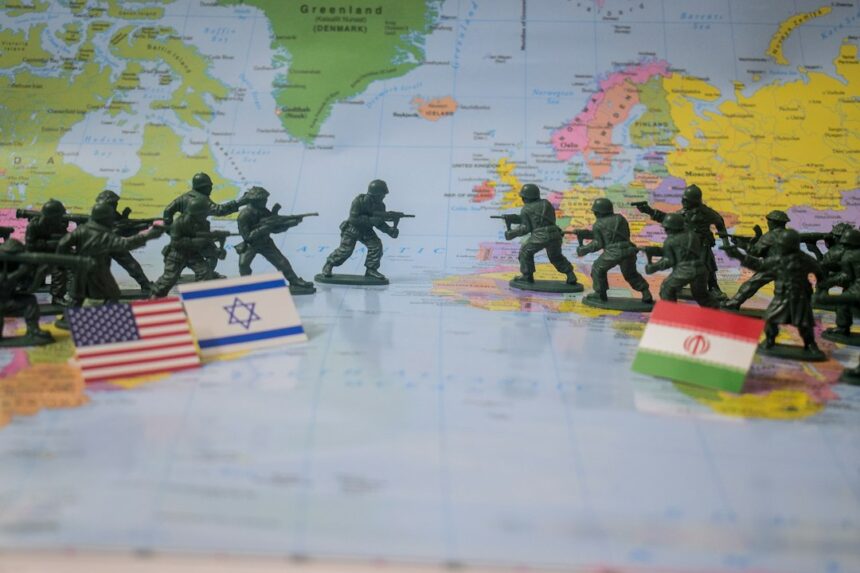
The arid landscapes of Israel have witnessed a tapestry of conflict, woven with threads of heroism, sacrifice, and often, silence. While the grand narratives of wars fought are etched into history, the personal accounts, the quiet acts of bravery, and the deeply human experiences of those who lived through these tumultuous times often remain in the shadows. This exploration delves into the lesser-known stories of courage and conflict from Israel, shedding light on the individuals whose resilience and spirit shaped the nation’s journey, even when their voices were not amplified by the mainstream. These are the untold war stories, the whispers of resilience against the roar of battle, the intimate portraits of ordinary people thrust into extraordinary circumstances.
Echoes from the Trenches: Unearthing Personal Accounts
The weight of history often falls upon the shoulders of generals and politicians, their decisions and pronouncements commanding public attention. Yet, the true fabric of war is felt most keenly by the soldiers on the ground, the civilians caught in the crossfire, and the families waiting with bated breath. Many of these individual experiences, rich with raw emotion and profound lessons, are rarely shared beyond hushed conversations or fading personal diaries. Unearthing these “echoes from the trenches” requires a deeper dive than the official records, a patient excavation of oral histories, and a compassionate listening to the stories that have been held close, sometimes for decades.
The Unsung Medic: Life on the Frontlines of Care
The battlefield is a place of immediate danger, but for the medics, it is also a place of desperate hope and profound responsibility. Their stories are not of direct combat, but of the relentless fight against death and injury, often under enemy fire. The bravery of a medic is measured in the speed of their hands, the clarity of their mind amidst chaos, and the unwavering commitment to save a life, regardless of the cost. These accounts often detail harrowing scenes, the makeshift field hospitals, the desperate attempts to staunch bleeding, and the emotional toll of witnessing such widespread suffering. The stories of those who patched up wounds, soothed fevered brows, and offered a comforting word in the face of unimaginable pain are vital to understanding the human cost of war. Their courage lies not in wielding weapons, but in wielding the tools of healing in the most unforgiving environments.
The Civilian Shield: Resilience in the Face of Bombardment
War is not confined to the frontlines; its shadow extends to every corner of society, impacting the lives of those who have never held a rifle. Civilian stories of courage are often about endurance, about maintaining normalcy in the face of constant threat, and about the quiet determination to protect loved ones. The anecdotes of families huddling in shelters, children playing amidst the distant sounds of explosions, and communities coming together to support one another offer a powerful testament to human resilience. These are tales of rationing food, of tending to gardens under threat, of the unyielding spirit that refuses to be broken by fear. The bravery of civilians is often measured in their ability to create pockets of normalcy and hope in the midst of devastation, demonstrating a strength that is both profound and deeply inspiring.
In exploring the complexities of the Israeli conflict, the article “Israeli War Stories Untold” sheds light on personal narratives that often remain hidden from mainstream discourse. For a deeper understanding of the historical context and the human experiences behind these stories, you can read a related article that provides additional insights into the impact of war on individuals and communities. Check it out here: Israeli War Stories Untold.
The Home Front Frontlines: Stories of Sacrifice and Steadfastness

While soldiers face the immediate dangers of combat, the home front endures its own unique set of challenges and sacrifices. The women who managed households, raised children alone, and worked tirelessly to support the war effort, often with little information and immense worry, are central to these untold stories. Their steadfastness in the face of uncertainty and their contributions to the national cause are frequently overlooked in broader historical accounts. These are the narratives of waiting, of receiving news, both good and bad, and of carrying on with life despite the pervasive anxiety.
The Waiting Game: Letters, Telegrams, and the Agony of Uncertainty
The longest waits are often the most agonizing. For those on the home front, the absence of loved ones at war meant a constant state of anticipation. Stories from this period frequently revolve around the arrival of letters and telegrams, the official missives that could bring solace or devastating news. The meticulous saving of these precious documents, the reading and rereading of familiar handwriting, and the imagined conversations with absent soldiers form a poignant part of these untold narratives. The courage here lies in the sheer endurance of hope, the ability to maintain faith and keep the flame of life burning brightly even when a significant part of one’s heart was miles away, engaged in the brutal realities of conflict.
The Strength of the Mothers and Wives: Keeping the Home Fires Burning
The absence of men often fell heavily on the shoulders of women. Stories of mothers and wives who single-handedly managed farms, ran businesses, and cared for children while their partners were at war highlight an immense, often unacknowledged, strength. These narratives often detail the added burden of performing traditionally male roles, of making difficult decisions alone, and of projecting an image of calm and stability to protect their families from the full weight of their own anxieties. Their fortitude in maintaining the continuity of life, in ensuring that the home front remained a beacon of normalcy, was a critical, though often silent, contribution to the war effort.
Faces of Adversity: Overcoming Impossible Odds

The history of conflict is replete with instances where individuals faced seemingly insurmountable challenges, yet rose above them with remarkable courage and ingenuity. These are the stories of those who defied expectations, who found strength in their darkest hours, and who demonstrated that the human spirit can be a formidable force against even the most oppressive circumstances. These narratives often highlight acts of individual bravery that, while not always part of large-scale military operations, had a profound impact on the lives of those involved.
The Ingenuity of Survival: Resourcefulness in Scarcity
In times of war and blockade, resourcefulness becomes a primary tool for survival. The untold stories often reveal the incredible ingenuity of individuals who found ways to make do with very little, to adapt and overcome limitations imposed by conflict. These might be tales of improvising tools, of finding alternative food sources, or of creating intricate networks of support when formal systems collapsed. The courage here is not the courage of the battlefield, but the quiet, persistent courage of everyday life, the refusal to succumb to deprivation and the determination to create a semblance of normalcy and well-being for oneself and one’s community.
The Quiet Defiance: Acts of Civil Courage
Beyond overt military action, civil courage plays a crucial role in the resilience of a society at war. This can manifest in various forms, from resisting oppressive policies to offering aid to those in need, even when it carries personal risk. The untold war stories include instances of individuals who, through their quiet acts of defiance, maintained the moral fabric of their communities. These might be stories of sheltering those targeted by persecution, of discreetly sharing vital information, or of upholding humanitarian principles when it was unpopular or dangerous to do so. These acts, often unrecorded in official histories, speak volumes about the enduring power of human conscience and the courage to stand for what is right.
The Scars of Memory: Navigating the Aftermath
The end of active conflict does not necessarily bring an end to the struggle. The psychological and emotional scars of war can linger for a lifetime, and the stories of how individuals and communities navigated the aftermath are as important as the tales of the battles themselves. These narratives often explore themes of loss, trauma, and the long, arduous process of healing and rebuilding. They shed light on the internal battles that continue long after the external ones have ceased.
Rebuilding Lives: The Personal Journeys of Recovery
The return from war is not always a triumphant homecoming. For many, the transition back to civilian life is fraught with challenges. Untold stories detail the personal journeys of recovery, the struggles with post-traumatic stress, the difficulty in re-establishing familial bonds, and the quest for purpose and meaning after experiencing the profound upheaval of conflict. These narratives highlight the quiet courage of individuals who, day by day, worked to reclaim their lives, to find a path forward amidst the lingering shadows of their experiences. The strength found in seeking help, in sharing their stories, and in rediscovering joy is a testament to the enduring human capacity for healing.
The Legacy of Silence: Unspoken Truths and the Path to Reconciliation
Sometimes, the most profound stories are those that remain unspoken. The “legacy of silence” refers to the unspoken truths, the hidden traumas, and the collective memories that have not been fully acknowledged or processed. These untold war stories often emerge from the desire for understanding, for closure, and for a more complete historical record. The path to reconciliation often requires breaking this silence, for individuals and for societies. It involves creating spaces for open dialogue, for acknowledging pain, and for learning from the past. The courage to speak these difficult truths, and the bravery to listen and understand, are essential steps in moving beyond conflict.
In exploring the complexities of conflict, the article on Israeli war stories untold provides a poignant look into personal narratives that often remain hidden from mainstream discourse. For a deeper understanding of the human experiences behind these stories, you can read more about the broader implications of war in this insightful piece at In the War Room, which delves into the psychological and social impacts of military engagements.
Voices from the Margal: The Unheard Narratives of Marginalized Groups
| Category | Description | Example | Significance |
|---|---|---|---|
| Personal Accounts | First-hand stories from soldiers and civilians rarely covered in mainstream media | Memoirs of a young Israeli soldier in the Yom Kippur War | Provides intimate perspectives on the emotional and psychological impact of war |
| Untold Operations | Military missions and covert operations not widely publicized | Secret intelligence missions during the Six-Day War | Highlights strategic elements and risks taken during conflicts |
| Civilian Impact | Stories focusing on the experiences of Israeli civilians during wartime | Accounts of families living under missile attacks | Shows the human cost and resilience of the population |
| Historical Context | Background information and lesser-known facts about Israeli wars | Details on the political decisions leading to the 1948 War of Independence | Enhances understanding of the causes and consequences of conflicts |
| Post-War Effects | Long-term effects on veterans and society | Studies on PTSD among Israeli war veterans | Raises awareness about mental health and social challenges |
The grand narratives of war often focus on the experiences of dominant groups, leaving the stories of those on the fringes of society unheard or misrepresented. In Israel’s complex history, the experiences of various communities – including minorities, refugees, and those from less privileged backgrounds – have often been marginalized. Unearthing these untold war stories requires a deliberate effort to seek out and amplify voices that have historically been silenced or overlooked. These narratives offer a more nuanced and comprehensive understanding of the human cost of conflict and the diverse forms of courage that have emerged.
Minority Soldiers: Contributions Beyond the Forefront
Within the ranks of the Israeli military, soldiers from minority communities have served with dedication and bravery. Their stories, however, are often less visible than those of the majority. These untold accounts might detail the unique challenges faced by these soldiers, the prejudices they may have encountered, and the extra layers of proving their loyalty and worth. The courage displayed by these individuals is often amplified by the need to overcome societal barriers while simultaneously facing the dangers of war. Their contributions, though often overlooked, are an integral part of the nation’s defense and history.
The Impact on Immigrant Communities: Adapting to a Nation at War
Israel has a long history of immigration, and many new arrivals have found themselves immediately immersed in the realities of conflict. The untold war stories of immigrant communities often revolve around the challenges of adapting to a new culture and society while simultaneously facing the anxieties and disruptions of war. These narratives might describe the initial shock and confusion, the efforts to learn a new language and integrate into society under duress, and the profound sacrifices made by families who left their homes in search of security, only to find themselves in a nation grappling with constant threat. Their resilience in building new lives amidst ongoing conflict speaks to an extraordinary capacity for adaptation and fortitude.
Civilian Experiences in Diverse Communities: Unique Challenges and Resilience
The impact of war is not uniform across all civilian populations. Different communities face distinct challenges based on their socioeconomic status, geographic location, and cultural backgrounds. Untold war stories from these diverse communities offer a vital counterpoint to more generalized accounts. These might include the struggles of Bedouin communities in border regions, the experiences of Arab citizens of Israel during periods of heightened tension, or the challenges faced by residents of peripheral towns that have borne the brunt of cross-border attacks. The courage in these narratives lies in their ability to maintain their livelihoods, their cultural identities, and their sense of community in the face of specific adversities that are often overlooked in broader historical narratives. By bringing these voices to the forefront, a more complete and compassionate understanding of Israel’s wartime experiences can be achieved.

A 3-Year Drought Hit the Hittite Empire. Did It Cause the Collapse?
FAQs
What are some untold Israeli war stories?
Some untold Israeli war stories include the experiences of soldiers on the front lines, the struggles of civilians living in conflict zones, and the personal sacrifices made by individuals during times of war.
Why are these war stories considered untold?
These war stories are considered untold because they may not have been widely publicized or documented in mainstream media. They often involve personal accounts and perspectives that have not been widely shared or discussed.
How do these untold war stories contribute to our understanding of Israeli history?
These untold war stories provide a more nuanced and personal perspective on Israeli history, shedding light on the individual experiences and sacrifices that have shaped the country’s past. They offer a deeper understanding of the human impact of war.
Where can one find these untold Israeli war stories?
These untold Israeli war stories can often be found in memoirs, personal accounts, and oral histories shared by veterans, civilians, and others who have lived through times of conflict. They may also be documented in archives, museums, and historical records.
Why is it important to share and preserve these untold war stories?
It is important to share and preserve these untold war stories to honor the experiences and sacrifices of those who have lived through times of conflict. By sharing these stories, we can ensure that the human impact of war is not forgotten and that future generations can learn from the past.