The Silent Hunters and the Visible Vanguard
The Cold War era, a period of ideological tension and proxy conflicts, saw a relentless arms race between the United States and the Soviet Union. While the skies buzzed with the threat of nuclear bombers and the land bristled with intercontinental ballistic missiles, the depths of the oceans became another critical battleground. Submarines, the silent hunters, and surface ships, the visible vanguard, engaged in a perpetual, often unseen, game of cat and mouse. Understanding the dynamics of potential collisions between these two vastly different platforms is crucial to comprehending the strategic realities and inherent dangers of this protracted standoff. This analysis delves into the multifaceted aspects of a hypothetical submarine versus surface ship collision during the Cold War, exploring the technical, operational, and strategic implications.
The Cold War era was marked by intense naval operations, where the potential for submarine and surface ship collisions posed significant risks. An insightful article that delves into the intricacies of these maritime encounters can be found at this link: Cold War Submarine vs Surface Ship Collisions. This piece explores the strategic implications of such incidents and highlights key events that shaped naval tactics during this tumultuous period.
Navigational Challenges and Detection Limitations
The fundamental challenge in any submarine-surface ship encounter stems from the inherent limitations in detecting each other, particularly when one is submerged. The ocean, while vast, possesses unique acoustic properties that both facilitate and hinder detection.
The Submerged Enigma: Acoustic Signatures and Stealth
Submarines, by their very nature, were designed for stealth. Their hull shapes were optimized to minimize hydrodynamic noise, and sophisticated quieting technologies were employed to suppress machinery sounds. However, perfect silence is an unattainable ideal. Every rotating shaft, every pump, every sonar ping (even passive listening) generates acoustic energy that can propagate through the water. The effectiveness of a submarine’s stealth was a continuous technological race, with advancements in noise reduction countered by improvements in sonar and acoustic processing on the opposing side.
The operational environment played a significant role. In shallow waters, or areas with complex bathymetry and strong thermoclines (layers of rapidly changing water temperature), sound can refract and reflect in unpredictable ways, creating acoustic shadows and complicating detection. Conversely, in the deep ocean, sound can travel for hundreds, even thousands, of miles, making long-range detection possible but also increasing the chances of misidentification and false alarms.
Surface Ship Vulnerabilities: Radar, Sonar, and the Human Element
Surface ships, on the other hand, are far more readily detectable. Their radar signatures are significant, making them visible to airborne and surface-based radar systems from considerable distances. Their acoustic signatures are also generally louder and more complex than those of submarines, making them susceptible to sonar detection, particularly by passive sonar arrays on other vessels or by dedicated anti-submarine warfare (ASW) platforms.
However, the human element introduced a layer of complexity and vulnerability. Fatigue, distractions, weather conditions, and the sheer volume of information processed by watchstanders could all lead to errors. The reliance on visual cues, especially at night or in poor visibility, added another layer of risk. While sophisticated navigation and radar systems were in place, a moment of inattention could have catastrophic consequences. The constant vigilance required to maintain situational awareness, especially in areas with known submarine activity, was a significant operational burden.
Collision Scenarios: Degrees of Intent and Accident
The potential for a collision between a submarine and a surface ship was not a single, monolithic threat but rather a spectrum of scenarios, ranging from deliberate, albeit risky, maneuvers to unfortunate, purely accidental encounters.
Calculated Risks: Aggressive Intercepts and Close Encounters
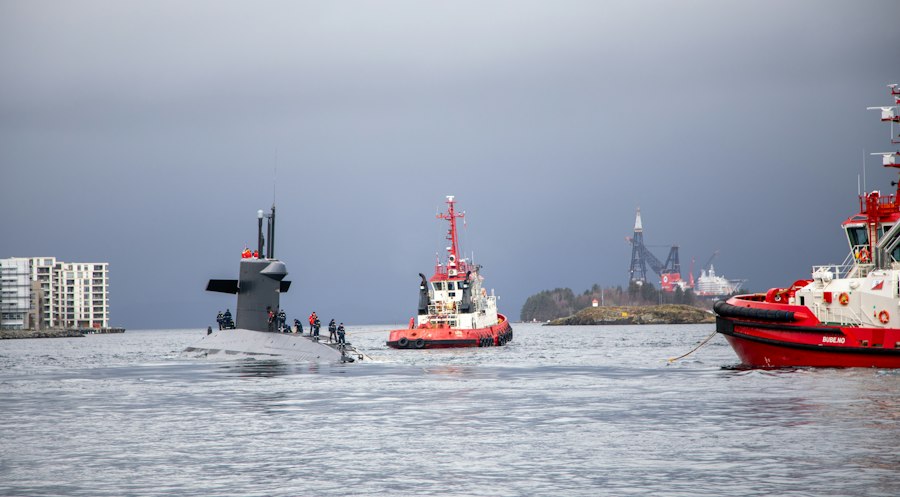
During the Cold War, naval forces engaged in aggressive intelligence-gathering operations. This often involved submarines shadowing enemy surface fleets and surface ships attempting to detect and track submarines. In such scenarios, there was a degree of calculated risk involved. A submarine might deliberately maneuver closer to a surface ship to gain a better acoustic fix or to assess the capabilities of an ASW vessel. Similarly, a surface ship might employ aggressive sonar tactics, venturing closer to areas where submarines were believed to be operating.
These close encounters, while intended to gather intelligence, inherently increased the probability of collision. The limited maneuverability of submarines, especially at shallower depths, and the blind spots in surface ship radar and sonar coverage meant that a miscalculation of distances or speeds could lead to disaster. The psychological pressure of these cat-and-mouse games, where each side sought to maintain the advantage without revealing their own hand, could also contribute to risky decision-making. The doctrine of “forward presence” often dictated that naval units remain in close proximity to potential adversaries, further amplifying this risk.
Unforeseen Circumstances: Environmental Factors and System Failures
Beyond deliberate aggression, a multitude of unforeseen circumstances could precipitate a collision. Adverse weather conditions, such as heavy fog, intense storms, or high seas, could severely degrade the effectiveness of radar and sonar, while also making visual identification difficult. These conditions could reduce visibility to near zero, forcing vessels to rely on instruments that might be less reliable in such environments.
System failures, while relatively rare, were also a factor. A malfunction in a navigation system, a radar outage, or a communication breakdown could leave a vessel temporarily blind or unable to convey its intentions. The sheer complexity of naval vessels, with their intricate networks of electronic systems, meant that a single point of failure could have cascading effects. Furthermore, the vastness of the ocean meant that a vessel experiencing a critical issue might be far from immediate assistance, compounding the danger if a collision were to occur. The possibility of a submarine losing buoyancy control or propulsion, for instance, could render it a helpless object, adrift and vulnerable.
Impact of a Collision: Devastation and Escalation
A collision between a submerged submarine and a surface ship would be a catastrophic event with far-reaching consequences, extending beyond the immediate physical damage.
The Force of Impact: Hull Integrity and Survivability
The sheer disparity in mass and construction between a submarine and a surface ship would dictate the nature of the impact. A modern nuclear submarine, a robust and heavily built vessel designed to withstand immense pressure, would likely inflict significant damage on a surface ship. The sharp edges and reinforced bow of a submarine could easily breach the hull of a lighter surface vessel, leading to rapid flooding and sinking.
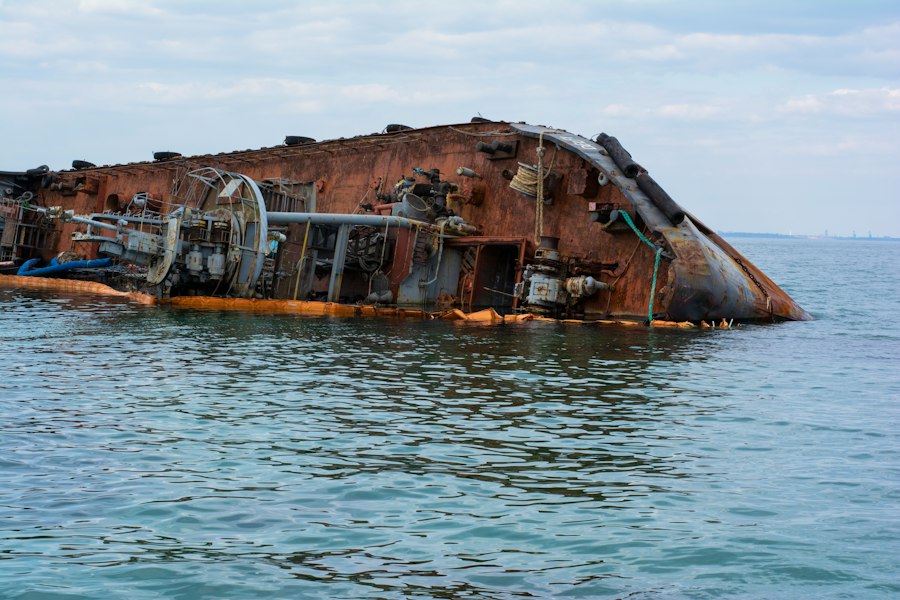
Conversely, a collision with a surface ship, especially a smaller one, could cause severe damage to a submarine’s sail (the conning tower structure), external sensors, or even its pressure hull if the impact were direct and forceful enough. While submarines are designed to withstand extreme external pressure, internal structural integrity could be compromised by a powerful, localized impact. The survivability of the crew on both vessels would be highly dependent on the depth of the submarine, the speed of both vessels at the moment of impact, and the specific point of contact. In many scenarios, a collision would likely result in the complete loss of one or both vessels and their crews. The psychological trauma for any survivors would be immense, bearing witness to such a devastating event.
Diplomatic Repercussions and Escalatory Potential
Beyond the immediate physical devastation, a collision between a naval vessel of two opposing Cold War superpowers would carry immense diplomatic weight and the potential for rapid escalation. In the highly charged atmosphere of the time, such an incident would be immediately interpreted through the lens of deliberate aggression or gross negligence.
If a submarine were to collide with a surface ship, and evidence suggested the submarine was at fault, it could be perceived as a hostile act, potentially leading to diplomatic protests, demands for reparations, and a significant increase in military readiness on both sides. The risk of retaliation, even if not directly intended, would be high. The pressure to appear strong and resolute in the face of perceived provocation could lead to hasty and ill-considered responses. Conversely, if a surface ship were found to be at fault, it could also trigger a similar diplomatic crisis, with the aggrieved nation demanding accountability and assurances that such incidents would not recur. The potential for miscommunication, propaganda, and the exploitation of the incident by hardliners on either side would be substantial, making de-escalation a paramount, yet incredibly difficult, challenge. The mere existence of such a possibility served as a constant, underlying threat in the strategic calculations of both superpowers.
The Cold War era was marked by intense naval operations, where the risk of submarine and surface ship collisions became a significant concern. An insightful article that delves into the complexities of these maritime encounters can be found on In The War Room, which explores the strategic implications and historical context of such incidents. For those interested in understanding the dynamics of naval warfare during this period, you can read more about it in this detailed analysis.
Lessons Learned and Evolving Naval Doctrine
| Incident | Date | Location | Submarine Involved | Surface Ship Involved | Damage to Submarine | Damage to Surface Ship | Casualties | Notes |
|---|---|---|---|---|---|---|---|---|
| USS Thresher vs USS Skylark | 1963 | Atlantic Ocean | USS Thresher (SSN-593) | USS Skylark (ASR-20) | Lost (sank during deep dive test) | Minor | 129 (all lost on Thresher) | Collision suspected but not confirmed; Thresher sank during deep dive test |
| K-219 vs USS Augusta | 1986 | Atlantic Ocean near Bermuda | K-219 (Soviet Yankee-class SSBN) | USS Augusta (SSN-710) | Severe damage, missile tube explosion | Minor | 4 Soviet crew died | Collision led to missile tube explosion and eventual sinking of K-219 |
| USS Baton Rouge vs K-276 Kostroma | 1992 | Barents Sea | USS Baton Rouge (SSN-689) | K-276 Kostroma (Soviet Sierra-class SSN) | Minor damage | Minor damage | None | Collision during Cold War patrol; both vessels returned to port |
| USS Greeneville vs Ehime Maru (surface ship) | 2001 | Off Hawaii | USS Greeneville (SSN-772) | Ehime Maru (Japanese fishing vessel) | Minor | Sunk | 9 fatalities (Ehime Maru) | Not Cold War but notable submarine-surface ship collision |
The Cold War, despite its inherent dangers, also served as a period of intense learning and adaptation for naval forces worldwide. The implicit and explicit lessons derived from near-misses and the hypothetical risks of submarine-surface ship encounters shaped naval doctrine and technological development for decades to come.
Technological Advancements in Detection and Avoidance
The constant need to detect and track adversaries, coupled with the imperative to avoid catastrophic collisions, drove significant advancements in sonar technology. Improved signal processing, the development of more sensitive hydrophones, and the integration of multi-static sonar systems (where the sound source and receiver are separated) enhanced the ability to detect quieter submarines and to better distinguish between genuine contacts and ambient noise.
On the surface ship side, advancements in radar systems, including Doppler radar to detect moving targets and inverse synthetic aperture radar (ISAR) for improved identification of vessels, became crucial. The development of sophisticated electronic warfare systems also played a role in both detecting and, in some cases, jamming or spoofing enemy sensors, further complicating the detection landscape. For submarines, the focus remained on stealth, with ongoing research into quieter propulsion systems, advanced hull coatings, and more sophisticated passive sonar systems that could gather information without emitting their own acoustic signature. The pursuit of greater situational awareness for both platform types, through integrated sensor suites and improved combat management systems, became a continuous endeavor.
Emphasis on Rules of Engagement and Communication Protocols
The potential for accidental or misinterpreted encounters led to a greater emphasis on clearly defined rules of engagement (ROE) and communication protocols. While secret Cold War operations meant that explicit, publicly accessible rules were often limited, within naval commands, there was an increasing awareness of the need for standardized procedures to minimize the risk of miscalculation.
This included establishing procedures for reporting contacts, maintaining safe distances under specific circumstances, and, in certain pre-agreed scenarios, facilitating communication to de-escalate potential confrontations. While direct, real-time communication between US and Soviet submarines or surface ships was generally non-existent during the Cold War, the understanding of the “rules of the road” at sea, combined with the inherent desire to avoid a wider conflict, acted as a de facto form of de-escalation. Post-Cold War, these lessons have been formalized and expanded through international agreements and naval cooperation initiatives, aimed at preventing such dangerous encounters in peacetime. The legacy of the Cold War’s silent battles continues to inform the safe and responsible conduct of naval operations globally.
The Enduring Specter of the Deep
The Cold War’s submarine versus surface ship dynamic represented a unique and perilous facet of the broader superpower confrontation. The inherent difficulty in detecting submerged threats, combined with the vastness and complexity of the ocean environment, created a constant undercurrent of risk. While the potential for accidental collisions was ever-present, the deliberate maneuvers of intelligence gathering and shadowing added another layer of calculated danger.
The devastating potential of such a collision, both in terms of immediate physical destruction and the severe diplomatic repercussions, underscored the precariousness of the global security situation. The technological advancements and doctrinal shifts that emerged from this period of intense naval competition have profoundly shaped modern naval warfare, emphasizing enhanced detection capabilities and the crucial importance of clear communication and well-defined rules of engagement. Yet, the enduring specter of the deep, with its silent hunters and visible vanguards, serves as a potent reminder of the inherent dangers that lie beneath the waves and the continuous effort required to maintain peace and prevent catastrophic miscalculation. The lessons learned from these Cold War encounters continue to resonate, shaping how navies operate and interact in the complex maritime domain today.
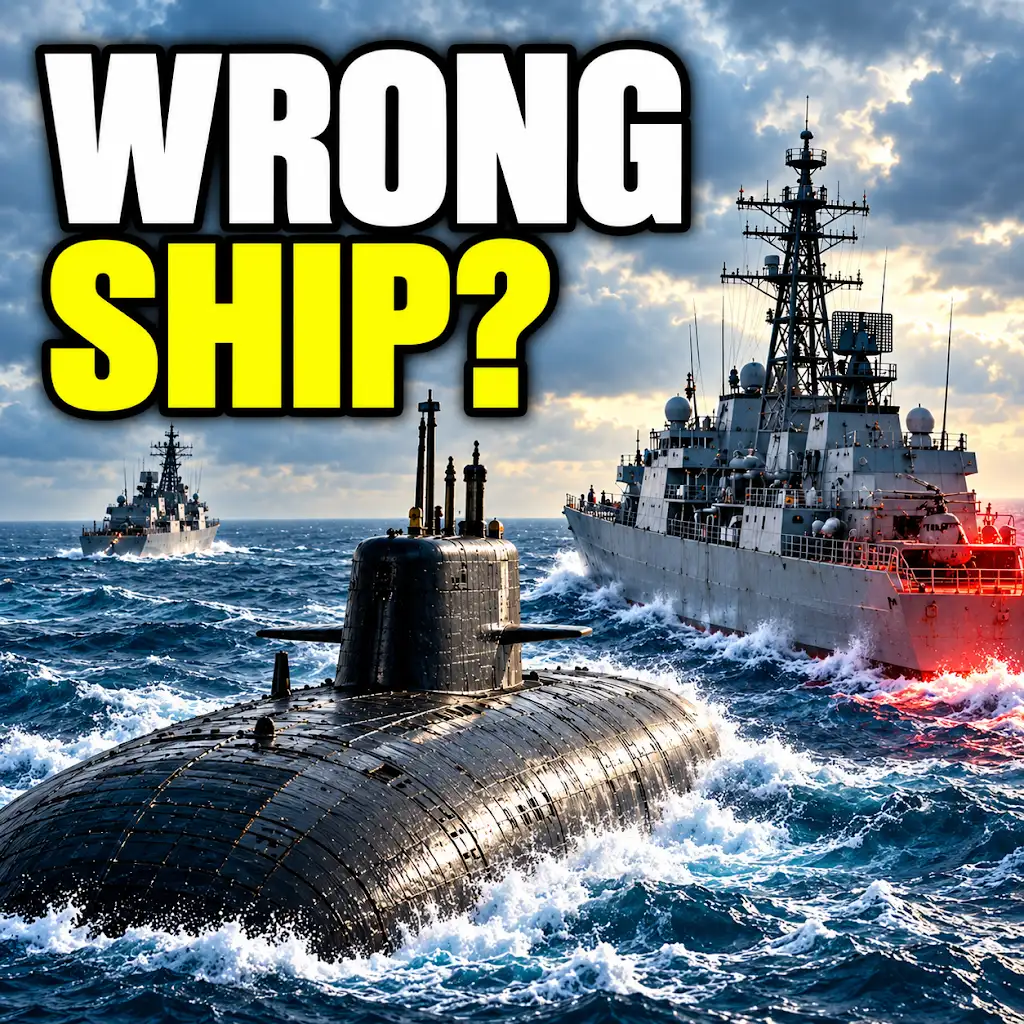
A Soviet Submarine Hit a U.S. Frigate. Was It the Wrong Ship?
FAQs
1. What is a Cold War submarine?
A Cold War submarine refers to a submarine that was in service during the Cold War period, which lasted from the late 1940s to the early 1990s. These submarines were often used for espionage, surveillance, and strategic military purposes.
2. What is a surface ship?
A surface ship is a watercraft that operates primarily on the surface of the water, as opposed to submarines which operate underwater. Surface ships include aircraft carriers, destroyers, cruisers, and other vessels used for various purposes such as transportation, defense, and commerce.
3. How common were collisions between Cold War submarines and surface ships?
Collisions between Cold War submarines and surface ships were relatively rare but did occur on occasion. The nature of these incidents varied, with some being accidental and others potentially involving intentional actions for strategic or espionage purposes.
4. What were some of the consequences of a Cold War submarine colliding with a surface ship?
Consequences of a Cold War submarine colliding with a surface ship could include damage to both vessels, loss of life or injuries to crew members, diplomatic tensions between countries involved, and potential escalation of military conflicts depending on the circumstances surrounding the collision.
5. How did Cold War submarines and surface ships try to avoid collisions?
To avoid collisions, Cold War submarines and surface ships employed various tactics such as maintaining communication with other vessels, using advanced sonar and radar systems for detection, following established maritime rules and protocols, and conducting regular training exercises to enhance crew awareness and preparedness for potential collision scenarios.