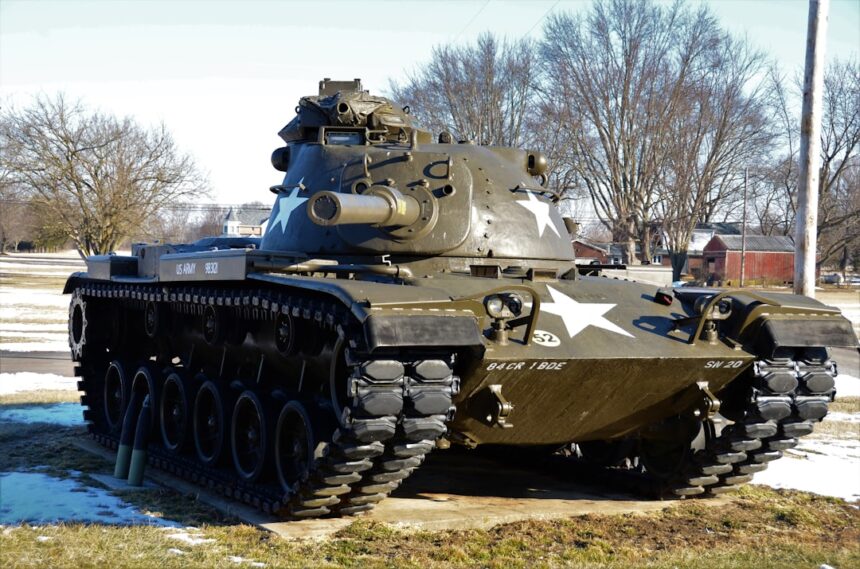
The T-62 tank, a product of Soviet engineering, emerged in the early 1960s as a response to the evolving demands of armored warfare. It was designed to be a more advanced successor to the T-55, incorporating a host of improvements that enhanced its combat capabilities. With its distinctive low profile and powerful 115mm smoothbore gun, the T-62 quickly became a staple of Soviet armored forces and was exported to numerous countries around the globe.
Its design emphasized mobility, firepower, and protection, making it a formidable presence on the battlefield during the Cold War era. As military conflicts evolved, so too did the role of the T-62. While initially celebrated for its innovative features, the tank faced challenges as newer models and technologies emerged.
Despite these challenges, the T-62 has remained in service in various capacities, particularly in regions where resources for modernization are limited. Its legacy is not just one of technological advancement but also of adaptability, as it has been modified and upgraded by various nations to meet contemporary combat needs. Understanding the complexities surrounding the T-62 involves delving into its maintenance, supply chain logistics, and the broader geopolitical context in which it operates.
Key Takeaways
- The T-62 tank is a Soviet-designed main battle tank that has been in service since the 1960s, known for its powerful 115mm smoothbore gun and relatively low profile.
- Maintenance and repair challenges for the T-62 tank include the aging of components, limited availability of spare parts, and the need for specialized training and equipment.
- Supply chain management is crucial for ensuring a steady and reliable flow of spare parts, fuel, and ammunition to support the operational readiness of T-62 tanks.
- Fuel and ammunition distribution must be carefully coordinated to ensure that T-62 tanks are adequately supplied during operations and training exercises.
- Spare parts availability is a critical factor in maintaining the operational readiness of T-62 tanks, requiring efficient inventory management and procurement processes.
Maintenance and Repair Challenges
Maintaining and repairing the T-62 tank presents a unique set of challenges that can significantly impact its operational readiness.
Many nations that operate the T-62 may lack access to the original technical documentation or trained personnel familiar with its systems.
This gap can lead to prolonged downtimes and increased costs associated with repairs, as mechanics may need to rely on outdated practices or improvisation to address issues. Moreover, the age of the T-62 means that many components are subject to wear and tear, necessitating regular inspections and replacements. The challenge is compounded by the fact that some parts may no longer be in production or readily available in local markets.
As a result, operators often face delays in obtaining necessary components, which can hinder their ability to maintain a fully operational fleet. This situation underscores the importance of establishing robust maintenance protocols and investing in training programs to ensure that personnel are equipped with the skills needed to keep these tanks in fighting shape.
Supply Chain Management
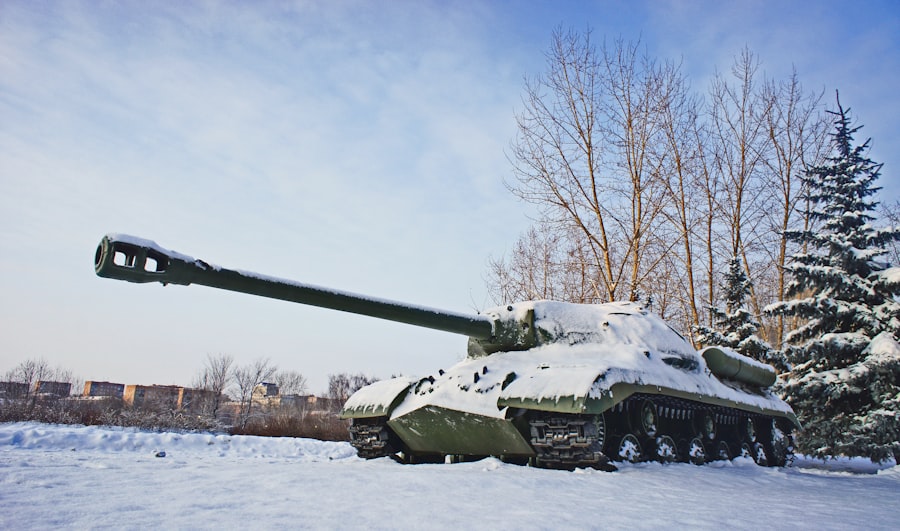
Effective supply chain management is crucial for ensuring that T-62 tanks remain operational in various military contexts. The logistics involved in maintaining a fleet of these tanks encompass everything from sourcing spare parts to managing inventory levels. Given the age of the T-62 and the potential scarcity of original components, supply chain managers must be adept at navigating a complex web of suppliers and manufacturers.
This often involves establishing relationships with multiple vendors to secure alternative parts or even engaging in reverse engineering to produce necessary components locally. Additionally, supply chain disruptions can arise from geopolitical tensions or economic sanctions that limit access to certain materials or technologies. For countries relying on the T-62, this can create significant hurdles in maintaining operational readiness.
Effective supply chain management not only requires strategic planning but also flexibility to adapt to changing circumstances. By fostering strong partnerships with suppliers and investing in local manufacturing capabilities, nations can mitigate some of these risks and ensure that their armored forces remain equipped for modern warfare.
Fuel and Ammunition Distribution
| Location | Quantity | Delivery Date |
|---|---|---|
| Warehouse A | 5000 gallons | 2022-05-15 |
| Warehouse B | 3000 gallons | 2022-05-20 |
| Warehouse C | 7000 gallons | 2022-05-18 |
The distribution of fuel and ammunition is another critical aspect of maintaining T-62 tank operations. The tank’s performance is heavily reliant on a consistent supply of fuel, which must be managed efficiently to avoid logistical bottlenecks during military operations. Fuel distribution networks must be established to ensure that tanks are refueled promptly, especially during extended missions where access to supply lines may be limited.
This requires careful planning and coordination among various military units to ensure that fuel depots are strategically located and adequately stocked. Ammunition supply is equally vital, as the effectiveness of the T-62 in combat hinges on its ability to deliver firepower when needed. The logistics of ammunition distribution involve not only ensuring that sufficient quantities are available but also managing different types of munitions for various combat scenarios.
This complexity necessitates a well-organized system for tracking inventory levels and anticipating demand based on operational requirements.
Spare Parts Availability
The availability of spare parts is a significant concern for operators of the T-62 tank, particularly given its age and the evolving nature of military technology. Many countries that utilize this tank may struggle to find original equipment manufacturer (OEM) parts due to their obsolescence or limited production runs. This scarcity can lead to extended downtimes for tanks awaiting repairs, ultimately affecting overall military readiness.
In some cases, operators may resort to using aftermarket parts or refurbished components, which can introduce additional risks regarding compatibility and reliability. To address these challenges, some nations have turned to innovative solutions such as 3D printing technology for producing spare parts on demand. This approach allows for greater flexibility in maintaining older equipment like the T-62 while reducing reliance on external suppliers.
However, implementing such technologies requires investment in training personnel and establishing appropriate infrastructure. By prioritizing spare parts availability through both traditional and modern methods, operators can enhance their ability to keep T-62 tanks operational in diverse environments.
Personnel Training and Deployment
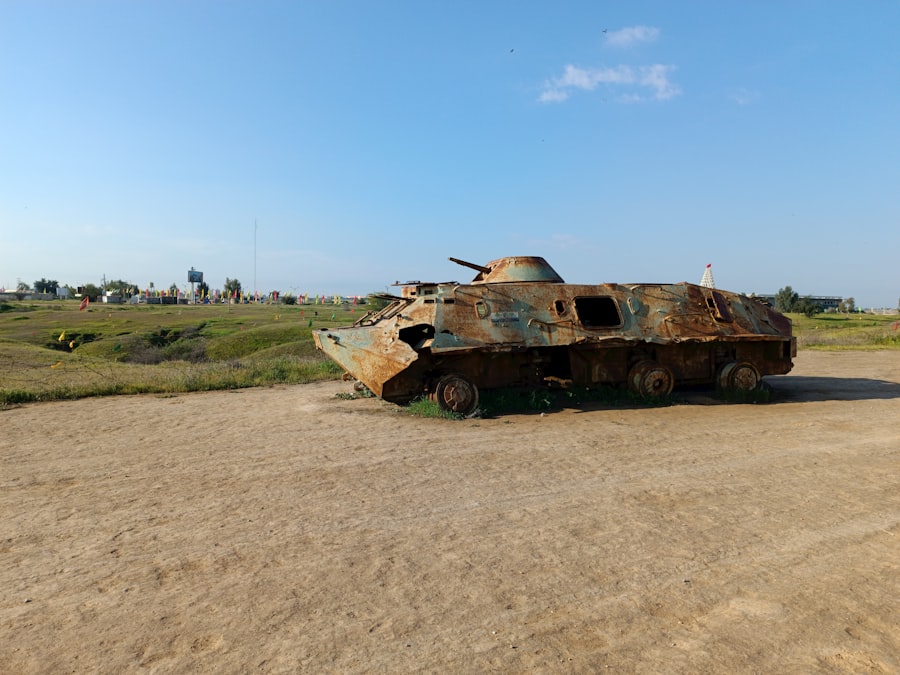
The effective deployment of T-62 tanks hinges on well-trained personnel who understand both the technical aspects of operating the vehicle and the tactical considerations involved in armored warfare. Training programs must encompass not only driving and gunnery skills but also maintenance procedures and emergency protocols. Given that many operators may not have access to advanced simulators or training facilities, developing comprehensive training regimens can be challenging yet essential for ensuring crew proficiency.
Moreover, personnel deployment strategies must consider factors such as unit cohesion and experience levels among crew members. In many cases, operators may face high turnover rates or limited opportunities for advanced training due to budget constraints or logistical challenges. This situation can lead to inconsistencies in operational effectiveness during missions.
To mitigate these issues, military organizations should prioritize ongoing training initiatives and create opportunities for experienced personnel to mentor newer recruits, fostering a culture of continuous learning within armored units.
Transportation and Deployment Challenges
Transporting and deploying T-62 tanks presents logistical challenges that require careful planning and execution. The weight and size of these tanks necessitate specialized transport vehicles capable of accommodating their dimensions while ensuring safe transit. Additionally, transporting tanks over long distances can be complicated by factors such as road conditions, weather, and security concerns along transport routes.
Once deployed, ensuring that T-62 tanks are positioned effectively on the battlefield is crucial for maximizing their combat potential. Commanders must consider terrain features, enemy positions, and support from infantry or other units when determining deployment strategies. The ability to rapidly reposition tanks during engagements can significantly influence outcomes in combat scenarios.
Therefore, military planners must develop comprehensive transportation strategies that account for both logistical constraints and tactical requirements.
Communication and Coordination Issues
Effective communication and coordination are vital components of successful armored operations involving T-62 tanks. Crews must be able to communicate seamlessly with each other as well as with command units to receive orders and relay information about battlefield conditions. However, communication systems may vary widely among different operators of the T-62, leading to potential interoperability issues during joint operations or coalition efforts.
Furthermore, coordination between armored units and supporting forces such as infantry or artillery is essential for maximizing combat effectiveness. Miscommunication or lack of coordination can result in missed opportunities or friendly fire incidents, undermining overall mission success. To address these challenges, military organizations should invest in standardized communication protocols and joint training exercises that foster collaboration among different branches of service.
Environmental and Terrain Constraints
The operational effectiveness of T-62 tanks is influenced by environmental factors and terrain conditions encountered during deployment. These tanks were designed with certain specifications that may limit their performance in specific environments, such as extreme heat or cold, muddy terrain, or urban settings with narrow streets. Understanding these constraints is crucial for commanders when planning operations involving T-62 units.
In addition to physical terrain challenges, environmental factors such as dust storms or heavy rain can impact visibility and mechanical performance. Operators must be trained to adapt their tactics based on prevailing conditions while ensuring that maintenance protocols account for potential environmental wear on equipment. By recognizing these constraints early on, military planners can develop strategies that enhance the effectiveness of T-62 tanks across diverse operational landscapes.
Impact of Political and Economic Factors
Political and economic factors play a significant role in shaping the operational landscape for T-62 tanks around the world. Countries that rely on these tanks often face budgetary constraints that limit their ability to invest in modernization efforts or comprehensive training programs for personnel. Additionally, geopolitical tensions can affect access to spare parts or fuel supplies necessary for maintaining operational readiness.
Moreover, international relations can influence how nations perceive their armored capabilities relative to potential adversaries. Countries may seek alliances or partnerships with others possessing more advanced technology as a means of compensating for limitations inherent in older systems like the T-62. Understanding these dynamics is essential for military planners who must navigate an increasingly complex geopolitical environment while ensuring that their armored forces remain effective.
Conclusion and Future Considerations
In conclusion, while the T-62 tank remains a significant asset for many armed forces around the world, it faces numerous challenges related to maintenance, supply chain management, personnel training, and environmental constraints. As military technology continues to evolve rapidly, operators must find innovative solutions to address these issues while maximizing the tank’s capabilities on modern battlefields. Looking ahead, it will be essential for nations utilizing the T-62 to invest in modernization efforts where feasible while also exploring alternative technologies that could complement or eventually replace this aging platform.
By prioritizing training programs, enhancing supply chain logistics, and fostering international cooperation among operators of similar systems, countries can ensure that their armored forces remain relevant in an ever-changing global security landscape. The legacy of the T-62 will ultimately depend on how effectively its operators adapt to these challenges while leveraging its strengths in contemporary warfare scenarios.
The logistics problems faced by the Soviet T-62 tank during its deployment in various conflicts have been a topic of extensive analysis. For a deeper understanding of the challenges related to tank maintenance and supply chain issues, you can refer to the article on logistics in armored warfare found here. This article provides valuable insights into the operational difficulties that impacted the effectiveness of the T-62 on the battlefield.
WATCH THIS! The War That Secretly Bankrupted An Empire: How Afghanistan Destroyed the USSR
FAQs
What were the main logistics problems faced by the Soviet T-62 tank?
The main logistics problems faced by the Soviet T-62 tank included difficulties in transporting and maintaining the tanks, as well as issues with spare parts and fuel supply.
How did the Soviet military address the logistics problems of the T-62 tank?
The Soviet military addressed the logistics problems of the T-62 tank by improving transportation infrastructure, developing better maintenance procedures, and streamlining the supply chain for spare parts and fuel.
Did the logistics problems affect the combat effectiveness of the T-62 tank?
Yes, the logistics problems did affect the combat effectiveness of the T-62 tank, as they led to delays in maintenance and repairs, as well as shortages of essential supplies, which in turn impacted the readiness and availability of the tanks for combat operations.
Were there any long-term solutions implemented to improve the logistics of the T-62 tank?
Yes, the Soviet military implemented long-term solutions to improve the logistics of the T-62 tank, including the development of more efficient maintenance and supply systems, as well as the introduction of new transportation technologies to facilitate the movement of the tanks.