The chilling depths of the ocean, a realm of profound silence and immense pressure, became an unintended stage for some of the Cold War’s most harrowing tragedies. Beneath the waves, nuclear-powered submarines, symbols of technological prowess and strategic might, were also vulnerable vessels, susceptible to the unforgiving environment and the inherent risks of advanced, often experimental, technology. The intense competition between the United States and the Soviet Union, a decades-long standoff characterized by espionage, proxy wars, and an ever-present nuclear threat, cast a long shadow over the maritime domain. Within this tense geopolitical climate, submerged arteries of military power, these submarines, carried immense destructive potential, but also the seeds of catastrophic accidents. The history of Cold War submarine accidents is a somber testament to the human cost of this global ideological struggle, a chronicle of brave sailors lost to the crushing embrace of the deep, their vessels disappearing without a trace or succumbing to fiery infernos.
The Dawn of the Nuclear Submarine and Rising Risks
The advent of nuclear propulsion revolutionized naval warfare, granting submarines unprecedented endurance and operational flexibility. These underwater giants could remain submerged for months, operating silently and undetected, a terrifying prospect for any adversary. However, this leap in technology also introduced new and complex risks, pushing the boundaries of human understanding and engineering. The pressure to innovate and deploy these cutting-edge vessels rapidly, often with incomplete understanding of their long-term implications, contributed to an environment where accidents could, and tragically did, occur.
The Soviet Union’s Early Submarine Fleet and its Challenges
The Soviet Union, driven by a fierce determination to match and surpass American naval capabilities, invested heavily in its submarine force. This rapid expansion, however, often came at the expense of rigorous safety protocols and comprehensive testing. Many early Soviet submarine designs were inherently flawed, and the operational tempo demanded of their crews was immense. The vastness of the Soviet Union’s coastline and its often harsh maritime conditions further amplified the challenges faced by their submariners. Resource constraints and a culture that sometimes prioritized production over perfection led to a higher incidence of mechanical failures and operational errors that could have devastating consequences. The focus on quantity and speed of deployment, a hallmark of the Soviet approach during much of the Cold War, inadvertently created a breeding ground for disaster.
Hull Integrity and Design Flaws
A recurring theme in early Soviet submarine accidents was the compromised integrity of the hulls. Design choices, often driven by the need to accommodate powerful weaponry or to operate in specific environments, sometimes resulted in structural weaknesses. These weaknesses could be exacerbated by the immense pressures encountered at depth, leading to catastrophic implosions. Inadequate welding techniques, material science limitations, or even design compromises to save weight or cost could all contribute to a vessel’s vulnerability. The immense stresses on a submarine hull are a constant battle against the crushing weight of the ocean, and even minor imperfections could, over time or under extreme conditions, lead to failure.
Propulsion System Vulnerabilities
While nuclear power offered unparalleled advantages, it also introduced new and complex risks. Soviet reactors, particularly in earlier designs, were known for their potential instability and the challenges associated with their maintenance and operation. Malfunctions in the reactor cooling systems, steam leaks, or improper handling of nuclear fuel could lead to fires, radiation leaks, and ultimately, the loss of the vessel. The sheer power contained within a nuclear reactor demanded a level of operational discipline and technical expertise that was not always consistently maintained across the entire fleet, especially given the rapid expansion and crew rotation.
The United States’ Advanced but Still Vulnerable Fleet
The United States, while generally maintaining higher standards of safety and engineering, was not immune to submarine accidents. The drive for technological superiority, the development of increasingly complex sonar systems, and the pursuit of deeper diving capabilities presented their own unique set of risks. While the overall accident rate might have been lower than some of their Soviet counterparts, the potential for disaster remained significant, particularly in the unforgiving environment of the deep ocean.
The Complexity of Early Nuclear Reactors
Despite more advanced technology, early American nuclear reactors, like those of the Soviets, presented inherent risks. The introduction of nuclear power was a monumental engineering feat, and understanding the long-term effects and potential failure modes took time. Systems were complex, and the training of crews to manage these powerful and potentially dangerous machines was a continuous process. Failures in control rods, coolant leaks, or even human error in managing the delicate balance of a nuclear reaction could lead to severe incidents.
Operational Pressures and Crew Fatigue
The relentless nature of Cold War naval operations placed immense strain on submarine crews. Extended patrols, constant readiness, and the inherent stresses of operating in a confined, dangerous environment could lead to fatigue and a higher likelihood of human error. The psychological toll of being submerged for weeks or months, with limited contact with the outside world, could also be a factor. The intense pressure to maintain operational readiness and to constantly be on alert against a perceived enemy could sometimes override concerns for rest and well-being, contributing to a heightened risk of accidents.
The history of Cold War submarine accidents is a fascinating yet tragic aspect of naval warfare, highlighting the risks and challenges faced by submariners during this tense period. For a deeper understanding of these incidents, you can explore the article on submarine mishaps and their implications in military strategy at this link. This resource provides valuable insights into the technological limitations and human factors that contributed to these underwater disasters.
Disappearances and Implosions: The Silent Tragedies
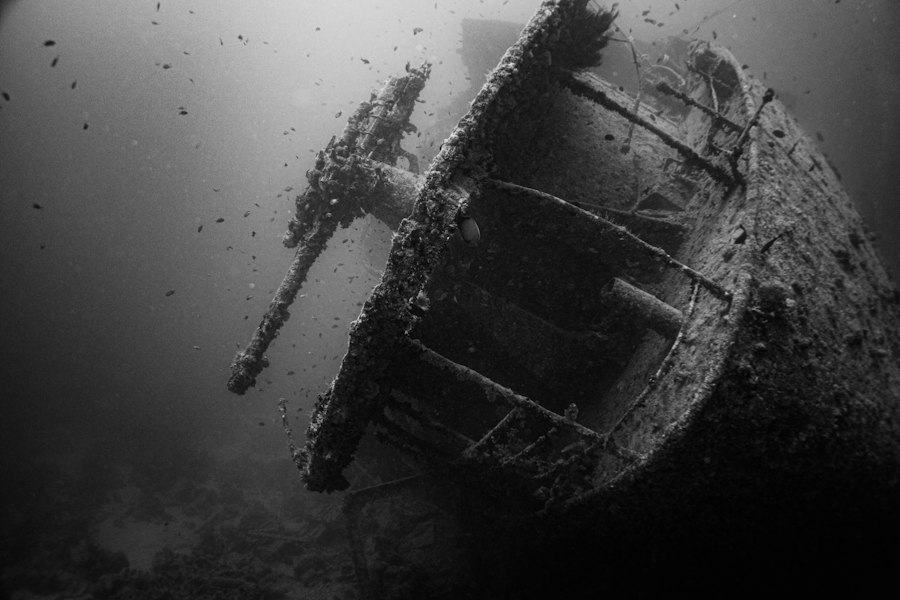
The vastness of the ocean is a cruel mistress, capable of swallowing entire vessels without a trace, leaving behind only unanswered questions and profound grief. Many Cold War submarine accidents resulted in complete loss of the vessel and its crew, their fate sealed by the crushing pressure of the deep or the catastrophic failure of their own technology. These silent tragedies, often shrouded in secrecy and classified information, represent the ultimate human cost of the Cold War’s underwater arms race.
The Soviet Submarine K-129: A Mystery of the Pacific
The sinking of the Soviet Golf II-class ballistic missile submarine K-129 in the North Pacific in 1968 remains one of the most enigmatic Cold War submarine disasters. The exact cause of its demise is still debated, with theories ranging from a missile accident in the torpedo room to a catastrophic hull breach. The K-129 was on a routine patrol when it vanished, taking all 98 crew members with it. The United States, through its clandestine Project Azorian, attempted to salvage parts of the wreck, a testament to the strategic importance of the intelligence that could be gleaned from such a loss. The K-129’s story highlights the inherent dangers of early submarine technology and the immense secrecy that surrounded naval operations during this era. The lack of definitive answers only adds to the chilling mystique of its final moments.
The USS Scorpion: A Shadow of Doubt in the Atlantic
The loss of the American Skipjack-class submarine USS Scorpion in 1968, just months after the K-129, sent shockwaves through the U.S. Navy. The Scorpion, with its 99 crew members aboard, was returning to port when it disappeared off the coast of Portugal. While an official investigation concluded that a catastrophic battery malfunction likely caused the sinking, some theories persist that the Scorpion may have been attacked by a Soviet submarine or that it struck a mine. The ambiguity surrounding the Scorpion’s fate fueled speculation and further underscored the inherent dangers faced by submarines operating in contested waters. The lingering questions about its demise continue to haunt naval historians and families of the lost crew.
The Case for Battery Malfunction
The official U.S. Navy investigation pointed to a likely scenario involving a fire in the aft battery compartment. Such a fire, fueled by the hydrogen gas produced by lead-acid batteries, could lead to an explosion, compromising the hull and causing the submarine to sink rapidly. The lack of any distress signals further supported the idea of a sudden, catastrophic event. This explanation, while plausible, still leaves room for doubt due to the limited evidence available from the deep-sea recovery.
Persistent Theories of External Factors
Despite the official conclusion, alternative theories continue to circulate. Some speculate that the Scorpion may have been inadvertently rammed by a Soviet submarine engaged in shadowing operations. Others suggest the possibility of it striking a sea mine, a lingering danger from the extensive mine-laying operations conducted during the Cold War. The absence of a definitive wreckage analysis that conclusively rules out these possibilities has allowed these theories to persist.
The history of Cold War submarine accidents is a fascinating yet tragic aspect of maritime military operations, highlighting the risks faced by nations during this tense period. For those interested in exploring this topic further, a related article can be found that delves into specific incidents and their implications on naval strategy. You can read more about these significant events in the context of Cold War tensions by visiting this article, which provides a comprehensive overview of the challenges and dangers encountered beneath the waves.
The K-8 Tragedy: A Fire at Sea
In 1970, the Soviet Project 627A November-class submarine K-8 was a scene of devastating tragedy when a fire broke out in its aft compartment while on the surface in the Atlantic Ocean. Despite heroic efforts by the crew to control the blaze, it spread rapidly, eventually engulfing the vessel. The K-8 ultimately sank with 52 of its crew members, a stark reminder of the perils of nuclear propulsion and the unforgiving nature of the sea. The fire, originating from a malfunction in the submarine’s life support system, quickly escalated due to the presence of flammable materials onboard. The battle to save the K-8 was a desperate one, fought against overwhelming odds.
The Origin and Spread of the Fire
The initial spark for the K-8’s fiery demise is believed to have originated from a faulty air conditioning unit in the aft section of the submarine. The confined space and the presence of numerous electrical components created a perfect storm for the fire to ignite and spread with alarming speed. Once established, the fire fed on insulation, wiring, and other onboard materials, rapidly consuming the internal structure of the vessel.
The Heroic, Yet Ultimately Futile, Rescue Efforts
Crew members on the K-8, along with rescue vessels dispatched to the scene, engaged in a desperate struggle against the inferno. Many sailors lost their lives in the attempt to extinguish the flames or to evacuate the rapidly deteriorating vessel. The harsh weather conditions in the Atlantic further hampered rescue operations, making it an incredibly difficult and dangerous undertaking. Despite their bravery, the efforts to save the K-8 and its crew were ultimately in vain.
Fires and Explosions: The Visible Catastrophes
While implosions often resulted in silent, unseen disappearances, other Cold War submarine accidents were marked by violent explosions and raging infernos, leaving undeniable evidence of the catastrophic events. These visible tragedies, while horrific, often provided more immediate, albeit grim, insight into the nature of the disaster, as survivors recounted harrowing tales of survival against overwhelming odds.
The K-19 Incident: A Nuclear Nightmare
The Soviet Project 658 Hotel-class submarine K-19 experienced a catastrophic reactor coolant leak in 1961, resulting in a severe radiation incident. While the submarine did not sink, the accident claimed the lives of 22 crew members who were exposed to lethal doses of radiation during heroic efforts to repair the leak. The K-19, nicknamed “Hiroshima” by its crew due to the accident, became a symbol of the terrifying dangers associated with nuclear submarines. The decision to attempt repairs, rather than abandoning the reactor, was a testament to the Soviet emphasis on completing missions and the immense pressure on crews to operate under extreme circumstances.
The Reactor Leak and its Devastating Consequences
A critical failure in the K-19’s starboard reactor’s primary cooling system led to a rapid loss of coolant. The extreme heat generated by the uncooled reactor core caused a meltdown of fuel elements and released a torrent of highly radioactive material into the submarine’s interior. The immediate aftermath was a race against time, with brave sailors volunteering for hazardous duty to seal the leak and prevent a more widespread nuclear disaster.
The Sacrificial Efforts of the Repair Teams
The men who entered the highly contaminated reactor compartment to perform repairs were aware of the immense risks, but they acted with extraordinary courage and selflessness. They worked in a toxic environment, their bodies absorbing lethal doses of radiation, in a desperate attempt to save their vessel and their shipmates. The sacrifices of these men were profound, and their actions, while ultimately leading to their deaths, prevented a potentially catastrophic nuclear contamination of the surrounding ocean.
The K-320 Incident: A Torpedo Room Inferno
In 1979, the Soviet Project 671 RTM “Pike” class submarine K-320 suffered a devastating fire and explosion in its torpedo room while at sea. The incident, which killed 16 crew members, was attributed to a faulty torpedo and the subsequent detonation of its warhead. The K-320, operating in the Atlantic, was on a routine patrol when the disaster struck, forcing the surviving crew to abandon ship. The torpedo room, packed with live ordnance, represented a particularly vulnerable area, and any spark or malfunction could have catastrophic consequences.
The Spark and the Chain Reaction
The precise ignition source for the K-320’s torpedo room inferno remains a subject of some debate, but the most widely accepted theory points to a malfunction within one of the torpedoes themselves. A faulty primer, a short circuit, or even an accidental impact could have initiated a chain reaction, leading to the detonation of the torpedo and a massive explosion that ripped through the submarine. The presence of other torpedoes in the compartment ensured that the initial explosion would trigger a devastating secondary detonation.
The Harrowing Evacuation and Survival
Survivors of the K-320 disaster described scenes of chaos and destruction as the submarine was engulfed in flames and smoke. The explosion rendered much of the vessel uninhabitable, forcing the remaining crew to make a desperate bid for survival. Rescue ships arrived to find a crippled submarine, its stern heavily damaged, and a scattering of life rafts carrying the surviving sailors. The accounts of those who escaped the inferno painted a grim picture of the immediate aftermath, with many suffering from burns and smoke inhalation.
The Human Cost: Beyond the Statistics
The Cold War submarine accidents were more than just a series of unfortunate events; they represented the loss of thousands of lives, the shattering of families, and the profound grief that followed each tragedy. The men who served in these underwater vessels were highly trained professionals, dedicated to their country and their mission, often facing immense personal risk with quiet stoicism. Their stories, though frequently overshadowed by the geopolitical machinations of the era, deserve to be remembered and honored.
The Families Left Behind: Unanswered Questions and Lingering Grief
For the families of the lost submariners, the accidents often meant years of unanswered questions and a profound, lingering grief. The classified nature of many of these incidents, coupled with the sheer difficulty of recovering wreckage from the deep ocean, left many families without closure. They lived with the uncertainty of their loved ones’ final moments, and the absence of definitive answers often compounded their pain. The memorial services, the empty chairs at family gatherings, and the phantom pains of loss were a constant reminder of the human cost of the Cold War.
The Courage and Sacrifice of Submariners
The submariners of the Cold War were a unique breed of sailor. They lived and worked in an environment that was both technologically advanced and inherently dangerous, facing the constant threat of pressure, fire, and the ever-present possibility of catastrophic failure. Their courage was not born of recklessness, but of a deep sense of duty and a willingness to face extreme risks in service to their nations. The stories of those who survived and recounted the bravery of their shipmates during harrowing accidents speak volumes about the extraordinary character of these men. They faced the unimaginable with resilience and dedication, often placing the lives of their crewmates above their own.
Lessons Learned and Evolving Safety Standards
While the Cold War submarine accidents were tragic, they were not without their lessons. Each incident, however horrific, contributed to a greater understanding of the inherent risks of submarine operations and the limitations of existing technology. Navies around the world, particularly those of the superpowers, meticulously studied the causes of these accidents, leading to significant improvements in submarine design, safety protocols, and crew training. The lessons learned from these underwater tragedies have, over time, made modern submarines safer, though the ocean’s depths will always remain a challenging and potentially unforgiving environment. The pursuit of knowledge, however painful its acquisition, is a critical component of progress, and the sacrifices of those lost at sea have undeniably contributed to a safer future for those who follow.
The history of Cold War submarine accidents is a stark reminder of the human element at the heart of even the most technologically advanced and strategically important military endeavors. These underwater tragedies, shrouded in the secrecy of the Cold War, speak to the immense risks undertaken by submariners on both sides of the Iron Curtain. The silent disappearances and violent infernos served as grim footnotes to a global ideological struggle, a testament to the unforgiving nature of the deep ocean and the complex, sometimes perilous, dance of technological innovation. While the immediate circumstances of each accident may remain debated or obscured by classified information, the overarching narrative is one of immense courage, profound loss, and the hard-won lessons that have shaped naval safety for generations to come. The echoes of these tragedies continue to resonate, a solemn reminder of the sacrifices made in the silent, shadowy battle beneath the waves.
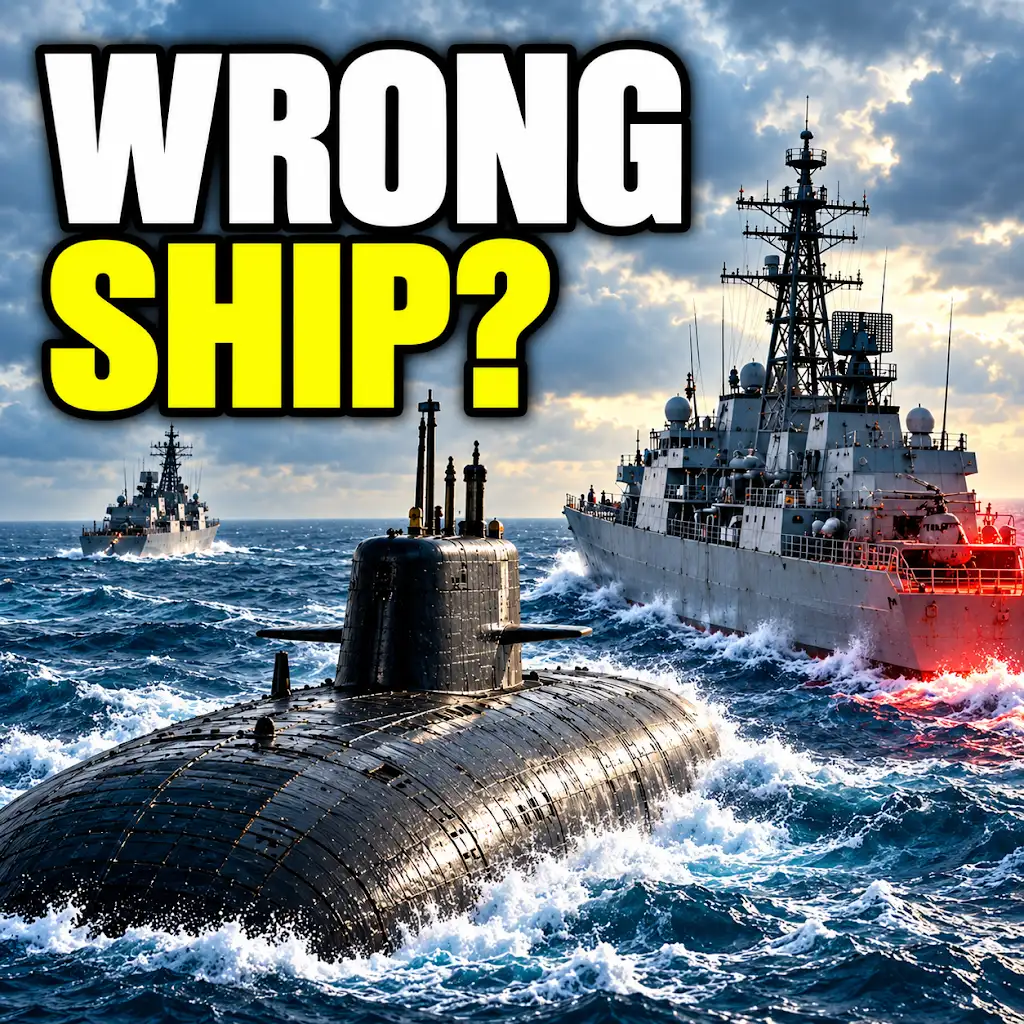
A Soviet Submarine Hit a U.S. Frigate. Was It the Wrong Ship?
FAQs
1. What was the most infamous Cold War submarine accident?
The most infamous Cold War submarine accident was the loss of the Soviet submarine K-129 in 1968. The submarine sank in the Pacific Ocean with all 98 crew members on board.
2. How did the United States respond to the loss of the Soviet submarine K-129?
The United States conducted a secret operation, codenamed Project Azorian, to recover the sunken Soviet submarine K-129 from the ocean floor. The operation was partially successful, with the recovery of a portion of the submarine.
3. What was the cause of the K-219 Soviet submarine accident in 1986?
The K-219 Soviet submarine accident in 1986 was caused by a missile explosion in one of the missile tubes. The explosion led to a fire on board the submarine, resulting in the death of four crew members.
4. How did the United States Navy submarine USS Thresher meet its tragic end during the Cold War?
The USS Thresher, a United States Navy submarine, sank in 1963 during a deep-diving test off the coast of New England. The exact cause of the sinking remains unknown, but it is believed to have been due to a failure in the submarine’s piping system.
5. What was the outcome of the collision between the Soviet submarine K-219 and the USS Augusta during the Cold War?
The collision between the Soviet submarine K-219 and the USS Augusta in 1986 resulted in damage to the Soviet submarine, including a missile explosion. The incident further escalated tensions between the United States and the Soviet Union during the Cold War.