The Shadow of the Cold War on the Waves
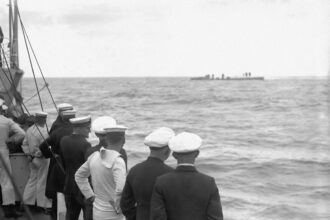
The year 1976 shimmered with the bicentennial celebrations of the United States, a nation basking in its past glories and technological advancements. Yet, beneath the surface of this patriotic fervor, the Cold War continued its icy grip on global affairs, its influence extending even to the vast, often unseen, arenas of the ocean. While the world focused on SALT talks and proxy conflicts, a tense naval standoff between the United States and the Soviet Union unfolded in the North Atlantic, a potent reminder of the ever-present danger of miscalculation and escalation. This incident, though not as widely publicized as some other Cold War flashpoints, served as a stark illustration of the delicate balance of power maintained through a constant, high-stakes game of naval brinkmanship. It was a moment where diplomatic channels were strained, and the very real possibility of direct military confrontation hung heavy in the sea air. The strategic importance of naval power in projecting influence and deterring adversaries made such encounters inevitable, a recurring theme in the decades-long ideological struggle. The 1976 incident, therefore, was not an anomaly but a deeply ingrained characteristic of the Cold War naval environment, a testament to the vigilance and the inherent risks associated with two superpowers vying for global dominance.
The 1976 Soviet-American naval incident, which involved a confrontation between U.S. and Soviet naval forces in the Pacific, is a significant event that highlights the tensions of the Cold War era. For a deeper understanding of the geopolitical implications and the military strategies employed during this incident, you can read a related article on this topic at In The War Room. This article provides valuable insights into the naval operations and the broader context of U.S.-Soviet relations during the 1970s.
Setting the Stage: Naval Posturing and Strategic Objectives

The Cold War was, in many respects, a naval war fought on a global scale. Control of the seas was paramount for both the United States and the Soviet Union, enabling the projection of power, the secure transit of vital resources, and the maintenance of strategic deterrence. The Soviet Union, despite its land-based military might, recognized the critical importance of a blue-water navy to challenge American dominance and project its own influence into distant waters. The United States, conversely, relied on its formidable naval power to maintain global trade routes, support its overseas bases, and project its own military capabilities far from its shores. This fundamental strategic imperative fueled a continuous cycle of naval exercises, intelligence gathering, and, inevitably, close encounters between their respective fleets. The North Atlantic, a vital artery of global commerce and a key transit route for NATO forces, was a particularly sensitive theatre where these rivalries frequently played out.
The Purpose Behind the Patrols
Both the United States Navy and the Soviet Navy operated in the North Atlantic for a multitude of strategic reasons. For the Americans, these patrols were crucial for monitoring Soviet submarine activity, particularly the ballistic missile submarines (SSBNs) that posed a direct nuclear threat. They also served to reassure NATO allies of American commitment to their defense and to maintain freedom of navigation in international waters. The presence of US warships in key strategic locations also acted as a deterrent against any potential Soviet aggression. The Soviets, on the other hand, were keen to assert their own naval capabilities and challenge the perceived American monopoly on global sea lanes. Their operations in the North Atlantic were aimed at demonstrating their reach, gathering intelligence on US naval movements and capabilities, and potentially disrupting Western supply lines in a conflict scenario. The presence of Soviet warships near American shores was also a form of strategic signaling, a way to demonstrate their resolve and their ability to project power close to their adversary’s heartland.
Espionage and Intelligence Gathering
Beyond overt displays of power, naval deployments were intrinsically linked to intelligence gathering. Ships from both nations meticulously shadowed each other, utilizing sophisticated electronic surveillance equipment to eavesdrop on communications, track vessel movements, and assess technological capabilities. submarines, in particular, were key targets for intelligence operations, with each side dedicating significant resources to detecting and tracking the other’s submerged assets. The North Atlantic provided a vast and complex environment for these covert operations, with its deep waters and challenging weather conditions offering both cover and opportunities for clandestine maneuvers. The constant dance of intelligence gathering often brought warships into dangerously close proximity, raising the stakes of each encounter. Each radar ping, each intercepted transmission, contributed to a larger strategic picture, influencing military planning and diplomatic maneuvering.
The Incident Unfolds: A Collision Course in the Atlantic
The specific circumstances that led to the 1976 Soviet-American naval incident remain a subject of historical debate, with differing accounts from both sides. However, the general consensus points to a situation where a Soviet vessel, possibly a frigate or destroyer, and an American warship, likely a destroyer or cruiser, found themselves in close proximity during routine patrols. The exact nature of the interaction – whether it was a deliberate attempt to harass, a navigational error, or a result of miscommunication – is difficult to definitively ascertain. What is clear is that the encounter escalated, leading to a tense standoff that highlighted the inherent dangers of operating in such close quarters during the Cold War. The unforgiving environment of the open ocean, combined with the heightened tensions of the era, created a powder keg where even a minor misstep could have catastrophic consequences.
Navigational Challenges and Close Encounters
Navigating the vastness of the ocean is a complex undertaking, even under ideal conditions. For naval vessels operating in close proximity during the Cold War, these challenges were amplified. Factors such as weather, sea state, and the inherent limitations of radar and sonar could all contribute to misinterpretations and errors in judgment. In the case of the 1976 incident, it is plausible that one vessel misjudged the other’s course or speed, leading to an unexpected convergence. The practice of “tailing” – following an adversary’s ship at a close distance – was a common, albeit risky, tactic. This often involved intricate maneuvers and a deep understanding of the other vessel’s capabilities and limitations. Without clear communication protocols specifically designed for such close encounters, the potential for misunderstanding and accidental collision was ever-present.
The Escalation of Tension
Once the vessels were in close proximity, the situation could rapidly escalate. The presence of armed warships, often carrying significant combat potential, meant that any perceived threat or aggressive action would be met with a proportionate, and potentially disproportionate, response. Accusations of aggressive maneuvering, deliberate blocking of passages, or even attempts to intimidate were common. The crews on both sides were highly trained and acutely aware of the geopolitical context, often operating under strict rules of engagement that allowed for significant latitude in responding to perceived threats. A single aggressive maneuver, a sudden change in course, or even an unauthorized radio transmission could be interpreted as a hostile act, triggering a cascade of countermeasures and further ratcheting up the tension. The psychological pressure on the commanding officers and crews to react decisively, while also avoiding an unwanted conflict, would have been immense.
Diplomatic Maneuvers and De-escalation Efforts
In the aftermath of any naval incident, regardless of its severity, diplomatic channels immediately come into play. For the United States and the Soviet Union, the primary means of communication were through their respective embassies and military attachés. These channels were utilized to lodge protests, demand explanations, and convey their respective interpretations of the events. The goal was to de-escalate the situation, prevent further provocations, and ensure that the incident did not spiral into a larger crisis. The inherent distrust between the two superpowers meant that these diplomatic exchanges were often fraught with suspicion and veiled threats, but they also represented a crucial safety valve, allowing for the articulation of grievances and the seeking of a resolution.
Direct Communication Channels
While formal diplomatic channels were essential, there were also more direct, albeit less formal, methods of communication between naval vessels. Radio communication, often in standardized NATO or Warsaw Pact frequencies, could be used for immediate clarification or to issue warnings. The practice of using international maritime signal flags was also a traditional method of communication, though less common for direct operational communication in the Cold War era. The existence of these channels, however rudimentary, played a critical role in preventing minor incidents from escalating into full-blown conflicts. They provided a limited, but vital, avenue for real-time communication and a basic level of understanding between potentially adversarial forces operating in close proximity.
The Role of Protests and Demands
Following the incident, both sides would have likely lodged formal protests with the other government. These protests would have detailed their version of events, accused the other side of provocative or illegal actions, and demanded an explanation or apology. The Soviet Union might have accused the American vessel of encroaching on their operational area or engaging in unsafe maneuvers, while the United States would likely have cited Soviet aggression or interference with naval operations. These diplomatic exchanges, while often symbolic, served to formally document the incident and to place the onus of responsibility on the perceived aggressor. They were also a way to signal to allies and the international community their stance on the matter and their commitment to maintaining international maritime law, or at least their interpretation of it.
The 1976 Soviet-American naval incident, which involved a tense confrontation between the two superpowers in the Pacific, remains a significant event in Cold War history. This incident highlighted the precarious nature of military engagements during that era and the potential for escalation. For a deeper understanding of the geopolitical implications and the aftermath of such encounters, you can read a related article that explores these themes in detail. The article can be found here.
The Lingering Impact: Lessons Learned and Future Implications
| Metric | Details |
|---|---|
| Date | February 20, 1976 |
| Location | Sea of Japan, near Vladivostok |
| Involved Parties | United States Navy and Soviet Navy |
| US Ship | USS Kitty Hawk (CV-63) |
| Soviet Ship | Large anti-submarine ship (Project 1134B Berkut B, “Kara” class) |
| Incident Type | Collision during close maneuvering |
| Cause | US aircraft carrier conducting surveillance; Soviet ship attempting to intercept |
| Damage | Minor damage to both vessels; no casualties |
| Outcome | Increased tensions during Cold War; diplomatic protests exchanged |
The 1976 Soviet-American naval incident, like many similar encounters during the Cold War, served as a valuable, if often chilling, lesson for both navies and their respective governments. While the immediate threat of conflict may have passed, the incident contributed to a broader understanding of the risks and complexities of naval operations in a bipolar world. It underscored the importance of clear communication, strict adherence to operating procedures, and the need for constant vigilance to avoid unintended escalation. The lessons learned from such incidents informed future naval doctrine, training, and the development of more robust de-escalation protocols.
Reinforcement of Naval Doctrines
Incidents like the one in 1976 provided real-world data that informed the ongoing evolution of naval strategy and tactics. Commanders and strategists would meticulously analyze the events, identifying any weaknesses in their own procedures or any new tactics employed by the adversary. This could lead to adjustments in rules of engagement, improvements in training simulations, and the refinement of operational doctrines. For example, if the incident revealed a vulnerability in a specific type of vessel’s maneuverability or communication system, efforts would be made to address these deficiencies. The constant cycle of observation, analysis, and adaptation was a defining feature of the Cold War naval arms race.
The Importance of De-escalation Protocols
The potential for accidental escalation was a constant concern throughout the Cold War. Naval incidents, therefore, became critical case studies for understanding and improving de-escalation protocols. The 1976 event likely reinforced the importance of established communication channels, the need for commanders to exercise restraint, and the value of having clear procedures for resolving disputes at sea. While the Cold War eventually ended, the principles of de-escalation and responsible conduct at sea remain vital for maintaining stability in international waters, particularly as naval powers continue to interact and operate in close proximity. The legacy of such incidents is a continuous effort to ensure that maritime interactions remain professional and avoid the catastrophic consequences of miscalculation.
A Constant Reminder of Cold War Tensions
The 1976 Soviet-American naval incident, though perhaps not etched in the public consciousness as prominently as some other Cold War events, served as a potent reminder of the persistent underlying tensions that characterized the era. It was a testament to the fact that even during periods of relative détente, the fundamental ideological and strategic competition between the two superpowers continued unabated, manifesting itself in a constant, high-stakes game of naval posturing and interaction. These encounters, however brief or seemingly minor, played a crucial role in shaping the global geopolitical landscape and ensuring that the world remained on a precarious, but ultimately managed, path away from direct conflict. The memory of these close calls served as a subtle, yet powerful, deterrent against rash actions, a constant whisper of the potential consequences of unchecked aggression on the vast and unforgiving expanse of the open ocean.
A Soviet Submarine Hit a U.S. Frigate. Was It the Wrong Ship?
FAQs
What was the 1976 Soviet American naval incident?
The 1976 Soviet American naval incident was a confrontation between the United States and the Soviet Union in the Sea of Japan. It involved a collision between the USS Belknap and a Soviet destroyer, the USS John F. Kennedy.
What caused the 1976 Soviet American naval incident?
The incident was caused by a series of miscommunications and errors in judgment. The USS Belknap and the Soviet destroyer came dangerously close to each other during a joint naval exercise, leading to a collision that resulted in significant damage to both ships.
Were there any casualties during the 1976 Soviet American naval incident?
Fortunately, there were no casualties as a result of the collision between the USS Belknap and the Soviet destroyer. However, there were injuries reported among the crew members of both ships.
How did the United States and the Soviet Union handle the aftermath of the incident?
After the incident, both the United States and the Soviet Union conducted investigations to determine the cause of the collision. The two countries also engaged in diplomatic discussions to prevent similar incidents from occurring in the future.
What impact did the 1976 Soviet American naval incident have on US-Soviet relations?
The incident highlighted the tensions and risks involved in military operations between the United States and the Soviet Union during the Cold War. It served as a reminder of the importance of communication and cooperation to avoid potentially dangerous confrontations at sea.