Shadows Beneath the Waves: The Silent Hunter’s Advantage
The Cold War was a period of unparalleled technological advancement, driven by a palpable and ever-present fear of global annihilation. In the unforgiving arena of naval warfare, this rivalry manifested in the stark contrast between the gleaming, powerful surface fleets and the stealthy, enigmatic submarines that prowled the ocean’s depths. While surface vessels offered visible projection of power and formidable firepower, the submarine represented a phantom threat, capable of striking from unseen vantage points and disappearing back into the abyssal darkness. This article will explore a hypothetical, yet entirely plausible, tense naval encounter between a Cold War-era submarine and a surface ship, delving into the unique advantages and disadvantages each possessed, the tactics employed, and the sheer psychological tension inherent in such a confrontation.
The Cold War era was marked by intense naval encounters, particularly between submarines and surface ships, which played a crucial role in the strategic dynamics of the time. A related article that delves into these underwater confrontations and their implications for naval warfare can be found at In the War Room. This resource provides valuable insights into the tactics employed by both sides and the technological advancements that shaped these encounters, highlighting the significance of submarine warfare during this pivotal period in history.
The Unseen Predator: The Cold War Submarine
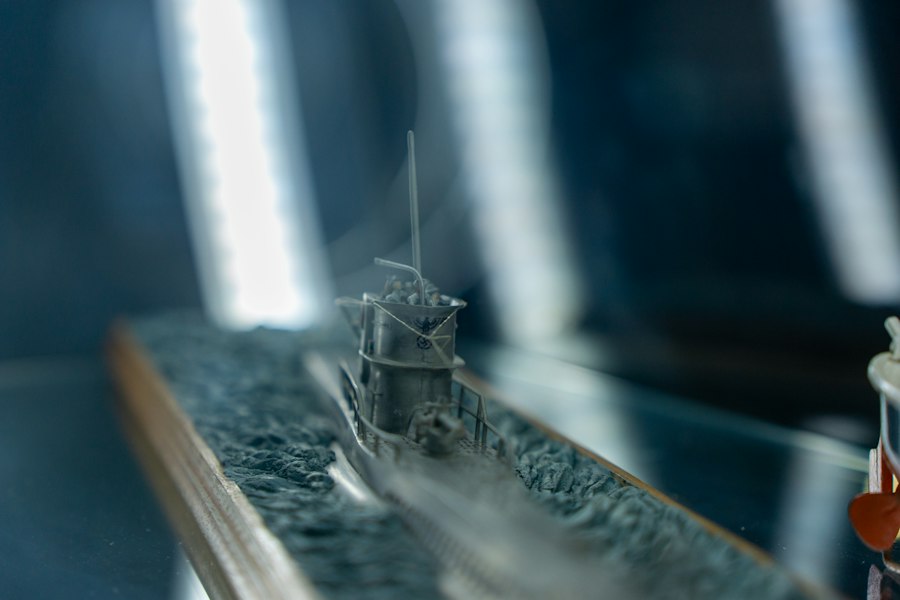
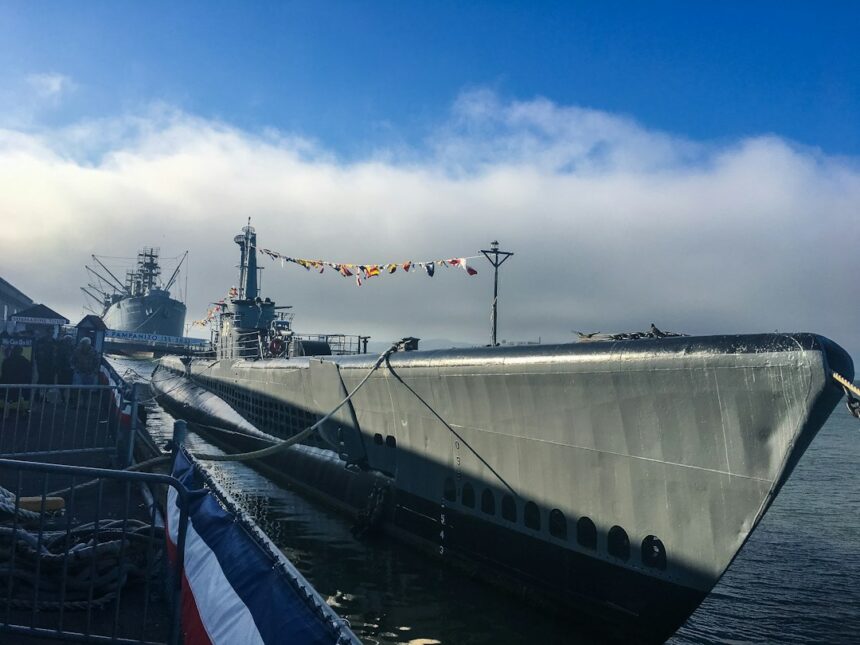
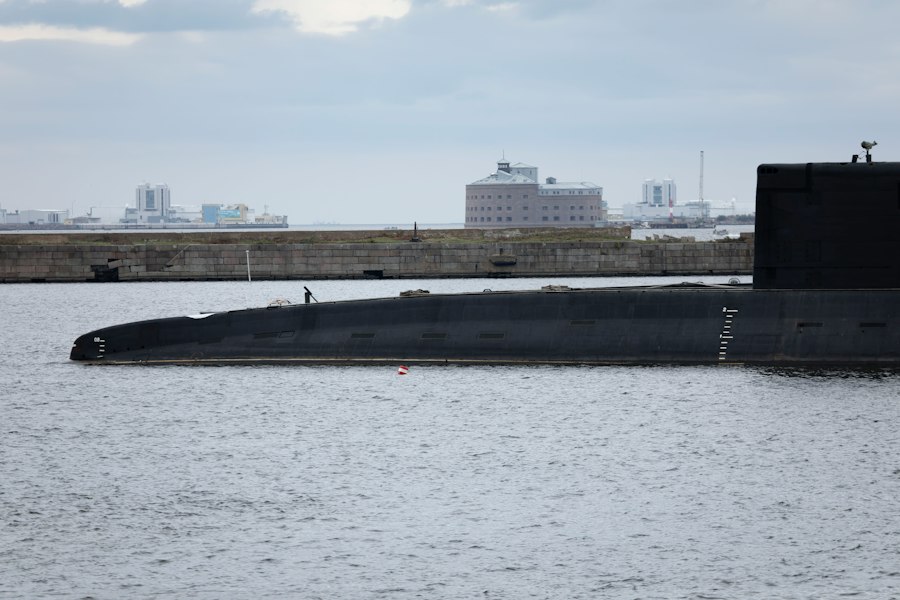
The submarine, particularly during the Cold War, was the embodiment of silent service. Its primary weapon was not brute force, but an almost supernatural ability to remain undetected. The technological leaps made in sonar, sound insulation, and hull design allowed these underwater predators to stalk their prey with an unnerving efficiency.
The Anatomy of Stealth
The effectiveness of a Cold War submarine lay in its sophisticated design, engineered to minimize acoustic signatures. Hull construction incorporated specialized materials and coatings to absorb sonar pings, rendering the vessel a ghost on enemy radar and sonar screens. Advanced propulsion systems, often electric motors for silent running, were crucial. The displacement of water, the hum of machinery, and even the movement of crew members were meticulously managed to reduce any acoustic trace. The Strategic Nuclear Deterrent submarines, carrying ballistic missiles, were the ultimate expression of this stealth, designed to remain hidden and ready to retaliate in a catastrophic scenario. However, attack submarines, designed for hunting other vessels, were equally adept, if not more so, at the art of evasion and surprise attack.
The Burden of the Deep
Life aboard a submarine was a testament to human endurance and discipline. Cramped conditions, the constant threat of detection, and the psychological toll of extended patrols in isolation created a unique and demanding environment. The crew operated under immense pressure, knowing that a single mistake, a poorly timed maneuver, or a faulty piece of equipment could lead to their demise. The silence onboard was often punctuated only by the faint ping of sonar, the subtle creaks of the hull, or the hushed conversations of the crew. The psychological aspect of hunting and being hunted, with the ocean as their only confiner, was a constant undercurrent.
The Arsenal of the Abyss
While stealth was their primary weapon, Cold War submarines were far from defenseless. They carried a formidable array of torpedoes, capable of disabling or sinking even the largest warships. Some submarines were also equipped with cruise missiles, extending their reach and offensive capabilities beyond the immediate vicinity. The sheer surprise of an attack emerging from the depths, when all visual and auditory cues suggested empty sea, was a potent psychological weapon in itself. The torpedo tube doors, when opened, were a silent prelude to deadly force, a testament to the hidden danger lurking below.
The Bulwark of the Fleet: The Cold War Surface Ship
In stark contrast to the submarine’s stealth, the surface ship was a symbol of raw power and visible deterrence. Its strength lay in its speed, its diverse armament, and its ability to operate over vast expanses of ocean, projecting influence and controlling sea lanes.
The Steel Armada
Surface fleets comprised a vast array of vessels, from nimble destroyers and frigates to mighty aircraft carriers and battleships. Each vessel was a complex ecosystem of advanced technology, bristling with guns, missile launchers, and sophisticated electronic warfare systems. The sheer size and armament of these ships made them formidable opponents in a direct engagement. Their ability to launch aircraft provided an extended reconnaissance and attack capability, a crucial advantage in tracking elusive underwater threats. The visible presence of these ships was a powerful deterrent, a constant reminder of naval might.
The Senses of the Sea
Surface ships relied on a suite of advanced sensors to detect threats, both above and below the waves. Radar systems scanned the skies and surface for enemy vessels, while sonar systems, though less sophisticated than their submarine counterparts for silent running, were still crucial for detecting submerged objects. Electronic warfare systems worked to jam enemy communications and radar, while also gathering intelligence on enemy capabilities. The ship’s crew was a highly trained unit, constantly vigilant, their senses attuned to the slightest anomaly in the vast oceanic expanse.
The Spectrum of Firepower
The offensive capabilities of a surface ship were diverse and potent. Its main guns could deliver devastating barrages, while its missile systems offered long-range precision strikes. Anti-submarine warfare (ASW) capabilities were a key focus, with depth charges, ASROC (Anti-Submarine ROCket) missiles, and helicopter-launched torpedoes designed to neutralize the submarine threat. The ability to engage multiple targets simultaneously and from a distance made surface ships a versatile and dangerous force.
The Encounter: A Dance of Shadows and Steel
Imagine a clear, windswept day in the North Atlantic, a strategically important but often desolate stretch of ocean. A state-of-the-art destroyer, the USS Vigilant, is on patrol, its mission to maintain a watchful eye for any Soviet naval activity. The air is crisp, the sea is choppy, and the crew of the Vigilant is running through routine drills, their senses alert but their minds perhaps somewhat dulled by the monotony of routine patrols. Unbeknownst to them, a Soviet Victor-class attack submarine, the Krasny Oktyabr, has been shadowing them for hours, a silent predator closing the distance.
The Initial Contact: A Ghostly Whisper
The Krasny Oktyabr has maintained a silent running profile, its acoustic signature masked by the ambient noise of the ocean and the superior stealth technology of its design. Its sonar operators have been meticulously cataloging the sounds of the Vigilant: the thrum of its engines, the whine of its turbines, the rhythmic ping of its own active sonar searching for submarines. For the crew of the Krasny Oktyabr, the Vigilant is a blip on a screen, a series of acoustic signatures to be analyzed and understood. The tension is palpable, a coiled spring waiting to be released. Every sound is scrutinized, every change in water pressure noted. The commander of the Krasny Oktyabr knows that discovery means immediate danger, but also the opportunity to strike a crippling blow.
The Cat and Mouse Game: The Submarine’s Advantage
The submarine’s advantage lies in its ability to control the engagement. It can choose when and how to reveal itself, or to remain hidden indefinitely. The Krasny Oktyabr has spent days tracking the Vigilant, learning its patrol patterns, its speed, and its likely operational areas. The submarine can maneuver at depths that the surface ship cannot reach, using the ocean’s thermoclines and acoustic shadows to its advantage. The sonar operators on the Vigilant are actively searching, but their passive sonar is a whisper compared to the Krasny Oktyabr‘s ability to listen and learn without revealing its presence.
The submarine commander might choose to deliberately create a subtle acoustic anomaly, a small sound that draws the attention of the destroyer’s sonar operators, leading them to investigate a specific area while the submarine positions itself for an attack from an unexpected vector. Alternatively, the submarine might wait for the opportune moment, perhaps when the Vigilant is engaged with other targets or navigating a particularly treacherous stretch of water. The psychological warfare is immense; the Vigilant‘s crew knows they are being hunted, and that knowledge breeds a creeping paranoia.
The Cold War era was marked by numerous tense encounters between submarines and surface ships, highlighting the intricate dance of military strategy and technological advancements. For a deeper understanding of these maritime confrontations, you can explore a related article that delves into the complexities of naval warfare during this period. This article provides valuable insights into the tactics employed by both sides and the implications of these encounters on international relations. To read more about this fascinating topic, visit this article.
The Surface Ship’s Response: A Frenzied Hunt
| Date | Location | Submarine | Surface Ship | Incident Description | Outcome |
|---|---|---|---|---|---|
| February 10, 1981 | Barents Sea | Soviet K-314 (Echo II class) | USS Augusta (SSN-710) | Close underwater tracking and near collision during intelligence gathering | No damage, increased Cold War tensions |
| March 23, 1984 | North Atlantic Ocean | Soviet K-219 (Yankee I class) | USS Augusta (SSN-710) | Submarine suffered missile tube explosion; USS Augusta nearby during incident | K-219 sank, 4 crew lost |
| October 25, 1986 | Norwegian Sea | Soviet K-278 Komsomolets (Mike class) | Norwegian Coast Guard vessel | Submarine fire and sinking; surface ship involved in rescue operations | 42 crew lost, 27 rescued |
| June 20, 1987 | Pacific Ocean near Kamchatka | Soviet K-219 (Yankee I class) | USS Augusta (SSN-710) | Submarine collision with surface ship during covert operations | Minor damage, no casualties |
Once the Vigilant becomes aware of the submarine’s presence, the dynamics of the encounter shift dramatically, though the inherent stealth advantage of the submarine often persists. The destroyer’s mission transforms from routine patrol to a desperate hunt, its crew scrambling to locate and neutralize the unseen threat.
The Sonar Barrage: A Symphony of Anxiety
The Vigilant‘s sonar systems go into overdrive. Its active sonar, a powerful “ping” sent out into the ocean, attempts to force the submarine to reveal its position. This is a risky maneuver, as the active sonar is easily detectable by the submarine, essentially announcing the destroyer’s intentions and its own location. The crew listens intently to the echoes, trying to discern the faint return that betrays the submarine’s presence. Passive sonar, listening for sounds the submarine emits, is also employed, but the submarine will have done everything to minimize these sounds. The soundscape of the ocean, normally a cacophony of natural and man-made noises, becomes a canvas of potential threats, each ping of the sonar a note of anxiety.
Countermeasures and Tactics: Deploying the Arsenal
The Vigilant will begin employing its anti-submarine warfare (ASW) arsenal. ASROC missiles, carrying torpedoes, will be launched in the general direction where the submarine is suspected to be. Depth charges, a more
A Soviet Submarine Hit a U.S. Frigate. Was It the Wrong Ship?
FAQs
1. What was a common tactic used by submarines during the Cold War?
Submarines during the Cold War often employed a tactic known as “cat and mouse,” where they would try to evade detection by surface ships while gathering intelligence or preparing for a potential attack.
2. How did surface ships respond to submarine encounters during the Cold War?
Surface ships would typically drop sonar buoys or depth charges to try to force the submarine to surface or reveal its position. They would also attempt to track the submarine’s movements to prevent it from getting too close.
3. Were there any notable incidents of submarine-surface ship encounters during the Cold War?
One of the most famous incidents was the 1962 Cuban Missile Crisis, where a Soviet submarine was detected by U.S. Navy surface ships and aircraft, leading to a tense standoff that brought the world to the brink of nuclear war.
4. How did advancements in technology impact submarine-surface ship encounters during the Cold War?
Advancements in sonar technology and anti-submarine warfare capabilities allowed surface ships to better detect and track submarines, making it more challenging for submarines to remain undetected during encounters.
5. What were the potential risks of submarine-surface ship encounters during the Cold War?
The potential risks included the possibility of accidental collisions, misunderstandings that could escalate into armed conflict, and the risk of triggering a nuclear exchange if tensions were high between the countries involved.