The Soviet Union’s naval ambitions during the Cold War were vast, driven by a desire to project power and counter the formidable might of the United States Navy. Among the vessels that epitomized this drive were the Project 675, or Echo II-class, submarines. These nuclear-powered cruise missile submarines represented a significant technological leap for the Soviet Navy, designed with a singular, devastating purpose: to strike American carrier battle groups and other high-value surface targets. The K-22, a prominent member of this class, served as a stark reminder of the nuclear standoff and the ever-present threat of global conflict. Understanding the K-22 and its brethren offers a crucial insight into the strategic thinking and engineering prowess that defined a pivotal era in naval warfare.
The Genesis of a Surface-Strike Predator
The Echo II class was born out of a Soviet strategic imperative to develop a submarine capable of neutralizing the offensive capabilities of American aircraft carriers. The US Navy’s carrier battle groups were mobile airfields capable of projecting power across vast oceanic distances, posing a significant threat to Soviet naval assets and coastal territories. The Soviet response was to design submarines that could carry a potent anti-ship missile payload, capable of overwhelming the defensive screens of these powerful formations. The Echo II represented a substantial evolution from its predecessor, the Project 665 Echo I class, which carried fewer and less capable missiles. The Echo II’s design was driven by the need for a more robust and potent weapon system, capable of inflicting significant damage on heavily defended targets. This shift in focus highlighted a Soviet understanding of the importance of naval aviation and the need for a credible countermeasure.
Strategic Context and the Carrier Threat
The Cold War was characterized by a constant arms race, and naval power played a central role. The United States, with its global reach, relied heavily on its aircraft carrier fleets to maintain influence and project power. These carriers were not just warships; they were symbols of American strength and a formidable offensive instrument. For the Soviet Union, the presence of these carrier groups in proximity to its shores or in strategically vital waterways was a constant source of concern. Their ability to launch air strikes deep into Soviet territory necessitated a robust response. The Echo II class was conceived as a direct answer to this perceived threat. The Soviet military planners envisioned these submarines as a vital component of their anti-access/area denial strategy, designed to keep American carrier forces at bay and to inflict crippling losses should hostilities erupt. The missile armament of the Echo II was specifically chosen to counter the defensive capabilities of these carrier groups.
Design Philosophy and Technological Advancements
The design of the Echo II class was heavily influenced by the strategic requirements of its intended role. Unlike many Western submarine designs that prioritized stealth and multi-mission capabilities, the Echo II was designed as a dedicated surface-strike platform. This focus on a singular, offensive mission led to certain design choices. The most prominent feature of the Echo II was its large, imposing missile launchers, which dominated the submarine’s sail. These were not designed for silent running or extended submerged operations in the same way as some Western counterparts, though they were still nuclear-powered and capable of sustained submerged patrols. The emphasis was on delivering a devastating missile volley. The Soviet Union poured significant resources into developing the P-40 Groza (NATO reporting name SS-N-12 Sandbox) missile, the primary armament of the Echo II. This large, supersonic anti-ship missile was designed to penetrate sophisticated US naval defenses, including radar-guided missile systems and electronic countermeasures. The Echo II represented a significant investment in a specific type of naval warfare, demonstrating the Soviet Union’s willingness to develop specialized platforms for critical strategic missions.
The Soviet submarine K-22 Echo II, known for its significant role during the Cold War, has been the subject of various analyses and discussions regarding its technological advancements and strategic importance. For a deeper understanding of the submarine’s operational history and its impact on naval warfare, you can read a related article that delves into the intricacies of Soviet submarine design and deployment strategies. For more information, visit this article.
The K-22: A Titan of the Deep
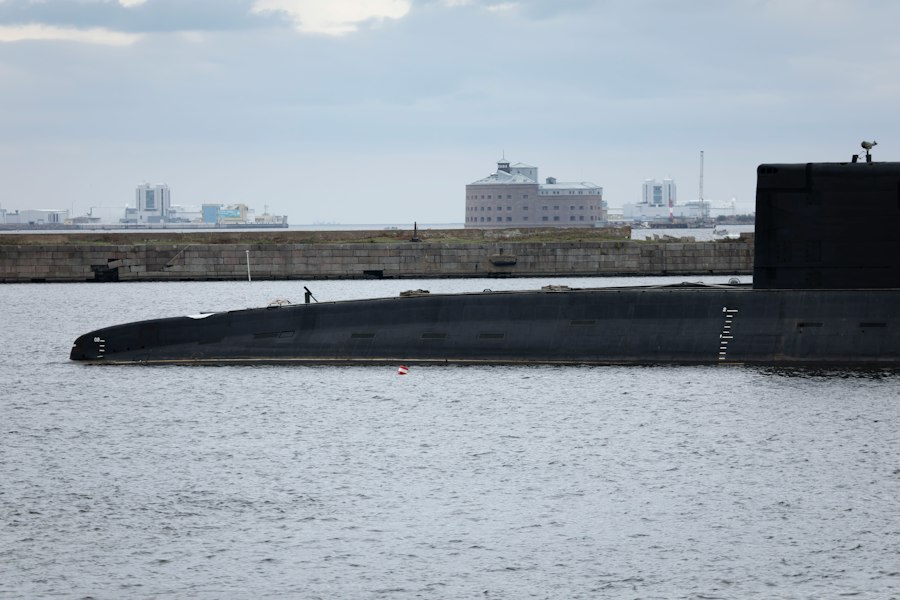
The K-22 was one of approximately 30 submarines built in the Echo II class between the early 1960s and mid-1970s. These submarines were a formidable presence in the Soviet Northern and Pacific Fleets, deployed to areas where they could best threaten US naval operations. The K-22, like its sisters, was characterized by its distinctive hull shape, designed to accommodate the large P-40 missile launchers, and its impressive missile capacity. Its operational life was intertwined with the most intense periods of the Cold War, witnessing numerous tense standoffs and close calls. The sheer size and armament of the K-22 were intended to instill a sense of deterrence, a tangible representation of Soviet naval power capable of inflicting unacceptable damage.
Hull Design and Missile Armament
The Echo II’s hull was a testament to its specialized mission. It featured a long, cylindrical pressure hull, with a distinct missile deck situated above it. This arrangement was dictated by the need to house and launch the massive P-40 Groza (SS-N-12 Sandbox) missiles. These missiles were housed in angled launchers, giving the submarine’s sail a rather unique and formidable appearance. The K-22 carried a significant complement of these missiles, typically eight, though some sources suggest variations in loadouts. The P-40 was a formidable weapon for its time, featuring a large warhead and a supersonic flight profile designed to outpace defensive interceptors. Its guidance system, while not as sophisticated as later generations of missiles, was capable of targeting large surface vessels. The K-22’s design prioritized the efficient deployment of these weapons, with systems in place to quickly prepare and launch them in a coordinated strike. The submarine’s overall dimensions were substantial, reflecting the substantial missile load and the necessary machinery to power and support these weapons.
Propulsion and Operational Capabilities
The K-22, like all Echo II-class submarines, was powered by two VM-5 nuclear reactors. This nuclear propulsion gave the submarine considerable endurance and speed, allowing it to operate independently for extended periods and to patrol vast oceanic areas. While the Echo II was not designed for the same level of stealth as some Western submarines, its nuclear power meant it could remain submerged for much longer durations than diesel-electric boats, increasing its operational flexibility and reducing its detectability by surface ships. Its maximum submerged speed was respectable for its size, enabling it to close with its targets or evade pursuit. The operational doctrine for the Echo II class often involved operating in relatively close proximity to potential targets, rather than conducting the deep, silent patrols associated with hunter-killer submarines. This strategy leveraged the P-40’s range and destructive power, aiming for a decisive engagement. The K-22’s ability to launch its missiles from submerged or surfaced positions added another layer of tactical flexibility, making it a more elusive and dangerous adversary.
Encounters and Operations in the Cold War Arena
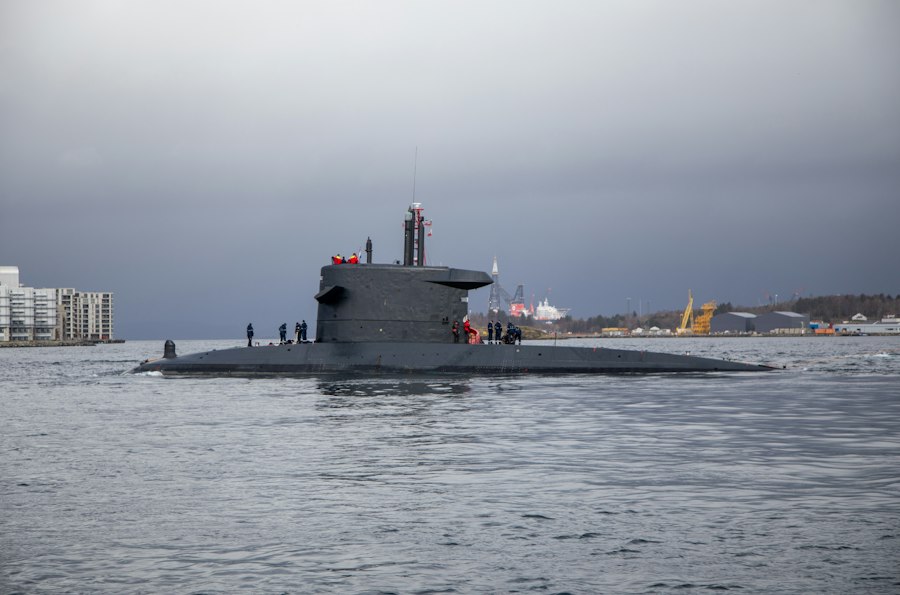
The operational life of the K-22 and its Echo II sisters was a testament to the constant, low-level tension of the Cold War. These submarines were regularly deployed to patrol vital sea lanes, monitor US naval movements, and participate in exercises that simulated potential engagements. While direct combat between Echo II submarines and US Navy carrier groups was thankfully avoided, their very presence, and the potential for such encounters, was a significant factor in naval strategy and the strategic balance of power. The K-22, like other submarines of its class, likely engaged in intelligence gathering, shadowing adversary vessels, and positioning itself for potential strikes. The risk of detection and the potential for escalation were ever-present during these deployments.
Patrols and Surveillance Missions
Echo II-class submarines, including the K-22, were frequently deployed on patrols in strategic areas, particularly the North Atlantic and the Pacific Ocean. Their primary mission was to track the movements of US Navy carrier battle groups and other significant surface forces. This surveillance was crucial for Soviet intelligence, providing real-time information on the disposition and capabilities of potential adversaries. These patrols were often conducted in challenging environments, requiring the submarines to operate submerged for extended periods, navigating through potentially hostile waters. The K-22’s role in these missions was to gather critical intelligence that could inform Soviet strategic decisions and to position itself for a potential strike should the need arise. The constant cat-and-mouse game between Soviet submarines and US Navy ASW (anti-submarine warfare) forces was a defining characteristic of this era, and the K-22 was an active participant in this ongoing struggle.
Exercises and Simulated Engagements
Beyond routine patrols, Echo II submarines were integral to large-scale Soviet naval exercises. These exercises were designed to test the operational readiness of the Soviet Navy and to simulate combat scenarios, including large-scale missile strikes against simulated enemy fleets. The K-22 would have participated in these drills, practicing its missile launch procedures, coordinating with other submarines, and operating under simulated wartime conditions. These exercises served not only to hone the skills of the crews but also to demonstrate Soviet naval power to both domestic and international audiences. They were a way for the Soviet Union to project its strength and its perceived ability to challenge Western naval dominance. The K-22’s involvement in such exercises underscored its importance as a front-line asset in the Soviet naval arsenal.
The Legacy of the Echo II Class
The Echo II class, with the K-22 as a representative, left an indelible mark on naval history. These submarines were a bold and arguably successful attempt by the Soviet Union to develop a credible counter to the dominance of the US Navy’s carrier battle groups. While the Cold War concluded without a direct confrontation involving these vessels, their existence and operational capabilities significantly shaped naval strategy and the arms race. The lessons learned from the development and deployment of the Echo II class continued to influence submarine design and naval warfare doctrine for decades to come. The legacy of these imposing vessels is one of strategic innovation, a testament to the immense resources and engineering prowess dedicated to the naval arms race.
Strategic Impact and Deterrence
The Echo II class, and by extension the K-22, played a significant role in the strategic calculus of the Cold War. Their existence was a constant deterrent to US naval operations in regions where they could be deployed. The knowledge that a significant number of these powerful missile submarines were operational meant that US carrier battle groups had to operate with a heightened awareness of the submarine threat. This, in turn, influenced escort formations, patrol routes, and the deployment of anti-submarine warfare assets. The Echo II class was a tangible manifestation of the Soviet Union’s determination to achieve parity or at least a credible counter-threat to American naval power. While direct engagement was avoided, the psychological impact and the strategic burden placed upon the US Navy were undeniable. The K-22, as part of this class, contributed to this overarching strategic effect.
Evolution of Submarine Warfare and Technological Spin-offs
The development of the Echo II class spurred advancements in both offensive missile technology and submarine design, albeit with a different emphasis than in the West. The P-40 missile, while perhaps not as sophisticated as later Western cruise missiles, was a powerful weapon that forced naval strategists to consider new defensive measures. The Soviet focus on a dedicated anti-ship strike submarine also represented a distinct evolutionary path in submarine warfare. While Western submarines often pursued a more multi-role approach, the Echo II embodied a specialization that was highly effective for its intended purpose. Some of the technological solutions developed for the Echo II, particularly in areas of missile integration and launch systems, may have influenced subsequent Soviet and even Russian naval designs. The lessons learned in managing and deploying such a potent offensive capability continued to inform naval thinking long after the class was retired.
The Soviet submarine K-22 Echo II, known for its significant role during the Cold War, has been the subject of various analyses and discussions in military history. For those interested in exploring more about the strategic implications of Soviet naval power, a related article can be found at In the War Room, which delves into the broader context of submarine warfare and its impact on global politics during that era.
The End of an Era for the K-22
| Metric | Details |
|---|---|
| Name | Soviet submarine K-22 Echo II |
| Class | Echo II-class (Project 675) |
| Type | Diesel-electric cruise missile submarine |
| Displacement | 5,000 tons surfaced, 6,000 tons submerged |
| Length | 95 meters (312 feet) |
| Beam | 9 meters (30 feet) |
| Draft | 6.3 meters (21 feet) |
| Propulsion | Diesel-electric engines, 2 shafts |
| Speed | 16 knots surfaced, 24 knots submerged |
| Test depth | 250 meters (820 feet) |
| Armament | 8 P-6 (SS-N-3 Shaddock) cruise missiles, torpedo tubes |
| Complement | 90 officers and crew |
| Commissioned | 1962 |
| Decommissioned | 1988 |
As the Cold War drew to a close, the operational significance of the Echo II class began to wane. Advances in missile technology, submarine design, and anti-submarine warfare capabilities from both sides rendered the Echo II’s design increasingly dated. Furthermore, the changing geopolitical landscape and the economic realities facing the post-Soviet Russia led to the decommissioning of many older naval assets. The K-22, like its sister submarines, eventually met its end, a testament to the finite lifespan of even the most formidable military hardware. Its retirement marked the end of a distinct chapter in naval history, one characterized by the unique challenges and immense dangers of the Cold War standoff.
Decommissioning and Disposal
The decommissioning process for the K-22 and the rest of the Echo II class was a gradual one, occurring throughout the late 1980s and into the 1990s. As newer, more advanced submarine classes entered service with the Russian Navy, the older Echo IIs were retired from active duty. The disposal of these large, nuclear-powered vessels presented significant logistical and environmental challenges. Many were eventually dismantled for scrap, a process that required specialized facilities and careful handling of nuclear materials. Some were also sunk, either intentionally as targets or through neglect. The fate of the K-22, like many of its sister submarines, reflects the broader story of Soviet and Russian naval demilitarization and the challenges of managing a vast and aging fleet. The dismantling of these powerful war machines signified the end of their threat and their contribution to a bygone era of global tension.
Lasting Reflections on Naval Power
The Echo II class, embodied by submarines like the K-22, serves as a powerful case study in the evolution of naval power and strategic thinking during the Cold War. These submarines were not mere instruments of war; they were complex technological marvels, products of intense geopolitical rivalry and a testament to the human capacity for both innovation and destruction. Their existence forced a re-evaluation of naval tactics and strategies, particularly concerning the threat posed by land-launched or submarine-launched anti-ship missiles against even the most powerful surface fleets. The legacy of the K-22 and its brethren is a reminder of the constant struggle for technological and strategic advantage that defined the latter half of the 20th century, and the enduring impact of naval power on the global stage. Their story is one of a potent, specialized weapon system that, while never engaging in direct combat with its intended targets, profoundly shaped the strategic landscape of the Cold War.
A Soviet Submarine Hit a U.S. Frigate. Was It the Wrong Ship?
FAQs
1. What was the purpose of the Soviet submarine K-22 Echo II?
The Soviet submarine K-22 Echo II was designed for anti-submarine warfare and intelligence gathering missions during the Cold War.
2. How large was the Soviet submarine K-22 Echo II?
The K-22 Echo II submarine had a length of approximately 90 meters (295 feet) and a displacement of around 4,000 tons when submerged.
3. What armaments did the Soviet submarine K-22 Echo II carry?
The K-22 Echo II submarine was equipped with torpedoes, anti-ship missiles, and mines for use in combat situations.
4. When was the Soviet submarine K-22 Echo II commissioned?
The K-22 Echo II submarine was commissioned into the Soviet Navy in the late 1970s and served until the early 1990s.
5. Where is the Soviet submarine K-22 Echo II located now?
After being decommissioned, the K-22 Echo II submarine was eventually scrapped in the 1990s, and its remains were likely dismantled for metal recycling.