The Shadow Beneath the Waves: An Unveiling of the Soviet Submarine Ramming Incident
The Cold War, a period defined by ideological struggle and an ever-present threat of nuclear annihilation, played out not only on land and in the skies but also in the silent, unforgiving depths of the world’s oceans. Beneath the waves, fleets of submarines from the United States and the Soviet Union engaged in a perpetual, high-stakes game of cat and mouse. These subsurface encounters, often fraught with peril and conducted in extreme secrecy, were the unseen theatre of a global confrontation. While many incidents remained classified for decades, the chilling reality of direct naval clashes, particularly the ramming of submarines, occasionally surfaced, offering a stark glimpse into the raw nerve of this protracted conflict. One such encounter, shrouded in the mists of Cold War history, involved the deliberate ramming of a Soviet submarine by a Western vessel, an event that underscored the hair-trigger tension and the potential for catastrophic escalation that characterized the era. This incident, though not widely publicized at the time, serves as a potent reminder of the perilous dance that unfolded in the oceanic abyss.
The Soviet submarine ramming incident, which occurred during the Cold War, highlights the intense naval confrontations between superpowers. For a deeper understanding of the geopolitical tensions and military strategies of that era, you can read a related article on the topic at In the War Room. This resource provides valuable insights into the implications of such incidents on international relations and naval warfare tactics.
Echoes from the Abyss: The Context of Subsurface Espionage
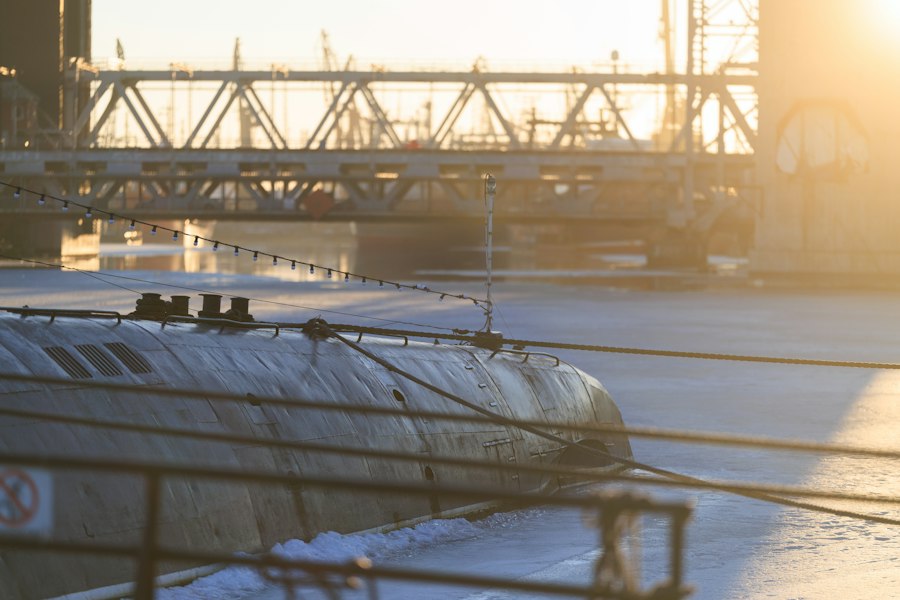
The operational environment for submarines during the Cold War was one of constant vigilance and calculated risk. Both superpowers invested heavily in their undersea forces, recognizing the unparalleled strategic advantage of stealth and the ability to deliver devastating retaliatory strikes. Submarines were the silent sentinels, tasked with a multitude of missions, from intelligence gathering and surveillance to the projection of power and the potential delivery of nuclear weapons. The vastness of the oceans provided a sanctuary for these underwater predators, but it also made them elusive targets, leading to a perpetual arms race in detection and evasion technologies.
The Silent Hunt: Intelligence Gathering and the Prowl for Information
A primary driver behind the close proximity of opposing submarines was the insatiable hunger for intelligence. Both the United States and the Soviet Union were desperate to understand the capabilities, deployments, and intentions of their adversary’s naval forces. Submarines, with their inherent stealth, were perfectly positioned to conduct reconnaissance missions. They would shadow enemy submarines, attempting to glean information about their speed, maneuverability, acoustic signatures, and operational patterns. This data was invaluable for developing counter-strategies, refining detection methods, and ultimately, for maintaining a strategic advantage. The pursuit of such sensitive information often placed submarines in extremely close proximity, creating inherently dangerous situations where miscalculations could have severe consequences. The risk of collision was ever-present, amplified by the limited visibility and the unforgiving nature of the underwater environment.
The Red Lines of Deterrence: Nuclear Deterrence and Undersea Patrols
The specter of nuclear war loomed large over the Cold War, and submarines played a crucial role in the doctrine of Mutually Assured Destruction (MAD). Ballistic missile submarines (SSBNs) were designed to remain hidden, providing a survivable second-strike capability that deterred a first strike from the enemy. These submarines operated on extended patrols, often in remote oceanic regions, to maintain their undetected status. The presence of enemy submarines in the vicinity of these SSBN patrols was a grave concern. Any perceived threat to these strategic assets could trigger an immediate and potentially catastrophic response. Consequently, both sides maintained a keen interest in locating and tracking, or conversely, evading, the other’s nuclear-armed submarines, further escalating the risks of close encounters.
Accidental Encounters and the Perils of the Deep
The inherent nature of submarine operations, particularly in the context of intelligence gathering and strategic patrols, made accidental encounters almost inevitable. The vastness of the oceans meant that submarines often operated in overlapping patrol areas, particularly in strategically important regions like the North Atlantic or the Norwegian Sea. Navigating in these environments required immense skill and constant awareness, but the potential for error, whether due to equipment malfunction, human fatigue, or environmental factors like poor visibility or underwater currents, was always present. These accidental encounters, even without direct intent, could quickly escalate into tense standoffs, as each side sought to identify the other and assess their intentions. The fear of being detected or compromised meant that submarines would often maneuver aggressively to shake off perceived tails or to maintain their cover, increasing the likelihood of physical contact.
The Incident Unfolds: A Close Encounter in the Atlantic
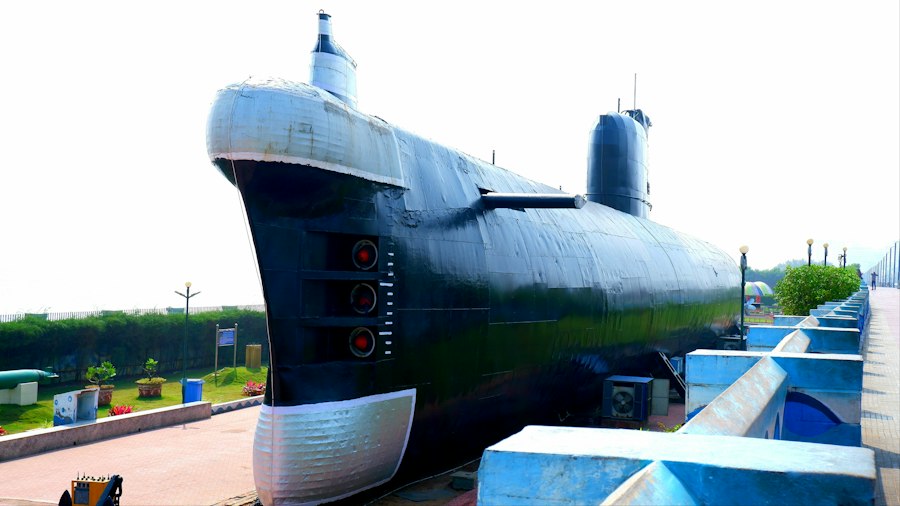
The specific incident in question, the ramming of a Soviet submarine, occurred during a period of particularly heightened tension. While precise details remain subject to historical declassification and varying accounts, the core of the event involved a Soviet submarine operating in an area where it was deemed to be encroaching on sensitive Western naval operations. The Western submarine, tasked with monitoring and potentially disrupting Soviet undersea activity, was faced with a challenging situation. The Soviet vessel, likely engaged in its own intelligence-gathering mission or attempting to gain a tactical advantage, was perceived as a significant threat.
Identification and Approach: The Initial Shadowing
The encounter began with the detection of the Soviet submarine by Western sonar. The precise nature of the Soviet vessel – whether a hunter-killer submarine (SSN) or a ballistic missile submarine (SSBN) – would have dictated the level of urgency and the response. Assuming the Soviet submarine was operating in a sensitive zone, perhaps near a NATO submarine exercise or a critical seabed communication cable, the Western submarine would have initiated a shadowing operation. This involved maintaining a discreet distance, using passive sonar to gather acoustic intelligence, and meticulously plotting the target’s course and speed. The objective was to remain undetected while gathering as much information as possible. However, the inherently dynamic nature of submarine warfare meant that the shadowing submarine would often need to close the distance to achieve a positive identification or to assess a potential threat more accurately. This “closing in” phase is where the risk of detection, and consequently, a more aggressive response from the shadowed vessel, significantly increased.
The Soviet submarine ramming incident remains a significant event in Cold War history, highlighting the tensions between superpowers during that era. For those interested in exploring the broader implications of military confrontations at sea, a related article can provide valuable insights into similar incidents and their consequences. You can read more about these maritime encounters in this detailed analysis found here. Understanding these events helps to contextualize the complexities of naval warfare and international relations during a time of heightened conflict.
The Escalation: Maneuvering for Position and Intent
As the Western submarine closed in, the Soviet submarine likely detected its presence. In the shadowy world of subsurface espionage, detection was often met with evasive maneuvers and countermeasures. The Soviet commander, recognizing that they were being shadowed, would have attempted to break contact or to gain a tactical advantage. This could involve sharp turns, changes in depth, or even attempts to “turn the tables” and hunt the hunter. It was during these aggressive maneuvers, as both submarines jockeyed for position and tried to outwit each other, that the situation became particularly precarious. The underwater environment offers limited space for error, and the speed at which these large vessels could move, combined with the poor visibility, made collisions a constant and terrifying possibility. The actions of each
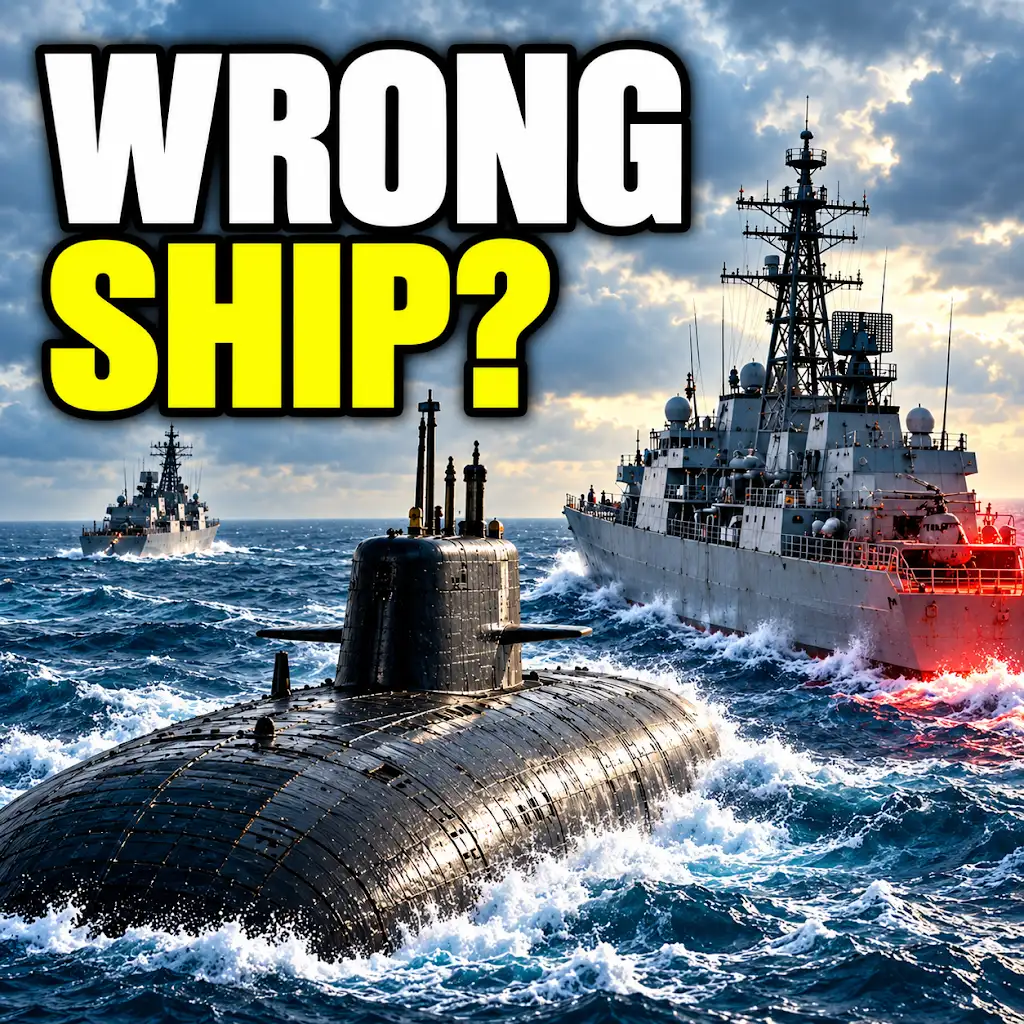
A Soviet Submarine Hit a U.S. Frigate. Was It the Wrong Ship?
FAQs
What was the Soviet submarine ramming incident?
The Soviet submarine ramming incident refers to an event that took place on February 4, 1992, when a Russian Navy submarine, the K-407, collided with the USS Baton Rouge, a United States Navy submarine, in the Barents Sea.
What caused the Soviet submarine ramming incident?
The incident was caused by a series of miscommunications and errors in judgment on the part of both submarines. The USS Baton Rouge was conducting a classified mission in the area, and the K-407 was unaware of its presence due to poor communication and coordination between the two submarines.
What were the consequences of the Soviet submarine ramming incident?
Fortunately, there were no casualties as a result of the collision. However, both submarines sustained damage, with the USS Baton Rouge suffering more severe damage to its sail and periscope. The incident strained relations between the United States and Russia at the time.
Was the Soviet submarine ramming incident an intentional act?
There is no evidence to suggest that the collision between the K-407 and the USS Baton Rouge was intentional. It was deemed an accident resulting from a combination of factors, including poor communication, misjudgment, and the challenging conditions of operating submarines in the Barents Sea.
How did the Soviet submarine ramming incident impact naval protocols?
The incident highlighted the importance of improving communication and coordination between naval forces to prevent similar accidents in the future. It also led to a review of naval protocols and procedures to enhance safety and prevent misunderstandings during military operations at sea.