The dissolution of the Soviet Union in December 1991 marked a pivotal moment in world history, signaling the end of an era characterized by ideological conflict and geopolitical tension. The Soviet Union, once a superpower that wielded significant influence over global affairs, faced a multitude of internal and external challenges that ultimately led to its collapse. This monumental event not only reshaped the political landscape of Eastern Europe and Central Asia but also had far-reaching implications for international relations, economics, and social structures worldwide.
Understanding the factors that contributed to the Soviet Union’s demise requires a comprehensive examination of its economic, political, and social fabric. As the world watched the Soviet Union unravel, it became evident that the collapse was not a sudden occurrence but rather the culmination of decades of systemic issues. The interplay of economic strain, political instability, nationalist movements, and military overextension created a perfect storm that the Soviet leadership could not navigate.
The legacy of the Soviet Union’s demise continues to influence contemporary geopolitics, as former Soviet republics grapple with their identities and relationships in a post-Soviet world. The following sections will delve into the various dimensions that contributed to this historic collapse.
Key Takeaways
- The Soviet Union’s demise was influenced by economic strain, political instability, nationalist movements, military overextension, ideological stagnation, environmental degradation, international pressure, failed reforms, and leadership struggles.
- Economic strain and decline, exacerbated by inefficient central planning and a lack of innovation, played a significant role in the Soviet Union’s downfall.
- Political instability and corruption within the Soviet government eroded public trust and contributed to the country’s demise.
- Nationalist movements and dissent from various ethnic groups within the Soviet Union further weakened the government’s control and contributed to its collapse.
- Military overextension and excessive spending on defense strained the Soviet economy and contributed to its downfall.
Economic Strain and Decline
The economic foundation of the Soviet Union was built on a centrally planned system that prioritized heavy industry and military production over consumer goods and services. This model, while initially successful in achieving rapid industrialization, began to show signs of strain by the 1970s. The inefficiencies inherent in central planning led to widespread shortages of basic goods, stagnation in productivity, and a growing discontent among the populace.
As citizens faced long lines for essential items, the disconnect between state propaganda and everyday reality became increasingly apparent. Moreover, the Soviet economy was heavily reliant on oil exports, which provided a significant portion of its revenue. The fluctuations in global oil prices during the 1980s exposed the vulnerabilities of this dependency.
When prices plummeted, the Soviet economy suffered immensely, leading to budget deficits and an inability to sustain social programs. The economic decline was further exacerbated by a lack of innovation and technological advancement, as the state-controlled system stifled competition and creativity. As a result, the once-mighty Soviet economy began to falter, setting the stage for broader societal unrest.
Political Instability and Corruption
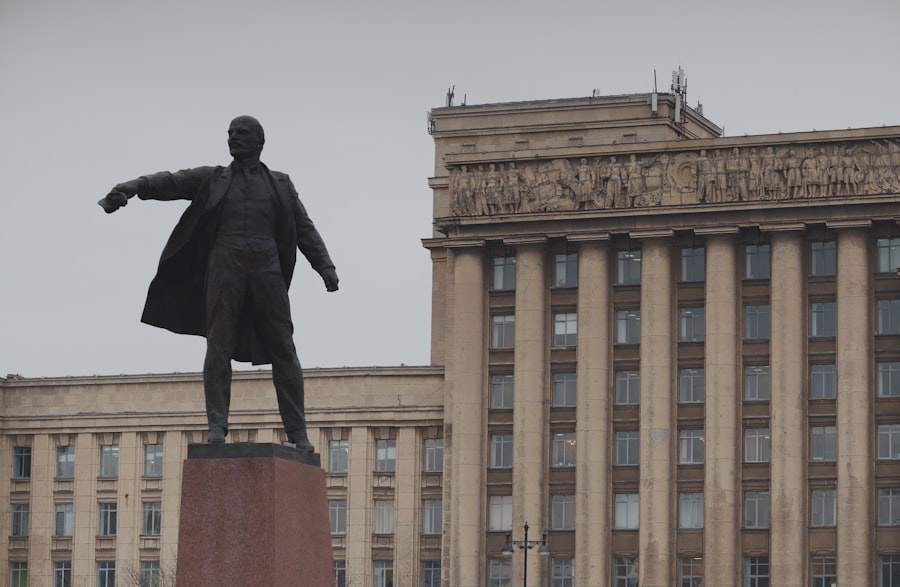
Political instability within the Soviet Union was both a symptom and a catalyst of its decline. The rigid structure of governance, dominated by the Communist Party, left little room for dissent or reform. As discontent grew among various segments of society, including intellectuals and workers, corruption became rampant within the political elite.
The disconnect between party officials and ordinary citizens fostered an environment where nepotism and bribery flourished, further eroding public trust in the government. The leadership struggles that emerged during this period also contributed to political instability. The death of Leonid Brezhnev in 1982 marked the beginning of a tumultuous era characterized by a series of short-lived leaders who struggled to address the mounting crises facing the nation.
Mikhail Gorbachev’s ascent to power in 1985 brought hopes for reform through his policies of glasnost (openness) and perestroika (restructuring). However, these initiatives inadvertently exposed the deep-seated issues within the system rather than resolving them. As political factions vied for power and influence, the lack of a coherent strategy led to further fragmentation within the party and society at large.
Nationalist Movements and Dissent
| Country | Nationalist Movement | Dissent Metrics |
|---|---|---|
| India | Bharatiya Janata Party (BJP) | Protests, Strikes |
| United States | Alt-right movement | Rallies, Online activism |
| Spain | Catalan independence movement | Referendums, Demonstrations |
As economic hardships intensified and political corruption became more pronounced, nationalist movements began to gain momentum across various Soviet republics. Ethnic groups that had long been suppressed under the centralized authority of Moscow started to assert their identities and demand greater autonomy. The Baltic states—Estonia, Latvia, and Lithuania—were at the forefront of this resurgence, organizing mass protests and advocating for independence from Soviet rule.
The rise of nationalism was not limited to the Baltic region; it resonated throughout Central Asia and Eastern Europe as well. In Ukraine, Georgia, and Armenia, among others, citizens rallied around their cultural heritage and historical grievances against Moscow’s dominance. These movements were fueled by a growing sense of disillusionment with the central government’s inability to address local needs and aspirations.
As nationalist sentiments swelled, they posed a direct challenge to the unity of the Soviet Union, further complicating an already precarious political landscape.
Military Overextension and Spending
The Soviet Union’s military ambitions played a significant role in its eventual downfall. Throughout its existence, the USSR maintained one of the largest military forces in history, driven by a desire to project power globally and counter perceived threats from Western nations. This military overextension came at a considerable cost, diverting resources away from essential domestic needs such as healthcare, education, and infrastructure development.
The arms race with the United States during the Cold War exacerbated these issues.
As funds were funneled into defense spending, public services deteriorated, leading to widespread dissatisfaction among citizens who felt neglected by their government.
The invasion of Afghanistan in 1979 further compounded these challenges; it became a protracted conflict that drained resources and morale while igniting anti-Soviet sentiments both domestically and internationally.
Ideological Stagnation and Inflexibility
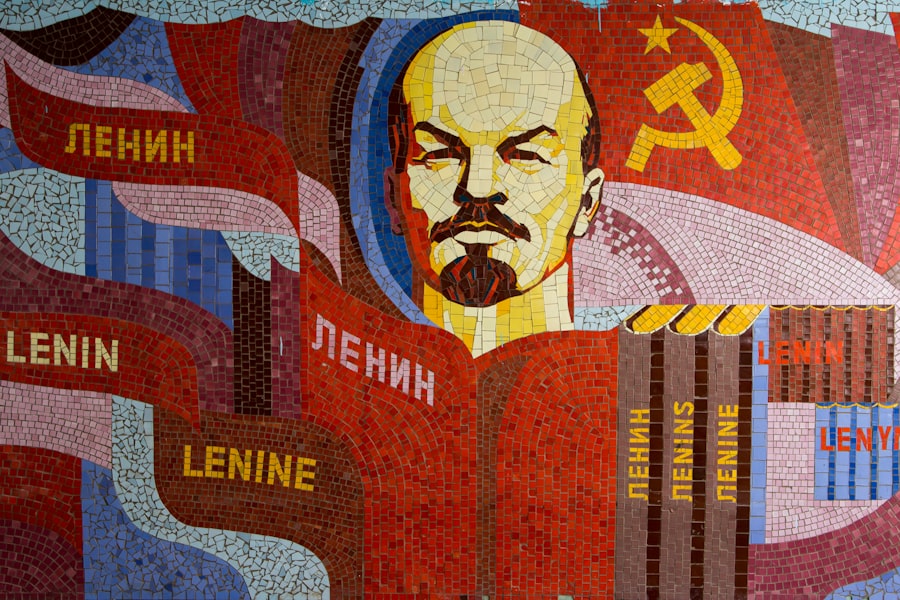
The ideological framework that underpinned the Soviet Union began to show signs of stagnation as early as the 1970s. The Marxist-Leninist doctrine that had once inspired revolutionary fervor became increasingly disconnected from the realities faced by ordinary citizens. As economic conditions worsened and political repression intensified, many began to question the validity of communist ideology itself.
Gorbachev’s attempts to revitalize this ideology through glasnost and perestroika were met with mixed reactions. While some welcomed these reforms as necessary steps toward modernization, others viewed them as threats to the established order. The inability of the Communist Party to adapt its ideology to changing circumstances led to a crisis of legitimacy.
As citizens sought alternative visions for their future—ranging from democratic governance to market-oriented reforms—the ideological inflexibility of the party became glaringly apparent.
Environmental Degradation and Resource Depletion
Environmental issues also played a critical role in undermining the stability of the Soviet Union. The relentless pursuit of industrialization came at a significant environmental cost, resulting in widespread pollution, deforestation, and resource depletion. The Aral Sea disaster serves as a stark example; once one of the largest lakes in the world, it has shrunk dramatically due to mismanaged irrigation projects that prioritized agricultural output over ecological sustainability.
The consequences of environmental degradation were not merely ecological; they had profound social implications as well. Communities dependent on natural resources faced dire consequences as their livelihoods were threatened by pollution and habitat destruction. Public health crises emerged as a result of contaminated water supplies and air pollution, further fueling discontent among citizens who felt betrayed by their government’s negligence regarding environmental stewardship.
International Pressure and Isolation
The geopolitical landscape during the late 20th century placed additional pressure on the Soviet Union as it faced increasing isolation from Western nations. The Cold War had entrenched divisions between East and West, with NATO countries actively working to contain Soviet influence around the globe. Economic sanctions imposed by Western powers further exacerbated existing economic challenges within the USSR.
Moreover, international events such as the fall of the Berlin Wall in 1989 symbolized a broader rejection of communist regimes across Eastern Europe. As countries like Poland transitioned toward democracy and market economies, they served as powerful examples for those within the Soviet Union who yearned for change. The inability of Soviet leadership to respond effectively to these external pressures only deepened feelings of isolation among its citizens.
Failed Reforms and Resistance to Change
Despite Gorbachev’s intentions to reform the system through glasnost and perestroika, these efforts often fell short due to resistance from entrenched interests within the Communist Party. Many party officials were reluctant to relinquish their power or embrace changes that threatened their status quo. This resistance stymied meaningful progress toward reforming both political structures and economic practices.
As public frustration mounted over failed reforms, protests erupted across various regions demanding greater freedoms and accountability from their leaders. The lack of coherent strategies for implementing change led to confusion among citizens about what direction their country should take. Instead of fostering unity around reform efforts, these failed initiatives contributed to further fragmentation within society as different factions emerged with competing visions for Russia’s future.
Leadership Crisis and Succession Struggles
The leadership crisis within the Soviet Union became increasingly pronounced during Gorbachev’s tenure as he struggled to maintain control over a rapidly changing political landscape. His attempts at reform alienated both hardliners who opposed any deviation from traditional communist principles and reformists who sought more radical changes than he was willing to implement. As Gorbachev’s popularity waned amid growing discontent over economic conditions and political instability, questions about succession loomed large.
The absence of a clear successor created uncertainty within both party ranks and among citizens who were eager for new leadership capable of addressing their grievances effectively. This vacuum allowed for competing factions within the Communist Party to vie for power while further destabilizing an already fragile system.
Legacy and Impact of the Soviet Union’s Demise
The legacy of the Soviet Union’s demise continues to resonate across global politics today. Its collapse not only reshaped Eastern Europe but also ushered in an era characterized by newfound independence for former Soviet republics seeking self-determination. Countries such as Ukraine, Georgia, and the Baltic states embarked on their journeys toward democracy while grappling with complex issues related to national identity and governance.
Furthermore, the end of communism in Eastern Europe prompted significant shifts in international relations as former adversaries sought cooperation rather than confrontation. The dissolution of NATO’s primary rival led many nations to reassess their security strategies while fostering new alliances based on shared interests rather than ideological divides. In conclusion, understanding the multifaceted factors that contributed to the Soviet Union’s demise provides valuable insights into contemporary geopolitical dynamics.
The interplay between economic decline, political instability, nationalist movements, military overextension, ideological stagnation, environmental degradation, international pressure, failed reforms, leadership crises—and ultimately—the legacy left behind serves as a reminder that no system is immune from change or collapse when faced with insurmountable challenges.
For a deeper understanding of the geopolitical implications of this breakup, you can read the article on the topic at In the War Room. This resource provides valuable insights into the historical context and the aftermath of the Soviet Union’s collapse, shedding light on how it reshaped international relations in the years that followed.
WATCH THIS! The War That Secretly Bankrupted An Empire: How Afghanistan Destroyed the USSR
FAQs
What led to the breakup of the Soviet Union?
The breakup of the Soviet Union was primarily caused by a combination of political, economic, and social factors. These included economic stagnation, political repression, nationalist movements in the republics, and the leadership of Mikhail Gorbachev, who introduced reforms that inadvertently weakened the central government.
When did the Soviet Union break up?
The Soviet Union officially broke up on December 26, 1991, when the leaders of Russia, Ukraine, and Belarus signed the Belavezha Accords, declaring the dissolution of the Soviet Union and establishing the Commonwealth of Independent States (CIS) in its place.
What were the consequences of the breakup of the Soviet Union?
The breakup of the Soviet Union had significant consequences, including the emergence of 15 independent countries, the end of the Cold War, the transition to market economies in the former Soviet republics, and the reconfiguration of global geopolitics.
How did the breakup of the Soviet Union affect its citizens?
The breakup of the Soviet Union had a profound impact on its citizens. Many experienced economic hardship, political instability, and social upheaval. Additionally, the breakup led to the displacement of ethnic minorities and the redefinition of national identities in the newly independent states.
What role did nationalism play in the breakup of the Soviet Union?
Nationalism played a significant role in the breakup of the Soviet Union. As the Soviet republics sought greater autonomy and independence, nationalist movements gained momentum, leading to the eventual dissolution of the union.