The Genesis of a Sole Survivor: The Papa Class Enigma
The annals of naval history are replete with tales of ambitious projects, technological leaps, and strategic gambles. Among these, the Soviet Union’s Papa class submarine, designated Project 1241 Molniya (Lightning), stands as a peculiar and ultimately solitary example of a revolutionary design that never saw widespread deployment. While its advanced capabilities promised a new era of underwater warfare, the harsh realities of Soviet economics and the exorbitant cost of its construction ultimately condemned this innovative vessel to a single existence. The story of the Papa class is not merely about a submarine; it is a microcosm of the broader challenges faced by the Soviet defense industry during the latter half of the 20th century, a testament to the intricate interplay between technological aspiration and fiscal constraint.
The construction of only one Papa class submarine, known as the largest submarine ever built, has intrigued naval historians and enthusiasts alike. This unique vessel, officially designated as K-222, was a product of Cold War-era innovation, but its singular existence raises questions about its design and operational viability. For a deeper understanding of the factors that led to the limited production of this remarkable submarine, you can read more in the article found at this link.
The Shadow of Necessity: Cold War Demands and Submarine Evolution
The Cold War, a period of intense geopolitical rivalry between the United States and the Soviet Union, fueled an unprecedented arms race. Both superpowers poured vast resources into developing increasingly sophisticated military hardware, with naval power, particularly submarine technology, occupying a central position. The Soviet Union, with its extensive coastline and a strategic imperative to project power and counter the formidable US Navy, placed a significant emphasis on its submarine fleet. This era witnessed the evolution of submarines from relatively simple diesel-electric craft to complex nuclear-powered behemoths, each generation pushing the boundaries of speed, stealth, and offensive capability.
The Quest for Speed and Stealth
Within this context of escalating technological competition, the Soviet design bureaus were tasked with creating submarines that could outmaneuver and outfight their Western counterparts. A key area of focus was achieving higher submerged speeds, which would enhance a submarine’s ability to engage targets, evade detection, and reposition rapidly. Traditional submarine designs, relying on propeller-driven propulsion, faced inherent limitations in achieving sustained high speeds. This spurred research into alternative propulsion systems that could overcome these obstacles.
Early Concepts and the Drive for Innovation
The genesis of what would become the Papa class can be traced back to a desire for a fast attack submarine capable of operating in the challenging waters of the Atlantic and Pacific. Several design concepts were explored throughout the 1960s and 1970s, each aiming to address specific tactical requirements. The paramount need was for a vessel that could quickly close with enemy task forces, launch its formidable missile armament, and then escape before being intercepted. This aggressive operational profile demanded a submarine with unparalleled speed and agility.
A Technological Leap: The Papa’s Revolutionary Design
The Papa class was not merely an incremental improvement on existing submarine designs; it represented a radical departure, incorporating technologies that were at the bleeding edge of naval engineering. The most striking and defining feature of the Papa class was its unique propulsion system, a testament to Soviet ingenuity and a significant departure from conventional submarine powerplants.
The Gas Turbine Engine: A Bold Choice
Instead of relying solely on traditional steam turbines or the more common (for the time) nuclear reactors for high-speed underwater transit, the Papa class was designed around a groundbreaking combination of gas turbine engines. These engines, typically found in aircraft and surface warships, offered the potential for immense power output and rapid acceleration, crucial for achieving the desired high speeds. The concept involved using gas turbines to drive the submarine’s propellers, enabling speeds significantly higher than those achievable by previous generations of Soviet submarines. This was a gamble, as the application of gas turbine technology to submarines was largely uncharted territory.
The “Molniya” Project: A Swift Striker
The Project 1241 designation, “Molniya,” directly translated to “Lightning,” perfectly encapsulated the intended operational profile of this submarine. It was conceived as a swift, agile hunter, designed to deliver a devastating strike and disappear. Its relatively small size compared to larger attack submarines of the era further contributed to this image of a rapid, elusive predator. The vessel was intended to carry a potent offensive armament, specifically designed to neutralize enemy surface vessels.
Armament and Operational Role
The Papa class was armed with a formidable array of anti-ship missiles, designed to overwhelm the defenses of modern warships. These missiles offered a significant threat to carrier battle groups and other high-value targets. The submarine’s operational role was envisioned as a high-speed interdictor, capable of rapidly deploying to intercept enemy fleets and launching a swift, decisive attack. This offensive focus, coupled with its speed, made it a unique proposition in the Soviet submarine arsenal.
The Staggering Price of Innovation: Economic Realities Bite
Despite the impressive technological advancements incorporated into the Papa class, the dream of a fleet of these revolutionary submarines was destined to remain just that – a dream. The Soviet Union, by the latter decades of its existence, was grappling with severe economic stagnation. The vast expenditures required to maintain its global military presence, coupled with inefficiencies in its centrally planned economy, placed immense strain on national resources. The Papa class, with its cutting-edge yet complex and expensive technology, became a victim of these economic realities.
The Unforeseen Costs of a Novel Design
Developing and constructing a submarine based on entirely new propulsion principles was inherently a costly undertaking. The gas turbine engines, while offering performance advantages, were more complex to manufacture and maintain than traditional systems. Furthermore, the integration of these engines into a submarine hull, requiring specialized engineering and rigorous testing, added significantly to the development costs. Each new technological element introduced potential for unforeseen problems and escalating expenses.
Production Challenges and Escalating Expenses
The Soviet shipbuilding industry, while capable of producing large numbers of submarines, faced challenges in adapting to the intricate demands of the Papa class. Sourcing specialized components, ensuring the quality of novel materials, and overcoming the inherent complexities of integrating the gas turbine system into the submarine’s structure all contributed to delays and cost overruns. Unlike more conventional submarine designs that benefited from established production lines and readily available parts, the Papa class required bespoke solutions at every turn, driving up the per-unit cost astronomically.
The Trade-off: Quality vs. Quantity
The Soviet military leadership was faced with a stark choice. The immense cost of producing a single Papa class submarine meant that building a fleet comparable in numbers to other Soviet submarine classes would be financially impossible. This presented a dilemma: a few highly capable but incredibly expensive submarines, or a larger number of less advanced but more affordable vessels. In an era of resource scarcity, the emphasis inevitably shifted towards quantity, as a larger, albeit less sophisticated, fleet offered a broader strategic reach and a greater deterrent effect. The Papa class, in its advanced singularity, was a luxury the Soviet economy could no longer afford.
The story of the Papa class submarine is a fascinating chapter in naval history, particularly because only one was ever constructed. This unique vessel, designed by the Soviet Union during the Cold War, was intended to showcase advanced technology and capabilities. However, its massive size and the complexities involved in its operation ultimately led to its singular existence. For a deeper understanding of the challenges and innovations behind this remarkable submarine, you can read more in this insightful article on naval technology.
The Solitary Sentinel: The Fate of Project 1241
| Factor | Description | Impact on Production |
|---|---|---|
| High Cost | The Papa class submarine featured advanced titanium hull construction, significantly increasing production costs. | Limited budget led to only one unit being built. |
| Technological Complexity | Use of cutting-edge technology and materials made manufacturing difficult and time-consuming. | Slowed production and discouraged mass production. |
| Strategic Shift | Changing naval strategies favored other submarine classes and missile systems. | Reduced priority for Papa class submarines. |
| Maintenance Challenges | Titanium hulls required specialized maintenance facilities and expertise. | Increased operational costs and complexity. |
| Cold War Context | End of Cold War reduced urgency for large-scale production of advanced submarines. | Decreased demand for multiple units. |
The economic constraints, coupled with the inherent challenges of the Papa’s groundbreaking design, led to a definitive decision: only one submarine of this class would ever be built. This solitary vessel, bearing the hull number K-123, would become a testament to Soviet ambition and a stark reminder of its economic limitations.
K-123: The Sole Survivor
K-123 was commissioned and entered service in the Soviet Navy. While it undoubtedly possessed the impressive speed and firepower envisioned by its designers, its existence as a lone wolf meant it could not fulfill the strategic goals of a class-based deployment. It operated as a unique asset, perhaps used for testing and evaluation of its advanced systems, or as a specialized deterrent in a particular operational area. However, its lack of sister ships severely limited its potential impact on the overall balance of naval power.
Operational Limitations of a Lone Vessel
A single submarine, no matter how advanced, cannot provide the sustained presence or the overwhelming offensive capability that a class of vessels can. Without the ability to deploy multiple units in coordinated operations, or to replace a lost vessel, the strategic value of a single advanced submarine is significantly diminished. The Papa class, therefore, remained an anomaly, a technological marvel that could not be replicated on a meaningful scale.
Legacy of a Missed Opportunity
The Papa class submarine serves as a poignant case study in the challenges of military innovation. It demonstrates the inherent risks and rewards of pushing technological boundaries. While the design itself was a bold step forward, the economic realities of the Soviet Union ultimately prevented its full realization. The legacy of the Papa class is one of unrealized potential, a testament to a visionary design that was ultimately grounded by the harsh realities of budget constraints. It stands as a symbol of how even the most brilliant engineering can be stifled by the imperative of economic viability, a lesson that resonates far beyond the confines of naval warfare.
Lessons Learned: The Enduring Significance of the Papa Class
The story of the Papa class submarine, while ending with a single vessel, offers enduring lessons for military strategists, engineers, and policymakers. It highlights the critical interplay between technological ambition and economic feasibility, a constant tension in the development of any advanced military capability.
The Peril of Cost-Prohibitive Technology
The Papa class serves as a stark reminder that revolutionary technology, while desirable, must be economically sustainable. The Soviet Union’s inability to mass-produce its most advanced submarine design underscores the danger of investing heavily in systems that are too expensive to field in significant numbers. This principle extends beyond submarines to all forms of military hardware, where a balance must be struck between cutting-edge capabilities and the ability to equip and maintain a viable fighting force.
The Importance of Strategic Proportionality
The decision to build only one Papa class submarine also speaks to the concept of strategic proportionality. While individual units of exceptional capability can have their place, a broader strategic vision often requires a more distributed and numerous force. The Soviet Union’s decision, driven by economic necessity, implicitly acknowledged that a larger, albeit less advanced, fleet offered greater strategic utility than a single, ultra-advanced vessel. This highlights the need for careful consideration of the desired operational outcomes when allocating resources to military procurement.
A Glimpse into Soviet Naval Aspirations
Despite its ultimate failure to achieve widespread deployment, the Papa class offers a fascinating glimpse into the ambitious aspirations of the Soviet Navy during the Cold War. It represented a clear desire to challenge the technological dominance of the United States and to develop unique capabilities that could provide a strategic edge. The sheer audacity of the design, particularly its gas turbine propulsion, speaks volumes about the innovative spirit within Soviet military research and development, even amidst its economic struggles. The Papa class, as a singular, silent testament, continues to intrigue naval enthusiasts and historians alike, a complex legacy forged in the crucible of ambition and economic reality.
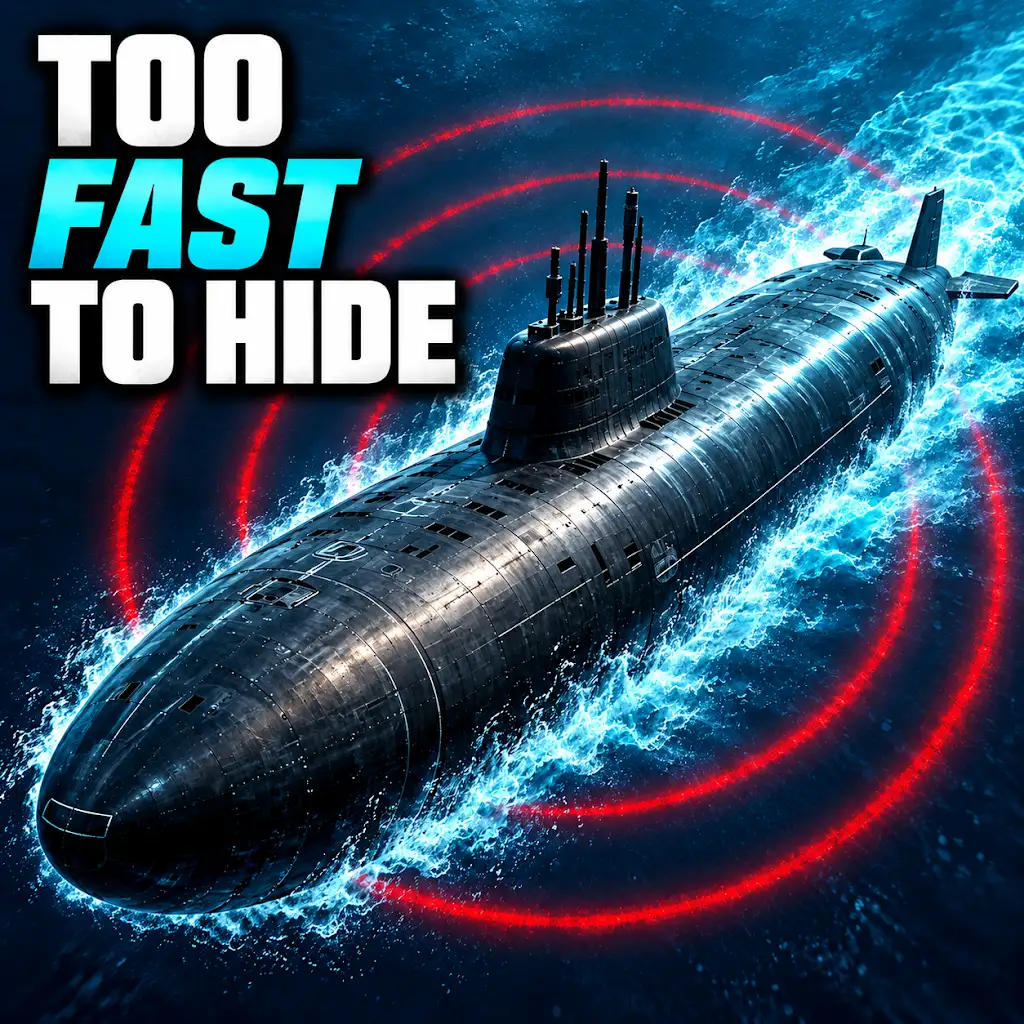
The Soviet Submarine That Broke a Speed Record—and Its Own Stealth
FAQs
1. Why was only one Papa class submarine built?
The decision to build only one Papa class submarine was due to budget constraints and changing priorities within the Navy.
2. What were the specifications of the Papa class submarine?
The Papa class submarine was designed to be 325 feet long, displace 2,500 tons, and be powered by a nuclear reactor.
3. What was the intended purpose of the Papa class submarine?
The Papa class submarine was intended to serve as a test platform for new technologies and design concepts for future submarine classes.
4. What were some of the unique features of the Papa class submarine?
The Papa class submarine featured a teardrop-shaped hull, advanced sonar systems, and improved stealth capabilities compared to previous submarine designs.
5. What impact did the construction of the Papa class submarine have on future submarine development?
While only one Papa class submarine was built, the lessons learned from its design and construction influenced the development of subsequent submarine classes, leading to advancements in technology and capabilities.