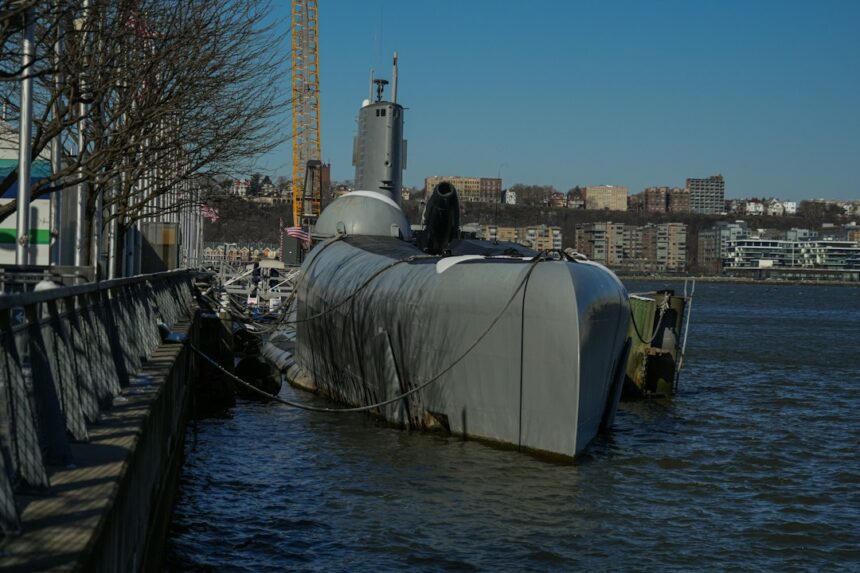
The Soviet Union, a titan of the Cold War, poured immense resources into its submarine fleet, viewing it as a cornerstone of its naval power and a critical deterrent. Yet, beneath the gleaming hulls and the formidable reputation lay a persistent Achilles’ heel: the challenge of obtaining and working with titanium. This article delves into the intricate woes of Soviet submarine construction, focusing on the persistent and pervasive problems that plagued their pursuit of titanium-hulled vessels.
The Allure and Ambition of Titanium Hulls
The allure of titanium for submarine construction was undeniable. Its exceptional strength-to-weight ratio offered the promise of deeper diving capabilities and greater operational stealth. Unlike steel, titanium is inherently resistant to corrosion, particularly in saltwater environments, reducing maintenance burdens and extending the lifespan of critical components. For a navy operating on a global scale and facing an equally advanced adversary, these advantages were not merely desirable; they were considered essential for maintaining a strategic edge.
Strategic Imperatives and the Race for Depth
The Cold War was, in many respects, a contest of technological superiority. For naval powers, this often translated into a relentless pursuit of enhanced submarine performance. The ability to operate at greater depths offered several tactical advantages. It provided a larger operational volume, making submarines harder to detect and track by sonar. Deeper dives also allowed submarines to evade anti-submarine warfare (ASW) efforts, which were often less effective at extreme pressures. Furthermore, deeper diving submarines could potentially carry larger and more potent weapon payloads, increasing their offensive capabilities. The Soviet Union, driven by a desire to match and surpass the United States Navy, saw titanium as the key to unlocking these strategic imperatives. The ambition was not just to build submarines, but to build submarines that could venture where others could not, operating with an unprecedented level of impunity. This ambition, however, was about to collide with harsh realities.
The Promise of a Stealthier Fleet
Stealth was another paramount consideration in submarine design. The development of increasingly sophisticated sonar systems by both sides meant that the ability to minimize one’s acoustic signature was crucial for survival. Titanium, with its non-magnetic properties and potential for smoother hull surfaces compared to some steel alloys, offered the theoretical promise of a quieter submarine. Reduced magnetic signature could thwart magnetic anomaly detection (MAD) systems, while a more hydrodynamic hull could minimize flow noise. The Soviet Union recognized that a stealthier submarine fleet would be a more effective fleet, capable of clandestine operations, intelligence gathering, and projecting power with a reduced risk of detection and engagement. The dream was to create submarines that were ghosts in the ocean, appearing and disappearing without a trace, a prospect that sent shivers down the spines of Western naval strategists.
The challenges faced during the construction of Soviet titanium submarines have been a topic of significant interest among military historians and engineers alike. These issues, ranging from material shortages to design flaws, have been thoroughly examined in various articles. For a more in-depth analysis of these construction problems and their implications on submarine warfare, you can read the related article at this link.
The Daunting Challenge of Titanium Production
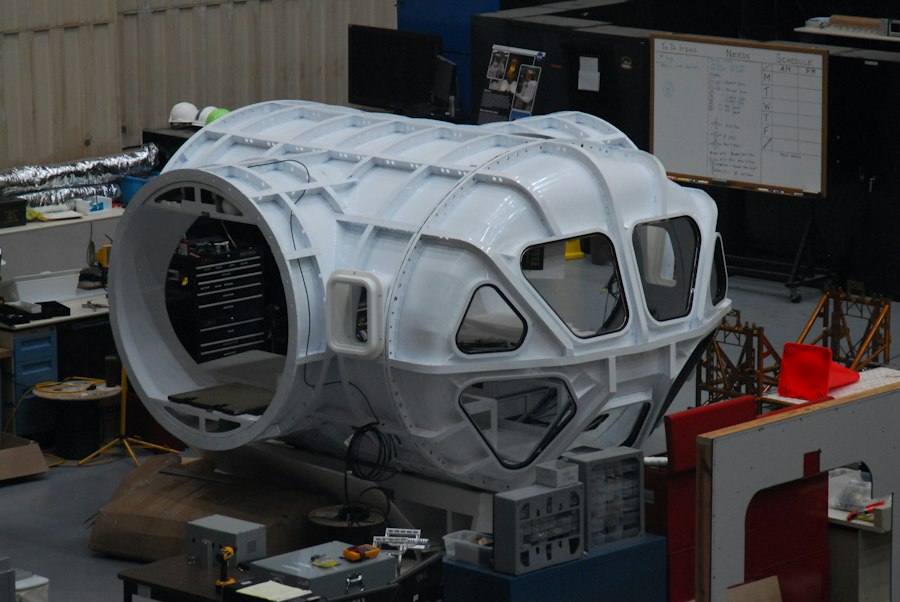
Despite the compelling advantages, the Soviet Union faced immense hurdles in producing and procuring the vast quantities of high-quality titanium required for its ambitious submarine projects. The inherent difficulties in working with this exotic metal, coupled with systemic inefficiencies within the Soviet industrial complex, created a cascade of problems that would plague their efforts for decades.
Sourcing and Refining: A Metal of Mystery
Titanium is not an easily extracted or refined metal. Its ore, ilmenite and rutile, is abundant, but the process of separating the titanium metal from its oxides is complex and energy-intensive. The Soviet Union, while possessing significant titanium reserves, lacked the advanced refining technologies that were becoming standard in the West. The Kroll process, the primary method for producing titanium sponge, was notoriously difficult to scale up and control effectively. Achieving the necessary purity for military applications, free from detrimental impurities like oxygen, nitrogen, and carbon, was a constant struggle. These impurities could significantly degrade titanium’s strength and ductility, rendering it unsuitable for the demanding stresses of deep-sea operations. This meant that even when they could produce titanium, its quality was often suspect, leading to further complications down the line. The sheer effort and expense involved in acquiring and refining titanium meant that it was a precious commodity, used sparingly and with immense difficulty.
Metallurgy and Manufacturing: A Malleable Problem
Working with titanium presents unique metallurgical challenges. It has a high melting point and a propensity to react with atmospheric gases at elevated temperatures, making welding and forging difficult. Special techniques, including vacuum welding and inert gas shielding, are essential to prevent contamination and ensure the integrity of the metal. The Soviet Union’s industrial infrastructure, while vast, was often characterized by older technologies and a less precise approach to manufacturing. Implementing and maintaining the sophisticated equipment and stringent process controls required for titanium fabrication proved to be a significant undertaking. The specialized knowledge and skilled workforce necessary for working with such an advanced material were also not as readily available as needed. This resulted in delays, defects, and a higher rejection rate for components, further exacerbating the production bottlenecks.
The Ghosts of Defects: Failures and Frustrations
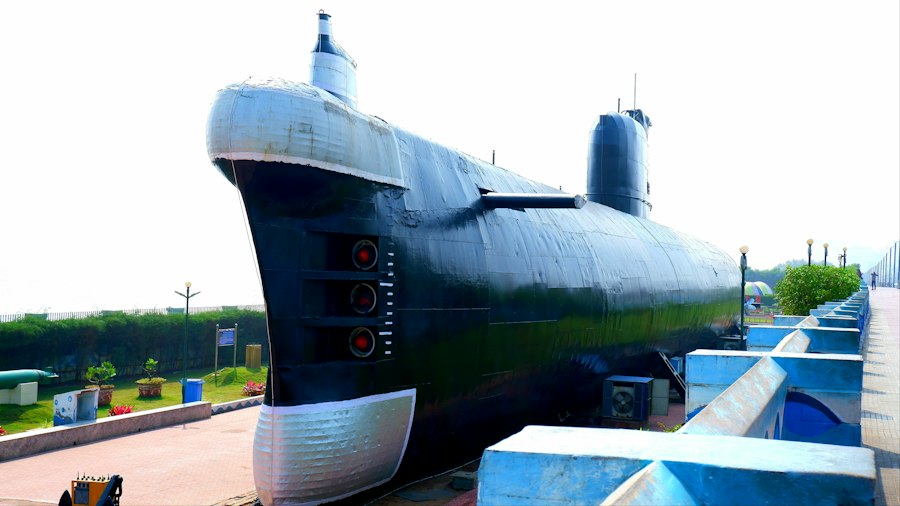
The inherent difficulties in producing and working with titanium inevitably led to a pattern of defects and failures in Soviet submarine construction. These were not isolated incidents but rather systemic issues that cast a long shadow over the perceived invincibility of their submarine fleet.
Hull Integrity: The Cracks Beneath the Surface
The most critical application of titanium in submarines was for the pressure hull, the primary structure designed to withstand the immense external pressure of the deep ocean. Any compromise in hull integrity could lead to catastrophic implosion. Reports and analyses of Soviet titanium submarines, particularly those built during the height of the program, often pointed to a higher incidence of micro-fractures, welding defects, and material fatigue compared to their Western counterparts. The challenges in ensuring consistent material quality and executing flawless welds meant that the titanium hulls, while theoretically superior, were often more vulnerable to stress and aging. The constant pressure of the deep sea, combined with the stresses of operational maneuvers, could exploit even the smallest imperfections, leading to a gradual degradation of the hull’s structural integrity. This was a particularly chilling prospect given the enormous human cost of any such failure.
Component Failures: A Chain Reaction of Issues
Beyond the hull, titanium was also intended for use in various critical components, such as propeller shafts, missile tubes, and reactor components. The same production and metallurgical challenges that plagued hull construction also affected these vital parts. A faulty titanium shaft could lead to catastrophic mechanical failure, while a compromised missile tube could have disastrous consequences during a launch. These component failures not only compromised the operational readiness of the submarines but also necessitated costly and time-consuming repairs. The interconnectedness of submarine systems meant that a failure in one titanium component could potentially cascade into other problems, leading to a cycle of repairs and replacements that drained resources and operational availability. The sheer number of these failures, often kept from public view, represented a significant drain on the Soviet Navy’s resources and morale.
The Economic and Strategic Trade-offs
The pursuit of titanium submarines came at a tremendous economic and strategic cost. The immense resources diverted to this specialized program meant that other vital areas of military and civilian development were often neglected. Furthermore, the persistent problems with titanium production and quality raised questions about the strategic wisdom of such an intensive focus.
A Bottomless Pit of Rubles and Resources
The production of titanium and its fabrication into submarine components was an enormously expensive undertaking. The specialized facilities, energy-intensive processes, and stringent quality control required for high-grade titanium demanded significant capital investment and ongoing operational costs. These expenditures diverted vast sums of money and valuable industrial capacity away from other critical sectors of the Soviet economy and military. Analysts have suggested that the resources poured into the titanium submarine program could have been better utilized in developing other naval capabilities, such as advanced conventional submarines, anti-submarine warfare assets, or surface fleet modernization. The Soviet Union, already struggling with economic inefficiencies, found itself in a perpetual struggle to fund this ambitious but ultimately problematic endeavor. The constant need to justify these massive expenditures likely put immense pressure on defense planners and political leaders.
The Shadow of Doubt on Strategic Value
While the theoretical advantages of titanium submarines were significant, the practical challenges and recurring failures cast a long shadow of doubt over their ultimate strategic value. The submarines were often plagued by operational limitations, extended repair periods, and a perceived higher risk of catastrophic failure. This meant that their actual deployment and operational effectiveness might have been considerably lower than intended. Furthermore, the considerable investment in titanium technology might have blinded Soviet strategists to potentially more cost-effective and reliable alternatives. The focus on a single, albeit technologically advanced, solution may have led to a neglect of broader strategic considerations and a failure to adapt to evolving threats and opportunities. The very prestige project designed to ensure naval supremacy ultimately became a symbol of the systemic challenges that hobbled Soviet technological ambition. The pursuit of a superior weapon system, marred by internal contradictions, ultimately proved to be a costly lesson in the complexities of advanced industrial development.
The challenges faced during the construction of Soviet titanium submarines have been a topic of interest for many historians and military analysts. These issues not only impacted the efficiency of the submarine program but also raised questions about the technological capabilities of the Soviet Union during the Cold War. For a deeper understanding of these construction problems and their implications, you can read a related article that provides insights into the complexities involved in submarine design and manufacturing. For more information, visit this article.
The Legacy of Titanium Troubles
| Issue | Description | Impact on Construction | Mitigation Efforts |
|---|---|---|---|
| Material Procurement | Difficulty sourcing high-quality titanium alloy suitable for submarine hulls | Delays in production schedules and increased costs | Development of domestic titanium production facilities and recycling programs |
| Welding Technology | Challenges in welding titanium due to its reactivity and need for inert atmosphere | Structural weaknesses and increased risk of hull failure | Investment in specialized welding equipment and training of skilled welders |
| Manufacturing Complexity | High precision required for titanium hull fabrication and assembly | Extended construction times and higher labor costs | Implementation of advanced machining techniques and quality control processes |
| Corrosion Resistance Issues | Unexpected corrosion in certain seawater conditions despite titanium’s general resistance | Need for additional protective coatings and maintenance | Research into improved coatings and hull design modifications |
| Cost Overruns | Overall expenses significantly higher than steel submarine counterparts | Budget constraints limiting the number of submarines built | Government subsidies and prioritization of strategic projects |
The Soviet Union’s journey with titanium submarines was a complex and ultimately cautionary tale. While they achieved some notable successes and built some formidable vessels, the persistent challenges associated with titanium production and utilization left an indelible mark on their naval history. The legacy of these “titanium troubles” continues to inform our understanding of Cold War technological competition and the intricate interplay between ambition, resources, and industrial capability.
Lessons Learned and the Future of Naval Materials
The Soviet experience with titanium provided valuable, albeit hard-won, lessons for naval material science and engineering. The difficulties encountered highlighted the critical importance of understanding the full lifecycle of advanced materials, from extraction and refining to fabrication and long-term operational performance. The emphasis on achieving absolute purity and meticulous process control in titanium working, though challenging for the Soviets, ultimately became industry standards. For future naval construction, the lessons learned from the Soviet titanium program underscored the need for a balanced approach, carefully weighing the theoretical advantages of exotic materials against the practicalities of production, cost, and reliability. The pursuit of lighter, stronger, and stealthier materials continues, but with a more informed and cautious approach, informed by the hard-won experiences of the past.
The Enduring Enigma of the Red Star’s Submarines
Despite the persistent problems, the Soviet Union did manage to deploy a number of titanium-hulled submarines, some of which were remarkably capable and instilled considerable fear in their adversaries. Vessels like the Alfa-class, despite their operational quirks, were renowned for their incredible speed and depth capabilities, largely thanks to their titanium construction. These submarines remain an enduring enigma of the Cold War, testaments to Soviet ingenuity and their relentless pursuit of technological parity, even in the face of daunting obstacles. Their very existence, despite the production woes, represented a significant challenge to Western naval planners and underscored the sheer determination and resourcefulness of the Soviet military-industrial complex. The story of Soviet titanium submarines is a reminder that even the most ambitious technological dreams can be hampered by fundamental industrial and metallurgical realities, a lesson that resonates far beyond the context of the Cold War.
The Soviet Submarine That Broke a Speed Record—and Its Own Stealth
FAQs
What were some of the construction problems faced during the building of Soviet titanium submarines?
Some of the construction problems faced during the building of Soviet titanium submarines included the high cost of titanium, difficulties in welding the metal, and challenges in working with the material’s unique properties.
Why did the Soviet Union choose to use titanium for submarine construction?
The Soviet Union chose to use titanium for submarine construction due to its high strength-to-weight ratio, corrosion resistance, and ability to withstand extreme pressures at great depths.
How did the high cost of titanium impact the construction of Soviet submarines?
The high cost of titanium significantly impacted the construction of Soviet submarines, leading to budget overruns and delays in production. This ultimately limited the number of titanium submarines that were built.
What were some of the challenges faced in welding titanium during submarine construction?
Welding titanium during submarine construction presented challenges due to the metal’s high reactivity with oxygen, which can lead to contamination and weakened welds. Specialized welding techniques and equipment were required to overcome these challenges.
What were the unique properties of titanium that made it suitable for submarine construction?
Titanium’s unique properties, such as its high strength-to-weight ratio, corrosion resistance, and ability to withstand extreme pressures, made it an ideal material for submarine construction, especially for deep-sea operations.