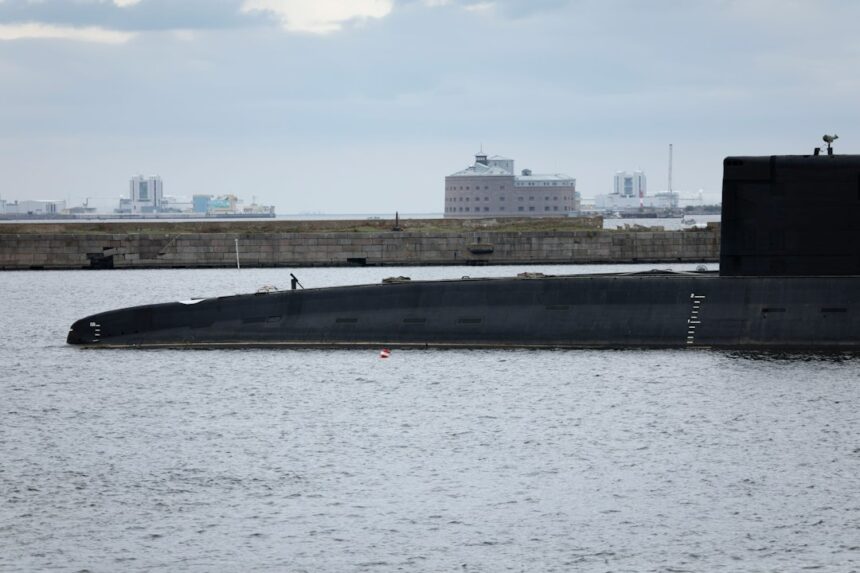
Project 661, codenamed “Anchar” by NATO, represented a bold and ambitious leap in Soviet submarine design, a departure from the conventional and a stark embodiment of the Cold War arms race. This class of nuclear-powered cruise missile submarines, specifically the lead ship K-171 (later designated KS-171), was conceived as a high-speed, high-survivability platform designed to penetrate Western naval defenses and deliver a devastating strike against aircraft carrier battle groups. The project was not merely about building a submarine; it was about pushing the boundaries of naval engineering, grappling with unprecedented technological challenges, and ultimately, creating a weapon system that, while formidable, also served as a cautionary tale of cost and complexity.
The genesis of Project 661 lay in the mid-1950s, a period of intense naval development for both the United States and the Soviet Union. The US Navy was rapidly advancing its carrier aviation capabilities, and the Soviet Union recognized the existential threat these powerful battle groups posed to its coastline and naval operations. The traditional Soviet submarine doctrine, focused on anti-shipping warfare and torpedo attacks, was deemed insufficient to counter the sheer destructive power of a carrier strike force. A new paradigm was needed, one that could project power deep into enemy territory and neutralize these vital assets. This led to the concept of a submarine armed with anti-ship cruise missiles, capable of overwhelming defensive screens and striking from unexpected vectors.
The Quest for Unprecedented Speed and Stealth
The core design philosophy behind Project 661 was speed. The architects envisioned a submarine that could outrun virtually any contemporary escort vessel, making it incredibly difficult to track and attack. This pursuit of speed, however, came with immense technical hurdles, particularly in the realm of propulsion and hull design.
Hydrodynamic Innovations and the Titanium Hull
Achieving the target speed of over 40 knots demanded a radical departure from traditional submarine hull forms. Instead of the familiar cigar shape, Project 661 submarines were designed with a streamlined, almost torpedo-like hull, optimized for high-speed hydrodynamics. This included a single propeller driven by an incredibly powerful propulsion system. The sheer forces generated at these speeds necessitated the use of advanced materials.
The decision to construct the pressure hull from titanium was perhaps the most audacious and defining characteristic of Project 661. Titanium alloys offer a superior strength-to-weight ratio compared to steel, allowing for a lighter and stronger hull. This was crucial for achieving the desired speed, as a lighter submarine requires less power to accelerate and maintain velocity. Furthermore, titanium’s non-magnetic properties offered a significant advantage in reducing the submarine’s magnetic signature, a key factor in evading magnetic anomaly detection (MAD) systems. However, working with titanium presented immense challenges. It was significantly more expensive to mine, refine, and fabricate than steel. Welding titanium required specialized techniques and environments to prevent contamination, and the overall manufacturing process was complex and labor-intensive. This contributed significantly to the project’s soaring costs and extended construction timelines. The dual-hull design, common in Soviet submarines, was retained, with the titanium pressure hull housed within a lighter outer hull. This outer hull was designed to be hydrodynamically efficient and also housed ballast tanks and various external equipment.
The Power Behind the Speed: Advanced Nuclear Propulsion
To propel such a hull to the unprecedented speeds envisioned, a powerful and sophisticated nuclear propulsion system was required. Project 661 submarines were equipped with two VM-5 nuclear reactors, a significant upgrade from earlier Soviet designs. These reactors were designed to deliver a massive amount of power, capable of generating the sustained thrust needed for speeds exceeding 40 knots.
The engineering challenges associated with integrating these high-power reactors into the submarine’s compact hull were immense. Managing the heat generated by the reactors, ensuring adequate cooling, and maintaining silence at high power settings were critical concerns. The Soviet engineers also sought to minimize the noise signature, a constant battle for any submarine, especially one designed for high-speed operations. While the titanium hull and advanced design helped with stealth, the sheer power of the propulsion system, even with extensive noise reduction measures, remained a potential vulnerability. The propellers themselves were also a subject of intense development, with the goal of maximizing thrust while minimizing cavitation – the formation of vapor bubbles that can create significant noise.
The Soviet cruise missile submarine Project 661, also known as the “Papa” class, represents a significant advancement in naval warfare technology during the Cold War era. For a deeper understanding of its design, capabilities, and the strategic implications it had on naval power dynamics, you can explore a related article that delves into the intricacies of this remarkable submarine. Check it out here: Soviet Cruise Missile Submarines: A Historical Overview.
The Anchar’s Deadly Payload: Cruise Missiles as the Primary Weapon
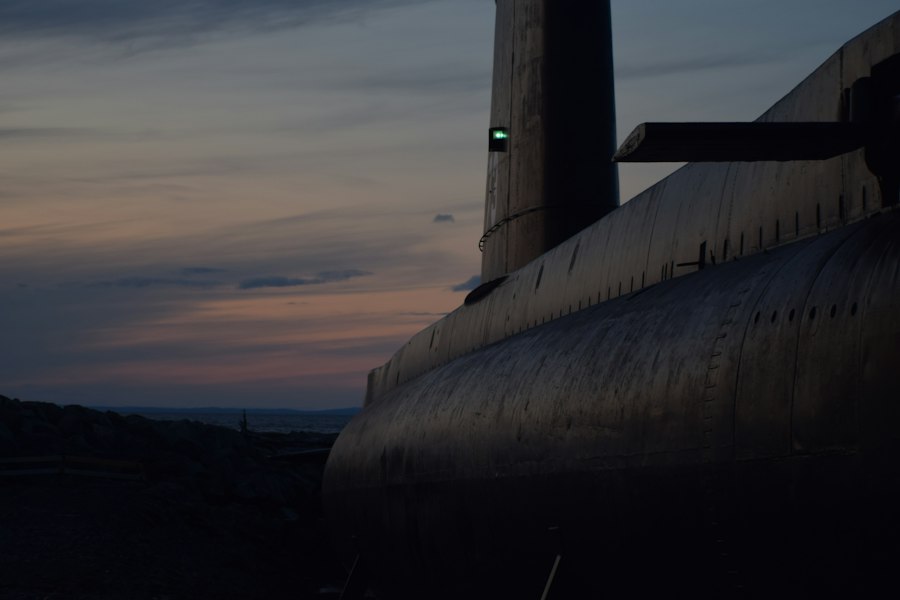
The raison d’être for Project 661 was its formidable cruise missile armament. Unlike previous Soviet submarines that relied primarily on torpedoes, the Anchar was designed from the keel up to carry and launch a large number of anti-ship cruise missiles, capable of engaging multiple targets at extended ranges.
The P-70 Ametist Missile System
The primary weapon system for Project 661 was the P-70 “Ametist” (NATO reporting name SS-N-12 Sandbox). This supersonic anti-ship missile was a significant technological leap for the Soviet Navy. It was designed to be launched from submarines submerged at depth, a capability that offered a crucial element of surprise. The P-70 was a large missile, measuring approximately 10 meters in length and weighing around 4 tons. It was powered by a ramjet engine, which allowed it to achieve high speeds – around Mach 2.5 – making it difficult for enemy defenses to intercept.
The guidance system for the P-70 was a two-stage process. Initially, the missile would be guided by inertial navigation to the general target area. Once in proximity, a radar seeker in the missile’s nose would acquire the target, and the missile would then perform terminal maneuvers to home in on the designated vessel. The P-70 carried a substantial warhead, designed to inflict catastrophic damage on even the largest warships, particularly aircraft carriers. The Anchar submarine carried 12 of these missiles, housed in individual launch tubes that angled upwards from the hull. The loading and firing sequence was complex and required precise timing, especially when operating at high speeds. The need to accommodate these large missile tubes significantly influenced the overall hull design.
Strategic Implications and Countermeasures
The introduction of the Project 661 submarines, with their potent cruise missile capability, presented a significant strategic challenge to NATO navies. The ability to launch a coordinated missile attack from a submerged platform, capable of outpacing escort vessels, threatened to overwhelm existing air and missile defense systems designed to protect carrier battle groups. The sheer volume of missiles and their speed made interception a difficult proposition.
NATO responded to this perceived threat with a multi-pronged approach. Intelligence gathering efforts were intensified to understand the capabilities and deployment patterns of these new submarines. Defensive systems on warships were upgraded to improve their ability to detect and engage high-speed missiles. Furthermore, ASW (anti-submarine warfare) tactics and technologies were refined, focusing on identifying and tracking submarines even at high speeds. The development of advanced sonar systems, airborne sensors, and specialized torpedoes were all influenced by the need to counter the threat posed by Project 661. The existence of these submarines also spurred the development of more robust anti-ship missile systems by NATO, leading to a continuous cycle of innovation and counter-innovation throughout the Cold War.
Operational Realities and the Project’s Limitations
Despite the impressive technological achievements and formidable offensive capabilities, Project 661 submarines faced significant operational challenges and ultimately proved to be a costly and somewhat impractical endeavor for the Soviet Navy.
The Soviet cruise missile submarine Project 661, also known as the “Papa” class, represents a significant advancement in naval warfare technology during the Cold War era. This submarine was designed to carry nuclear-capable cruise missiles, enhancing the Soviet Union’s strategic deterrent capabilities. For a deeper understanding of the implications of such military innovations, you can explore a related article that discusses the broader impact of submarine technology on modern warfare. To read more about this fascinating topic, visit this article.
Construction, Cost, and Crew Challenges
The inherent complexities of Project 661 led to exorbitant costs and lengthy construction periods. The use of titanium, the sophisticated propulsion systems, and the intricate missile launch mechanisms all contributed to a price tag that far exceeded initial estimates. The lead submarine, K-171, took an exceptionally long time to complete, undergoing numerous modifications and refinements during its construction.
Beyond the financial burden, the operational demands placed on the crew were also considerable. Operating a submarine at sustained high speeds required constant attention and a high level of skill. The noise generated by the propulsion system, even with mitigation efforts, meant that maintaining stealth at these speeds was a difficult balancing act. The early operational experience also highlighted issues with reliability and maintenance, particularly concerning the complex missile systems and the novel propulsion machinery. The sheer power output of the reactors meant that managing thermal loads and ensuring safety in a confined space was a constant concern for the engineering crews.
The Single Ship Dilemma and Project Discontinuation
Ultimately, Project 661 only produced one operational submarine, the K-171 (later KS-171). While a second hull was laid down, it was eventually canceled. The immense cost, the technical difficulties encountered, and the perceived obsolescence of certain design elements in the face of rapidly evolving naval technology led the Soviet Navy to reconsider the project.
The advantages offered by the high speed and missile armament were, in many ways, offset by the operational drawbacks and the cost. The Soviet Navy began to favor more cost-effective and multi-role submarine designs, such as the Project 670 (Charlie-class) and Project 671 (Victor-class) submarines, which offered a better balance of capabilities and affordability. The single Project 661 submarine served with the Northern Fleet, undertaking patrols and exercises, but it remained an outlier, a testament to a particular vision of naval warfare that, while innovative, proved unsustainable. Its operational life was relatively short, and it was eventually decommissioned and scrapped, a silent monument to a chapter in submarine development that pushed the envelope of what was technically possible but also illustrated the practical limitations of extreme technological ambition.
Legacy and Impact on Submarine Warfare
The story of Project 661 is more than just the tale of a single, expensive submarine. It represents a pivotal moment in the evolution of submarine design and a significant factor in the strategic calculations of the Cold War.
A Catalyst for Innovation in ASW and Naval Weapons
The very existence of the Project 661 submarines, with their unprecedented speed and potent missile armament, served as a powerful catalyst for innovation in both offensive and defensive naval technologies. The threat posed by the Anchar class spurred considerable investment in anti-submarine warfare (ASW) research and development. Improved sonar arrays, advanced torpedo designs, and more sophisticated airborne surveillance platforms were all partly driven by the need to counter such a formidable enemy.
Conversely, the cruise missile technology pioneered in Project 661 influenced the development of subsequent Soviet submarine-launched cruise missile (SLCM) systems. While the P-70 was unique to the Anchar, its success in demonstrating the potential of submerged missile launches paved the way for later, more versatile, and widely deployed SLCMs. The experience gained in high-speed hull design and titanium construction, though expensive, also contributed to the broader knowledge base of naval engineering, influencing future Soviet and even international submarine designs.
A Symbol of the Arms Race’s Extremes
Project 661 stands as a potent symbol of the sheer ambition and often extravagant nature of the Cold War arms race. It exemplified the willingness of both superpowers to pour vast resources into developing cutting-edge, and sometimes impractical, military technologies in pursuit of strategic advantage. The Anchar represented a bet on a specific type of naval warfare – the deep penetration strike against carrier battle groups – a bet that, in the end, proved too costly and too specialized for widespread adoption.
While the Project 661 submarine itself was an operational dead end in terms of mass production, its conceptual contributions and the technological hurdles it attempted to overcome left an indelible mark. It demonstrated the potential of high-speed, missile-armed submarines, a concept that would continue to be refined and explored in various forms by navies around the world. The Anchar, the Anchar submarine, the Soviet cruise missile submarine, Project 661, the Titanium Submarine, the SS-N-12 Sandbox, K-171, KS-171, high-speed submarine, naval engineering, Cold War arms race, anti-ship cruise missile, nuclear propulsion, titanium hull, P-70 Ametist, NATO reporting name, anti-submarine warfare, SLCM. The legacy of Project 661 is not solely in its operational successes, which were limited, but in its daring vision and the technological frontiers it pushed, however briefly, on the silent, unforgiving ocean depths. It serves as a stark reminder of the intricate interplay between technological aspiration, strategic imperatives, and the often harsh realities of economics and practicality in the relentless pursuit of military superiority.
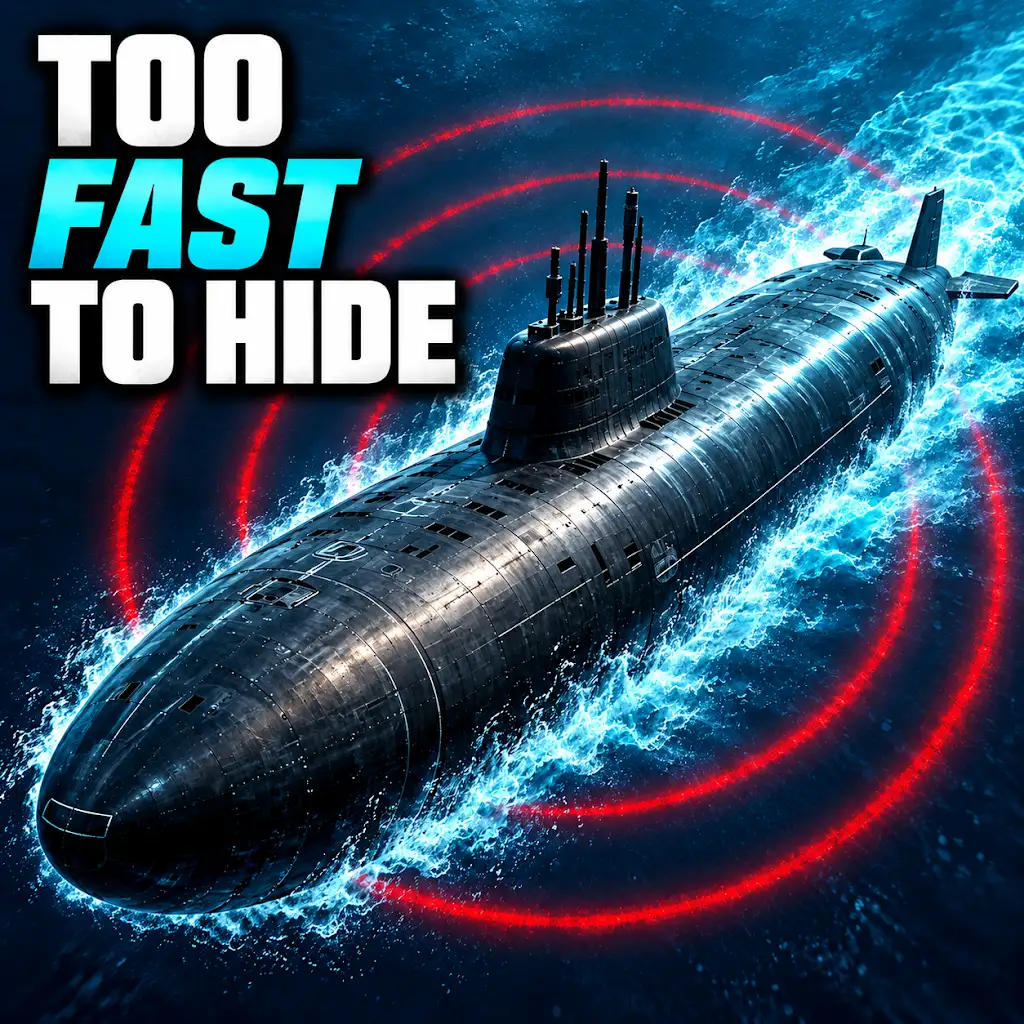
The Soviet Submarine That Broke a Speed Record—and Its Own Stealth
FAQs
What was Soviet cruise missile submarine Project 661?
Project 661, also known as the “Papa-class” submarine, was a class of Soviet nuclear-powered cruise missile submarines built during the Cold War.
When were the Soviet cruise missile submarines of Project 661 built?
The Soviet cruise missile submarines of Project 661 were built in the 1960s and 1970s.
How many submarines were built as part of Project 661?
A total of four submarines were built as part of Project 661: K-222, K-123, K-324, and K-131.
What was the primary purpose of the Soviet cruise missile submarines of Project 661?
The primary purpose of the Soviet cruise missile submarines of Project 661 was to carry and launch long-range cruise missiles against enemy targets.
What was unique about the Soviet cruise missile submarines of Project 661?
The Soviet cruise missile submarines of Project 661 were the world’s fastest submarines, capable of reaching speeds of up to 44 knots underwater.