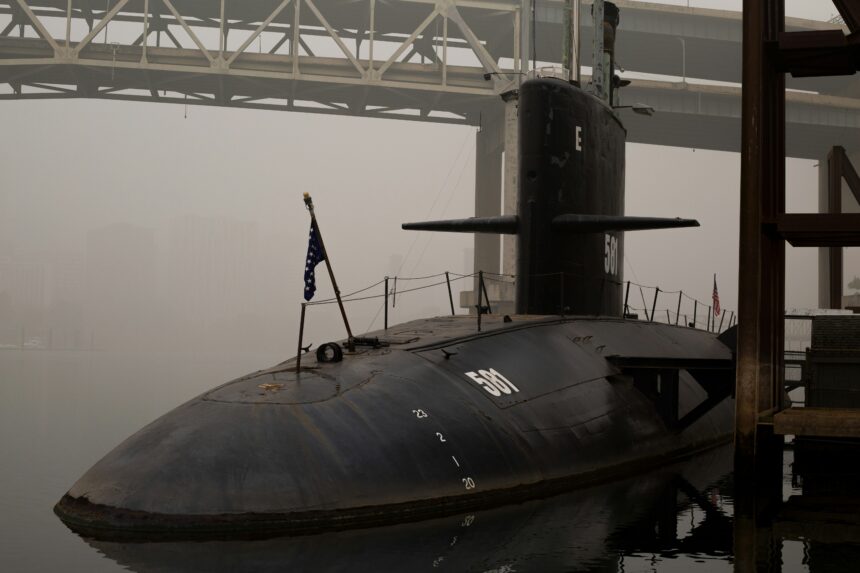
The hum of the Cold War often conjures images of gleaming fighter jets, hulking tanks, and the ever-present specter of nuclear missiles. Yet, beneath the waves, a silent and equally formidable arms race was underway. Submarines, the apex predators of the ocean depths, played a crucial role in the strategic calculus of the United States and the Soviet Union. While many Soviet submarine designs achieved widespread deployment and notoriety, there were others that, despite their impressive technological achievements, remained largely theoretical or were produced in such limited numbers as to render them footnotes in naval history. Among these, the Project 705 Lira class, more commonly known to NATO as the Alfa class, stands as a prime example of a submarine that pushed the boundaries of what was thought possible, but at a price that ultimately precluded its mass production.
The Engineering Marvel That Could
The Alfa class submarine was a testament to Soviet ingenuity and a relentless drive to achieve technological superiority. Born out of a perceived need for a submarine capable of outmaneuvering and outgunning its Western counterparts, the Lira program aimed to create a vessel of unprecedented speed, depth capability, and stealth. The sheer ambition of the project was evident in its unconventional design choices, which departed significantly from traditional submarine construction.
Titanium’s Titanium Embrace
Perhaps the most striking and defining feature of the Alfa class was its construction material. Instead of the conventional steel alloys used in most submarines, the Alfas were built almost entirely from titanium. This was not a casual decision but a deliberate one, driven by the unique properties of titanium. Titanium is significantly lighter than steel for its strength, allowing for a smaller, more compact hull that could withstand extreme pressures. This directly translated into an increased operational depth, enabling the Alfa to dive deeper than virtually any other submarine of its era, making it incredibly difficult to detect and track. Furthermore, titanium is inherently more resistant to corrosion, a critical factor for a vessel operating in harsh marine environments. The use of titanium also contributed to a lower magnetic signature, an important element in evading advanced anti-submarine warfare (ASW) detection systems. However, working with titanium presented immense engineering challenges. It was significantly more expensive and difficult to process and weld than steel. The complex metallurgy required specialized techniques and highly skilled labor, driving up production costs and manufacturing times considerably.
Speed Redefined: The Nuclear Powerhouse
The pursuit of speed was another cornerstone of the Alfa class’s design philosophy. To achieve the blistering speeds envisioned, the Soviets opted for a revolutionary propulsion system. The Alfas were powered by two compact, high-power liquid metal-cooled fast breeder reactors. These reactors were designed to be incredibly efficient and powerful, capable of generating enough energy to propel the submarine at speeds that were, frankly, astonishing for a vessel of its size. While exact top speeds are debated and shrouded in secrecy, estimates place the Alfa’s sustainable underwater speed well in excess of 35 knots, with some sources suggesting it could reach speeds approaching 40 knots or even higher in short bursts. This made it a formidable opponent, capable of outrunning most torpedoes and outmaneuvering any conventional submarine. The innovation of liquid metal cooling, while highly effective, also introduced significant complexities and safety concerns. The use of liquid sodium as a coolant, while allowing for compact reactor design and high heat transfer, also posed a fire hazard if exposed to air or water. Maintaining and operating these advanced reactors required highly specialized crews and rigorous maintenance schedules, adding to the overall operational cost and complexity.
Operational Capabilities: A Stealthy Hunter
Beyond its speed and depth, the Alfa class was designed as a potent hunter-killer submarine. It was equipped with a formidable array of weaponry, including advanced torpedoes and the capability to launch anti-ship missiles. Its smaller profile and reduced acoustic signature, due in part to the titanium hull and innovative reactor cooling, made it exceptionally stealthy. This combination of speed, depth, and stealth made the Alfa a nightmare for anti-submarine warfare forces. It could penetrate deep into enemy territory, launch surprise attacks, and then disappear into the depths before it could be effectively countered. The advanced sonar systems on the Alfa were also designed to provide exceptional situational awareness, allowing the crew to detect threats and opportunities with a high degree of accuracy. The integration of these sophisticated systems, coupled with the unique materials and propulsion, meant that the Alfa was not just a bigger or faster submarine; it was a fundamentally different kind of submarine, one that represented a significant leap forward in naval technology.
In exploring the complexities of military technology during the Cold War, one fascinating aspect is the development of Soviet submarines, particularly the challenges associated with their mass production. An insightful article that delves into this topic can be found at In the War Room, where it discusses the financial and technological hurdles that rendered certain submarine models too expensive for widespread deployment. This examination not only highlights the strategic implications of such decisions but also sheds light on the broader context of naval warfare during that era.
The Price of Pushing Boundaries
The technological advancements that made the Alfa class so remarkable also came with a staggering price tag. The inherent complexity of its design, the exotic materials used, and the specialized manufacturing processes all contributed to an exorbitant cost per unit, effectively sidelining its potential for widespread deployment.
Titanium’s Toll on the Soviet Economy
The decision to build the Alfa class primarily from titanium proved to be one of its most significant economic impediments. While offering unparalleled advantages in strength-to-weight ratio and corrosion resistance, titanium was, and remains, an expensive metal to extract, refine, and fabricate. The Soviet Union, despite its vast resources, faced considerable challenges in scaling up titanium production to meet the demands of a mass-produced submarine fleet. Each Alfa submarine required an immense quantity of specialized titanium alloy, and the welding and machining processes were labor-intensive and required highly skilled workers. The cost of acquiring and processing this material alone was a significant burden on the Soviet defense budget. Furthermore, the specialized tooling and facilities needed to work with titanium were expensive to develop and maintain, adding another layer to the escalating production costs. This made the Alfa class a luxury item, a technological showcase rather than a workhorse submarine intended for widespread strategic deployment.
The challenges faced by the Soviet submarine program in the 1980s highlight the complexities of military production, particularly when it comes to balancing cost and technological advancement. An insightful article discusses how certain submarine designs became too expensive to mass produce, ultimately impacting the Soviet Navy’s operational capabilities. For more details on this topic, you can read the full article here. The implications of these decisions resonate even today, as nations continue to grapple with the costs of advanced military technology.
The Complexity Tax: Reactors and Systems
Beyond the hull, the propulsion and weapon systems of the Alfa class added further to its prohibitive cost. The liquid metal-cooled fast breeder reactors, while providing immense power, were incredibly complex to design, build, and maintain. The intricate plumbing, the need for specialized coolants, and the stringent safety protocols all contributed to the high cost of each reactor. The maintenance and operational requirements for these reactors were also substantial, necessitating highly trained crews and specialized support infrastructure. Similarly, the advanced sonar, fire control, and communication systems integrated into the Alfa were cutting-edge for their time, but also incredibly expensive to develop and procure. The integration of these disparate, highly sophisticated systems into a compact hull designed for extreme depth and speed presented a significant engineering and financial challenge. The sheer complexity of the Alfa meant that any deviation from its design or any need for specialized repairs translated into significant delays and immense costs.
Limited Production and Operational Costs
The combination of high acquisition costs and complex maintenance requirements meant that the Soviet Union could not afford to build the Alfa class in large numbers. Only a handful of these submarines were ever completed, a stark contrast to the hundreds of more conventional submarines that formed the backbone of the Soviet submarine fleet. This limited production further exacerbated the per-unit cost, as the economies of scale associated with mass production were never realized. Furthermore, the operational costs of the Alfa class were also exceptionally high. The specialized training required for the crews, the unique maintenance schedules dictated by the advanced reactors, and the logistical challenges associated with supporting such a technologically advanced platform all contributed to a substantial ongoing expense. This made it difficult for the Soviet Navy to effectively deploy and sustain these submarines as a significant part of its strategic deterrent, further limiting their operational impact despite their impressive capabilities.
The Strategic Dilemma: Quality Over Quantity
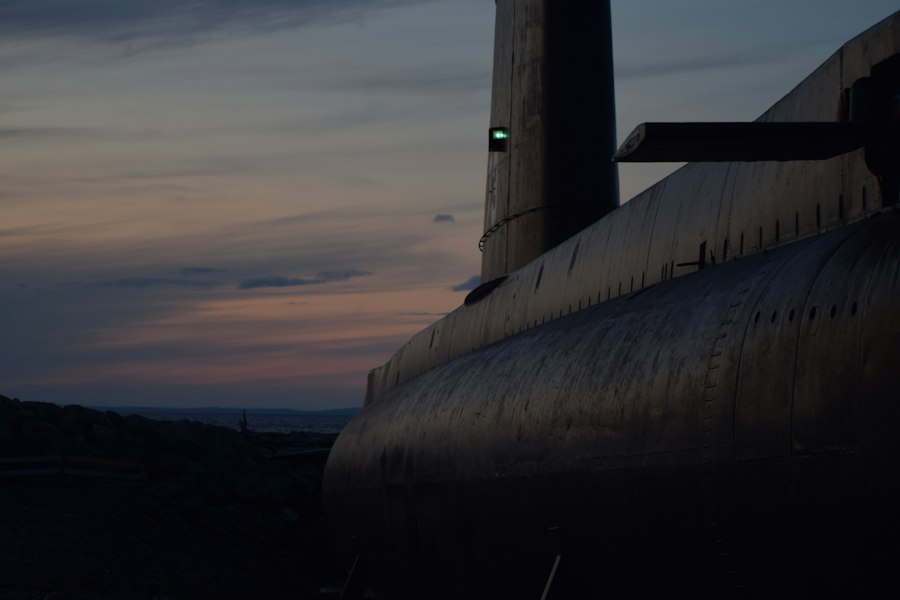
The Soviet military doctrine, like that of many nations, often grappled with the perennial question of whether to prioritize a large number of capable but less advanced platforms or a smaller number of highly sophisticated and technologically superior ones. The Alfa class represented the latter, a gamble on cutting-edge technology that ultimately proved too costly to be a viable long-term strategy for fleet expansion.
The “White Elephant” Factor
The Alfa class, with its unparalleled speed and depth, was undeniably a technological marvel. However, its extreme cost meant it became what is often termed a “white elephant” – a possession that is useless or troublesome, especially one that is expensive to maintain or operate. The Soviet Union could not realistically equip its vast coastline and global naval presence with submarines that cost so much to build and operate. This limited its strategic impact. While a single Alfa could pose a significant threat to an enemy fleet, their scarcity meant they could not be deployed in the numbers required for decisive engagements or for sustained blockade operations. The immense investment in a few Alfas meant that resources that could have been used to build dozens of more conventional, yet still capable, submarines were instead tied up in these expensive prototypes. This strategic choice highlighted a fundamental tension within Soviet military planning, where groundbreaking innovation often clashed with the practical realities of budgetary constraints and the need for broad-based military strength.
A Shadow of What Could Have Been
The limited production of the Alfa class meant that their full potential was never realized. The few submarines that were built served primarily as technological demonstrators and platforms for testing new concepts. They were never able to collectively exert the kind of strategic influence that a larger fleet of more conventionally designed submarines could have. While individual Alfa submarines were undoubtedly dangerous and difficult to counter, their impact on the overall balance of naval power was minimal due to their scarcity. The strategic advantage they represented was, therefore, ephemeral. Had the Soviets been able to overcome the cost barriers, the impact of the Alfa class could have been far more significant, forcing Western navies to invest even more heavily in anti-submarine warfare technologies and tactics to counter such a formidable threat. Instead, they remained an expensive curiosity, a testament to Soviet engineering prowess but ultimately a missed opportunity for widespread strategic dominance.
Lessons Learned for Future Designs
Despite their ultimate failure to achieve mass production, the lessons learned from the Alfa class program were invaluable for future Soviet and Russian submarine development. The advanced materials, reactor technology, and hull design principles pioneered with the Alfa undoubtedly informed subsequent submarine classes, contributing to improvements in speed, depth, and stealth in later Soviet designs. The challenges encountered in working with titanium, for example, likely led to a more pragmatic approach in subsequent projects, potentially incorporating titanium in specific critical areas rather than as the primary hull material. The operational experiences, however limited, also provided crucial insights into the maintenance and crewing requirements for highly complex vessels. While the Alfa class itself may have been too expensive for its time, its technological legacy lived on, influencing the direction of submarine design for decades to come.
The Legacy of the Titanium Titans
The Alfa class submarine, though a limited production run, left an indelible mark on the history of naval warfare. It represents a bold and ambitious endeavor to redefine submarine capabilities, pushing the boundaries of engineering and material science to their absolute limits.
A Technological Benchmark
The Alfa class set a new benchmark for submarine performance. Its speed and depth capabilities were unprecedented, forcing naval strategists worldwide to re-evaluate their assumptions about submarine warfare. The very existence of such a capable vessel spurred significant investment in Western anti-submarine warfare research and development, as nations scrambled to devise methods to detect and counter this formidable new threat. The technological innovations incorporated into the Alfa, from its titanium hull to its advanced propulsion, were not mere incremental improvements; they represented a paradigm shift in submarine design. Even as a limited production run, the Alfa class served as a potent symbol of Soviet technological ambition and capability.
The High Cost of Innovation
Ultimately, the story of the Alfa class is a cautionary tale about the economics of technological innovation in the military sphere. While the pursuit of cutting-edge technology can yield significant strategic advantages, it must be balanced against the practical realities of cost, production, and sustainment. The Alfa class demonstrated that even the most ingenious engineering solutions are rendered strategically irrelevant if they cannot be fielded in sufficient numbers to make a meaningful impact. The Soviet Union’s inability to overcome the financial and logistical hurdles associated with titanium construction and advanced reactor technology meant that this potentially game-changing submarine remained a niche asset, a testament to what could be rather than what was. The immense resources poured into a handful of Alfas could have potentially yielded a larger, more conventionally potent submarine fleet, offering a broader strategic deterrent. This cost-benefit analysis remains a critical factor in all military procurement decisions.
A Whispers in the Depths
While the Alfa class never achieved the widespread deployment of other Soviet submarine classes, its presence, however limited, was felt. Its capabilities represented a significant challenge to Western naval dominance. The few Alfas that were commissioned served as a constant reminder of the Soviet Union’s capacity for rapid technological advancement and its willingness to pursue radical design solutions. Their operational deployments, though shrouded in secrecy, undoubtedly contributed to valuable intelligence gathering and operational experience for the Soviet Navy. The legacy of the Alfa class is thus not solely defined by its production numbers or its economic viability, but by the sheer audacity of its design and the technological leaps it represented. It remains a fascinating chapter in the history of submarine warfare, a testament to human ingenuity and the ever-present tension between ambition and affordability in the pursuit of military power. The whispers of the titanium titans continue to resonate in the annals of naval history, a reminder of a submarine that was perhaps too advanced, and too expensive, for its time.
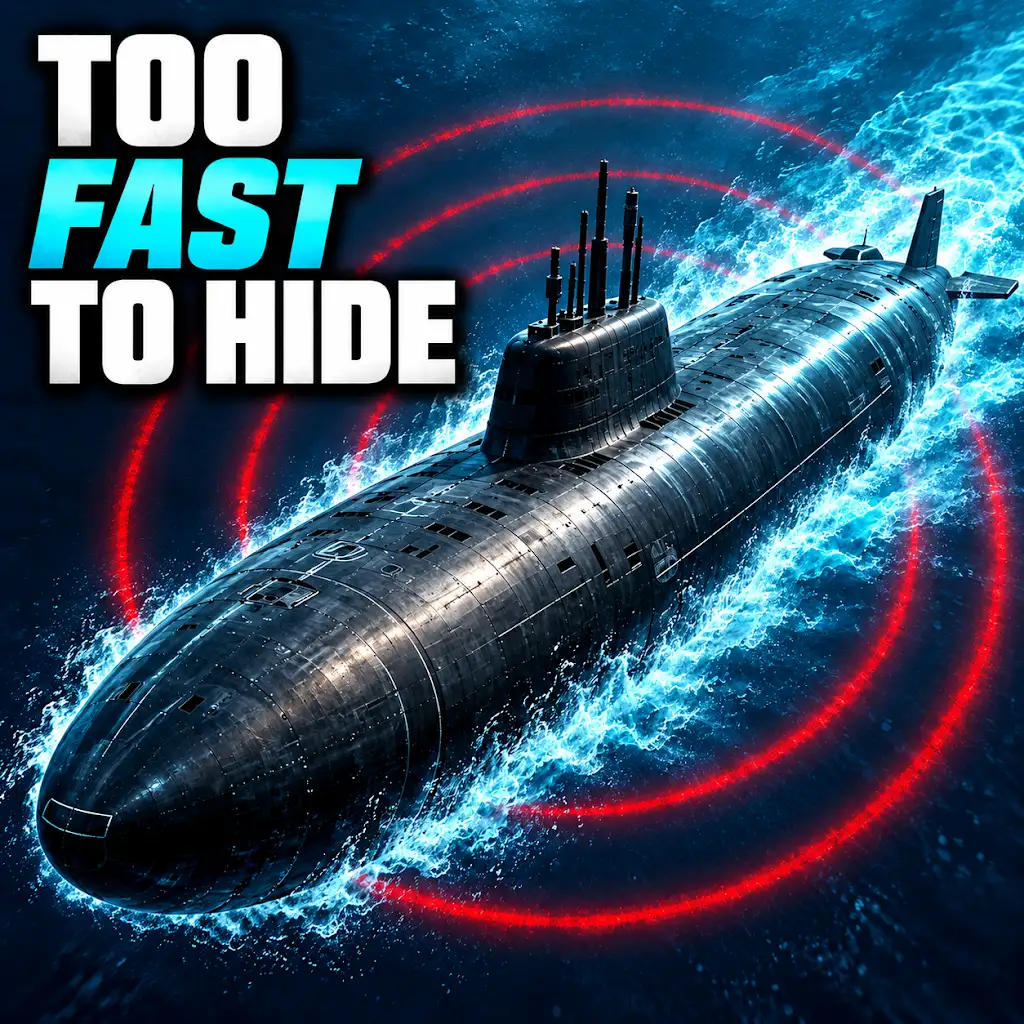
The Soviet Submarine That Broke a Speed Record—and Its Own Stealth
FAQs
What was the name of the Soviet submarine that was deemed too expensive to mass produce?
The Soviet submarine in question was called the Project 705 “Lira” submarine.
What were some of the reasons why the Soviet submarine was considered too expensive to mass produce?
The Project 705 “Lira” submarine was considered too expensive to mass produce due to its advanced technology, complex design, and high cost of construction.
What were some of the unique features of the Project 705 “Lira” submarine?
The Project 705 “Lira” submarine was known for its titanium hull, advanced sonar systems, and quiet propulsion system, which made it one of the most advanced submarines of its time.
How many Project 705 “Lira” submarines were ultimately built?
Only one Project 705 “Lira” submarine was ever built, as the Soviet government decided not to mass produce the submarine due to its high cost.
What was the fate of the Project 705 “Lira” submarine?
The Project 705 “Lira” submarine was eventually decommissioned and scrapped, as it was deemed too expensive to maintain and operate.