The Silent Service Under Scrutiny: Soviet Submarine Fleet Trials and Their Implications
The vast, unforgiving expanse of the ocean depths has always been a strategic battleground, and for decades, the Soviet Union’s submarine fleet stood as a formidable instrument of its naval power. The effectiveness of this silent service, however, was not a matter of assumption but a subject of rigorous and often harrowing trials. These meticulously conducted evaluations, designed to push the boundaries of both human endurance and technological capability, were crucial in shaping the Soviet Union’s maritime doctrine, influencing its shipbuilding programs, and ultimately, impacting global geopolitical dynamics. The outcomes of these trials were not merely technical reports; they were potent indicators of the Soviet Union’s ambitions, its strengths, and its persistent challenges in maintaining a cutting-edge undersea force.
Following the recent trials of the Soviet submarine fleet, a critical decision was made regarding the future direction of naval strategy and capabilities. This decision is explored in detail in a related article that examines the implications of these trials on military readiness and technological advancements. For further insights, you can read the full article here: Soviet Submarine Fleet Trials and Strategic Decisions.
Unveiling the Deep: The Genesis of Soviet Submarine Trials

The impetus for extensive and demanding submarine trials within the Soviet Union stemmed from a complex interplay of strategic imperatives and a unique approach to military development. Following World War II, the Soviet Union, under the shadow of the Cold War, recognized the paramount importance of naval power, particularly the ability to project force and conduct intelligence gathering globally. Submarines, with their inherent stealth and offensive potential, became central to this strategy. The vastness of the Soviet coastline, the need to counter NATO’s naval dominance, and the burgeoning nuclear arms race all contributed to the prioritization of a robust and technologically advanced submarine fleet.
From Wartime Experience to Cold War Doctrine
The lessons learned during World War II, particularly the effectiveness of German U-boats and the Allied anti-submarine warfare capabilities, provided a critical foundation for Soviet submarine development. While the initial post-war Soviet submarine designs were often based on captured German technology or adaptations of existing designs, the drive for independent innovation and superiority soon took hold. This ambition was fueled by the understanding that a technologically inferior submarine force would be vulnerable to increasingly sophisticated Western detection methods. Consequently, the Soviet Union embarked on an ambitious shipbuilding program, producing a diverse range of submarines, from small coastal patrol vessels to massive, nuclear-powered ballistic missile submarines (SSBNs) and attack submarines (SSNs). The success of these vessels, however, depended entirely on their performance in real-world, or at least simulated real-world, conditions. This necessity gave rise to the extensive and often hazardous trial phases that were integral to every new submarine class.
The Strategic Imperative for Robustness and Range
The Soviet Union’s strategic objectives demanded submarines that were not only capable of deep dives and stealth but also possessed significant range and endurance. The vast distances between Soviet naval bases and potential areas of operation, coupled with the need to maintain a constant presence in distant waters, necessitated the development of nuclear propulsion. However, the introduction of nuclear power brought its own set of complex challenges, including reactor safety, operational reliability, and the training of specialized crews. Trials were therefore designed to assess these critical aspects, ensuring that the theoretical capabilities of a new design could be translated into reliable operational performance in the unforgiving environment of the open ocean. The sheer scale of the Soviet Union’s maritime ambitions meant that failures in such crucial systems were not just technical setbacks but potential strategic disasters.
The Crucible of Testing: Methodologies and Challenges in Soviet Trials

The Soviet approach to submarine trials was characterized by a distinct blend of scientific rigor and a sometimes brutal disregard for personnel safety, driven by the relentless pursuit of operational readiness and technological advancement. These trials were not confined to the controlled environment of a test range; they frequently extended into simulated combat scenarios, extended patrols, and harsh weather conditions. The primary objective was to identify and rectify any weaknesses before a submarine entered active service, ensuring that it could withstand the rigors of potential conflict.
Push to the Limits: Performance Metrics and Endurance Tests
Soviet submarine trials were designed to push every facet of a vessel’s performance to its absolute limit. This included extensive depth trials, where submarines were systematically taken to and beyond their designed operational depths, testing the integrity of the hull and internal systems under immense pressure. Speed trials were conducted to verify maximum sustainable speeds, both submerged and surfaced, and to assess fuel consumption and operational efficiency. Maneuverability tests were crucial, evaluating the submarine’s ability to execute complex tactical maneuvers at various speeds and depths, essential for evading enemy detection or launching effective attacks. Endurance tests were particularly demanding, often involving prolonged periods submerged, simulating extended operational patrols where crews lived and worked in confined spaces for weeks or even months. These tests not only evaluated the mechanical systems but also the psychological resilience of the crew and their ability to maintain peak performance under sustained stress. The data gathered from these exhaustive tests provided invaluable insights into the true operational capabilities of each new class.
The Human Factor: Crew Performance and Psychological Resilience
Beyond the mechanical and electronic systems, Soviet submarine trials placed a significant emphasis on the human element. The success of any submarine operation, regardless of its technological sophistication, ultimately rests on the shoulders of its crew. Trials aimed to assess the crew’s ability to operate complex systems under duress, their teamwork and communication under pressure, and their psychological resilience during prolonged and isolated deployments. This involved simulated emergencies, extended periods of intense operational tempo, and drills that mimicked the stresses of combat. The Soviet Union’s approach often involved pushing crews to their physical and mental limits, sometimes with little regard for the long-term consequences. This approach, while undeniably producing highly disciplined and hardened crews, also led to a higher incidence of stress-related issues and accidents. However, the insights gained into human performance in extreme conditions were invaluable for refining training protocols and improving the habitability and ergonomic design of future submarine classes.
Navigating the Risks: Safety Protocols and Accidental Incidents
The inherently dangerous nature of submarine operations was amplified during the rigorous trial periods. While safety protocols were in place, the drive to test the absolute limits of a vessel and its crew often meant that risks were taken. The Soviet Union’s operational environment, characterized by harsh seas, limited access to advanced safety equipment in some periods, and a culture that often prioritized mission completion over individual safety, contributed to a higher rate of accidents during trials compared to some Western navies. These incidents, while tragic, often provided critical, albeit hard-won, lessons. The ensuing investigations, even if not always publicly transparent, invariably led to design modifications, improved training procedures, and a recalibration of safety margins for future operations. The loss of submarines and crew during trials served as stark reminders of the unforgiving nature of the deep and the constant need for vigilance.
Echoes in the Atlantic and Pacific: Key Outcomes and Revelations
The trials of Soviet submarines, particularly those conducted throughout the Cold War, yielded a wealth of information that significantly shaped both Soviet naval strategy and the global balance of power. The outcomes of these evaluations revealed not only the advancements made by Soviet engineers and designers but also exposed persistent challenges and vulnerabilities. These revelations had profound implications for military planning, intelligence gathering, and the ongoing arms race.
The Rise of the Anya and the Oscar: Operational Prowess and Strategic Impact
The development and subsequent trials of certain submarine classes, such as the Project 671 (Victor class) SSNs and the Project 661 (Anchar class, NATO reporting name: Papa class) cruise missile submarines, and later the formidable Project 949 (Oscar class) SSGNs, demonstrated a significant leap in Soviet submarine capabilities. The Victor class, for instance, was renowned for its quietness and speed, posing a credible threat to NATO naval formations. The Oscar class, armed with a devastating array of anti-ship cruise missiles, was specifically designed to counter American aircraft carrier strike groups, representing a significant strategic challenge. Trials for these vessels focused on their stealth characteristics, their weapons system effectiveness, and their ability to operate in concert with other naval assets. The success of these trials confirmed the Soviet Union’s ability to produce submarines capable of challenging Western naval dominance in critical oceanic regions. The data gleaned from these trials, often through meticulous intelligence gathering by opposing navies, informed Western anti-submarine warfare tactics and led to significant investments in countermeasures.
The Persistent Shadow of Reliability: Nuclear Systems and Hull Integrity
Despite remarkable advancements, the trials consistently highlighted areas where Soviet submarine technology lagged behind its Western counterparts or presented inherent risks. The reliability of nuclear propulsion systems, particularly in the early generations of nuclear-powered submarines, was a recurring concern. Trials often revealed issues with reactor control, cooling systems, and the overall longevity of key components. Similarly, while Soviet submarines could dive deep, reports and incident analyses suggested that hull integrity, especially under sustained stress or during emergency maneuvers, remained a point of concern in some classes. The catastrophic loss of the K-19 in 1961 during missile launch drills, although not a trial, underscored the potential dangers associated with early nuclear reactor designs and operational procedures. These recurring issues, while not always leading to complete design overhauls, often resulted in incremental improvements and a more cautious approach to operational parameters in subsequent deployments.
Intelligence Gains: Unveiling Soviet Naval Intentions and Capabilities
The trials themselves were invaluable sources of intelligence for NATO navies. Through advanced sonar detection, aerial surveillance, and sometimes even direct observation, Western intelligence agencies meticulously gathered data on Soviet submarine performance, noise signatures, operational tactics, and the general disposition of the Soviet submarine fleet. The outcomes of these trials, pieced together through a complex web of intelligence, allowed Western strategists to:
- Assess Threat Levels: Accurately gauge the offensive and defensive capabilities of specific Soviet submarine classes.
- Develop Countermeasures: Design and refine anti-submarine warfare (ASW) technologies and tactics specifically tailored to counter Soviet submarine strengths.
- Understand Doctrine: Gain insights into Soviet naval doctrine, operational strategies, and potential deployment patterns.
- Inform Shipbuilding: Influence Western shipbuilding programs, ensuring that new vessels were designed to meet or exceed the capabilities of their Soviet counterparts.
The very act of conducting these trials, while intended for Soviet self-improvement, inadvertently provided a window into their naval might and intentions, shaping the strategic calculus of the Cold War.
Following the recent trials of the Soviet submarine fleet, strategic decisions regarding their operational capabilities have come under scrutiny. The outcomes of these trials are crucial for understanding the future direction of naval warfare and the potential implications for global security. For a deeper analysis of the impact of these developments on military strategy, you can read a related article that explores the broader context of submarine warfare at In The War Room. This examination sheds light on how advancements in submarine technology may reshape naval engagements in the years to come.
The Legacy of the Deep: Long-Term Consequences of Trial Outcomes
| Metric | Value | Notes |
|---|---|---|
| Number of Submarines Tested | 15 | Trials conducted over a 2-year period |
| Submarines Approved for Fleet | 10 | Based on performance and reliability |
| Submarines Rejected | 5 | Due to technical failures or design flaws |
| Average Trial Duration | 6 months | Per submarine |
| Key Performance Metrics Evaluated | Speed, Stealth, Endurance, Weapon Systems | Critical for fleet integration |
| Decision Date | March 1985 | Final approval after trials |
| Fleet Expansion Plan | Increase by 20% over 5 years | Based on trial outcomes |
The cumulative outcomes of Soviet submarine fleet trials left an indelible mark on both the Soviet Union’s naval legacy and the broader landscape of global maritime security. These trials were not isolated events but a continuous process of learning, adaptation, and technological evolution that had far-reaching and enduring consequences.
Shaping the Next Generation: Design Evolution and Technological Adoption
The lessons learned from the successes and failures of earlier submarine classes during their trials directly informed the design and development of subsequent generations. For instance, the persistent challenges with noise reduction in older diesel-electric submarines spurred significant advancements in acoustic baffling and hull insulation for later nuclear-powered vessels. Similarly, the operational experiences gained from extended patrols of missile submarines led to improvements in missile launch systems, targeting capabilities, and crew habitability. The adoption of new materials, propulsion technologies, and sonar systems was often a direct response to the performance data gathered during these critical evaluation periods. This iterative process of trial, analysis, and refinement ensured that the Soviet submarine force, while facing its own set of limitations, remained a continuously evolving and potent threat throughout the Cold War.
The Arms Race in the Abyss: A Catalyst for Technological Competition
The perceived capabilities and emerging threats revealed by Soviet submarine trials acted as a powerful catalyst for the technological arms race. As Soviet submarines became quieter, faster, and more lethal, NATO navies were compelled to invest heavily in advanced sonar systems, torpedo technology, and maritime patrol aircraft. The development of sophisticated passive and active sonar arrays, towed sonar arrays, and acoustic modeling techniques can be directly traced to the imperative to detect and track increasingly stealthy Soviet submarines. Conversely, any perceived advantage gained by the West spurred Soviet efforts to counter these developments, leading to a continuous cycle of innovation and counter-innovation. The strategic balance was, in many ways, a delicate dance conducted in the silent depths, with each side reacting to the perceived advancements of the other, often spurred by the revelations from submarine trials.
A Continuing Influence: Lessons for Modern Naval Power
Even after the dissolution of the Soviet Union, the legacy of its submarine fleet trials continues to inform modern naval strategy and technology. The methodologies employed, the types of challenges faced, and the solutions developed offer valuable case studies for contemporary navies. The emphasis on endurance, operational reliability in extreme conditions, and the integration of complex weapon systems are lessons that remain relevant. Furthermore, the intelligence gleaned from years of observing Soviet submarine trials provided invaluable data that continues to inform threat assessments and naval doctrine. The inherent complexities of operating submarines, the criticality of crew training, and the perpetual challenge of maintaining technological superiority in the undersea domain are enduring themes that resonate from the era of Soviet submarine trials to the present day.
Beyond the Iron Curtain: Global Repercussions of Soviet Submarine Performance
The implications of Soviet submarine fleet trials extended far beyond the immediate strategic interests of the Soviet Union and its primary adversaries. The sheer scale and ambition of the Soviet submarine program, and the performance demonstrated during its trials, had ripple effects that influenced global maritime security, international relations, and the very nature of naval power projection.
A Shadow Across the Seas: Deterrence and Strategic Balance
The effectiveness of Soviet submarines, as revealed and refined through extensive trials, played a crucial role in the broader strategy of nuclear deterrence. The presence of a capable SSBN fleet, able to evade detection and deliver a retaliatory nuclear strike, was a cornerstone of Soviet nuclear strategy. This capability, constantly validated and improved through trials, contributed to the doctrine of Mutually Assured Destruction (MAD). The ability of these submarines to operate with a high degree of stealth and survivability meant that the threat of a devastating counter-strike was ever-present, influencing the decision-making of global powers during tense standoffs. The ongoing efforts to improve their stealth and operational range through successful trials directly contributed to the perceived stability, albeit a precarious one, of the Cold War balance of power.
Third-World Navies and the Diffusion of Submarine Technology
While the most advanced Soviet submarines were reserved for the Soviet Navy, the knowledge and experience gained from their trials also influenced the development and deployment of submarines in allied and client states. The Soviet Union was a significant exporter of military hardware, including submarines, to various nations. The lessons learned in refining designs for survivability, operational range, and weapons system integration in their own trials were implicitly or explicitly incorporated into the submarines provided to other countries. This diffusion of technology, while not always reaching the cutting edge of Soviet designs, nonetheless empowered emerging navies with significant undersea capabilities, altering regional power dynamics and contributing to the complexity of global maritime security. The trials, therefore, had a global reach, contributing to the proliferation of submarine warfare capabilities.
The Enduring Lessons of the Deep
The comprehensive and often arduous trials conducted by the Soviet Union’s submarine fleet stand as a testament to a nation’s determination to achieve maritime supremacy. The outcomes of these rigorous evaluations provided critical insights into technological advancements, operational capabilities, and the inherent risks of undersea warfare. The legacy of these trials is not confined to historical archives; it continues to inform contemporary naval thought, the development of advanced maritime technologies, and the ongoing strategic considerations that shape global security. The silent service, tested in the unforgiving crucible of the ocean, left an indelible mark on the world, a reminder of the constant evolution and enduring importance of the submarine in the theater of global power.
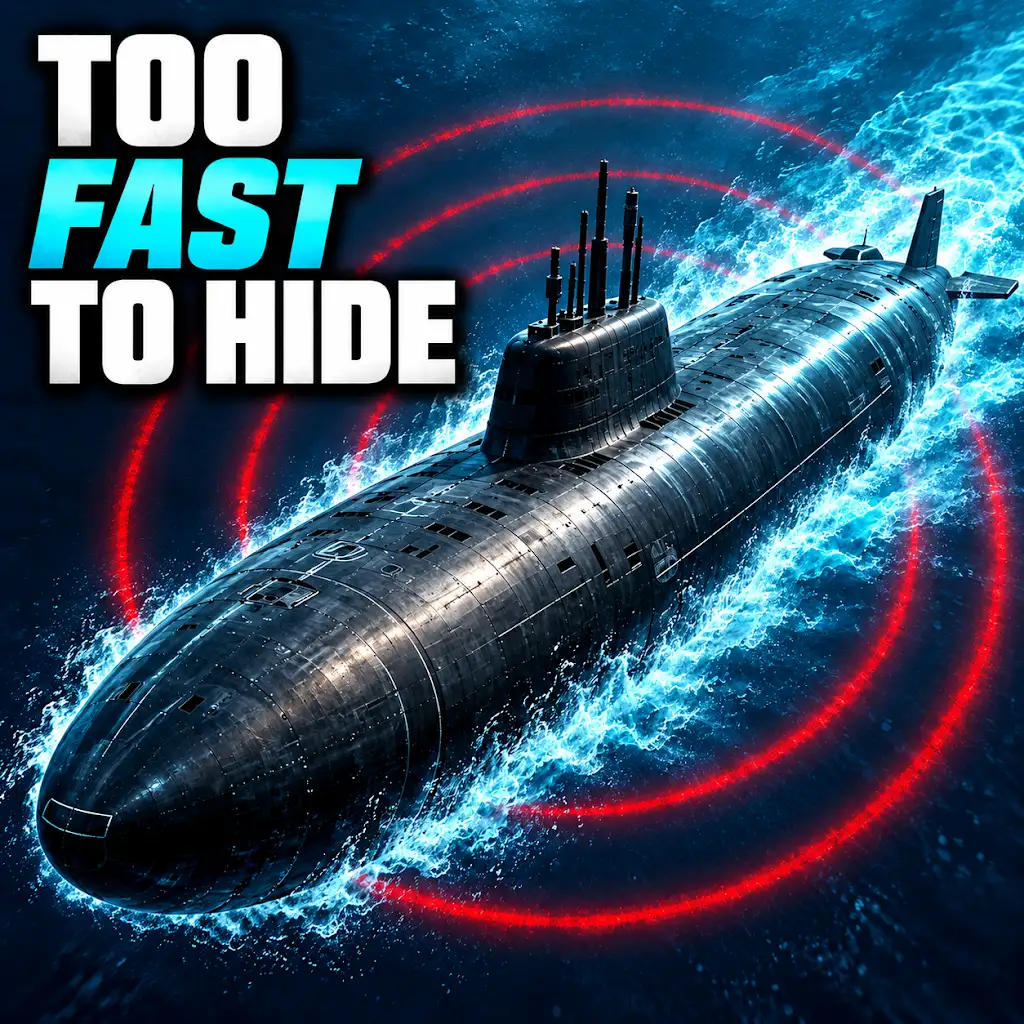
The Soviet Submarine That Broke a Speed Record—and Its Own Stealth
FAQs
What factors were considered in the decision-making process for the Soviet submarine fleet after trials?
The decision-making process for the Soviet submarine fleet after trials considered factors such as performance, reliability, cost-effectiveness, and strategic importance.
How were the trial results of the Soviet submarine fleet used in the decision-making process?
The trial results of the Soviet submarine fleet were used to evaluate the submarines’ capabilities, identify any weaknesses or areas for improvement, and compare them to other potential options.
Who was involved in the decision-making process for the Soviet submarine fleet after trials?
The decision-making process for the Soviet submarine fleet after trials involved high-ranking military officials, naval engineers, and government officials responsible for defense procurement.
What were some of the key considerations in selecting submarines for the Soviet fleet after trials?
Some key considerations in selecting submarines for the Soviet fleet after trials included their stealth capabilities, armament systems, endurance, and ability to operate effectively in various maritime environments.
How did the decision-making process for the Soviet submarine fleet after trials impact the overall strength of the Soviet Navy?
The decision-making process for the Soviet submarine fleet after trials played a crucial role in determining the overall strength and capabilities of the Soviet Navy, influencing its ability to project power and deter potential adversaries.