A Glimpse into Naval History: The K-222 Submarine Sail’s Journey to Sevmash
The vast and often enigmatic world of naval history is punctuated by artifacts that offer tangible links to bygone eras of maritime power. Among these, the sail of a submarine, a seemingly anachronistic element in a vessel designed for stealth and underwater dominance, holds a unique fascination. The K-222 submarine, a significant, albeit less commonly known, player in Soviet naval development, has seen its sail – the iconic conning tower structure – find a new resting place at the Sevmash shipyard. This relocation is not merely a physical transfer but a symbolic homecoming, a recognition of the industrial might that birthed such vessels and a testament to the enduring legacy of their engineering. The K-222, a Project 641 submarine, a Soviet designation for the NATO Foxtrot-class, was a workhorse of the Cold War era, deployed in significant numbers to project Soviet naval power across the globe. Its sail, a prominent feature, served multiple critical functions, from housing navigation and communication equipment to providing a platform for periscopes and other vital sensors. The journey of this particular sail to Sevmash is a story that intertwines industrial heritage, historical preservation, and the very identity of a naval shipbuilding powerhouse. Sevmash, located in Severodvinsk, is not just a shipyard; it is an institution synonymous with the construction and refitting of Soviet and Russian nuclear submarines, a place where the steel giants of the deep are forged. The arrival of the K-222 sail at this venerable site marks a significant moment, allowing for detailed examination, potential restoration, and perhaps even an educational display that could illuminate the complex engineering that went into these formidable machines.
The K-222 submarine sail, a remarkable piece of naval history, has been preserved at Sevmash, showcasing the advancements in submarine technology during the Cold War era. For those interested in learning more about the significance of this submarine and its contributions to maritime defense, a related article can be found at In the War Room. This article delves into the operational history of the K-222 and its impact on submarine warfare strategies.
The K-222: A Submarine’s Identity and Operational Significance
The K-222, a Project 641 submarine, represented a significant step in the Soviet Union’s naval capabilities during the Cold War. While not as technologically revolutionary as some later nuclear-powered submarines, the Foxtrot class, to which the K-222 belonged, were diesel-electric submarines that formed a substantial portion of the Soviet submarine fleet. Their importance lay in their operational versatility, their ability to conduct a wide range of missions, from reconnaissance and intelligence gathering to anti-shipping warfare. The K-222, like its sisters, was designed with a robust hull, capable of reaching considerable depths, and a powerful diesel-electric propulsion system that allowed for extended submerged operations when batteries were charged. These submarines were instrumental in challenging the naval dominance of the United States and its allies, operating in strategic waterways and shadowing Western naval movements. The K-222’s operational history, though specific details might be classified or less publicly documented, would have been indicative of the broader deployment patterns of this class. They were known for their relative quietness when running on electric power, making them challenging targets for anti-submarine warfare forces. The sail, or conning tower, was a crucial component of the K-222’s operational efficiency. It was far more than just a visual marker; it was the command center for surface operations and a vital hub for submerged maneuvering.
The Sail’s Multifaceted Role on the K-222
The sail of the K-222 submarine, a complex structure that rose prominently from the hull, was the nerve center for a multitude of critical functions. Its external appearance, a streamlined, angled housing, belied the intricate array of equipment housed within. Primarily, it served as the primary location for the submarine’s periscopes. These optical instruments were indispensable for surface navigation, allowing the crew to observe their surroundings without exposing the entire vessel. During submerged operations, the periscopes provided crucial visual intelligence, enabling the submarine to identify targets, assess threats, and navigate safely through treacherous waters. Beyond the periscopes, the sail also accommodated various communication antennas, essential for maintaining contact with fleet command and other assets, even while operating in a submerged or partially submerged state. Navigation equipment, such as radio direction finders and radar antennas (though radar was less commonly used while fully submerged), were also integrated into the sail structure. Furthermore, the sail housed the submarine’s snorkel, a vital piece of equipment for diesel-electric submarines. The snorkel allowed the engines to draw in air for combustion and expel exhaust gases while the submarine remained submerged at periscope depth, effectively recharging the batteries without fully surfacing. This capability was paramount for extending submerged endurance, a key advantage for diesel-electric submarines. The sail also provided a fortified platform for the submarine’s bridge, offering a protected space for the officer of the watch and helmsman during surface operations. Access to the sail from the interior of the submarine was typically through a watertight hatch, ensuring the vessel’s integrity. The design of the sail, therefore, was a careful balance of aerodynamic efficiency for surface transit and structural integrity for submersion, all while accommodating a dense concentration of essential operational systems.
Operational Context and the Foxtrot Class
The K-222, as a member of the Project 641 (Foxtrot-class) submarines, was part of a significant Soviet naval expansion effort. Launched in the late 1950s and early 1960s, these diesel-electric submarines were designed to counter the growing threat posed by NATO’s submarine forces and to project Soviet influence globally. The Foxtrot class was characterized by its relatively large size for a diesel-electric submarine, which allowed for a substantial complement of torpedoes and a decent range. They were a significant export success for the Soviet Union, serving in the navies of numerous allied nations. The K-222, like others in its class, would have been involved in routine patrols, intelligence gathering missions, and exercises designed to test and refine anti-submarine warfare tactics. Their operational deployment was a constant source of concern for Western navies, as their sheer numbers and the potential for their effective use in crucial sea lanes presented a tangible threat. The technological evolution of submarine warfare meant that while the Foxtrot class was a formidable asset in its time, it was eventually superseded by more advanced nuclear-powered submarines. However, their operational period was lengthy and impactful, shaping the naval landscape of the Cold War for decades. The K-222’s operational life, therefore, represented a crucial chapter in the Soviet Union’s maritime strategy, and its sail stands as a physical embodiment of that era’s technological prowess and strategic ambitions.
Sevmash: A Crucible of Submarine Construction
Sevmash, officially known as JSC “PO Sevmash,” is a name synonymous with the pinnacle of Soviet and Russian shipbuilding, particularly in the realm of submarine construction. Located on the White Sea coast in Severodvinsk, this sprawling industrial complex has been the birthplace of some of the most advanced and formidable naval vessels ever to grace the oceans. For decades, Sevmash has been the primary shipyard responsible for building and servicing the Soviet and Russian navies’ submarine fleets, including both conventional and nuclear-powered submarines. Its immense capacity, specialized workforce, and cutting-edge engineering capabilities have made it a strategic asset of paramount importance for the nation’s defense. The arrival of the K-222 submarine sail at Sevmash is thus a deeply symbolic event, signifying a return to its roots for a piece of naval history. The shipyard’s expertise lies not only in the initial construction of these complex machines but also in their ongoing maintenance, modernization, and eventual decommissioning. The skills and knowledge honed over generations of submarine building are deeply embedded within the fabric of Sevmash.
The Historic Role of Sevmash in Submarine Production
Sevmash’s legacy as a submarine builder stretches back to the mid-20th century, when the Soviet Union embarked on an ambitious program to expand its naval power. The shipyard was instrumental in the development and mass production of various submarine classes, from the early diesel-electric designs to the cutting-edge nuclear-powered ballistic missile submarines (SSBNs) and attack submarines (SSNs). It was at Sevmash that many of the most iconic Soviet submarines, those that instilled both pride and apprehension during the Cold War, were brought to life. The sheer scale of its operations is staggering, with vast dry docks, specialized workshops, and advanced engineering facilities designed to handle the immense logistical and technical challenges of submarine construction. The shipyard’s workforce comprises highly skilled engineers, technicians, and laborers who possess a deep understanding of naval architecture, hydrodynamics, nuclear engineering, and a myriad of other specialized fields. Sevmash has consistently been at the forefront of technological innovation, adapting to new designs and incorporating the latest advancements in materials science, propulsion systems, and weaponry. The shipyard’s contribution to the Soviet and Russian navies cannot be overstated; it has been the bedrock of their underwater capabilities, ensuring a constant influx of advanced submarines that have projected power and defended national interests for decades. The K-222 sail, therefore, is arriving at a place that intimately understands its origins and the technological landscape from which it emerged.
Specialized Facilities for Preservation and Study
The presence of the K-222 submarine sail at Sevmash suggests more than just storage; it implies a potential for detailed examination and preservation. Sevmash possesses the specialized facilities and expertise necessary to handle such artifacts with the care and precision they deserve. This could include workshops equipped for metalwork, painting, and the restoration of intricate mechanical and electrical components that would have been part of the sail’s original structure. The shipyard’s engineers and technicians are well-versed in the materials and construction techniques common to Soviet-era submarines, making them ideally suited to assess the sail’s condition and, if deemed feasible, undertake conservation efforts. Furthermore, Sevmash has a deep understanding of the operational context of these vessels, which is crucial for interpreting the significance of various components and their historical function. The availability of access to original blueprints, technical documentation, and the collective memory of experienced personnel at Sevmash would greatly enhance any study of the K-222 sail. This could involve historical research, material analysis to understand the degradation processes, and even the potential for functional restoration of certain elements for exhibition purposes. The shipyard’s commitment to preserving its own industrial heritage, coupled with its direct involvement in the creation of such vessels, makes it the logical and most appropriate custodian for this piece of naval history. The sail’s relocation to Sevmash signifies a commitment to ensuring its future, allowing it to serve as a tangible link to a significant era of maritime engineering and geopolitical history.
The Journey and Significance of the K-222 Sail’s Relocation
The relocation of a substantial piece of naval equipment, such as the sail of a K-222 submarine, is a complex undertaking, requiring meticulous planning and execution. It is not simply a matter of lifting and transporting; it involves careful disassembly (if necessary), secure transportation, and precise reassembly or placement at its new location. The significance of this particular move to Sevmash extends beyond the logistical challenges. It represents a deliberate effort to preserve a tangible piece of maritime history, to acknowledge the industrial heritage that produced such vessels, and to potentially offer the public a unique educational opportunity. The K-222 sail, as a physical artifact, carries with it the stories of its operational life, the ingenuity of its designers, and the labor of the shipyard workers who built it. Its presence at Sevmash allows for a deeper connection between the present and the past, bridging the gap between the abstract narratives of history and the concrete realities of naval technology.
Logistical Challenges and Methodologies of Transport
Moving a submarine sail, a substantial piece of metallic structure, from its original location to Sevmash involves considerable logistical planning. The exact details of the K-222 sail’s previous location and the specific route taken would dictate the methodologies employed. However, such an operation typically involves several key stages. First, a thorough assessment of the sail’s size, weight, and structural integrity is essential. This determines the type of lifting equipment required, such as heavy-duty cranes with specialized rigging. Depending on the size and any structural considerations, it might be necessary to secure and reinforce the sail before lifting to prevent damage during transit. The transportation phase itself would likely involve specialized heavy-haul vehicles or, if the distance is significant and waterways are accessible, barges or even cargo ships. The route would need to be carefully surveyed to account for road widths, bridge clearances, and any other potential obstacles. Security measures would also be a consideration, ensuring the safe passage of this significant historical artifact. At Sevmash, further heavy-lift cranes would be employed to maneuver the sail into its designated position. The process demands precision engineering and experienced personnel who understand the handling of large, complex industrial components. The success of such a relocation is a testament to careful planning, specialized equipment, and the skilled execution of a dedicated team.
Preserving a Legacy: The Educational and Historical Value
The K-222 submarine sail, now situated at Sevmash, holds immense value as a historical and educational artifact. For decades, submarines like the K-222 operated in a strategic and often covert capacity, their inner workings and operational realities largely unknown to the general public. The sail, as a prominent external feature, represents a tangible gateway to understanding the technology, engineering, and human effort involved in their creation and operation. Its presence at Sevmash, a living monument to Soviet and Russian shipbuilding, amplifies this value. It allows for a direct connection between the history of naval development and the industrial prowess that enabled it. Educational institutions, maritime historians, and enthusiasts can potentially study the sail firsthand, examining its construction, the placement of its various components, and inferring its operational purpose. It serves as a powerful visual aid, bringing to life the stories often confined to books and documentaries. The sail can spark curiosity, inspire future generations of engineers and naval architects, and foster a deeper appreciation for the complex challenges and achievements of maritime engineering. By preserving such artifacts, Sevmash not only honors its own legacy but also contributes to the broader understanding and remembrance of a crucial period in global history. The K-222 sail is not just a piece of metal; it is a repository of knowledge, a silent witness to historical events, and a potent symbol of naval heritage.
The recent preservation of the K-222 submarine sail at Sevmash has sparked interest among naval enthusiasts and historians alike. This significant artifact not only represents a crucial part of submarine history but also highlights the importance of preserving military heritage. For those looking to delve deeper into the topic, an insightful article can be found at this link, which explores the broader implications of preserving such naval artifacts and their role in understanding maritime history.
Future Prospects: Display, Research, and Memorialization
| Metric | Data |
|---|---|
| Submarine Name | K-222 |
| Type | Project 661 Anchar (NATO reporting name: Papa-class) |
| Material of Hull | Titanium |
| Maximum Speed | 44.7 knots (82.8 km/h) |
| Length | 107.2 meters |
| Beam | 11.7 meters |
| Displacement | Approximately 4,000 tons (surfaced) |
| Preserved Part | Sail (conning tower) |
| Preservation Location | Sevmash Shipyard, Severodvinsk, Russia |
| Significance | Fastest submarine ever built; sail preserved as a historical artifact |
The arrival of the K-222 submarine sail at Sevmash opens up a range of possibilities for its future. The shipyard, with its deep connection to naval history and its commitment to technological advancement, is ideally positioned to curate and present this artifact in a way that maximizes its historical and educational impact. While the exact plans for the sail remain to be fully elaborated, several avenues are likely to be explored, from public display to in-depth research and commemoration. These prospects hold the potential to transform the sail from a mere salvaged component into a vibrant educational tool and a fitting memorial to a significant era of naval development. The enduring legacy of the K-222 and its contemporaries can be brought to life through thoughtful engagement with this remarkable piece of engineering.
Potential for Public Exhibition and Educational Outreach
One of the most compelling futures for the K-222 submarine sail at Sevmash lies in its potential for public exhibition. Such a display would offer a unique opportunity for visitors to connect with a tangible piece of naval history, providing a visceral understanding of the scale and complexity of Soviet-era submarines. Imagine the sail situated in a dedicated area within Sevmash’s grounds, perhaps accompanied by interpretive panels detailing the K-222’s operational history, the role of its sail, and the broader context of the Foxtrot class within the Cold War naval landscape. This could involve detailed schematics of the sail’s internal structure, photographs of the K-222 in operation, and even multimedia presentations featuring interviews with former crew members or naval historians. Educational outreach programs could be developed, targeting schools and universities, to leverage the sail as a learning resource. Students could learn about naval architecture, engineering principles, Cold War geopolitics, and the lives of those who served aboard these vessels. The sail could become a focal point for discussions about technological evolution, national defense strategies, and the enduring impact of maritime power. By making this artifact accessible, Sevmash would be actively contributing to public education and fostering a greater appreciation for the nation’s industrial and naval heritage.
Contributions to Research and Archival Preservation
Beyond public display, the K-222 submarine sail presents a valuable opportunity for ongoing research and archival preservation. Sevmash’s technical expertise and access to historical documentation make it an ideal location for detailed studies of Soviet submarine design and construction. Researchers could meticulously examine the sail’s materials, manufacturing techniques, and the integration of its various systems. This could provide crucial insights into the engineering challenges faced by Soviet naval architects and the solutions they devised. Furthermore, the sail can serve as a reference point for historians seeking to understand the operational life of submarines like the K-222. By analyzing the wear and tear on specific components, historians might infer aspects of its service history, maintenance practices, and operational environments. The meticulous documentation of the sail’s condition, any restoration efforts undertaken, and the findings from research would contribute to a more comprehensive archival record of Soviet naval technology. This ensures that the knowledge and lessons learned from this era are preserved for future generations, enriching our understanding of maritime history and technological development. The sail, in essence, becomes a living archive, offering a wealth of information to those dedicated to unraveling the complexities of naval engineering and history.
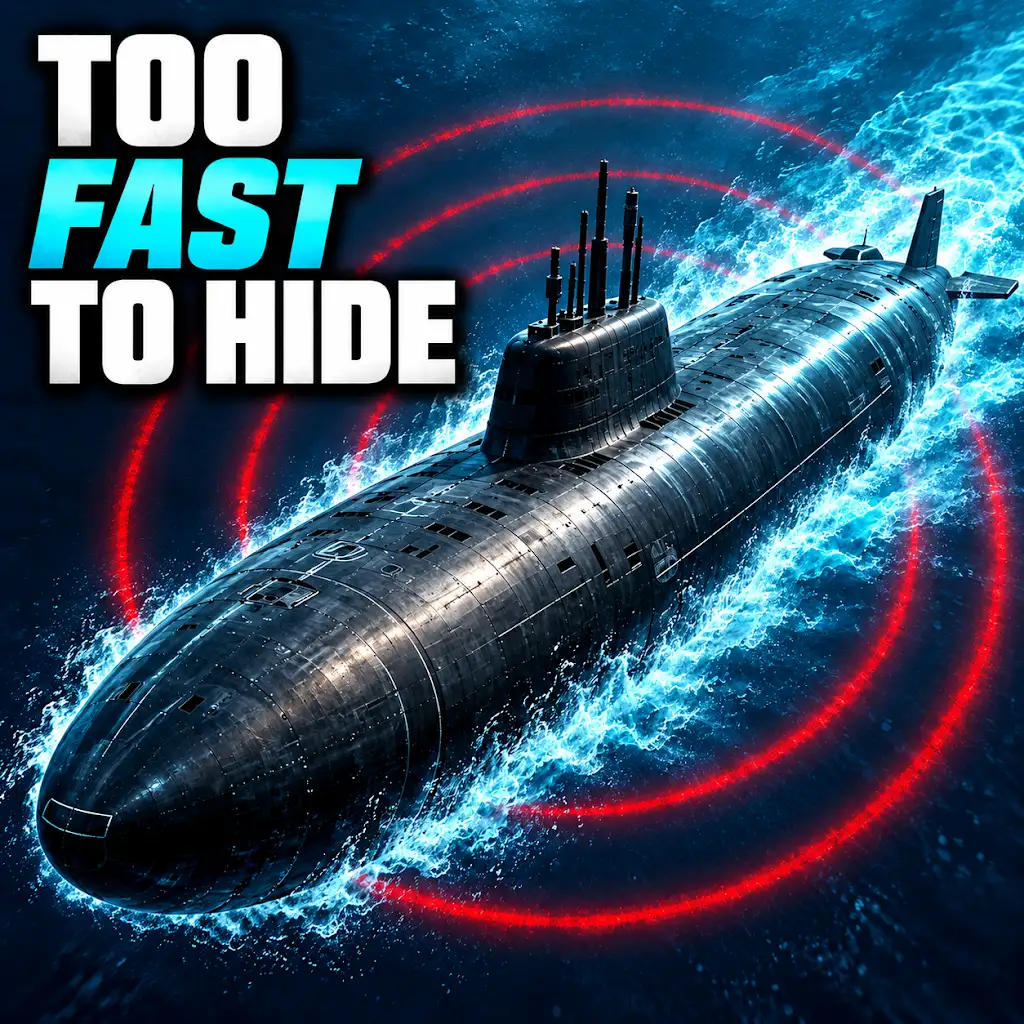
The Soviet Submarine That Broke a Speed Record—and Its Own Stealth
FAQs
What is the K-222 submarine?
The K-222 submarine, also known as the Soviet Navy’s Project 661 Anchar submarine, was a nuclear-powered submarine built in the 1960s.
What is the significance of the preserved sail of the K-222 submarine at Sevmash?
The preserved sail of the K-222 submarine at Sevmash serves as a historical artifact and a reminder of the Soviet Union’s advancements in submarine technology during the Cold War era.
Where is Sevmash located?
Sevmash is a shipbuilding company located in Severodvinsk, Russia, specializing in the construction and repair of nuclear submarines for the Russian Navy.
Why was the K-222 submarine known as the “Papa” submarine?
The K-222 submarine was nicknamed the “Papa” submarine due to its high speed and advanced technology, making it one of the fastest submarines in the world at the time of its commissioning.
Is the preserved sail of the K-222 submarine open to the public for viewing?
Yes, the preserved sail of the K-222 submarine at Sevmash is open to the public for viewing as part of the company’s efforts to showcase its naval heritage and technological achievements.