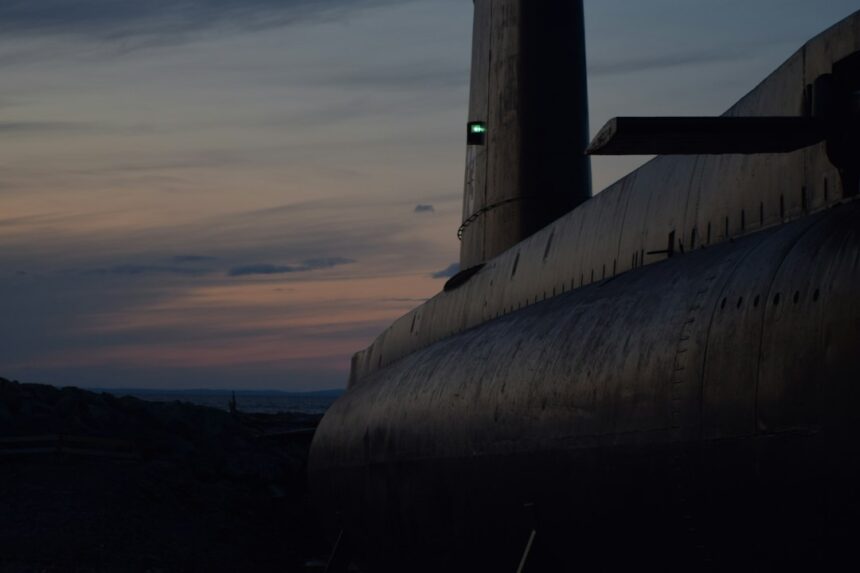
The chilling depths of the Barents Sea have long been a silent stage for the grim ballet of naval power, a realm where technological prowess and strategic might are tested against the unforgiving elements. Recently, whispers from this frigid frontier have coalesced into a tangible concern: the operational limitations of a specific Soviet-era submarine, a vessel now reportedly hobbled by age and technical degradation, rendering it incapable of operating at its intended full combat speed. This revelation, while not entirely surprising given the twilight years of much of the ex-Soviet fleet, raises significant questions about the readiness and effectiveness of naval assets that continue to be a cornerstone of certain military postures, even as newer technologies emerge. The implications extend beyond a single vessel, touching upon broader issues of maintenance, modernization, and the strategic calculus of maintaining a formidable underwater presence in an increasingly complex geopolitical landscape.
The Shadow of a Bygone Era: Submarine’s Historical Context and Design
The submarine in question, a relic of Soviet naval engineering, belongs to a generation of underwater craft that once instilled a deep sense of apprehension in adversaries. These vessels were conceived during a period of intense Cold War rivalry, designed with a singular focus on stealth, endurance, and the capacity to deliver devastating strikes. The Soviet Union, under relentless pressure to match and surpass the naval capabilities of the United States, poured immense resources into its submarine program. This led to the development of a diverse fleet, each class possessing unique characteristics and intended roles. The vessel in question, likely a descendant of a well-known class, embodies the design philosophies of its time: robust construction, a focus on crew survivability in harsh conditions, and a formidable array of offensive weaponry.
Engineering for Power and Stealth: Design Principles of Soviet Submarines
The engineers of the Soviet era were tasked with creating submarines that could operate effectively in the challenging waters of the North Atlantic and Arctic. This necessitated designs that prioritized both offensive capability and survivability. Unlike some Western designs that emphasized agility and speed, Soviet submarines often favored mass and endurance. They were built with thick hulls, capable of withstanding immense pressure, and equipped with powerful diesel-electric or nuclear propulsion systems designed for sustained operations. The emphasis was on maintaining a low acoustic signature, a crucial factor in evading detection by anti-submarine warfare (ASW) forces. This often involved compromises in other areas, such as habitability or certain operational maneuvers, but the overarching goal was to create a “silent hunter” capable of prolonged patrols and strategic deterrence. The design of this particular submarine would have reflected these core principles, incorporating advancements as they became available but fundamentally rooted in the doctrines of its era.
The Burden of Legacy: Aging Hull and Systems Degradation
Years of service, often in demanding operational environments, inevitably take their toll on any complex machinery. For a submarine, especially one designed decades ago, the cumulative effects of wear and tear can be particularly insidious. The hull, subjected to constant pressure cycles and exposure to corrosive saltwater, can develop microfractures and a general weakening of its structural integrity. Internal systems, from propulsion machinery and power generation to life support and weapons deployment mechanisms, are equally susceptible to degradation. The complex interplay of electrical components, hydraulic systems, and mechanical parts requires meticulous and constant maintenance. When resources become strained or the sheer age of components makes replacement impossible with original parts, operational limitations inevitably emerge. The submarine’s inability to reach its full speed is a clear indicator of such systemic issues.
In examining the limitations faced by Soviet submarines during the Cold War, it’s interesting to note that many of these vessels were unable to operate at full speed due to various design constraints and technological shortcomings. This issue not only affected their stealth capabilities but also their overall effectiveness in naval engagements. For a deeper understanding of the strategic implications of these limitations, you can read a related article on this topic at In The War Room.
The Manifestation of Limitations: Symptoms and Consequences of Reduced Speed
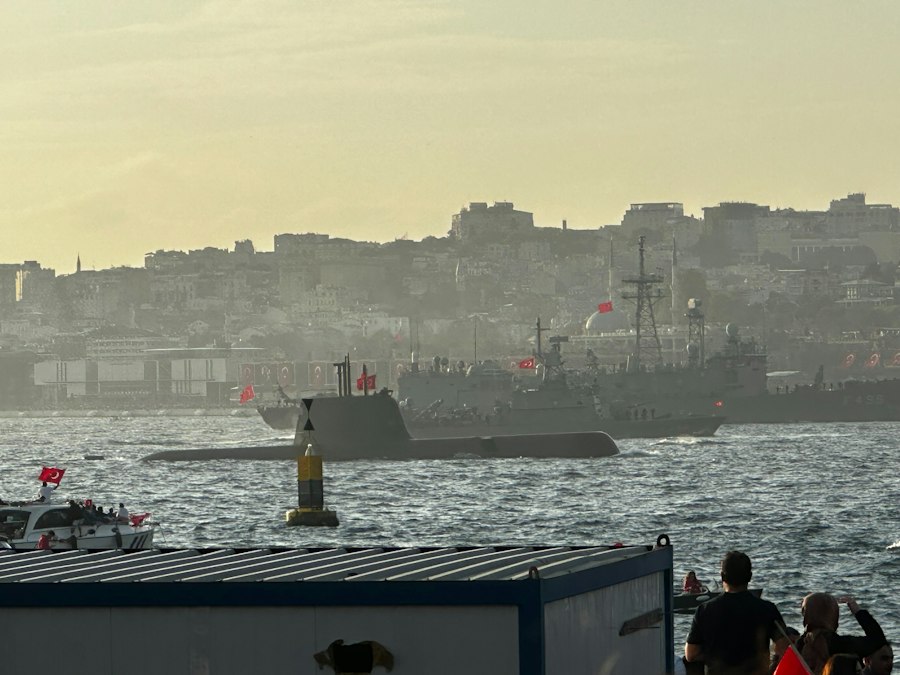
The reported inability of the submarine to operate at its full speed is not merely a technical footnote; it has profound operational and strategic ramifications. A submarine’s speed is a critical attribute, influencing its ability to evade threats, reposition for attack, or execute complex tactical maneuvers. When this capability is compromised, the vessel’s effectiveness as a combat platform is significantly diminished, creating vulnerabilities that can be exploited by adversaries. The implications extend to the entire operational sphere in which the submarine is intended to function.
Evading Detection: The Role of Speed in Stealth Operations
In the cat-and-mouse game of submarine warfare, speed is a crucial element of stealth. While submarines are designed to be acoustically quiet at lower speeds, high speeds are often required for rapid egress from a dangerous situation or for quickly changing position to avoid detection. A submarine that cannot achieve its maximum speed is inherently more vulnerable to ASW patrols. Its ability to break contact with pursuers is severely hampered, increasing the risk of being detected and tracked. This limitation transforms the submarine from a predator into potential prey, a significant strategic disadvantage. Furthermore, the psychological impact of being unable to escape a determined pursuer can be immense for the crew.
Offensive Capability: Impact on Engagement and Maneuvering
The effectiveness of a submarine’s offensive capabilities is intrinsically linked to its speed. The ability to rapidly close distance with a target, position itself for an optimal attack, or quickly disengage after firing weapons are all speed-dependent maneuvers. A submarine that cannot reach its full speed may find itself unable to achieve favorable firing solutions or may be forced to remain in a vulnerable position for longer than desired. This can lead to missed opportunities for engagement and an increased risk of counter-attack. The submarine’s tactical flexibility is therefore significantly curtailed, forcing commanders to adopt more cautious and potentially less effective operational plans.
Strategic Redeployment: The Challenge of Rapid Response
In a rapidly evolving conflict scenario, the ability to redeploy assets quickly is paramount. Submarines are often positioned to deter potential adversaries or to respond to emerging threats. If a submarine cannot achieve its full speed, its capacity for rapid redeployment is severely compromised. This means that it may not be able to reach a critical area in time to influence events, potentially leaving a flank exposed or a crucial chokepoint unmonitored. The strategic value of the submarine is therefore diminished, as its responsiveness is blunted by its physical limitations. This can necessitate the deployment of other, potentially less suitable, assets to fill the gap.
The Root Causes: Diagnosing the Technical Deficiencies
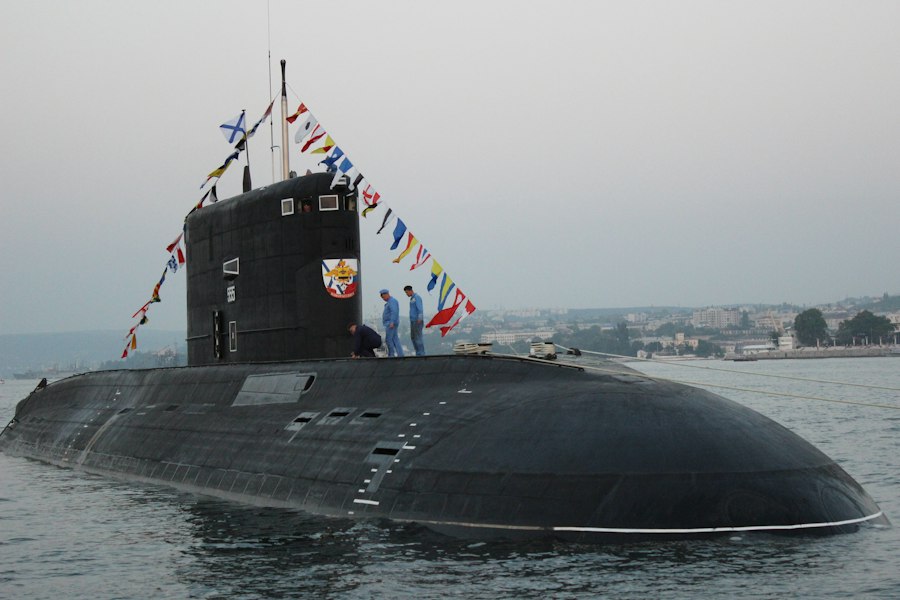
The inability of the submarine to operate at full speed is not a singular issue but rather a symptom of deeper, underlying technical problems. Diagnosing these deficiencies requires a thorough examination of the vessel’s core systems, from its power plant to its control mechanisms. The complex nature of submarine technology means that a failure in one area can cascade and affect others, making a comprehensive assessment essential. The economic and logistical realities of maintaining an aging fleet also play a significant role in the diagnosis and potential remediation of these issues.
Propulsion System Strain: Degradation of Engines and Transmissions
The heart of any submarine’s speed is its propulsion system. This typically comprises powerful engines, complex gearboxes, and associated systems for managing fuel, cooling, and exhaust. Decades of operation, often under extreme stress, can lead to significant wear and tear on these components. Engine cylinders can lose compression, turbines can suffer from blade erosion, and transmissions can develop worn gears or faulty bearings. The lubricants and seals within these systems also degrade over time, reducing efficiency and increasing friction. When the propulsion system is unable to generate the designed power output or transmit it effectively to the propeller, the submarine’s maximum speed is inevitably reduced. This can manifest as increased engine noise, overheating, or a noticeable lack of acceleration.
Power Generation and Distribution: The Achilles’ Heel of Aging Fleets
Beyond the direct propulsion, the ability to generate and distribute sufficient electrical power is crucial for a submarine’s operation. This includes the main generators, the battery banks, and the complex network of electrical cabling and control systems. In Soviet-era submarines, particularly nuclear-powered ones, the reactor core itself, while robust, can also experience degradation over its operational lifespan, affecting its power output. Furthermore, the electrical distribution system, with its numerous connections, switches, and circuit breakers, is prone to corrosion, insulation breakdown, and general wear. If the power generation and distribution systems are not operating at optimal efficiency, they may not be able to supply the necessary power to the propulsion motors, thus limiting the submarine’s speed. This can also lead to reliability issues with other onboard systems, further compounding operational challenges.
Control Systems and Hydraulics: The Finer Points of Maneuverability
Even with a powerful propulsion system, a submarine’s ability to achieve and maintain speed, as well as to maneuver effectively, relies heavily on its control systems and hydraulics. These systems manage everything from rudder and dive plane movements to ballast control and weapons deployment. Aging hydraulic pumps can lose pressure, seals can leak, and actuators can become sluggish. The complex electronic and mechanical components of the control systems can also suffer from wear, leading to delayed responses or erratic behavior. If these systems are not functioning optimally, they can prevent the submarine from achieving its designed speed or from performing the necessary fine-tuning maneuvers that allow for efficient operation at higher velocities.
The Strategic Dilemma: Balancing Modernization and Legacy Assets
The revelation of this submarine’s limitations highlights a persistent strategic dilemma faced by navies worldwide, particularly those with a significant legacy of Soviet-era equipment. The cost of maintaining, modernizing, or replacing these aging assets is substantial, forcing difficult decisions about resource allocation and strategic priorities. The continued reliance on older platforms, while sometimes unavoidable due to budget constraints or lead times for new construction, carries inherent risks and limitations.
The Financial Burden of Maintenance: Upkeep vs. Replacement Costs
Maintaining a fleet of aging submarines is a financially demanding undertaking. The cost of spare parts, specialized technical expertise, and dry-docking for repairs can quickly escalate. For older vessels, sourcing original or compatible replacement parts can become increasingly difficult and expensive, sometimes requiring custom fabrication. This continuous expenditure on upkeep can divert funds that might otherwise be used for the acquisition of new, more capable submarines. The economic argument for replacing an aging, high-maintenance asset with a modern, more efficient platform often becomes compelling, but the initial capital outlay for new construction is a significant hurdle.
The Modernization Tightrope: Upgrades or Obsolescence
Navies often face the difficult choice of whether to invest in modernizing their legacy fleet or to focus exclusively on developing and acquiring new platforms. Modernization can involve upgrading weapons systems, sonar, communication equipment, and even some propulsion components. However, there are limits to how much an older hull and core systems can be effectively upgraded. At some point, the fundamental design limitations of the original vessel become insurmountable. A submarine that is unable to achieve its designed speed, for instance, cannot be fully modernized to be a frontline combatant, no matter how advanced its other systems become. This forces a strategic decision: to maintain a partially effective but still operational legacy asset, or to accept its obsolescence and focus on future capabilities.
The Geopolitical Imperative: Maintaining Undersea Presence
Despite their limitations, older submarines can still play a role in maintaining an undersea presence and projecting power. They can be used for training, patrols in less contested areas, or as part of a larger, multi-layered naval force. The geopolitical landscape often necessitates a certain level of operational readiness, and the complete divestment of such assets can create strategic gaps. Therefore, naval planners must constantly balance the practical limitations of aging equipment with the strategic imperative of maintaining a credible undersea deterrent. The existence of a submarine, even one operating at reduced capacity, can still serve a purpose in the broader scheme of naval strategy.
The challenges faced by the Soviet submarine fleet during the Cold War are well-documented, particularly regarding their operational limitations. One notable issue was that many submarines could not fight at full speed due to design constraints and the need for stealth. For a deeper understanding of these operational challenges and their implications on naval strategy, you can read more in this insightful article about submarine warfare tactics. The article explores various factors that affected the performance of submarines, including technological advancements and strategic decisions. You can find it here: submarine warfare tactics.
The Path Forward: Adapting to Operational Realities
| Metric | Details |
|---|---|
| Submarine Name | K-219 |
| Type | Yankee-class ballistic missile submarine |
| Incident Date | October 3, 1986 |
| Cause of Reduced Speed | Missile tube explosion and subsequent flooding |
| Maximum Speed (Normal) | 24 knots |
| Maximum Speed (Post-Incident) | Unable to exceed 5 knots |
| Operational Impact | Could not fight or evade effectively at full speed |
| Casualties | 4 crew members lost |
| Outcome | Submarine was towed back to base but declared inoperable |
The challenges posed by a disabled Soviet submarine are not insurmountable, but they demand a pragmatic and adaptable approach. The immediate concern is to assess the full extent of the damage and to determine if any meaningful repairs or operational modifications are feasible. In the longer term, this situation serves as a stark reminder of the need for continuous investment in naval modernization and the strategic planning required to manage the lifecycle of complex military assets.
Immediate Assessment and Risk Mitigation: Understanding the Extent of Damage
The first step is a comprehensive technical assessment of the submarine. This involves detailed inspections of the propulsion system, power generation, hull integrity, and all critical operational systems. The goal is to understand precisely why the submarine cannot operate at full speed and what the potential risks are associated with operating it at its current capacity. Based on this assessment, decisions can be made regarding its continued operational status, potential for repair, or eventual decommissioning. Risk mitigation strategies would involve reassigning the submarine to less demanding roles if it remains operational, or ensuring that any deployments are meticulously planned to account for its limitations.
Exploring Repair and Refurbishment Options: A Cost-Benefit Analysis
The feasibility and cost-effectiveness of repairing or refurbishing the submarine need to be thoroughly evaluated. This might involve a detailed cost-benefit analysis, comparing the expense of repairs with the potential operational gains. It is also crucial to consider the availability of expertise and spare parts. If the damage is extensive and the cost of repair is prohibitive, it might be more prudent to focus resources on new construction or on upgrading other, more capable vessels. However, if the issues are localized and repairable at a reasonable cost, then the submarine could potentially serve for an extended period in a reduced, but still useful, capacity.
The Strategic Imperative of Fleet Renewal: Investing in the Future
Ultimately, the situation with this disabled submarine underscores the vital importance of fleet renewal. Continuous investment in modern submarine technology is essential to maintaining a credible naval deterrent and adapting to evolving threats. This includes not only the acquisition of new vessels but also the development of advanced technologies in areas such as stealth, sensors, and weapons systems. A proactive approach to fleet management, anticipating the obsolescence of current assets and planning for their replacement, is crucial to avoiding situations where valuable resources are tied up in increasingly incapable platforms. The future of naval power lies in embracing innovation and ensuring that the fleet remains a potent and adaptable force.
The Soviet Submarine That Broke a Speed Record—and Its Own Stealth
FAQs
What was the name of the Soviet submarine that could not fight at full speed?
The Soviet submarine that could not fight at full speed was known as the K-19.
Why was the K-19 unable to fight at full speed?
The K-19 was unable to fight at full speed due to a major reactor coolant leak that occurred during its sea trials in 1961.
What was the significance of the K-19 in Soviet naval history?
The K-19 was one of the first Soviet nuclear-powered submarines and played a crucial role in the Cold War era.
How did the crew of the K-19 handle the reactor coolant leak?
The crew of the K-19 worked tirelessly to repair the reactor coolant leak, risking their lives to prevent a nuclear disaster.
What was the outcome of the reactor coolant leak on the K-19?
Despite the crew’s efforts, the reactor coolant leak on the K-19 resulted in several crew members being exposed to high levels of radiation, leading to long-term health issues for many of them.