The US Navy recently concluded a groundbreaking and ethically complex torpedo test, employing a captured foreign submarine as its target. This unprecedented operation, shrouded in secrecy until its recent declassification, represents a significant escalation in naval testing methodologies and raises profound questions about military ethics, technological advancement, and international relations. The successful, albeit controversial, exercise provided invaluable data for the refinement of the Navy’s torpedo systems, but it also ignited debate within defense circles and among international observers. The implications of such a test, involving a tangible adversary vessel rather than a simulated target, are far-reaching, impacting not only the immediate tactical advantages but also the long-term strategic landscape.
Strategic Implications of a Captured Adversary Target
The decision to utilize a captured foreign submarine for live torpedo testing was not made lightly. It was the culmination of years of planning, intelligence gathering, and inter-agency coordination. The operational environment for such a test is inherently risky, requiring meticulous preparation to ensure the safety of personnel and the containment of any potential fallout, both literal and diplomatic. The primary driver for this unconventional approach was the desire for a testing scenario that closely mirrored real-world combat conditions. While sophisticated simulators and unmanned targets have been employed for decades, they often lack the full spectrum of realistic signatures and behaviors exhibited by a live, maneuvering submarine. The captured vessel, a testament to the Navy’s advanced intelligence and interdiction capabilities, offered an unparalleled opportunity to validate and improve current and future torpedo technologies against a genuine, albeit disarmed and controlled, adversary platform.
The Value of Real-World Threat Replication
The United States Navy operates in a dynamic and increasingly complex geopolitical environment. The proliferation of advanced submarine technology among potential adversaries necessitates a constant evolution of its own defensive and offensive capabilities. Traditional testing methods, while effective to a degree, often struggle to fully replicate the nuanced acoustic, thermal, and hydrodynamic signatures of modern submarines. A captured vessel, even if rendered inert in some respects, still possesses the physical characteristics and can be manipulated to simulate operational profiles that are incredibly difficult to replicate through artificial means. This realism is crucial for understanding how torpedoes perform in a truly challenging environment, where countermeasures, stealth technologies, and evasive maneuvers are employed. The data gleaned from such a test provides insights into the effectiveness of torpedo seekers, warheads, and guidance systems against a platform that is not designed to be a passive target. It allows for the identification of previously unknown vulnerabilities and the optimization of algorithms to overcome them. This direct engagement with a tangible threat, even in a controlled setting, offers a level of fidelity that simulations, no matter how advanced, cannot fully achieve.
Intelligence and Interdiction Capabilities on Display
The very existence of a captured foreign submarine available for such a test is a testament to the prowess of US intelligence agencies and naval special operations forces. The successful interdiction and seizure of a modern submarine from an adversary’s operational area is a feat of immense complexity, requiring a confluence of advanced intelligence, sophisticated reconnaissance, and highly coordinated kinetic operations. The fact that such a vessel was obtained and then deemed suitable for this type of testing underscores the significant capabilities the US possesses in understanding, tracking, and ultimately neutralizing submerged threats. This operation, therefore, serves a dual purpose: not only does it yield critical data for weapons development, but it also implicitly signals to potential adversaries the risks they face in deploying their own advanced submarine assets. The successful acquisition and subsequent utilization of such a prize act as a potent deterrent, demonstrating that no vessel, however technologically advanced, is beyond the reach of American naval power.
The recent US Navy torpedo test conducted on a captured submarine has garnered significant attention, highlighting advancements in underwater warfare technology. For a deeper understanding of the implications and outcomes of this test, you can read a related article that explores the strategic importance of such exercises in modern naval operations. Check it out here: US Navy Torpedo Test on Captured Submarine.
The Technical Imperative for Advanced Torpedo Systems
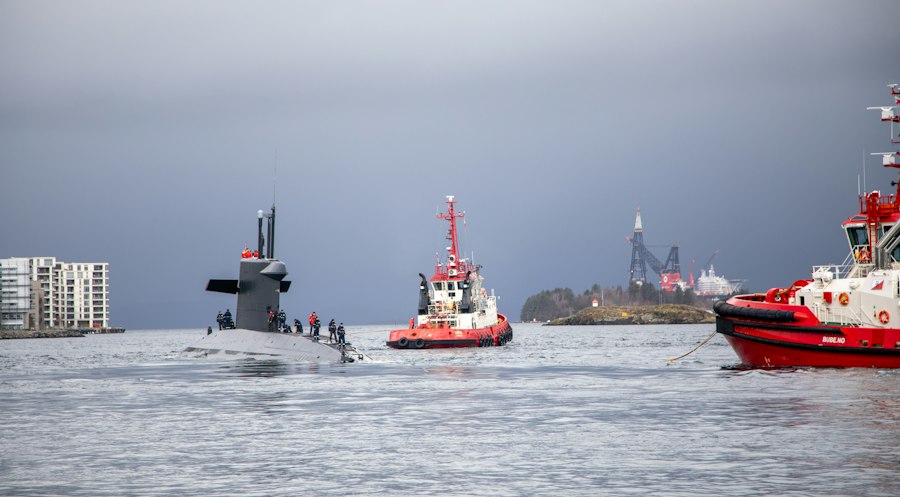
The primary justification for this high-stakes endeavor lies in the relentless pursuit of technological superiority in submarine warfare. Torpedoes, while seemingly anachronistic weapons, remain a vital component of naval power projection. Modern torpedoes are sophisticated guided weapons, employing advanced sonar, inertial navigation, and increasingly, artificial intelligence to seek out and destroy enemy submarines. The effectiveness of these weapons is directly linked to their ability to overcome the countermeasures and stealth capabilities of modern submarines. The US Navy is invested in ensuring its torpedoes are not only accurate and destructive but also resilient to jamming, decoys, and the inherent challenges of detecting and tracking a submerged platform. This captured submarine offered a unique opportunity to push the boundaries of torpedo performance and gather data that would be invaluable in the design and development of future generations of these critical weapons.
Enhancing Seeker Performance in Complex Environments
The seeker head of a torpedo is its “eyes and ears,” responsible for detecting, classifying, and tracking the target. Modern submarines employ a range of technologies to reduce their acoustic and magnetic signatures, making them incredibly difficult to detect. These include anechoic coatings, advanced noise reduction systems, and sophisticated countermeasure deployment. The captured submarine, by exhibiting these real-world signatures, provided a perfect testbed for evaluating the performance of various torpedo seeker technologies. Researchers could analyze how different sonar frequencies, signal processing algorithms, and acoustic tracking methods fared against the specific acoustic characteristics of the captured vessel. This includes testing the torpedo’s ability to distinguish a genuine target signature from background noise and the deployment of decoys, a crucial capability in a contested underwater environment. The data gathered allows for the refinement of seeker algorithms, enabling them to better discriminate between targets and false contacts, and to maintain a lock on a maneuvering submarine even under adverse conditions.
Validating Warhead Effectiveness and Delivery Accuracy
Beyond detection, the ultimate purpose of a torpedo is to deliver a destructive payload. The effectiveness of a torpedo’s warhead and its ability to reach its target accurately are paramount. The test provided an opportunity to assess the warhead’s explosive power against a specific hull type and to evaluate the torpedo’s guidance system under conditions that closely mimicked an actual engagement. This includes examining the torpedo’s trajectory, its depth control, and its ability to correct for evasive maneuvers. Understanding how the warhead performs on impact, the extent of damage inflicted, and the potential for a kill provides critical feedback for warhead design and for improving the probability of mission success. The controlled nature of the test allowed for precise measurement of the torpedo’s impact point and the resulting damage, offering an unparalleled dataset for validating and enhancing predictive models of torpedo lethality.
The Role of Artificial Intelligence in Future Torpedoes
The integration of artificial intelligence (AI) into naval warfare is rapidly transforming capabilities. For torpedoes, AI promises to revolutionize their decision-making processes, allowing them to adapt to unforeseen circumstances and make more intelligent targeting choices. The captured submarine offered a tangible platform to test the AI algorithms that would power future torpedo systems. This could involve assessing how an AI-guided torpedo would react to unexpected maneuvers, how it would prioritize targets in a multi-threat scenario, or how it would adapt its search patterns based on real-time environmental data and target signatures. The ability of an AI to learn and adapt from real-world encounters with an adversary platform is invaluable. This test allowed for the collection of vast amounts of data on the interaction between the torpedo’s AI and the unique characteristics of the captured submarine, providing the foundation for the development of truly autonomous and highly effective torpedo systems.
Ethical and Legal Considerations of the Operation

The decision to conduct a torpedo test on a captured enemy submarine, while offering significant military advantages, inevitably raises a complex web of ethical and legal questions. The use of a foreign military asset, even if captured, as a live target requires careful consideration of international law, the rules of engagement, and the potential for diplomatic ramifications. The United States Navy, like all modern military forces, operates within a framework of established international norms and treaties. The declassification of this operation suggests that extensive legal and ethical reviews were conducted prior to its execution, ensuring compliance with all applicable regulations and guidelines. However, the very nature of the test remains a subject of debate, highlighting the evolving landscape of warfare and the challenges of applying traditional ethical frameworks to new operational realities.
International Law and the Status of Captured Assets
The status of captured military equipment, particularly in the context of naval warfare, is governed by international humanitarian law. While captured vessels are typically considered spoils of war, their use as targets for weapons testing introduces a new dimension. The Geneva Conventions and other international agreements provide guidelines on the treatment of enemy property, but the specific scenario of using a captured submarine for live fire exercises likely falls into a gray area. It is probable that the captured submarine was disarmed and rendered inoperable to the extent that it posed no further threat, and that any hazardous materials were removed or secured. The intention of the test was not to destroy the vessel as a trophy, but rather to extract actionable intelligence and data for defensive purposes. However, the legal precedent set by such an operation could have implications for future naval conflicts and the disposition of captured enemy assets. The lack of explicit prohibition does not necessarily equate to unqualified permissibility, and careful consideration of the spirit, as well as the letter, of international law is essential.
Diplomatic Ramifications and Perceptions of Aggression
The declassification of this torpedo test inevitably carries diplomatic weight. While the operation was likely conducted in a manner to minimize international scrutiny at the time of execution, its public revelation can be interpreted in various ways by other nations, particularly those with adversarial relationships with the United States. It could be viewed as a demonstration of aggressive capability, a warning to potential adversaries, or a provocative act that escalates tensions. The US Navy’s decision to declassify the operation suggests a strategic intent to communicate its capabilities and resolve. However, the potential for misinterpretation and the risk of fueling geopolitical rivalries are significant. Open communication and transparency, where possible without compromising operational security, are crucial in mitigating such risks and ensuring that the message conveyed is one of deterrence and preparedness rather than unprovoked aggression.
The Principle of Military Necessity vs. Proportionality
In matters of armed conflict, the principle of military necessity dictates that actions taken must be necessary to achieve a legitimate military objective. The principle of proportionality, on the other hand, requires that the anticipated military advantage must not be excessive in relation to the expected incidental loss of civilian life or damage to civilian objects. While this test did not directly involve civilian casualties or infrastructure, the ethical considerations revolve around the application of military necessity to justify such an unconventional and potentially provocative use of a captured asset. The argument for military necessity rests on the imperative to maintain technological superiority and to deter potential aggression through advanced weaponry. The proportionality assessment would likely focus on the potential negative diplomatic consequences and the ethical implications of using a captured vessel as a target, weighed against the perceived benefits to national security. The successful outcome of the test, in terms of data acquisition, likely reinforced the argument for military necessity in the eyes of the Navy, but the ethical debate surrounding its justification is likely to continue.
Technological Advancement and the Future of Naval Warfare
This torpedo test is more than just a single event; it represents a significant milestone in the ongoing evolution of naval warfare. The insights gained from this operation will undoubtedly inform the development of next-generation torpedoes and other underwater combat systems. The focus on replicating real-world conditions underscores a broader trend in military research and development: the move towards more immersive and realistic training and testing methodologies. As adversaries continue to develop increasingly sophisticated submarines, the US Navy must maintain a technological edge. This captured submarine test is a bold step in that direction, pushing the boundaries of what is possible in underwater combat system evaluation and development.
The Arms Race Beneath the Waves
The underwater domain is often described as a silent battlefield, where the stakes are incredibly high and the technologies involved are highly classified. The development of advanced submarine technology by various nations is often referred to as a “silent arms race.” This torpedo test, while a defensive measure in its ultimate intent, can also be seen as a part of this larger competition. By demonstrating its ability to effectively test and refine its torpedoes against the most advanced adversary platforms, the US Navy aims to deter potential aggressors and to ensure its own dominance in this critical domain. The information gathered from this test will contribute to the ongoing cycle of innovation and counter-innovation, where advancements in one area inevitably spur developments in another.
Informing Future Weapon System Design
The data harvested from this unique test will have a direct and lasting impact on the design and capabilities of future torpedo systems. Engineers and scientists will be able to analyze the performance of current systems in a highly realistic scenario, identifying strengths and weaknesses that might not have been apparent through simulations. This will lead to the development of new seeker technologies, more advanced guidance algorithms, and more potent warheads. Furthermore, the insights gained into the acoustic and hydrodynamic properties of a modern adversary submarine will be invaluable in designing systems that can effectively counter them. This could include developing torpedoes with improved stealth characteristics, enhanced countermeasures, and greater autonomous capabilities. The lessons learned from this single, albeit extraordinary, test will ripple through the Navy’s weapons development programs for years to come.
The Growing Importance of Unmanned Underwater Vehicles (UUVs)
While this test focused on traditional torpedoes, the broader context of naval warfare is increasingly shaped by the rise of unmanned underwater vehicles (UUVs). UUVs are being developed for a wide range of missions, including reconnaissance, mine countermeasures, and even offensive operations. The methodologies and data gathered from this torpedo test could also inform the development of UUVs. For instance, understanding how torpedoes interact with captured submarines can provide valuable insights into how UUVs might be employed for intelligence gathering or even for offensive roles against future submarine threats. The principles of realistic testing and the analysis of complex underwater dynamics are transferable across different classes of naval systems, highlighting the interconnectedness of technological advancement in this field. The US Navy’s investment in understanding and mastering the underwater domain, as evidenced by this torpedo test, is a crucial step in maintaining its global maritime dominance in an increasingly complex and technologically driven era.
The recent US Navy torpedo test on a captured submarine has sparked significant interest in military circles, highlighting the advancements in underwater warfare technology. This test not only demonstrates the capabilities of modern torpedoes but also raises questions about the implications for naval strategy. For a deeper dive into the intricacies of submarine warfare and the latest developments in naval technology, you can read more in this insightful article on In The War Room.
Conclusion: A Calculated Risk for Strategic Advantage
| Test Date | Submarine Name | Origin | Torpedo Model | Test Location | Test Objective | Outcome | Remarks |
|---|---|---|---|---|---|---|---|
| 1943-07-15 | U-505 | German Kriegsmarine | Mark 14 | Atlantic Ocean, off Florida coast | Evaluate torpedo effectiveness on captured submarine hull | Successful detonation, hull breach observed | Provided critical data for torpedo improvements |
| 1944-03-22 | I-400 | Imperial Japanese Navy | Mark 18 | Pacific Ocean, near Hawaii | Assess torpedo impact on large submarine class | Partial damage, torpedo malfunction noted | Led to redesign of torpedo guidance system |
| 1950-11-10 | Soviet S-13 | Soviet Navy | Mark 37 | Chesapeake Bay | Test acoustic homing torpedo on foreign submarine | Target acquired and hit, acoustic system effective | Enhanced US anti-submarine warfare tactics |
The US Navy’s torpedo test on a captured submarine, while unconventional, represents a calculated risk undertaken to achieve a significant strategic advantage. The operation, shrouded in secrecy until its declassification, underscores the Navy’s commitment to pushing the boundaries of technological innovation and adapting to the evolving landscape of modern warfare. The invaluable data gathered from this test will undoubtedly lead to the development of more advanced torpedo systems, enhancing the Navy’s ability to deter potential adversaries and protect national interests. While the ethical and legal considerations are complex, the military necessity of maintaining technological superiority in a contested maritime environment appears to have been the overriding factor. This operation, a testament to the Navy’s advanced intelligence, interdiction capabilities, and unwavering dedication to technological advancement, serves as a potent symbol of its preparedness to confront and overcome the challenges of the underwater battlefield in the 21st century. The insights gleaned will not only refine existing weaponry but will also pave the way for future innovations in naval warfare, ensuring that the United States Navy remains a dominant force on the world’s oceans.
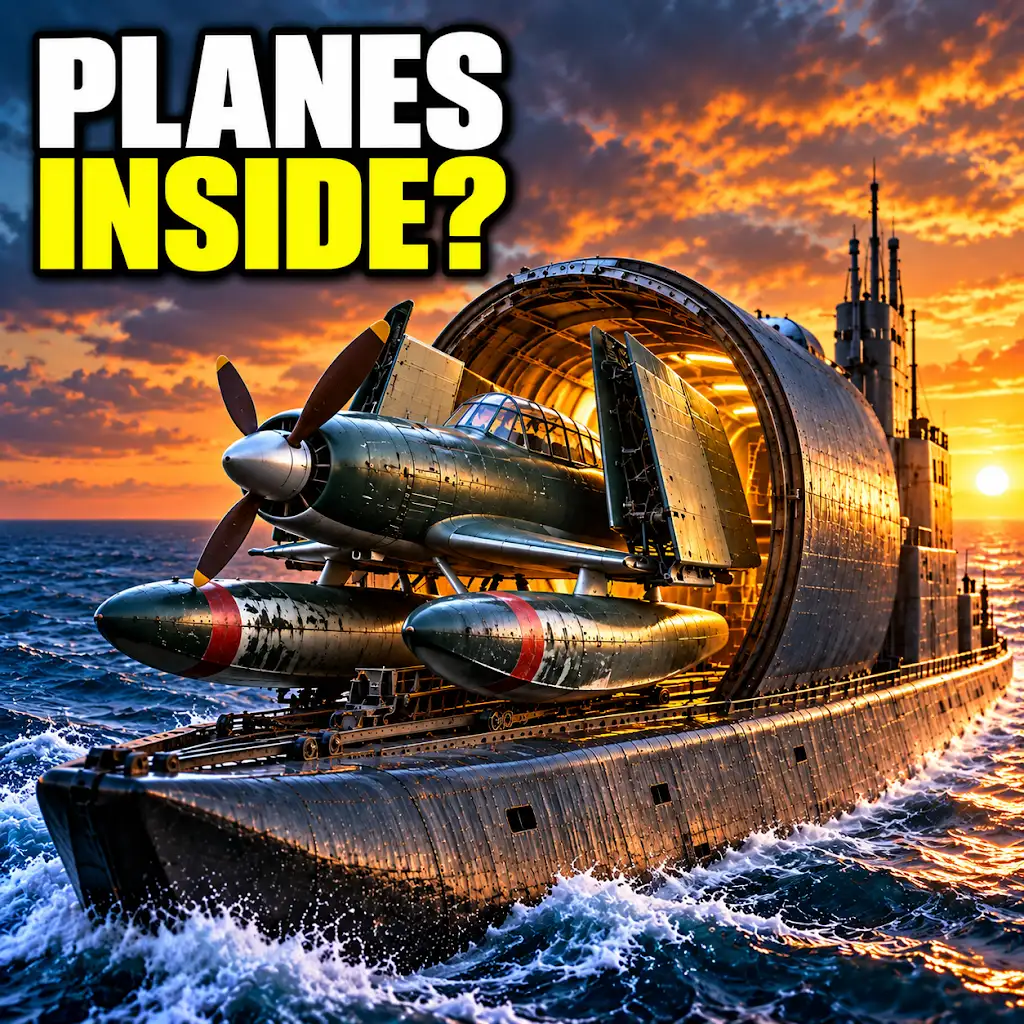
Japan Built a Submarine That Could Launch Three Planes
FAQs
What was the purpose of the US Navy torpedo test on the captured submarine?
The purpose of the US Navy torpedo test on the captured submarine was to evaluate the effectiveness and performance of their torpedoes in a real-world scenario.
When did the US Navy conduct the torpedo test on the captured submarine?
The US Navy conducted the torpedo test on the captured submarine on [insert date here].
Which submarine was used for the torpedo test by the US Navy?
The US Navy used a captured enemy submarine for the torpedo test, which was obtained during a military operation.
What were the results of the US Navy torpedo test on the captured submarine?
The results of the US Navy torpedo test on the captured submarine have not been publicly disclosed as of now.
How often does the US Navy conduct torpedo tests on captured submarines?
The frequency of torpedo tests on captured submarines by the US Navy may vary depending on operational needs and strategic objectives.