The United States Navy, in its relentless pursuit of victory during the Second World War, employed a diverse array of strategies and tactics to neutralize the formidable Japanese submarine threat. While the sinking of enemy submarines often conjures images of dramatic depth charge battles and hunter-killer operations, a less frequently discussed, yet significant, aspect of this naval struggle involved the deliberate destruction of captured Japanese submarines. These vessels, whether surrendered, disabled and taken as prizes, or salvaged from wrecks, represented valuable intelligence assets. However, the logistical and security challenges associated with holding onto such unique enemy technology, coupled with the strategic imperative to deny any potential exploitation by the enemy, often led to their scuttling or outright destruction. This article delves into the methods and motivations behind the US Navy’s decision to sink captured Japanese submarines, highlighting a pragmatic approach to wartime resource management and intelligence security.
The Prize of War: Initial Encounters and the Dilemma of Capture
The initial stages of the Pacific War saw the Imperial Japanese Navy (IJN) fielding a potent submarine force, capable of inflicting significant damage on Allied shipping. While the US Navy focused on countering these threats through conventional means, the possibility of capturing intact or partially functional submarines presented a unique opportunity. The Japanese submarine fleet was characterized by its technological sophistication for the era, including innovative designs and advanced weaponry. The capture of even a single submarine could offer invaluable insights into enemy capabilities, operational doctrines, and technological secrets.
Early Engagements and Unexpected Opportunities
Throughout the war, several Japanese submarines met their end through combat, but a few instances arose where capture became a possibility, however fleeting. These might have been submarines that ran aground due to damage, were abandoned by their crews after being disabled, or even those that attempted to surrender. The US Navy was acutely aware of the intelligence goldmine these vessels represented. Technicians and intelligence officers would meticulously study any captured vessel, dissecting its systems, analyzing its construction, and cataloging its equipment. This process was crucial for understanding Japanese naval strengths and weaknesses, informing the development of countermeasures and offensive strategies.
The Intelligence Imperative: A Double-Edged Sword
The intelligence gained from captured Japanese submarines was immense. Information on their sonar capabilities, torpedoes, engine designs, communication systems, and even their tactical deployment patterns could directly influence Allied shipbuilding, anti-submarine warfare (ASW) tactics, and code-breaking efforts. For instance, understanding the acoustic signatures of Japanese submarines allowed for the improvement of Allied sonar equipment, while knowledge of their torpedo guidance systems could lead to the development of effective countermeasures. However, the very value of this intelligence also presented a significant security challenge. In the chaotic environment of a prolonged global conflict, the risk of captured enemy technology falling back into enemy hands, either through recapture or intelligence leaks, was a constant concern. Furthermore, the logistical burden of transporting, housing, and maintaining a captured enemy vessel, especially a submarine, was substantial and often outweighed the immediate intelligence benefits, particularly when the war effort demanded resources be prioritized elsewhere.
During World War II, the United States made the strategic decision to sink captured Japanese submarines to prevent them from being reused by the enemy and to gather intelligence on their technology. This action was part of a broader effort to maintain naval superiority in the Pacific theater. For a deeper understanding of the motivations and implications behind this decision, you can read a related article on the topic at In the War Room.
Operational Challenges of Holding Enemy Submarines
The decision to sink a captured Japanese submarine was rarely made lightly. It was a pragmatic choice dictated by a complex interplay of strategic considerations, operational realities, and security protocols. The United States Navy, stretched thin across multiple theaters of war, had to make difficult choices about resource allocation. The burden of securing, maintaining, and interrogating a captured submarine, while simultaneously prosecuting an active war, presented significant hurdles.
Securing and Transporting a Prize
Once a Japanese submarine was successfully captured, the immediate task was to secure it. This involved neutralizing any remaining threats, such as booby traps or unexploded ordnance, and taking control of the vessel. A prize crew, composed of American sailors, would then be placed aboard to operate and navigate the submarine. The journey back to a friendly port was fraught with peril. The captured vessel was a slow-moving and conspicuous target, vulnerable to enemy air and submarine attacks. Moreover, the crew of the prize vessel often lacked intimate knowledge of its operational quirks, increasing the risk of accidents. The need for extensive repairs and modifications to make the submarine seaworthy for transit, especially through potentially hostile waters, further complicated matters.
The Cost of Maintenance and Interrogation
Maintaining a captured Japanese submarine was a costly and time-consuming endeavor. These vessels were complex machines, and their upkeep required specialized parts and trained personnel, which were often in short supply. Furthermore, the process of intelligence exploitation, while vital, demanded significant manpower and resources. Interrogation of captured crew members, detailed technical analysis of equipment, and exhaustive documentation all required dedicated teams and facilities. In a war where every ship, every sailor, and every ton of supplies was critical, dedicating these resources to a single captured submarine often meant diverting them from more pressing operational needs. The logistical tail for managing such a prize could become a significant drain on an already strained naval infrastructure.
The Strategic Imperative: Denying Enemy Exploitation
Beyond the logistical and security concerns, a powerful strategic rationale underpinned the decision to sink captured Japanese submarines: the absolute necessity of denying the enemy any opportunity to learn from their own losses or to recover valuable technology. In the intricate chess game of naval warfare, understanding the enemy’s capabilities and intentions was paramount. Allowing a captured submarine to fall into enemy hands, even inadvertently, could have provided them with critical intelligence regarding Allied ASW tactics, ship vulnerabilities, or communication methods.
Preventing Recapture and Intelligence Leaks
The fear of recapture was a constant specter. A captured submarine, even if secured in a friendly port, remained a tempting target for enemy raids or covert operations. The possibility of Japanese forces attempting to reclaim their technology, or of a successful enemy intelligence operation to glean information from the captured vessel, could not be discounted. Furthermore, the risk of information leaks, whether intentional or accidental, was always present. The more people who had access to the captured technology and the intelligence derived from it, the greater the chance of that information reaching the enemy. Sinking the submarine eliminated this risk entirely, ensuring that the technology and the secrets it held remained exclusively in Allied hands.
Denying Technological Advantage to the Enemy
The IJN was known for its innovation, and some of its submarine designs and technologies were cutting-edge. The loss of a new class of submarine, or a vessel equipped with a particularly effective piece of equipment, could have provided the Japanese with valuable feedback. They might have been able to identify vulnerabilities in their own designs, learn how their submarines were being detected and countered, or even glean information about Allied ASW technologies. By destroying the captured submarine, the US Navy effectively closed this feedback loop, preventing the IJN from benefiting from its own technological failures. It was a form of “scorched earth” policy applied to captured materiel, ensuring that the enemy could not learn from their mistakes or adapt their strategies based on the loss of their own assets.
Methods of Scuttling and Destruction
When the decision was made to scuttle or destroy a captured Japanese submarine, the US Navy employed a range of methods to ensure the vessel was rendered completely inoperable and irretrievable. These methods were chosen based on the circumstances of the capture, the condition of the submarine, and the available resources, all with the ultimate goal of absolute destruction.
Controlled Scuttling and Deliberate Sinking
One common method involved controlled scuttling. This meant deliberately opening seacocks and flooding compartments to sink the submarine in deep water, making recovery extremely difficult, if not impossible. This process could be carefully managed to ensure the submarine sank in a location that would not pose a navigational hazard and where it would be unlikely to be disturbed. In some cases, explosives might have been used to further damage the hull and ensure the complete destruction of critical components, making any salvage operation futile. The intention was not merely to sink the vessel, but to ensure its permanent removal from any potential use.
Naval Gunfire and Torpedo Strikes
In situations where the submarine was still relatively intact and accessible, the US Navy might have resorted to more direct methods of destruction. Naval gunfire from destroyers or other warships could be used to riddle the hull, damage the pressure hull, and destroy internal machinery. Alternatively, torpedoes from escorting vessels or even the submarine’s own torpedoes (if they could be safely detonated) could be employed to achieve complete destruction. These methods were often more dramatic and ensured a more thorough obliteration of the captured vessel, leaving little to no chance of salvage or intelligence recovery. The visual confirmation of the submarine being sunk was often as important as the act itself, serving as a testament to Allied naval dominance.
The Fate of the Crew
The fate of the Japanese sailors who crewed these captured submarines was also a consideration, though often a secondary one in the heat of wartime operations. If the submarine was captured intact, any surviving crew members would have been taken prisoner of war. However, if the submarine was scuttled or destroyed, the crew’s fate would have depended on the circumstances of the capture and the sinking. In many instances, if the vessel was disabled and abandoned, the surviving crew might have been rescued by Allied ships. If the sinking was a more rapid or violent affair, the chances of survival for the crew would have been significantly diminished. The overriding concern, however, remained the destruction of the vessel and its contents, to deny the enemy any advantage.
During World War II, the United States made the strategic decision to sink captured Japanese submarines to prevent them from being used against Allied forces. This action was part of a broader effort to eliminate any potential threats and gather intelligence on enemy technology. For a deeper understanding of the motivations behind this decision, you can read a related article that explores the complexities of naval warfare during that era. The article provides insights into the tactics employed by both sides and the implications of such actions on the war’s outcome. To learn more, visit this link.
Legacy and Historical Perspective
| Reason | Description | Impact |
|---|---|---|
| Prevent Technology Transfer | The US sank captured Japanese submarines to prevent advanced technology from falling into Soviet or other foreign hands during and after WWII. | Maintained US technological advantage in submarine warfare. |
| Security Concerns | Captured subs could contain sensitive information or codes that, if recovered by enemies, could compromise US security. | Reduced risk of intelligence leaks. |
| Operational Costs | Maintaining and studying captured submarines was costly and resource-intensive. | Resources were better allocated to active fleet and research projects. |
| Obsolescence | Some captured Japanese subs were outdated or damaged beyond repair, making them unsuitable for study or use. | Decision to sink rather than preserve or display. |
| Post-War Policy | US policy favored destruction of enemy war assets to prevent future military use. | Contributed to disarmament and demilitarization efforts. |
The practice of sinking captured Japanese submarines, while perhaps less dramatic than the celebrated naval battles, played a crucial role in the broader context of the Pacific War. It represented a pragmatic and often necessary aspect of wartime strategy, demonstrating the US Navy’s commitment to both gaining and protecting vital intelligence while simultaneously denying the enemy any benefit from their losses. The limited number of Japanese submarines captured and subsequently sunk means that detailed historical accounts are often scarce, making these instances a somewhat obscured footnote in the grand narrative of the war.
Forgotten Vessels and Unwritten Stories
The submarines that were sunk after capture represent a forgotten chapter in naval history. Unlike the famous Allied submarines that patrolled enemy waters or the Japanese submarines sunk in combat, these captured vessels fade into obscurity. Their stories are often confined to the pages of declassified naval documents, operational logs, and the personal recollections of the sailors who were involved in their capture and destruction. The lack of sensationalized accounts means that their significance in intelligence gathering and strategic denial is often overlooked by the general public. However, for naval historians and strategists, these events offer valuable insights into the complex decision-making processes that characterized the war.
Lessons Learned and the Evolution of Naval Warfare
The decisions made regarding captured Japanese submarines contributed to the ongoing evolution of naval warfare. The constant need to balance intelligence acquisition with security concerns, the logistical challenges of managing captured enemy assets, and the strategic imperative to deny the enemy any advantage all informed future naval doctrine. The experiences gained in the Pacific Theater undoubtedly influenced how similar situations were handled in subsequent conflicts. The sinking of captured vessels, while a seemingly destructive act, was in essence a proactive measure to secure long-term strategic superiority. It underscored the principle that in total war, the denial of enemy knowledge and technology could be as crucial as the acquisition of one’s own. These actions, however uncelebrated, were an integral part of the broader Allied effort to achieve ultimate victory.
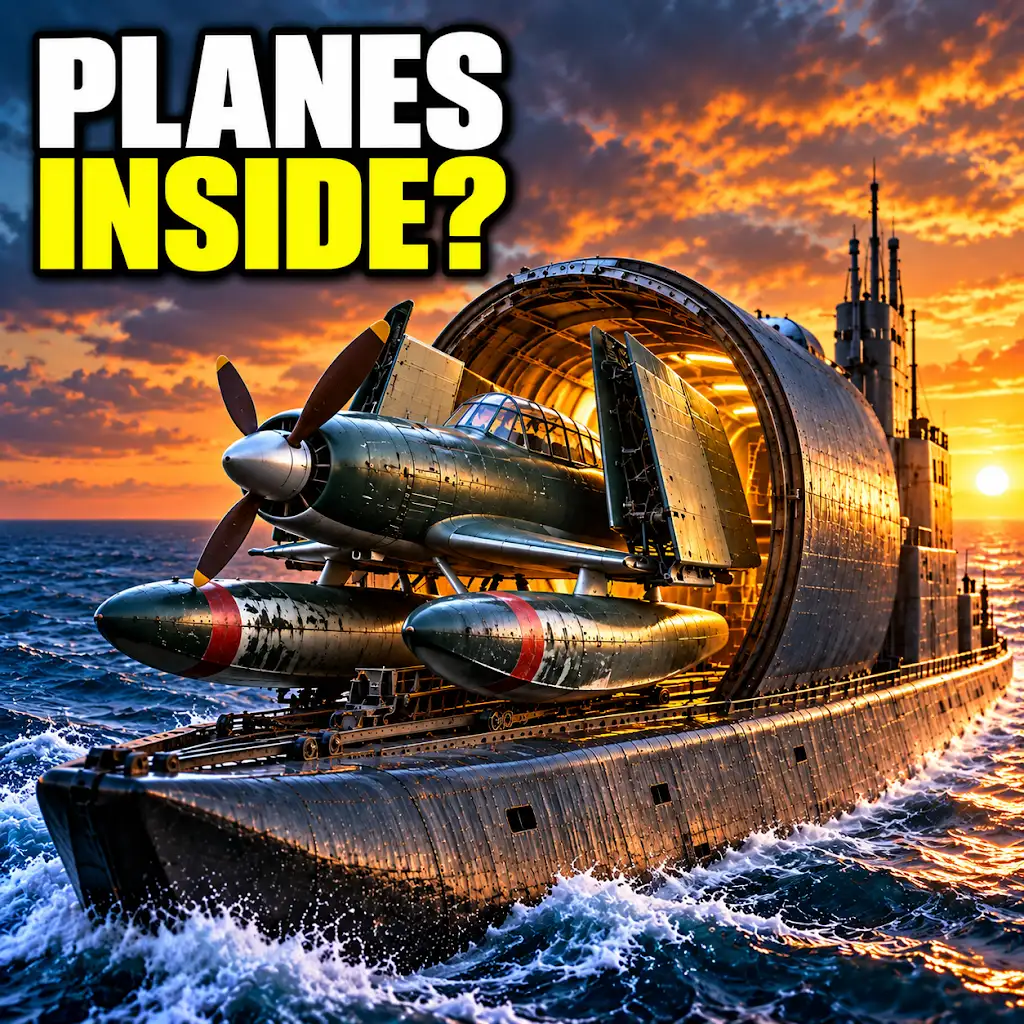
Japan Built a Submarine That Could Launch Three Planes
FAQs
1. Why did the US sink captured Japanese subs?
The US sank captured Japanese submarines to prevent them from falling into enemy hands and being used against American forces.
2. Were there any specific incidents that led to the sinking of captured Japanese subs by the US?
Yes, one notable incident was the sinking of the Japanese submarine I-400 by the US Navy in 1946. This submarine was captured by the US after Japan’s surrender in World War II.
3. Did the US sink all captured Japanese subs?
Not all captured Japanese submarines were sunk by the US. Some were used for intelligence gathering and research purposes before being scuttled or disposed of in other ways.
4. What was the rationale behind sinking captured Japanese subs instead of keeping them intact?
Sinking captured Japanese submarines was a strategic decision to prevent the technology and capabilities of these vessels from being used against the US or its allies in future conflicts.
5. How did the sinking of captured Japanese subs contribute to post-war naval operations?
The sinking of captured Japanese submarines by the US helped ensure that these vessels did not pose a threat to American forces or maritime security in the post-war period. It also demonstrated the US commitment to preventing the proliferation of advanced naval technology.