The idea of a Japanese submarine attack on the Panama Canal during World War II is a compelling and persistent thought that has surfaced in historical discussions and even popular culture. The sheer strategic importance of the canal, connecting the Atlantic and Pacific Oceans, makes it an enticing target for any wartime adversary. However, when examined through the lens of historical record and strategic feasibility, the notion of a successful or even a significant Japanese assault on this vital waterway becomes a complex question of fact versus fiction.
The Strategic Imperative: Why the Canal Mattered
The Panama Canal, completed in 1914, revolutionized global maritime trade and naval power projection. For the United States, it was a linchpin of its defense strategy, allowing for the swift movement of warships and cargo between its eastern and western seaboards. During World War II, its importance was amplified exponentially. The canal facilitated the rapid deployment of Allied forces and supplies to both the European and Pacific theaters, a critical factor in the Allied war effort. Its disruption or destruction would have inflicted a severe blow to the Allied logistics and operational capabilities.
A Target of Opportunity and Fear
For Japan, the prospect of striking at the heart of American logistical might was undeniably attractive. Following the attack on Pearl Harbor in December 1941, Japan sought to cripple the United States’ ability to wage war in the Pacific. While their primary focus was on securing resources and pushing back American naval power, the idea of indirectly weakening the U.S. by severing its oceanic connection was a logical, albeit ambitious, strategic consideration. The canal represented a vulnerability that, if exploited, could have prolonged the war and potentially altered its outcome. This fear, coupled with the operational possibilities, fueled speculation about such an attack.
The topic of Japanese submarines potentially attacking the Panama Canal during World War II is a fascinating aspect of military history that raises questions about strategic warfare and naval tactics. For those interested in exploring this subject further, a related article can be found at In The War Room, which delves into various military operations and their implications during the war. This resource provides valuable insights into the broader context of naval engagements and the significance of the Panama Canal in wartime strategy.
Japanese Naval Capabilities and Limitations
To assess the plausibility of a Japanese submarine attack on the Panama Canal, an understanding of Imperial Japanese Navy’s (IJN) submarine capabilities and limitations during the war is essential. The IJN possessed a formidable submarine force, recognized for its advanced torpedoes and innovative designs, including some of the largest submarines ever built. These “giant submarines” were capable of long-range missions and were envisioned for strategic strikes, including potential operations in the Indian Ocean and even against American coastal cities.
The “I-Boat” Enigma: Ambitions and Reality
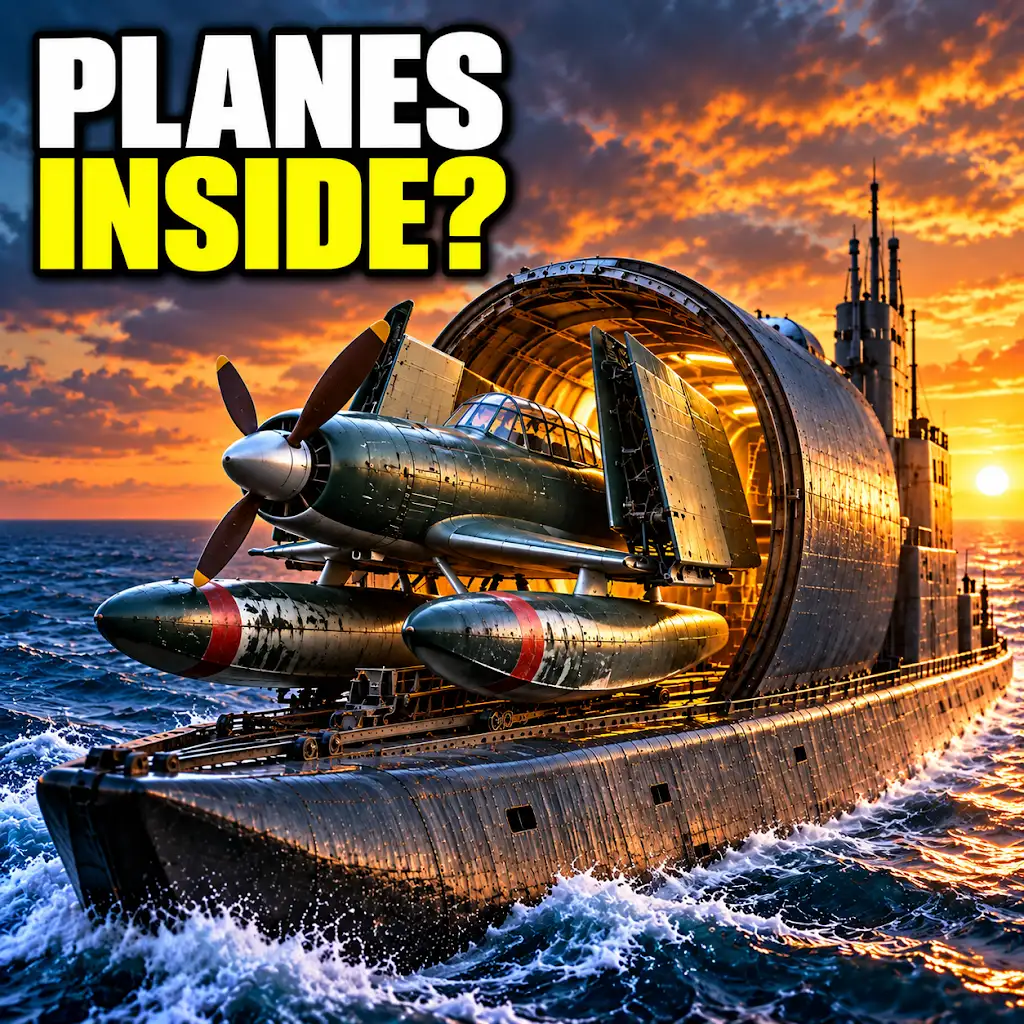
The IJN’s most advanced submarines, often referred to as “I-boats,” were indeed designed for missions that stretched the limits of endurance. These submarines were equipped with seaplanes for reconnaissance, hinting at a desire to conduct operations far from Japanese shores. The existence of such sophisticated vessels naturally led to questions about their potential deployment against distant strategic targets. While the operational range of these submarines was impressive, the logistical challenges of sustaining a prolonged campaign against a heavily defended target like the Panama Canal, thousands of miles from Japanese bases, were immense.
Furthermore, the IJN’s submarine doctrine evolved throughout the war. Initially, there was an emphasis on fleet submarine warfare, intended to engage enemy capital ships. However, as the war progressed and the IJN’s naval power waned, there was a shift towards more offensive roles, including commerce raiding and even limited land bombardment. This adaptability, while a testament to their ingenuity, also highlights the pressures and constraints they faced.
The Panama Canal: A Fortified Prize
The United States was acutely aware of the Panama Canal’s strategic vulnerability. Following its completion, and especially as tensions with Japan escalated, the canal and its surrounding areas were heavily fortified. The U.S. military invested significantly in air bases, naval patrols, coastal artillery, and anti-submarine defenses to protect this crucial artery. The approaches to the canal were meticulously patrolled, and the airspace above was constantly monitored.
Defenses in Depth: Deterring the Attacker
The defensive network around the Panama Canal was designed to deter any potential attacker. Naval vessels, including destroyers and patrol craft, constantly swept the waters for submarines. Aircraft from nearby airfields provided aerial reconnaissance and bombing capabilities. On land, powerful guns were positioned to defend against naval bombardment, and the locks themselves were considered significant engineering defenses, requiring specific and difficult conditions for any sabotage attempt. The idea of a submarine slipping through this formidable cordon undetected, or mounting a successful attack, was highly improbable.
The U.S. military also maintained a robust intelligence network. Any unusual naval activity in the Pacific or Caribbean that suggested a hostile intent towards the Canal Zone would likely have been detected and acted upon. The sheer scale of the military presence and the integrated defense system made the Panama Canal one of the most heavily protected locations in the Western Hemisphere during the war.
The Question of Actual Attacks: Tracing the Evidence
Despite the strategic temptation and the IJN’s capabilities, historical records reveal a stark absence of any direct, successful Japanese submarine attack on the Panama Canal itself. While there were instances of Japanese submarines operating in the broader Pacific and even Atlantic regions, and some reconnaissance missions that may have approached the general vicinity, no confirmed attack occurred on the canal or its immediate environs.
Submarine Patrols and Near Misses: A Matter of Perception
It is important to distinguish between the general presence of Japanese submarines in the wider oceanic theater and a specific attack on the Panama Canal. Japanese submarines did conduct patrols in the Pacific and Atlantic oceans, and some were indeed tasked with reconnaissance missions that could have brought them within a considerable distance of the Canal Zone. However, the effective range of Japanese submarines and the immense logistical challenges of reaching and operating within the heavily defended Canal Zone made such direct assaults impractical for sustained operations.
There are anecdotal accounts and some speculative theories about Japanese submarines being in the vicinity or even attempting reconnaissance. For instance, some sources suggest that Japanese submarines may have conducted limited reconnaissance flights over the Pacific coast of North America. However, these reports rarely, if ever, point to an actual attempt to strike the canal itself. The narrative of a Japanese submarine attack often conflates the general threat of submarine warfare with a specific, unfulfilled objective. The absence of any confirmed damage or even a recorded attempt on the canal strongly suggests that any such operations were either purely speculative or never materialized beyond reconnaissance in distant waters.
During World War II, the strategic importance of the Panama Canal made it a potential target for various military operations, including the possibility of Japanese submarines attempting to disrupt its operations. This topic is explored in greater detail in a related article that discusses the broader implications of such attacks on global trade routes and military logistics. For more insights, you can read the article here. Understanding these historical events helps shed light on the complexities of naval warfare and its impact on international relations.
The Fiction of a Direct Assault: Separating Myth from History
| Metric | Details |
|---|---|
| Event | Japanese Submarine Attacks on Panama Canal |
| Time Period | World War II (1941-1945) |
| Number of Attacks | Several documented submarine patrols and attacks near Panama Canal Zone |
| Attack Types | Submarine shelling and torpedo attacks on shipping lanes near the canal |
| Impact on Canal Operations | Minimal direct damage; canal remained operational throughout the war |
| Strategic Objective | Disrupt Allied shipping and supply routes through the Panama Canal |
| Notable Incidents | Japanese submarines I-25 and I-16 conducted shelling near the canal area |
| Allied Response | Increased naval patrols and anti-submarine warfare measures in the region |
| Casualties | Limited; no major loss of life directly linked to attacks on the canal |
The persistent idea of a Japanese submarine attack on the Panama Canal is largely a product of wartime anxieties, the imaginative potential of strategic targeting, and perhaps a degree of historical embellishment rather than documented fact. The strategic importance of the canal naturally lent itself to hypothetical scenarios of enemy action, and in the context of total war, such anxieties were amplified.
The Enduring Legend: Why the Idea Persists
The allure of such an event lies in its dramatic implications. A successful attack would have been a sensational news story and a significant turning point in the perception of the war’s reach. The very concept of a remote, non-contiguous territory like Panama being threatened by an Asian power resonated with the widespread fear and uncertainty of the wartime era. The existence of advanced Japanese submarines, like the midget submarines used in the attack on Sydney Harbor, further fueled the imagination, suggesting a capacity for daring and unconventional assaults. However, the historical reality is that while Japan possessed capable submarines, the execution of an attack on the Panama Canal faced insurmountable logistical hurdles and overwhelming defensive countermeasures. The lack of any credible evidence, combined with the known strategic realities and defensive measures in place, firmly places the idea of a Japanese submarine attack on the Panama Canal in the realm of historical fiction. The story, while compelling, remains an unsubstantiated legend in the annals of World War II.