
The Silent Giants Rise: Japan’s Submarine Fleet Expansion
In a strategic move that underscores its evolving security posture and regional ambitions, Japan has embarked on an ambitious plan to construct five massive new submarines. This significant undertaking represents a substantial investment in its maritime defense capabilities, signaling a clear intent to project power and maintain a credible deterrent in the increasingly complex Indo-Pacific. The decision to expand its submarine fleet comes at a time of heightened geopolitical tension, with rising concerns over China’s growing naval strength and territorial assertiveness in the East and South China Seas. These new vessels, larger and more advanced than their predecessors, are designed to meet the demanding requirements of modern undersea warfare, enhancing Japan’s ability to conduct intelligence, surveillance, and reconnaissance (ISR) missions, as well as projecting force and defending its vast maritime interests.
The development of these five submarines is not merely a numbers game; it is a testament to Japan’s commitment to technological innovation and its deep-seated desire to secure its vital sea lanes and territorial waters. The nation’s post-war pacifist constitution has traditionally limited its military capabilities, but a series of recent security challenges has prompted a re-evaluation of its defense strategy. The construction of these submarines, therefore, can be viewed as a crucial step in Japan’s gradual rearmament and its willingness to assume a more prominent role in regional security architecture. The sheer scale of these new submarines hints at a shift in operational doctrine, suggesting a greater emphasis on sustained operations, extended patrol ranges, and enhanced combat endurance.
The genesis of this ambitious shipbuilding program lies in a confluence of factors. Chief among them is the rapid modernization of the People’s Liberation Army Navy (PLAN) of China, which has been steadily expanding its submarine fleet with a focus on both nuclear and conventional powered vessels. This growth has raised concerns in Tokyo about potential imbalances of power in the region and the implications for Japan’s own security. Furthermore, ongoing territorial disputes in the East China Sea, particularly around the Senkaku Islands, have amplified the perceived need for a robust and capable submarine force to monitor and potentially counter any aggressive actions. The expansion also serves as a clear signal to allies, particularly the United States, that Japan is prepared to shoulder a greater share of the collective security burden in the Indo-Pacific. This proactive stance aligns with broader allied efforts to bolster regional deterrence and maintain freedom of navigation in international waters.
Japan has recently made headlines with its ambitious project of constructing five giant submarines, a move that underscores its growing focus on maritime security and defense capabilities. This development is part of a broader strategy to enhance Japan’s naval power in response to regional tensions. For more insights on this topic, you can read a related article that delves into the implications of Japan’s submarine program and its impact on regional security dynamics. You can find it here: Japan’s Submarine Expansion: A New Era of Naval Power.
Unveiling the Technological Marvels: Design and Capabilities

The five new submarines currently under construction by Japan are expected to represent a significant leap forward in submarine technology. While specific details remain classified, available information and industry trends point towards vessels that are larger, stealthier, and equipped with more advanced weapon systems than the existing Sōryū and Oyashio-class submarines. These new leviathans are likely to be designed with an emphasis on extended operational endurance, allowing them to patrol for longer periods and cover greater distances, a crucial capability for monitoring vast maritime areas and responding to emerging threats. The increase in size also suggests enhanced habitability and crew comfort, which are vital for maintaining crew effectiveness during prolonged deployments.
Stealth and Sensor Advancements
A paramount consideration in modern submarine design is stealth, and these new Japanese vessels are no exception. It is highly probable that they will incorporate cutting-edge technologies to minimize their acoustic signature, making them exceptionally difficult to detect by enemy sonar systems. This could include advanced hull coatings designed to absorb sonar pings, quieter propulsion systems, and sophisticated noise reduction techniques throughout the ship’s internal machinery. Furthermore, the integration of advanced passive and active sonar arrays, coupled with sophisticated electronic warfare suites, will provide these submarines with unparalleled situational awareness. The ability to detect and track enemy vessels at greater ranges and with higher accuracy is a critical advantage in a contested maritime environment.
Enhanced Combat Power and Payload
The increased size of these submarines will undoubtedly translate into a more formidable combat capability. It is anticipated that they will carry a larger and more diverse array of weapons. This could include advanced torpedoes, anti-ship missiles, and potentially even land-attack cruise missiles, expanding their operational scope beyond pure anti-submarine warfare (ASW). The potential for vertical launch systems (VLS) is also a possibility, which would allow for the rapid and versatile deployment of various missile types. Furthermore, these submarines will likely be equipped with advanced combat management systems, enabling them to process vast amounts of sensor data and coordinate attacks with greater precision and speed. The inclusion of unmanned underwater vehicles (UUVs) or unmanned aerial vehicles (UAVs) for reconnaissance and intelligence gathering is also a plausible development, further enhancing their operational flexibility.
Strategic Imperatives: Why Now?
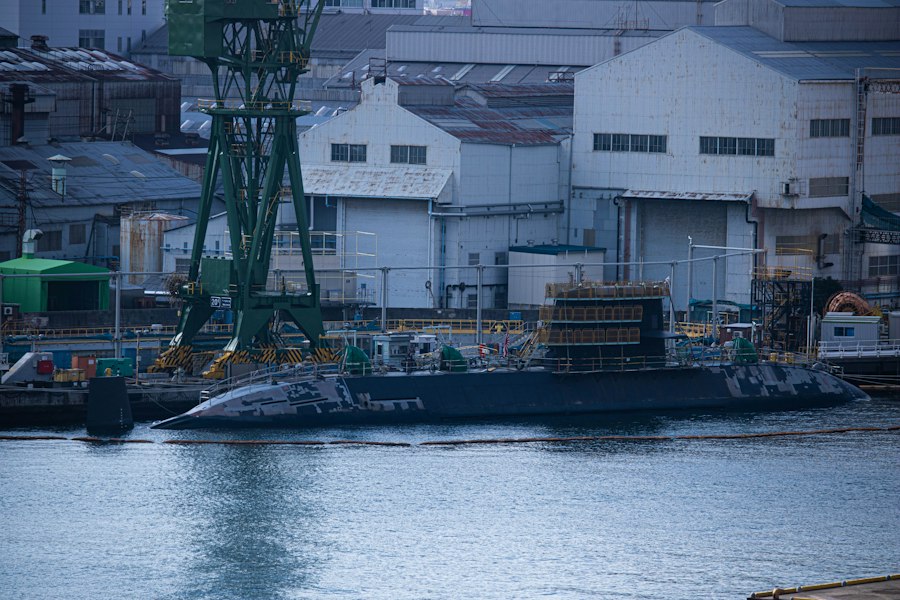
The decision to construct five massive submarines is not a standalone event but rather a calculated response to a complex and rapidly evolving geopolitical landscape. Several interconnected strategic imperatives underpin this significant investment in Japan’s naval power. Understanding these drivers is crucial to appreciating the broader implications of this shipbuilding program for regional security and international relations.
The Growing Shadow of China’s Naval Expansion
Arguably the most significant driver behind Japan’s submarine fleet expansion is the relentless growth and modernization of China’s People’s Liberation Army Navy (PLAN). Over the past two decades, the PLAN has transformed from a coastal defense force into a blue-water navy with increasingly sophisticated capabilities. Its submarine force, in particular, has seen substantial investment, with the introduction of new nuclear-powered attack submarines (SSNs), ballistic missile submarines (SSBNs), and advanced conventional submarines (SSKs). This expansion has raised concerns in Japan and among its allies about a potential shift in the regional military balance. Japan’s new submarines are seen as a crucial element in maintaining a credible deterrent against Chinese naval ambitions and ensuring the security of vital sea lines of communication (SLOCs) that are essential for Japan’s trade and energy imports.
The East China Sea: A Lingering Flashpoint
The territorial dispute over the Senkaku Islands (known as the Diaoyu Islands in China) in the East China Sea remains a persistent source of tension between Japan and China. China’s increasing maritime militia presence and its frequent incursions into waters near the disputed islands have heightened Japan’s sense of vulnerability. Submarines, with their inherent stealth and ability to operate unseen, are an ideal platform for conducting ISR missions in this sensitive region, providing valuable intelligence on Chinese naval movements and intentions. The expanded submarine fleet will enable Japan to maintain a more persistent and effective presence in the East China Sea, deterring potential aggression and reinforcing its claims to the islands.
Strengthening Alliances and Regional Stability
Japan’s commitment to its alliance with the United States remains a cornerstone of its security policy. The construction of these advanced submarines signals to Washington that Japan is prepared to invest heavily in its own defense and contribute more significantly to the collective security of the Indo-Pacific. This enhanced capability strengthens the overall deterrent posture of the US-Japan alliance, making it a more formidable force against potential adversaries. Furthermore, a stronger Japanese navy can contribute to regional stability by reassuring other nations in the Indo-Pacific that Japan is a reliable security partner committed to maintaining freedom of navigation and the rules-based international order.
Economic and Industrial Considerations
The construction of five massive submarines represents a colossal undertaking that extends far beyond military strategy. It involves significant economic investment, the mobilization of highly specialized industrial capabilities, and the development of a skilled workforce. The sheer scale of such a project has profound implications for Japan’s defense industry and its broader economic landscape, fostering technological innovation and creating high-value jobs.
The Backbone of Japanese Shipbuilding
The construction of these advanced submarines will primarily fall to Japan’s leading shipbuilding companies, which possess world-class expertise in complex naval architecture and engineering. Companies like Mitsubishi Heavy Industries and Kawasaki Heavy Industries, which have a long and distinguished history in submarine construction, will be at the forefront of this ambitious program. The demand for such sophisticated vessels will provide a significant boost to these companies, ensuring their continued relevance and competitiveness in the global defense market. It also necessitates the continued development and maintenance of a robust supply chain for specialized components, including advanced sonar equipment, propulsion systems, and weapon platforms.
Driving Innovation and Workforce Development
The complex nature of modern submarine construction inherently drives innovation. The need for cutting-edge stealth technology, advanced sensor systems, and integrated combat management platforms will push Japanese engineers and scientists to develop new solutions and refine existing technologies. This technological advancement can have spillover effects into other sectors of the Japanese economy. Furthermore, such a large-scale shipbuilding program requires a highly skilled workforce, from naval architects and engineers to specialized technicians and welders. The construction of these submarines will necessitate significant investment in training and education, ensuring the development of a new generation of skilled workers capable of undertaking complex defense projects. This focus on human capital development is crucial for maintaining Japan’s technological edge in the long term.
Japan has recently made headlines with its ambitious project to build five giant submarines, a move that underscores its commitment to enhancing maritime security in the region. This development has sparked discussions about the implications for regional stability and naval power dynamics. For a deeper understanding of the strategic motivations behind Japan’s submarine program, you can read a related article that explores these themes in detail. Check it out here.
Future Implications and Regional Dynamics
| Submarine Name | Class | Length (meters) | Displacement (tons) | Launch Year | Max Speed (knots) | Operational Role |
|---|---|---|---|---|---|---|
| Taigei | Taigei-class | 84 | 3,000 | 2022 | 20+ | Attack Submarine |
| Soryu | Soryu-class | 84 | 2,900 | 2009 | 20+ | Attack Submarine |
| Oryu | Soryu-class | 84 | 2,900 | 2019 | 20+ | Attack Submarine |
| Seiryū | Soryu-class | 84 | 2,900 | 2013 | 20+ | Attack Submarine |
| Shōryū | Soryu-class | 84 | 2,900 | 2015 | 20+ | Attack Submarine |
The decision by Japan to construct five massive submarines is poised to have far-reaching implications for the geopolitical landscape of the Indo-Pacific and beyond. This significant expansion of its underwater capabilities will undoubtedly alter regional military dynamics, influence the strategic calculations of neighboring nations, and potentially reshape the broader balance of power in the coming decades. The reverberations of these silent giants entering service will be felt across a wide spectrum of security considerations.
The Deterrent Effect and Escalation Potential
The primary aim of this submarine expansion is to enhance Japan’s deterrent capabilities. A more robust and technologically advanced submarine fleet makes any potential aggressor pause and consider the significant risks involved in challenging Japan’s maritime interests. The ability of these submarines to operate undetected for extended periods means that any adversary would face the constant threat of being targeted by a hidden adversary, significantly raising the stakes of any military conflict. However, this increased capability also carries a potential for escalation. As Japan enhances its offensive and defensive military power, neighboring nations, particularly China, may feel compelled to further accelerate their own military modernization programs, leading to an ongoing arms race in the region. This delicate balance of deterrence and the risk of escalation will be a crucial factor to monitor in the coming years.
Impact on Regional Navies and Power Balances
The expansion of Japan’s submarine fleet will undoubtedly necessitate adjustments in the naval strategies of other regional powers. China, in particular, will need to reassess its operational planning and its investment priorities in light of Japan’s enhanced anti-submarine warfare (ASW) capabilities. Other navies in the region, such as those of South Korea and Australia, will also be closely observing these developments. Some may seek to enhance their own submarine forces or invest in advanced ASW technologies to counter the perceived threat. This could lead to a broader regional naval buildup, with submarine warfare becoming an increasingly important dimension of maritime power projection and defense. The subtle shift in the undersea balance of power could influence naval exercises, force deployments, and even diplomatic engagements as nations navigate this evolving security environment.
The Global Context: A More Assertive Japan
Beyond the immediate Indo-Pacific region, Japan’s decision to build these five massive submarines signifies a broader trend towards a more assertive and militarily capable Japan. While still bound by its pacifist constitution, the nation is increasingly willing to take on greater responsibilities for its own defense and for regional security. This proactive approach aligns with the interests of many Western nations that seek to counterbalance the growing influence of authoritarian regimes. The development of these submarines is a tangible manifestation of this evolving security posture, demonstrating Japan’s commitment to playing a more significant role in maintaining international peace and stability. The strategic implications of this shift will likely continue to unfold, influencing alliances, international norms, and the overall architecture of global security.
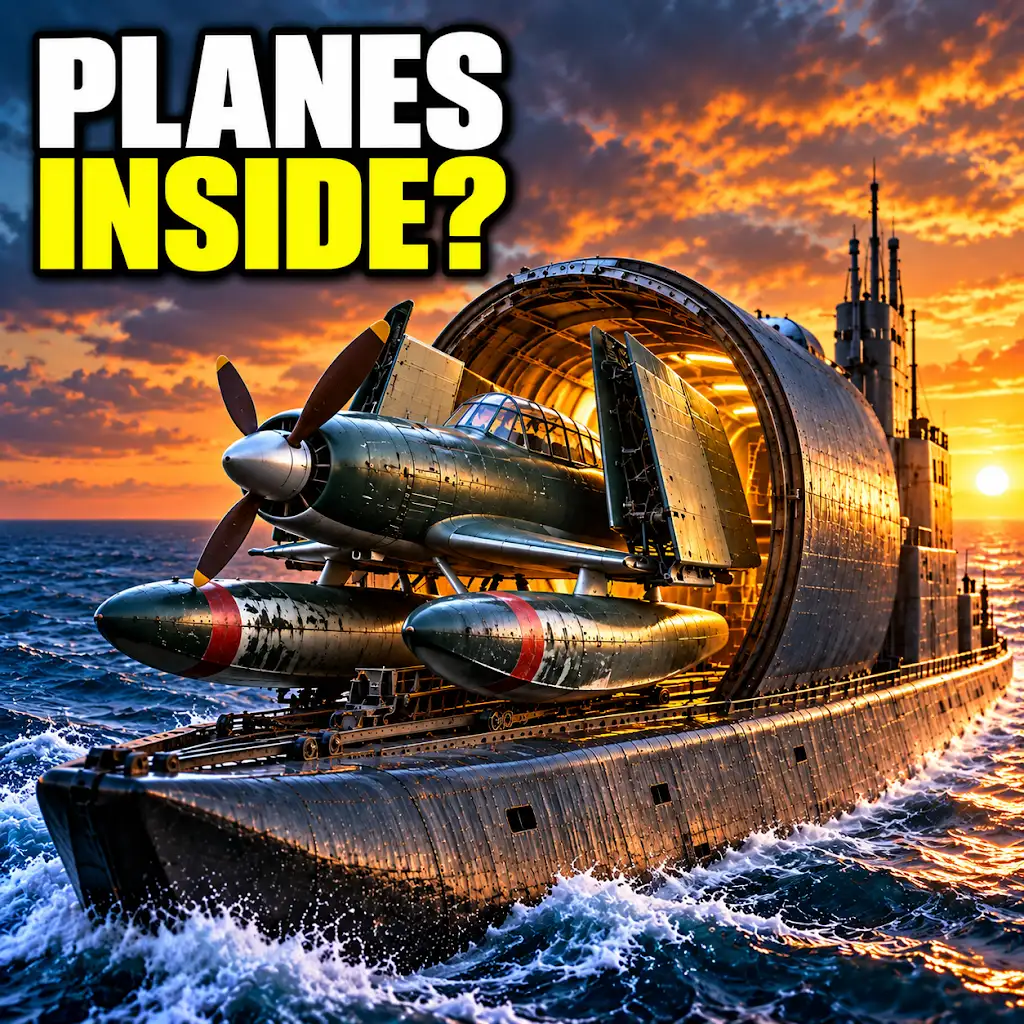
Japan Built a Submarine That Could Launch Three Planes
FAQs
1. What is the purpose of Japan building five giant submarines?
Japan built these submarines to enhance its maritime defense capabilities and strengthen its naval presence in the region.
2. How large are these giant submarines built by Japan?
The submarines are reported to be significantly larger than conventional submarines, with dimensions that make them among the largest in the world.
3. How does the construction of these submarines impact Japan’s naval capabilities?
The construction of these giant submarines is expected to bolster Japan’s ability to conduct longer missions, gather intelligence, and project power in the maritime domain.
4. Are these submarines equipped with advanced technology?
Yes, these submarines are likely to be equipped with state-of-the-art technology, including advanced sensors, communication systems, and stealth features to enhance their operational effectiveness.
5. What are the potential implications of Japan’s deployment of these giant submarines?
The deployment of these submarines could potentially influence regional security dynamics and contribute to Japan’s efforts to safeguard its maritime interests and uphold its national security.