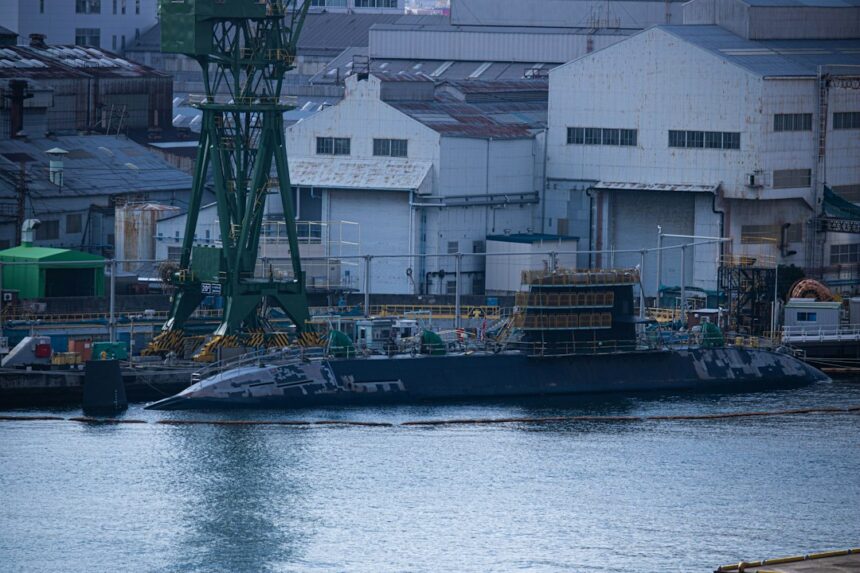
The silent hunters of the deep, once a source of dread for Allied navies, now lay dormant. The surrender of Japanese submarines to the United States Navy in the aftermath of World War II marked a dramatic conclusion to a naval campaign that had, for a time, threatened to strangle vital supply lines across the Pacific. This was not a single, dramatic event, but rather a series of surrenders, discoveries, and eventual scuttlings or dismantling that underscored the total defeat of the Empire of Japan. The American forces, having systematically hunted and destroyed the Imperial Japanese Navy’s submarine fleet, now found themselves in possession of the very vessels that had once posed such a formidable threat. The logistical and strategic implications of this newfound dominance, and the fate of these surrendered submarines, painted a complex picture of post-war naval power and the technologies that had defined the conflict.
The Twilight of the IJN Submarine Force
The Imperial Japanese Navy’s submarine arm, while often overshadowed by the prowess of its carrier and battleship fleets, played a significant role throughout the Pacific War. Initially conceived as a strategic weapon to counter the numerically superior American fleet, Japanese submarines were deployed in a variety of roles, including reconnaissance, troop transport, and most notably, unrestricted warfare against Allied shipping. By the latter stages of the war, however, the tide had irrevocably turned. Allied anti-submarine warfare (ASW) tactics and technologies had advanced significantly, making the waters of the Pacific increasingly perilous for Japanese submariners. The loss rate for Japanese submarines climbed steeply, and their operational effectiveness dwindled in the face of overwhelming Allied air and naval power.
Early Successes and Shifting Fortunes
In the early days of the conflict, Japanese submarines achieved notable successes. The attack on Pearl Harbor, while primarily an air assault, also saw submarines playing a supporting role, attempting to infiltrate the harbor. Later, they inflicted heavy losses on Allied merchant vessels, disrupting the flow of crucial supplies to Allied forces and home islands. However, these early victories were not sustainable. The sheer industrial capacity of the United States, coupled with the development of effective ASW measures such as sonar, radar, and improved depth charges, began to negate the advantages once held by the Japanese. The introduction of escort carriers and dedicated anti-submarine hunter-killer groups further squeezed the operational space for Japanese submarines. By 1944, the strategic initiative had firmly passed to the Allies, and the effectiveness of the IJN’s submarine force was severely diminished, with many patrols ending in destruction rather than success.
The Final Campaigns and the Exhaustion of Resources
As the war entered its final year, the IJN submarine force was a shadow of its former self. Many of the newer, more advanced submarine designs, such as the larger, longer-ranged I-class and the innovative midget submarines, were either lost or rendered largely ineffective. The older, smaller submarines, designed for coastal defense or short-range patrols, found their operational radius severely limited by fuel shortages and the constant threat of Allied patrols. Furthermore, the Japanese submarine industry, vital for replacing lost vessels, was itself a target of Allied bombing campaigns, further straining their ability to maintain any significant operational strength. The final missions of many Japanese submarines were desperate gambits, attempting to interdict Allied invasion forces or deliver crucial supplies to isolated garrisons, often with tragic outcomes for the crews.
In the aftermath of World War II, the surrender of Japanese submarines to the U.S. Navy marked a significant moment in naval history, highlighting the transition from conflict to cooperation in the Pacific. For a deeper understanding of this historical event and its implications, you can read a related article that delves into the strategic importance of these submarines and their role in post-war naval operations. For more information, visit this article.
The Unfurling of Surrender Flags
The formal surrender of Japan in August 1945 brought an end to hostilities, but the practicalities of disarming the vast Japanese military machine, including its submarine fleet, were complex. Allied forces, primarily American, were tasked with ensuring that Japanese naval assets were rendered incapable of further action and, in many cases, were brought under Allied control. This process involved the methodical search for and accounting of all remaining Japanese submarines, whether at sea, in port, or at hidden bases. The sight of these once-feared vessels coming to the surface and heading towards Allied rendezvous points was a potent symbol of Japan’s complete capitulation.
Operations to Secure Submarine Assets
Following the announcement of the surrender, Allied naval commands issued clear instructions to Japanese naval forces, including their submarine flotillas. Submarines at sea were ordered to cease all offensive operations and proceed to designated Allied-controlled ports. Many, however, were already at the bottom of the ocean, victims of Allied attacks in the war’s final days. For those that remained operational, the journey to surrender was often fraught with uncertainty, as crews navigated waters still potentially hazardous and the psychological weight of defeat bore down on them. American naval vessels were dispatched to escort these surrendered submarines, ensuring their peaceful arrival and preventing any last-ditch acts of defiance.
Rendezvous and Formalities of Handover
The surrender ceremonies for submarines varied in formality but all carried the same profound significance. In major naval bases like Yokosuka, Kure, and Sasebo, Japanese submarines were brought alongside Allied warships or docked at designated piers. Crews would disembark, leaving their vessels in the hands of American officers. The formal transfer of command was marked by the lowering of the Japanese naval ensign and, in some instances, the raising of the American flag, a stark visual representation of the power shift. While not always elaborate, these moments were steeped in the reality of a defeated nation yielding its instruments of war. The meticulous process of inventorying equipment, weapons, and any sensitive materials was also a crucial part of these handovers.
The Fate of the
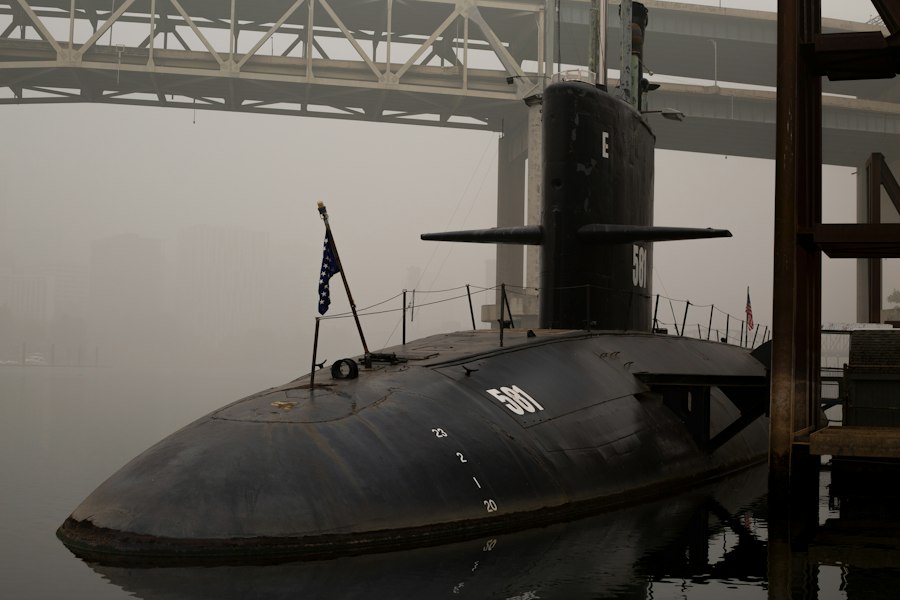

Japan Built a Submarine That Could Launch Three Planes
FAQs
1. What is the significance of Japanese submarines surrendering to the US Navy?
Japanese submarines surrendering to the US Navy marked the end of World War II in the Pacific, signifying Japan’s formal surrender and the conclusion of hostilities.
2. How many Japanese submarines surrendered to the US Navy?
A total of 19 Japanese submarines surrendered to the US Navy at the end of World War II.
3. When did the Japanese submarines surrender to the US Navy?
The Japanese submarines surrendered to the US Navy in August and September of 1945, following Japan’s official surrender on September 2, 1945.
4. Where did the Japanese submarines surrender to the US Navy?
The Japanese submarines surrendered at various locations in the Pacific, including ports in Japan, the Mariana Islands, and other designated surrender points.
5. What was the condition of the Japanese submarines when they surrendered to the US Navy?
Many of the Japanese submarines were in poor condition, having suffered damage during the war or being in need of repairs. Some submarines were scuttled by their crews before surrendering to prevent capture.