The inky blackness of the Pacific Ocean, a vast and unforgiving expanse, concealed a silent war waged beneath its surface. For years, the relentless hum of diesel engines and the eerie ping of sonar were the only companions for the men aboard the United States submarines. These metal fish, often dwarfed by their surface counterparts, played a crucial, if often overlooked, role in the Allied victory against Imperial Japan. The documentary “Silent Victory: WW2 Pacific Submarine Warfare” plunges viewers into this hidden world, illuminating the strategic brilliance, harrowing challenges, and profound sacrifices that defined this critical theater of the Second World War.
The Unseen Hand of Submarine Warfare
The strategic importance of submarine warfare in the Pacific cannot be overstated. While the dramatic clashes of aircraft carriers and the brutal island hopping campaigns often dominate historical narratives, the submarines operated as the silent hand that choked the lifeblood of the Japanese war machine. Their mission was multifaceted: to sink enemy shipping, thus disrupting supply lines and crippling their ability to wage war; to conduct vital reconnaissance missions, gathering intelligence on enemy movements and fortifications; and to serve as a potent psychological weapon, sowing fear and uncertainty in the minds of the Japanese high command.
Denying the Enemy Resources
The primary objective of Allied submarines, particularly American ones, was the interdiction of Japanese merchant shipping. Imperial Japan, an island nation with limited natural resources, relied heavily on maritime trade to fuel its war effort. Ships carried everything from oil and rubber to iron ore and food. The submarines, often operating deep within enemy-controlled waters, became incredibly adept at identifying and attacking these vital convoys. The documentary meticulously details the tactics employed, from wolf pack operations, where multiple submarines coordinated attacks to overwhelm defenses, to daring solo patrols that relied on stealth and precision. The impact of these attacks was devastating. Japan’s merchant fleet was decimated, leading to severe shortages of essential war materials and a dramatic decline in their industrial output. The film vividly illustrates the cascading effect of these successes, showing how the inability to resupply their far-flung garrisons and maintain their naval operations ultimately contributed to their eventual defeat.
Intelligence Gathering and Special Operations
Beyond direct combat, submarines served as invaluable intelligence-gathering platforms. Their ability to operate undetected allowed them to gather crucial information on enemy naval movements, the disposition of troops, and the construction of fortifications. This intelligence was vital for planning subsequent naval and amphibious operations. The documentary highlights instances where submarines, under the cover of darkness and using advanced periscopes, provided the eyes and ears for the Allied command. Furthermore, submarines were also used for clandestine special operations, including the insertion and extraction of reconnaissance teams, the delivery of supplies to resistance groups, and even the daring rescue of downed pilots. These missions, often fraught with extreme danger, underscore the versatility and critical importance of submarine operations beyond mere destruction.
For those interested in the intricacies of World War II Pacific submarine warfare, a compelling documentary can be found at In The War Room. This resource delves into the strategic significance of submarines in the Pacific theater, highlighting key battles and the innovative tactics employed by both the Allies and the Japanese forces. The documentary not only showcases the technological advancements of the time but also provides personal accounts from veterans, offering a comprehensive view of this critical aspect of naval warfare.
The Brutal Realities of Life Under the Waves
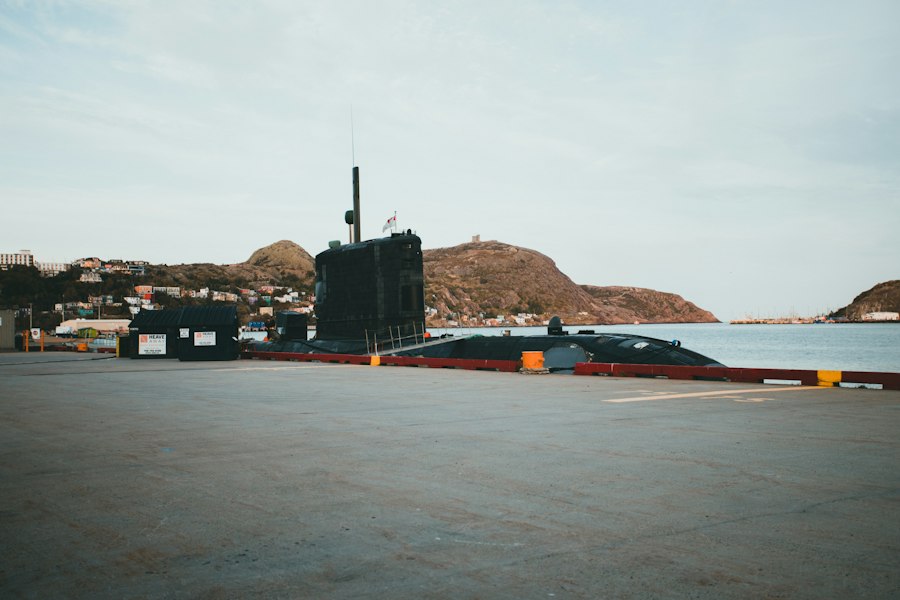
The documentary “Silent Victory” does not shy away from the grim realities of life aboard a World War II submarine. The confined spaces, the constant threat of detection and attack, and the psychological toll of prolonged patrols created an environment that tested the resilience of even the most hardened sailors. The film masterfully conveys the claustrophobia, the pervasive dampness, and the perpetual tension that defined the underwater existence.
The Constant Shadow of Danger
The life of a submariner was a constant gamble with death. The primary threat came from the Japanese anti-submarine forces, which included destroyers, patrol boats, and aircraft, all equipped with depth charges, torpedoes, and other anti-submarine weaponry. The documentary depicts the terrifying sound of approaching enemy vessels and the agonizing wait as depth charges exploded around the hull, shaking the submarine violently. The filmmakers utilize a combination of archival footage, expert interviews, and compelling reenactments to illustrate the harrowing experiences of submariners facing these deadly attacks. The sheer ingenuity and bravery required to evade detection, often for days on end, are brought to the forefront. The film explains the importance of silent running, the meticulous maintenance of the vessel to minimize noise, and the crew’s ability to remain calm under immense pressure.
The Psychological Toll of Isolation
Beyond the immediate physical danger, the psychological toll of prolonged patrols was immense. Submariners often spent weeks, sometimes months, at sea, far from home and loved ones, in an environment devoid of natural light and fresh air. The constant proximity to danger, coupled with the monotony of life aboard, could lead to significant stress and anxiety. The documentary touches upon the coping mechanisms employed by the crews, including the importance of camaraderie, the shared experience of hardship, and the unwavering dedication to their mission. The interviews with surviving veterans offer poignant insights into the mental fortitude required to endure such extreme conditions. The film highlights the bonds forged in the crucible of combat, the sense of brotherhood that sustained them through the darkest of times.
Innovation and Technological Advancements
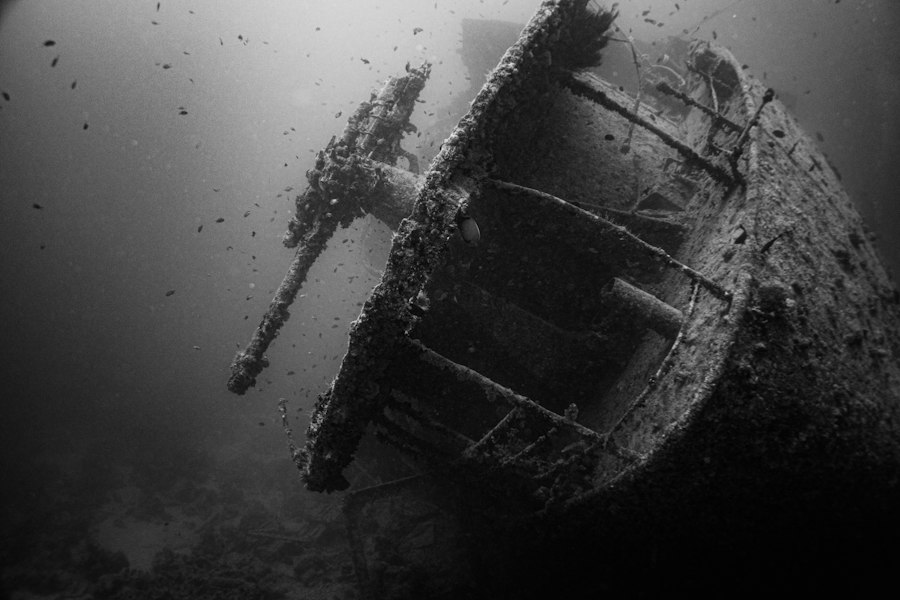
The effectiveness of Allied submarines in the Pacific was not solely a testament to the bravery of their crews; it was also a result of continuous innovation and technological advancement. The United States Navy, in particular, invested heavily in improving submarine design, weaponry, and operational capabilities throughout the war. “Silent Victory” meticulously chronicles these advancements, showcasing how they gave the submarines a crucial edge against their technologically sophisticated adversaries.
The Evolution of Submarine Design
The early submarines of World War II were a far cry from the sleek and advanced vessels of later eras. The documentary illustrates the evolutionary process of submarine design, from the initial models to the more powerful and stealthier Gato-class and Balao-class submarines that formed the backbone of the Pacific fleet. These newer submarines boasted increased speed, greater diving depths, and improved torpedo armament. The film explains how engineers and naval architects worked tirelessly to overcome design limitations, incorporating lessons learned from combat experiences. The improvements in hull design for better hydrodynamics, the development of more efficient engines, and the integration of advanced sonar systems were all critical factors in their success.
The “Tin Fish” and Beyond: Weaponry and Tactics
The primary offensive weapon of the submarine was, of course, the torpedo. “Silent Victory” delves into the evolution of torpedo technology, from early models that were prone to magnetic interference to the more reliable Mark 14 torpedo, which, despite initial teething problems, became a formidable weapon. The documentary also explores the development of new tactics for torpedo employment, such as the “running spread,” where multiple torpedoes were fired in sequence to increase the probability of a hit. Beyond torpedoes, submarines were also equipped with deck guns for engaging smaller vessels or for surface bombardment of coastal installations. The film provides detailed explanations of the complex targeting systems and the precision required to launch effective torpedo attacks, often from shallow depths and under immense pressure. The strategic implications of these advancements are clearly demonstrated through accounts of successful engagements where superior weaponry and tactics decisively altered the outcome of battles.
Key Campaigns and Defining Moments
“Silent Victory: WW2 Pacific Submarine Warfare” brings to life several pivotal campaigns and defining moments in the history of submarine warfare in the Pacific. Through expert analysis and firsthand accounts, the documentary illuminates the strategic impact of these operations and the courage displayed by the men who executed them.
The Battle of the Philippine Sea and its Submarine Contribution
While primarily known as an aircraft carrier battle, the Battle of the Philippine Sea, often dubbed the “Great Marianas Turkey Shoot,” also saw crucial contributions from Allied submarines. The documentary highlights how submarines were instrumental in gathering intelligence leading up to the battle and in harassing and sinking Japanese naval vessels attempting to reinforce their positions. The film recounts specific instances of submarines engaging larger warships, a testament to their bravery and the effectiveness of their torpedo attacks, even against heavily armed opponents. The narrative emphasizes how these submarine actions, though often not recognized in the broader historical context of the battle, played a significant role in weakening the Japanese naval forces and contributing to their eventual strategic defeat in this critical engagement.
The Sinking of the Shinano: A Triumph of Stealth and Determination
One of the most iconic achievements of the US submarine fleet in the Pacific was the sinking of the Japanese super-carrier Shinano. The documentary dedicates considerable attention to this remarkable feat, showcasing the daring of the submarine USS Archerfish and its captain, Commander Joseph F. Enright. The film meticulously reconstructs the events, detailing how the Archerfish, despite its limited armament compared to the enormous Shinano, managed to evade the carrier’s escorts and deliver a decisive blow. The sinking of the Shinano, the largest aircraft carrier ever built at the time, represented a significant blow to Japanese naval power and a profound psychological victory for the Allied forces. The documentary emphasizes the meticulous planning, the nerve-wracking execution, and the sheer luck that contributed to this extraordinary success. It serves as a powerful illustration of how a single, determined submarine could inflict devastating damage on the enemy’s most prized assets.
The Silent Blockade of Japan
Beyond direct combat, the persistent and effective actions of American submarines constituted a silent blockade of Japan. The documentary illustrates how the relentless sinking of merchant ships progressively strangled Japan’s supply lines, crippling its industrial capacity and its ability to sustain its war effort. This gradual attrition, as portrayed in “Silent Victory,” was a slow but ultimately decisive factor in the eventual Japanese surrender. The film emphasizes the strategic genius of this approach, demonstrating how the submarine force, operating with relative impunity in many areas, effectively severed Japan’s global connections and isolated the island nation. The long-term consequences of this sustained effort, culminating in the eventual collapse of the Japanese economy and military infrastructure, are vividly portrayed.
The documentary on World War II Pacific submarine warfare provides a gripping insight into the strategic importance of submarines during the conflict. For those interested in exploring this topic further, a related article delves into the technological advancements that shaped underwater combat during the war. You can read more about these innovations and their impact on naval tactics by visiting this detailed article. This resource enhances the understanding of how submarines played a crucial role in the Pacific theater.
Legacy and Remembrance
| Metric | Value | Description |
|---|---|---|
| Number of US Submarines Deployed | 263 | Total US submarines active in the Pacific Theater during WWII |
| Japanese Ships Sunk | 1,300+ | Estimated number of Japanese vessels sunk by US submarines |
| Tonnes of Shipping Lost | 5 million+ | Total tonnage of Japanese shipping sunk by submarines |
| US Submarine Losses | 52 | Number of US submarines lost in the Pacific during WWII |
| Average Patrol Duration | 30-60 days | Typical length of a submarine patrol mission |
| Notable Submarine | USS Tang (SS-306) | Most successful US submarine by tonnage sunk |
| Documentary Runtime | 90 minutes | Typical length of a WW2 Pacific submarine warfare documentary |
| Primary Documentary Themes | Stealth, Strategy, Survival | Key focus areas in submarine warfare documentaries |
The legacy of the silent warriors of the Pacific submarines is one of immense courage, strategic foresight, and profound sacrifice. “Silent Victory: WW2 Pacific Submarine Warfare” not only educates viewers about the historical events but also serves as a powerful testament to the men who served and the vital role they played in securing Allied victory. The documentary ensures that their stories, often whispered from the depths, are finally heard and remembered.
Honoring the Fallen and Preserving Their Stories
A significant portion of the documentary is dedicated to honoring the submariners who did not return from their patrols. The film emphasizes the incredibly high casualty rate among submarine crews, a stark reminder of the perilous nature of their missions. Through interviews with historians, archival photographs, and poignant narration, the documentary pays tribute to the thousands of men who lost their lives beneath the waves. The filmmakers skillfully convey the emotional impact of these losses on the families and the nation, underscoring the personal cost of the war. The preservation of their stories, through oral histories, written accounts, and memorials, is presented as a crucial endeavor to ensure that their sacrifices are never forgotten.
The Enduring Impact on Naval Warfare
The experiences and innovations of World War II submarine warfare had a lasting impact on naval doctrine and technology. “Silent Victory” explores how the lessons learned from the Pacific theater informed the development of modern submarine forces worldwide. The emphasis on stealth, advanced sonar capabilities, and sophisticated torpedo systems, all honed during the war, continue to be cornerstones of submarine warfare today. The documentary illustrates how the strategic principles of interdiction and intelligence gathering, so effectively employed by the submarines of World War II, remain relevant in contemporary naval operations. The film effectively positions the World War II submariners not just as wartime heroes but as pioneers whose contributions continue to shape the future of naval power.
In conclusion, “Silent Victory: WW2 Pacific Submarine Warfare” stands as an essential documentary for anyone seeking a comprehensive understanding of the Pacific War. It sheds a much-needed light on a critical and often underappreciated aspect of the conflict, revealing the bravery, ingenuity, and strategic brilliance of the men who fought and died in the silent depths. Their victory, achieved in the unforgiving darkness of the ocean, was indeed a silent one, but its echoes resonate through history, a testament to their indelible contribution to the Allied triumph.
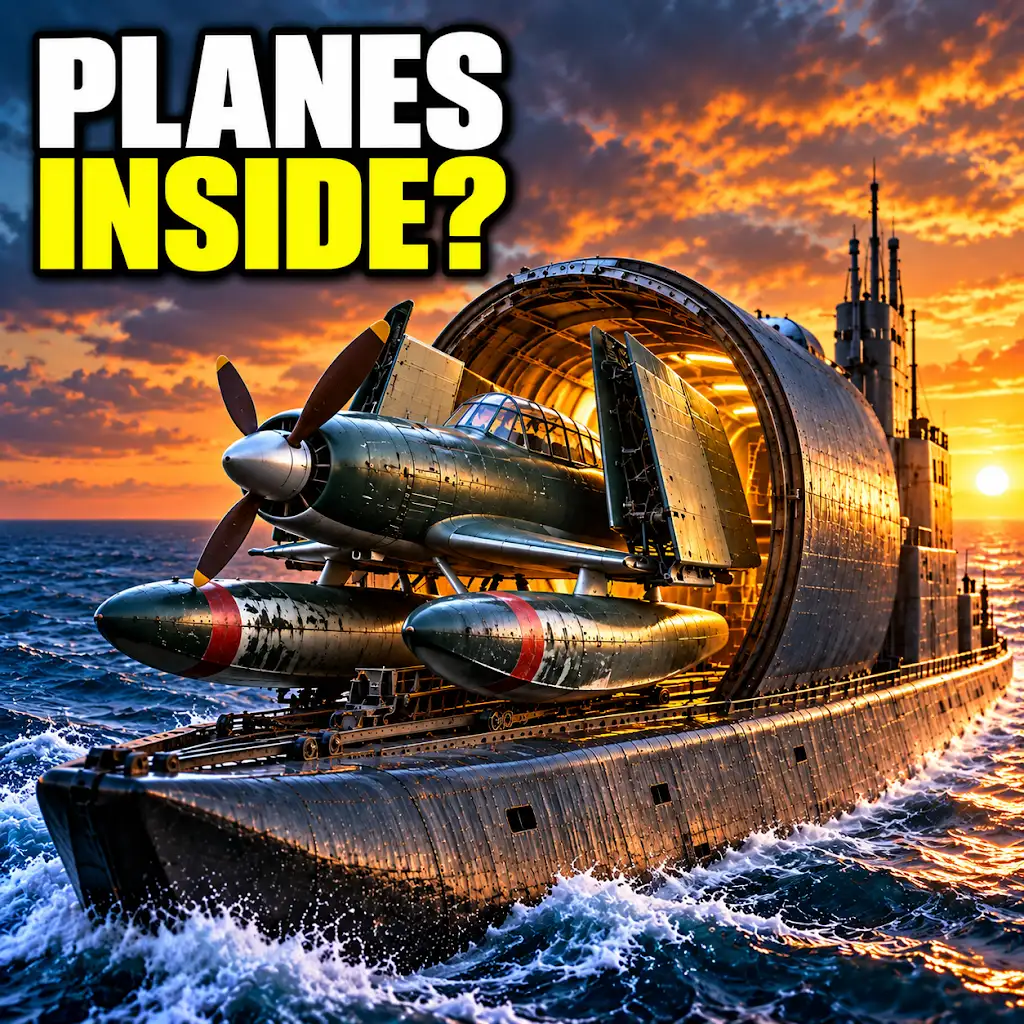
Japan Built a Submarine That Could Launch Three Planes
FAQs
What is the focus of the WWII Pacific submarine warfare documentary?
The documentary focuses on the role of submarines in the Pacific theater during World War II, highlighting their strategic importance and the challenges faced by submariners.
Who are the key figures and experts featured in the documentary?
The documentary features interviews with historians, veterans, and experts in naval warfare to provide insights into the tactics, technology, and personal experiences of those involved in Pacific submarine warfare.
What archival footage and visuals are included in the documentary?
The documentary includes rare archival footage, photographs, and maps to illustrate key events, battles, and the daily life aboard submarines during WWII in the Pacific.
What are some of the major battles and campaigns covered in the documentary?
The documentary covers significant battles and campaigns such as the Battle of Midway, the Guadalcanal Campaign, and the sinking of Japanese warships by American submarines in the Pacific.
How does the documentary shed light on the impact of submarine warfare in the Pacific during WWII?
The documentary explores the impact of submarine warfare on the outcome of the war in the Pacific, the challenges faced by submariners, and the lasting legacy of their contributions to the Allied victory.